Product reference
Apparel size systems: why a size label is not a specification
S, M, L, EU 42 and UK 14 are names. None of them tells a factory a chest, a length, a sleeve, an ease allowance or a grading increment. A size system is the work of deciding what those names mean, and it has to be done before a label can be printed on anything.
Buyers ask which size chart we manufacture to, and the honest answer is that we manufacture to theirs, once it says enough to be manufacturable. A great many charts do not. They give a letter or a number and a chest measurement, and leave open whether that chest is the wearer's body or the finished garment, how it was measured, what the other sizes do, and how much deviation is acceptable.
This section is about closing that gap. It sits above the mechanics: how a pattern changes across sizes is covered in pattern making and grading, and whether a garment fits as intended is covered in fit development. What follows is the system those two operate inside.
A label names a size. It does not define one
What arrives, and what can be produced
A size letter is a name for a set of measurements somebody has chosen. Until those measurements exist, the name has no content a factory can act on.
Two brands can both call a garment M and mean different products, because each has decided independently what M refers to. Neither is wrong. There is no external authority that fixes the meaning of M, which is why a factory receiving only a letter has been given a label rather than an instruction.
The same is true of numeric labels. EU 40, UK 12 and US 8 are nomenclatures, and a brand assigns them to its own measurements. That is the reason a cross-market conversion table cannot do the work buyers hope it will, which is the subject of international size conversion.
The standards designate by body, not by garment
There are international and European standards for size designation, and understanding what they actually do clears up more confusion than reading them cover to cover would.
| Standard | Current edition | What it addresses |
|---|---|---|
| ISO 8559-1 | 2017 | Anthropometric definitions for body measurement: what each measurement is and where it is taken |
| ISO 8559-2 | 2025 | Primary and secondary dimension indicators: which body dimensions designate size for which garment types |
| ISO 8559-3 | 2018 | Methodology for creating body measurement tables and intervals, and the population groups they are built for |
| ISO 8559-4 | 2023 | Determination of the coverage ratios of body measurement tables |
| EN 13402 series | Part 3 dated 2017 | A European sizing system based on body dimensions, with consumer labelling information conveyed by a standard pictogram |
The common thread is the important one. Both systems designate sizes using body dimensions in centimetres, not finished garment measurements. Under ISO 8559-2 the primary dimensions are the body measures used to designate size for consumers, with secondary dimensions available as additional body measures. A designation tells a shopper which body the garment is intended for; it does not tell a factory how large to cut anything.
That single fact is why the distinction between body and garment measurements is the foundation of everything else here.
Nor does a standard describe what retailers actually do. Commercial sizing is a separate layer, and brands generally maintain their own charts developed around their own customer and their own fit. Standards and market practice are two different things, and conflating them produces expectations a supplier cannot meet.
Alpha and numeric labels have the same problem
Alpha sizing, the XS to XXL family, is a set of nominal designations. So is numeric sizing. Neither carries an inherent measurement, and neither is more rigorous than the other; they differ in how many increments they conventionally offer and in what customers in a category expect to see.
Dual designations such as S/M or 40/42 are a third option, covering a wider interval with one size. They increase the proportion of a population a given piece will suit and reduce how precisely it suits any individual within it, which is a legitimate trade for some products and a poor one for others.
Whichever is used, the label is a decision about how to present the range to a customer. It comes at the end of the process rather than the start.
The order the work happens in
Each step depends on the one before it. Relabelling at the end changes what a customer sees and nothing about the garment.
Deciding the range itself
How many sizes to offer, and which, is a commercial decision with a technical consequence. A size system is built to cover a target population distribution, which is what ISO 8559-3's population groups and ISO 8559-4's coverage ratios formalise: you are choosing how much of your intended customer base a range reaches, and how closely it fits the people within it.
That framing explains something buyers often find puzzling. Two brands can each have internally consistent, well-developed size systems and still offer visibly different ranges, because they targeted different populations and made different coverage choices. Neither has made an error.
Extended ranges deserve a note of caution. Continuing a single grade rule outwards indefinitely assumes that bodies scale uniformly, and beyond a certain point proportions change rather than simply enlarging. Where a range extends substantially, the grading may need reviewing rather than continuing, which is a pattern question best raised with the grading reference in view.
Unisex is not a measurement system
Describing a range as unisex says who it is offered to, not what it measures. The garment still needs a target body basis, a base size, finished measurements and grading rules, and someone still has to decide what those are.
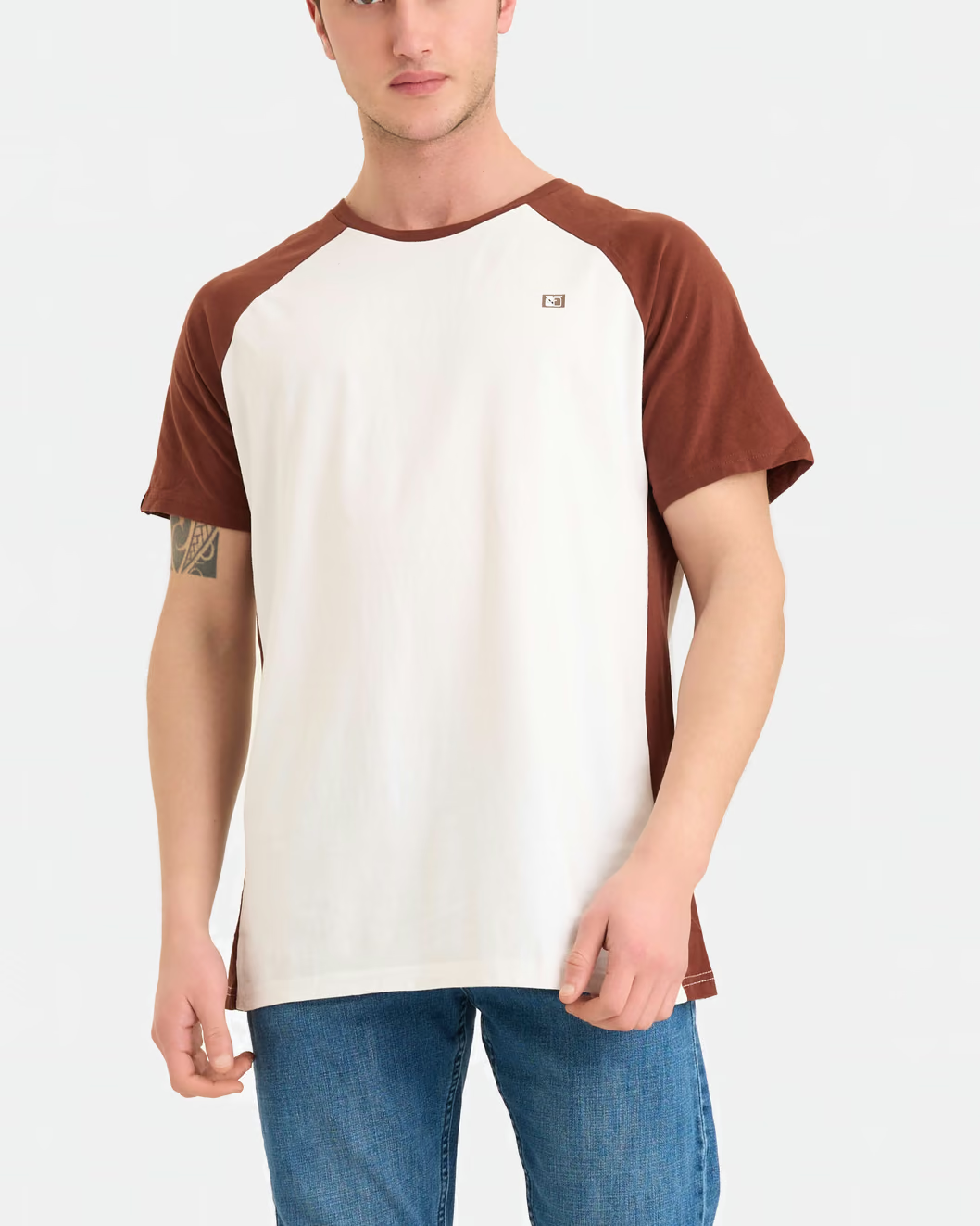
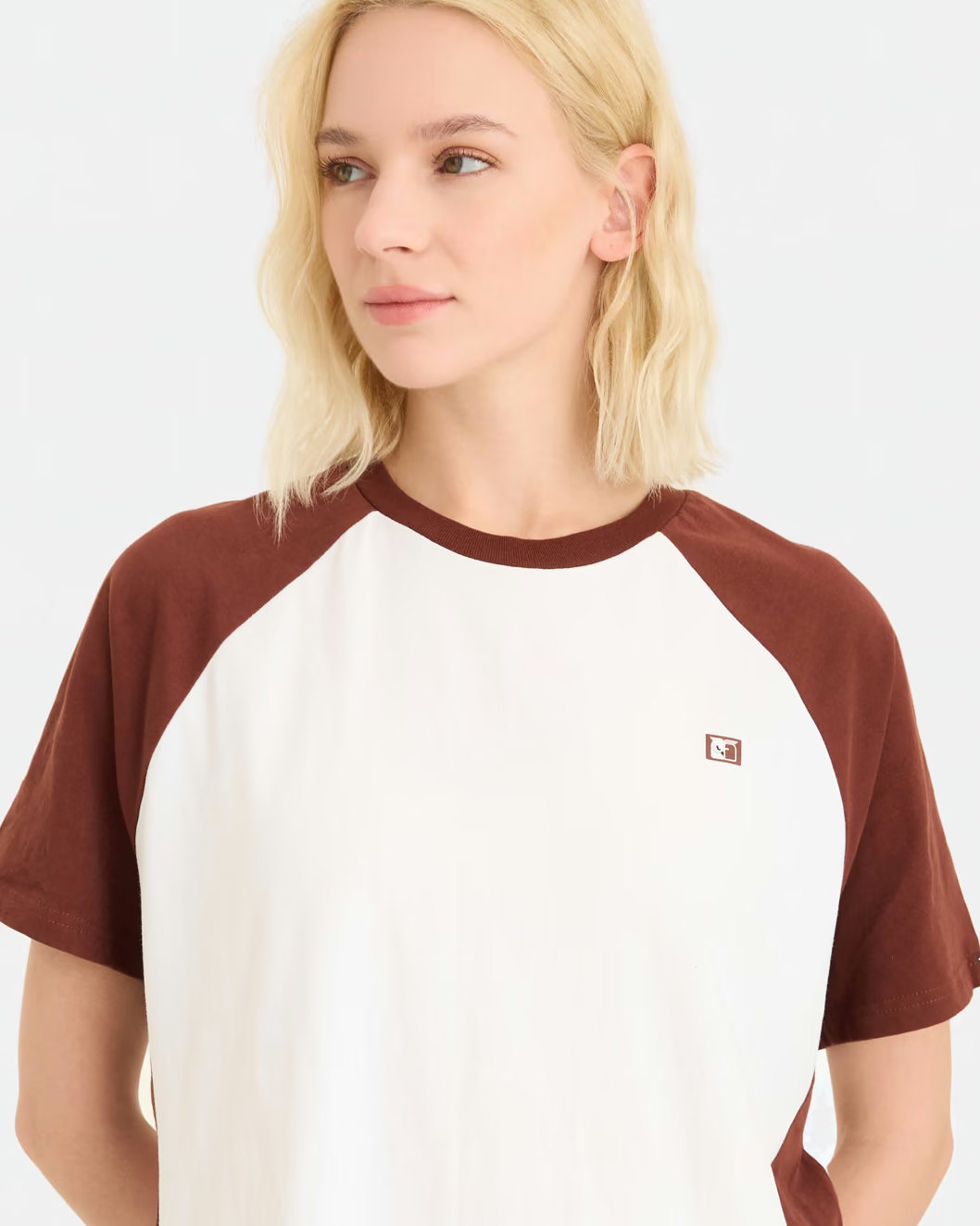
In practice a unisex range is a set of proportions chosen to work acceptably across a broader group than a range developed for one. That usually means a straighter body, wider intervals and a fit intent with more tolerance built in. It is a design strategy with measurable consequences, not a shortcut around defining them.
The same applies to ranges developed for a particular wearer group: the target body dimensions, the proportions, the base size and the intervals may all differ, and those differences come from measurement data and fit strategy rather than from assumption.
Grading, conversion and tolerance are three things
These get used interchangeably in enquiries and they are not interchangeable at all.
| Term | What it is |
|---|---|
| Grading | The deliberate difference between one size and the next, applied by rule across a range |
| Conversion | Mapping one market's size expectations or labels onto another's, which may or may not involve changing the garment |
| Tolerance | The deviation from a target measurement that production is allowed, which is not a size difference at all |
The distinction between the first and the third often catches people out. A four-centimetre step between sizes is intended. A tolerance is the band either side of each target within which a garment still conforms. Confusing them produces specifications where the tolerance is wide enough to blur adjacent sizes into each other, which no amount of careful sewing can rescue.
What to send
Sizing inputs that make a quotation and a sample accurate
Not all of it will exist. Sending what does, and saying what does not, is more useful than sending a size letter.
- The target market and the customer the product is for
- Any existing size chart, with a note of whether it gives body or garment measurements
- The measurement method for each point of measure, or a drawing showing where each is taken
- The base size the specification is written in
- The fit intent, described in words as well as numbers
- Grading rules or increments, if they already exist
- A reference garment, if one exists, and whether its fit is approved or only indicative
- The fabric, and particularly whether it stretches and recovers
- The size labels the range will carry to customers
- Tolerance requirements, if your quality standard sets them
How to turn that into a working document, including the path when a buyer has no chart at all, is covered in building a size chart for production.
Where Voyager fits
For production the reliable starting point is an approved measurement specification rather than a nominal size label. Where a buyer has a chart, we work to it and raise anything ambiguous before sampling. Where a buyer has a reference garment instead, it can be measured and used as the basis for a specification, with the limits of that approach set out in manufacturing from a reference garment. Fit is confirmed on samples before bulk.
Buyer questions
Is clothing size M standardised?
No. M is a nominal designation and each brand decides what measurements it refers to. Two garments both labelled M can be different products, and neither is incorrect. That is why a factory needs measurements rather than a letter, and why a size label alone is not a specification.
What size chart does a clothing manufacturer need?
One that gives points of measure, a measurement for each in every size, a definition of how each is measured, a tolerance and a statement of the intended fit. It should also make clear whether the numbers are body measurements or finished garment measurements, because those are different quantities.
Do the ISO or EN sizing standards tell a factory how big to cut a garment?
No. Both the ISO 8559 series and the EN 13402 series designate sizes using body dimensions in centimetres, so they describe the intended wearer rather than the finished garment. They give consistent measurement definitions and a coherent way to designate sizes; the garment specification is a separate document and remains the brand's decision.
Is size grading the same as size conversion?
No. Grading is the deliberate difference between one size and the next within a range, applied by rule. Conversion is mapping one market's size expectations or labels onto another's. Renaming a size in a label file does not create a properly developed range for a different market.
What does unisex sizing mean for manufacturing?
It describes who the range is offered to, not what it measures. A unisex range still needs a target body basis, a base size, finished garment measurements and grading rules. In practice it usually means straighter proportions, wider intervals and a fit intent with more tolerance designed into it.
Send the chart you have, not the size letter
If it is incomplete, say so. We will tell you which lines are missing before sampling rather than making assumptions and discovering them in a fit comment.
Start a project