

Promotional Textiles Manufacturer for Distributors: Own-Brand T-Shirts, Polos, Sweatshirts and Hoodies Made in Turkey
Voyager Textile manufactures promotional textiles in its own factory in Türkiye for promotional products distributors, print and embroidery shops and agencies: T-shirts, polos, sweatshirts and hoodies made to your specification as your own blank range, decorated or undecorated. The minimum is 300 pieces per colour and per style, a sample takes 5-7 business days, and nothing is sold from stock.
Last reviewed:
Contents
- Who this is for: distributors, decorators and agencies
- Own-spec blanks: your own blank range, made to order
- The promotional range: T-shirts, polos, sweatshirts and hoodies
- Decoration by fabric
- Shrinkage, twisting and colourfastness: the tests to specify
- Your colour card and custom Pantone colours
- Labels, barcodes and cartons for resale
- Range continuity and repeat orders
- Quoting your client: sample time and print approval
- Questions this raises
Voyager Textile is a direct manufacturer of promotional apparel with its own factory in Türkiye. We make T-shirts, polos, sweatshirts and hoodies for promotional products distributors, for decorators who print or embroider for their own clients, and for agencies running campaigns. The minimum is 300 pieces per colour and per style, sizes split inside the 300, and a sample takes 5-7 business days. Every garment is made to order to the distributor's specification; there is no stock range.
Who this is for: distributors, decorators and agencies
Promotional products distributors can build a garment range to their own specification. Print and embroidery shops can define a base garment for repeat orders, while agencies can specify colours for a client's campaign. In this arrangement, the distributor, decorator or agency remains the supplier to the end client, and we manufacture the garments.
Own-spec blanks: your own blank range, made to order
An own-spec blank is an undecorated garment made to your specification: your fabric and weight, your fit, your colour card and your labels, produced to order from 300 pieces per colour and per style. We do not sell blank T-shirts or any other garment from stock, and we have no ready-made styles to relabel.
- Your brand or unbranded. Your own brand label, or unbranded production to your design (white label). The label format is specified per project. Mandatory product information is still required on unbranded garments.
- Decorated or plain. You decorate the blanks yourself, or the decoration is applied here before packing.
- A fixed specification. Fabric, weight, pattern and colour standards are kept on file, so reorders can be checked against the approved references.
When a catalogue blank is still the better choice, and how to move a client from blanks to custom, is covered in custom apparel vs branded blanks. The difference between private label, white label, OEM and ODM is in OEM, ODM, private label and white label.
The promotional range: T-shirts, polos, sweatshirts and hoodies
The promotional section of each product page covers the fabric, weight and decoration that suit promotional use for that garment:
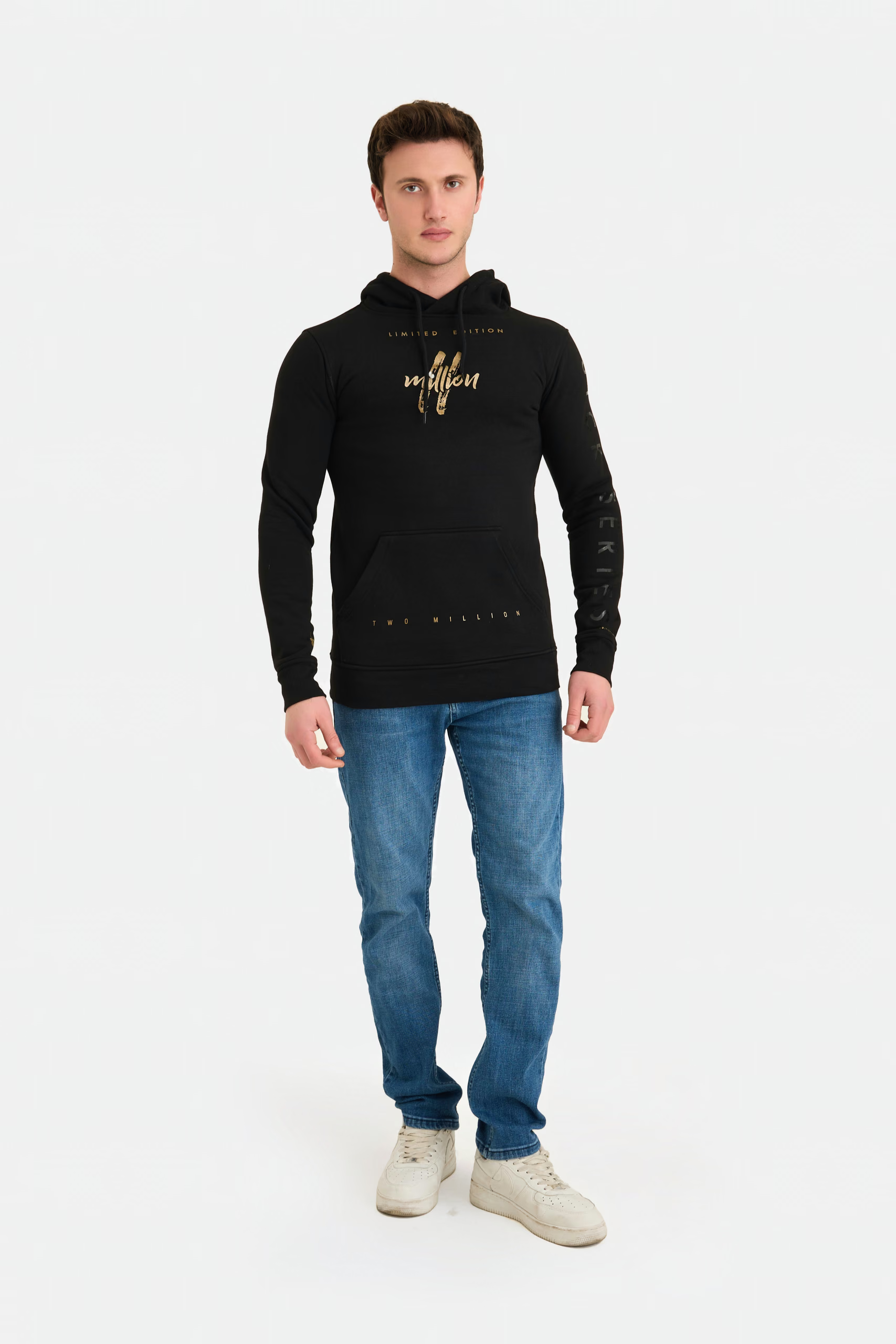
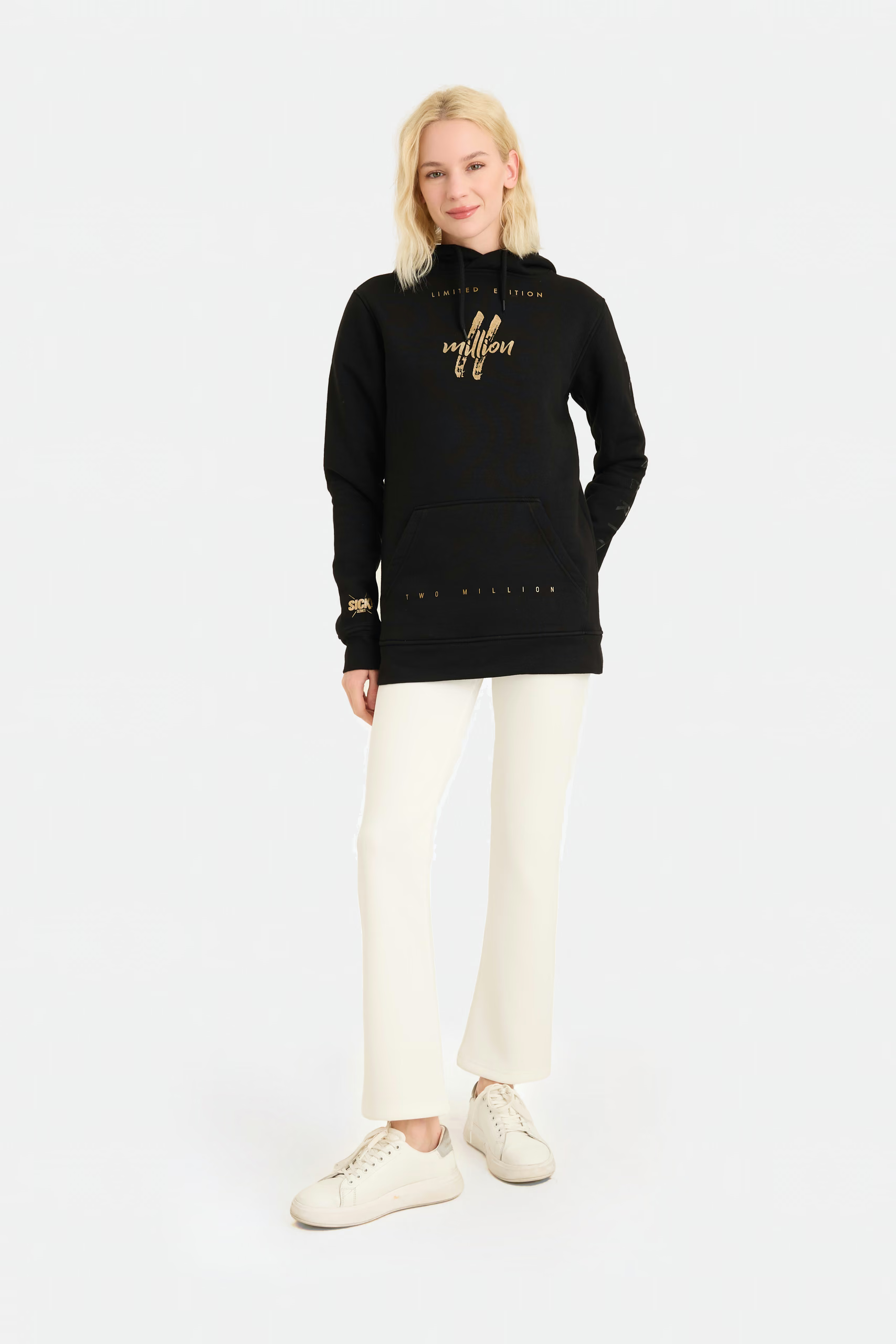
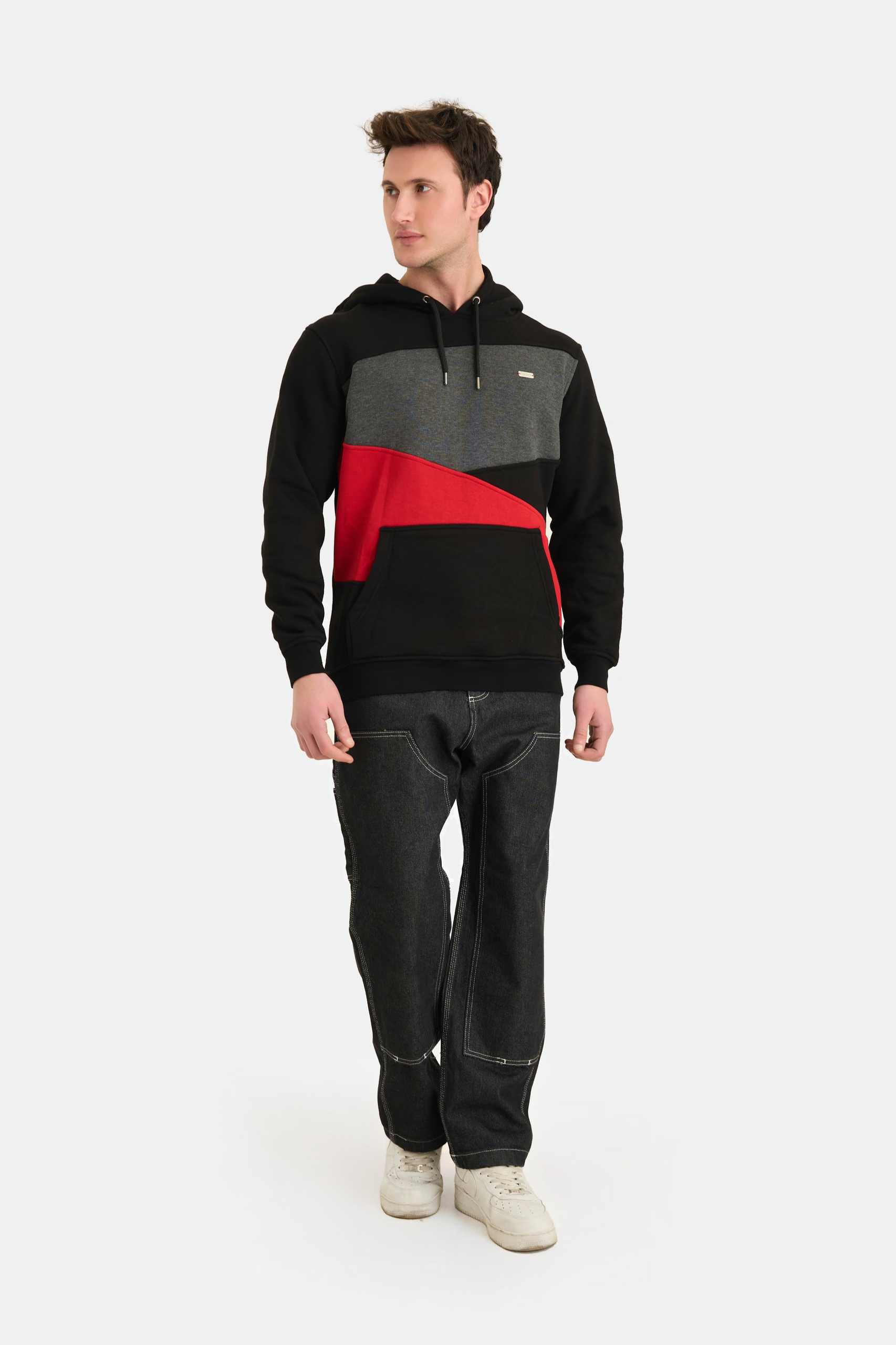
Promotional garments from previous production
Made to each customer's specification. None of these is held in stock.
Decoration by fabric
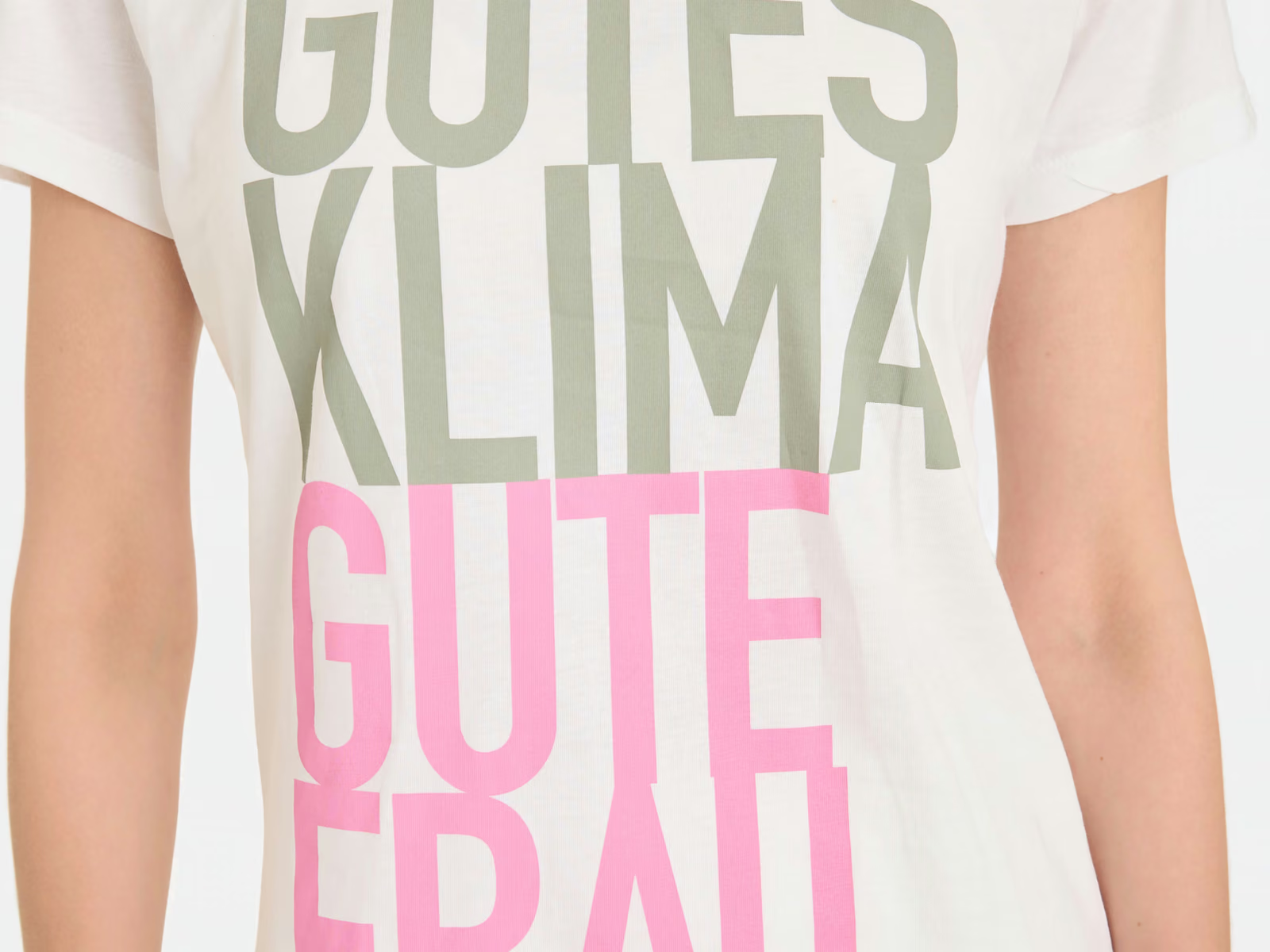
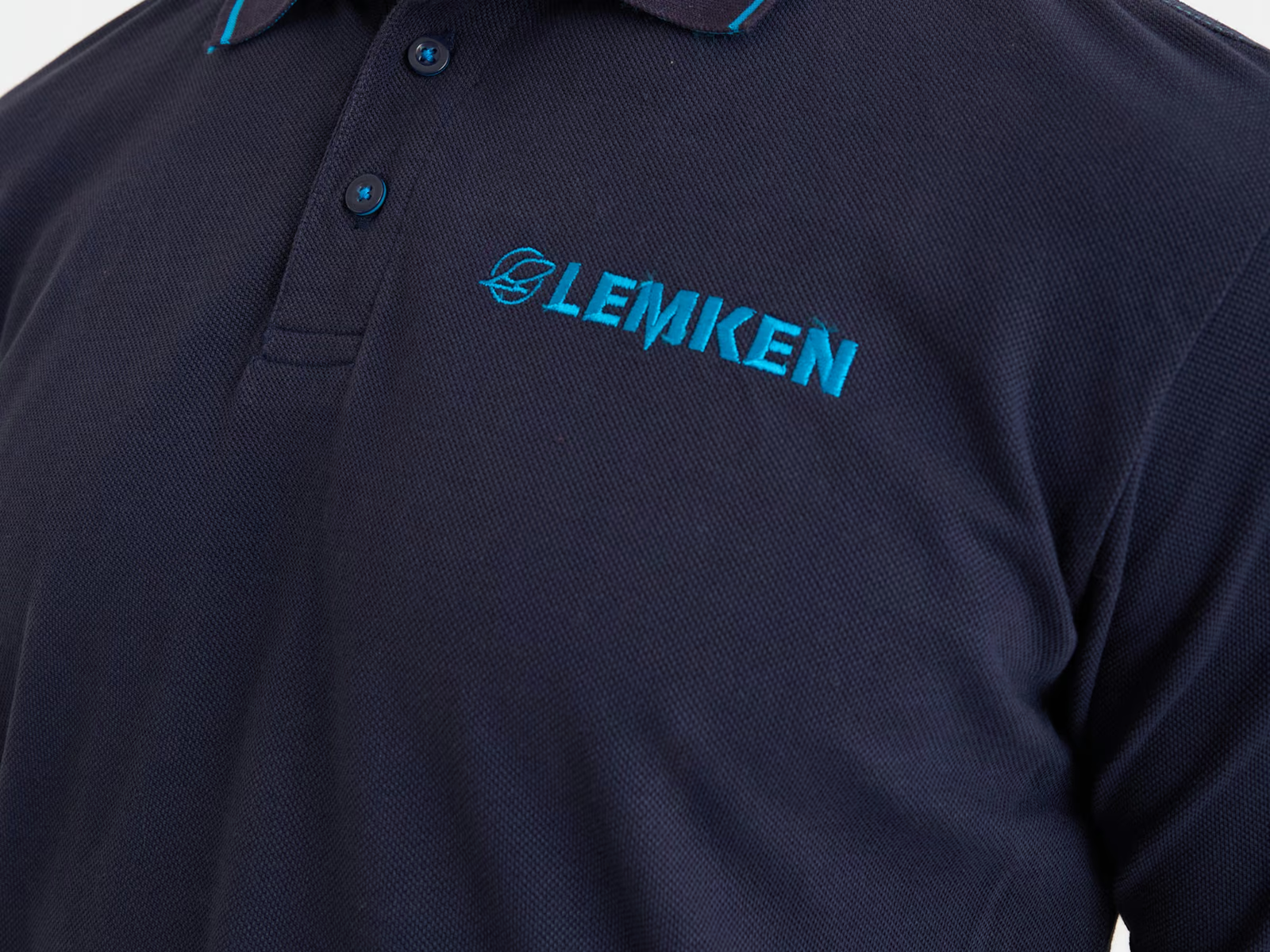
Choose the decoration method to suit both the fabric and the artwork. Transfer printing, embroidery and sublimation run in our factory; screen printing runs with a partner facility.
| Method | Where it runs | Fabrics | Typical promotional use |
|---|---|---|---|
| Screen printing | Partner facility | Cotton and cotton-rich jersey, fleece | One- or two-colour logo on a long run of tees |
| Transfer printing | Our factory | Cotton, polyester and blends | Many-colour logos, or several client logos on one base garment |
| Embroidery | Our factory | Piqué, fleece, heavier jersey | Chest logo on polos and sweatshirts |
| Sublimation | Our factory | Polyester-based fabrics in white or light colours only | Full-colour designs on sports and event tees |
Screen and transfer printing generally benefit from a smooth jersey face. Ring spinning can produce fine yarn counts and a soft hand, but yarn fineness depends on the specified count, not the spinning method alone; see single jersey. The full comparison of methods is in screen printing vs DTF vs DTG vs embroidery, and sublimation's limits are in all-over sublimation.
Shrinkage, twisting and colourfastness: the tests to specify
A promotional garment that shrinks, twists or loses colour after the first wash reflects on the distributor's client, so these are the tests worth writing into the specification. Washing and drying follow ISO 6330, dimensional change is measured to ISO 5077, and garment spirality after laundering to ISO 16322-3. Colourfastness is tested to washing (ISO 105-C06), perspiration (ISO 105-E04) and rubbing (ISO 105-X12). These are tests a buyer can specify and have run on production fabric or finished garments, as required by the test method; the causes of each failure are on T-shirt twisting, measurement change after washing and colourfastness.
Your colour card and custom Pantone colours
A promotional range usually has a base colour card: white, black, navy, grey and a handful of brights that cover most client requests. Each colour on the card is a line of 300 pieces per style, so a T-shirt in five colours is five lines of 300. A client colour matched to Pantone has the same 300-piece minimum; polyester-based fabrics are assessed separately. For short campaigns, a close card colour with the exact brand colour carried by the print or thread is often the practical answer, as explained in Pantone colour matching.
Labels, barcodes and cartons for resale
Garments a distributor resells need labels and marks that fit the distributor's warehouse and the client's market. Fibre composition labels follow the country of sale: in the EU, Regulation (EU) No 1007/2011 (see EU apparel labelling); in the US, the rules in US apparel labelling and import. GTIN or EAN barcodes on the bag and carton marks are specified with the order, as set out in GTIN, SSCC and logistics labels. Production for EU customers runs in line with REACH, which is an EU framework rather than a certificate; see REACH restricted substances. Certified materials (OEKO-TEX, GOTS, GRS) can be sourced where specified, subject to availability and certificate scope; a material certificate alone does not establish certification of the factory or finished garment (certified apparel materials). Neutral shipping, with no reference to Voyager on labels, cartons or documents, is confirmed per project at the quotation stage.
Range continuity and repeat orders
We keep the approved samples, patterns, colour standards and packing instructions on file, so each repeat order is made and checked against the same references. Each repeat order is a new production run and meets the minimum of 300 per colour and per style again. Where a distributor can forecast a season's volume per colour, booking fabric for several deliveries is confirmed per project at the quotation stage. How to keep colour, fit and labels from drifting between runs is in reorder consistency, and why shade can move between dye lots is in dye lot shade variation.
Quoting your client: sample time and print approval
Between Voyager and the end client sits your own quotation, so give your client dates that include every step: the garment sample takes 5-7 business days, the decoration is approved on that sample, and bulk production typically takes 4-5 weeks after sample approval, with shipping on top. Colours and quantities per colour must be fixed before bulk production, since each colour is its own 300. What a complete request contains is in how to write an apparel RFQ, and how to plan a campaign date backwards is in apparel production lead times. What changes the unit cost is explained in the cost guide.
Questions this raises
What is the minimum for custom promotional textiles?
The minimum for custom promotional textiles is 300 pieces per colour and per style, including custom Pantone colours and sublimated garments. Sizes can be split inside the 300. Polyester-based Pantone colours are assessed separately.
How long does it take to make custom promotional textiles?
Custom promotional textiles take 5-7 business days for the sample, and typically 4-5 weeks for bulk production after sample approval. Colour development, your client's approval and shipping come on top.
Can you make promotional textiles to our own design and label?
Yes. Promotional textiles are made to your own design and specification, with your label or unbranded, and packed to your instructions. There are no ready-made styles; the catalogue shows previous production, not stock.
Do you sell blank T-shirts from stock?
No, we do not sell blank T-shirts from stock. We make own-spec blanks to order: your fabric, weight, fit, colours and labels, from 300 pieces per colour and per style, delivered undecorated or decorated.
When should we order promotional textiles for a campaign?
Order promotional textiles for a campaign once colours and quantities per colour are fixed. Allow for colour development, a 5-7 business-day sample, your client's approval, typically 4-5 weeks of bulk production after sample approval, and transport before the campaign starts.
Can you ship promotional apparel without your name on it?
Promotional apparel can be made unbranded or under your label. Neutral shipping, with no reference to Voyager on cartons or documents, is confirmed per project at the quotation stage.
Building your own promotional range?
Send the garments, fabrics and colour card you have in mind, with the quantities per colour. We usually reply within one business day.
Start an RFQContinue with
- Jacket Manufacturer in Turkey: Softshell, Puffer, Fleece, Windbreaker and Bomber Jackets
- Tracksuit Manufacturer in Turkey: Track Jackets, Fleece Sets and Windbreaker Sets
- Hotel and Corporate Uniforms from Turkey for GCC Buyers
- Private Label Workwear Manufacturer in Turkey: Work Trousers, Jackets and Polos for Brands, Distributors and Company Programmes
- Medical Scrubs Manufacturer in Turkey: Private-Label Scrub Sets
- Shorts Manufacturer in Turkey: Sweat, Sports, Work and Woven Shorts Made to Your Design
- Sublimated Teamwear Manufacturer in Turkey: Football Kits, Training Wear and Club Programmes
- Private Label Activewear and Leggings Manufacturer in Turkey
- Polo Shirt Manufacturer in Turkey: Piqué, Corporate and Private-Label Polos
- Hoodie and Sweatshirt Manufacturer in Turkey: Heavyweight, Oversized and Zip Hoodies
- T-Shirt Manufacturer in Turkey: Regular, Heavyweight and Oversized T-Shirts
- Corporate Clothing Manufacturer: Corporate Fashion Collections Made in Turkey in Your Brand Colours
- Custom Merch Manufacturer in Turkey: Cut-and-Sew Hoodies, Sweatshirts, T-Shirts and Shorts for Brands, Artists and Companies
- Full-package vs CMT apparel manufacturing
- Manufacturing clothing from a reference garment