Branding and decoration
All-Over Sublimation Printing for Custom Apparel
All-over sublimation can print polyester fabric or panels before assembly for edge-to-edge designs. Seam matching still requires planned artwork and agreed tolerances. The dye enters the fibre rather than forming a surface film. At Voyager Textile, the minimum is 300 pieces per colour and per style.
Contents
- How the production process actually runs
- Why the fabric has to be polyester and light
- Where sublimation is the right choice
- Where it is the wrong choice
- Artwork requirements
- Seam alignment: expectations worth setting
- Sizes are printed, not scaled
- The same minimum as other custom apparel
- Durability and care
- What Voyager Textile produces this way
- Questions buyers ask
With conventional dye sublimation, heat transfers dye into compatible polyester fibres rather than adding a surface film. The fabric can retain a soft feel, but assess the actual material after printing because heat and finishing can affect it. Other textile-printing methods can also colour fibres.
How the production process actually runs
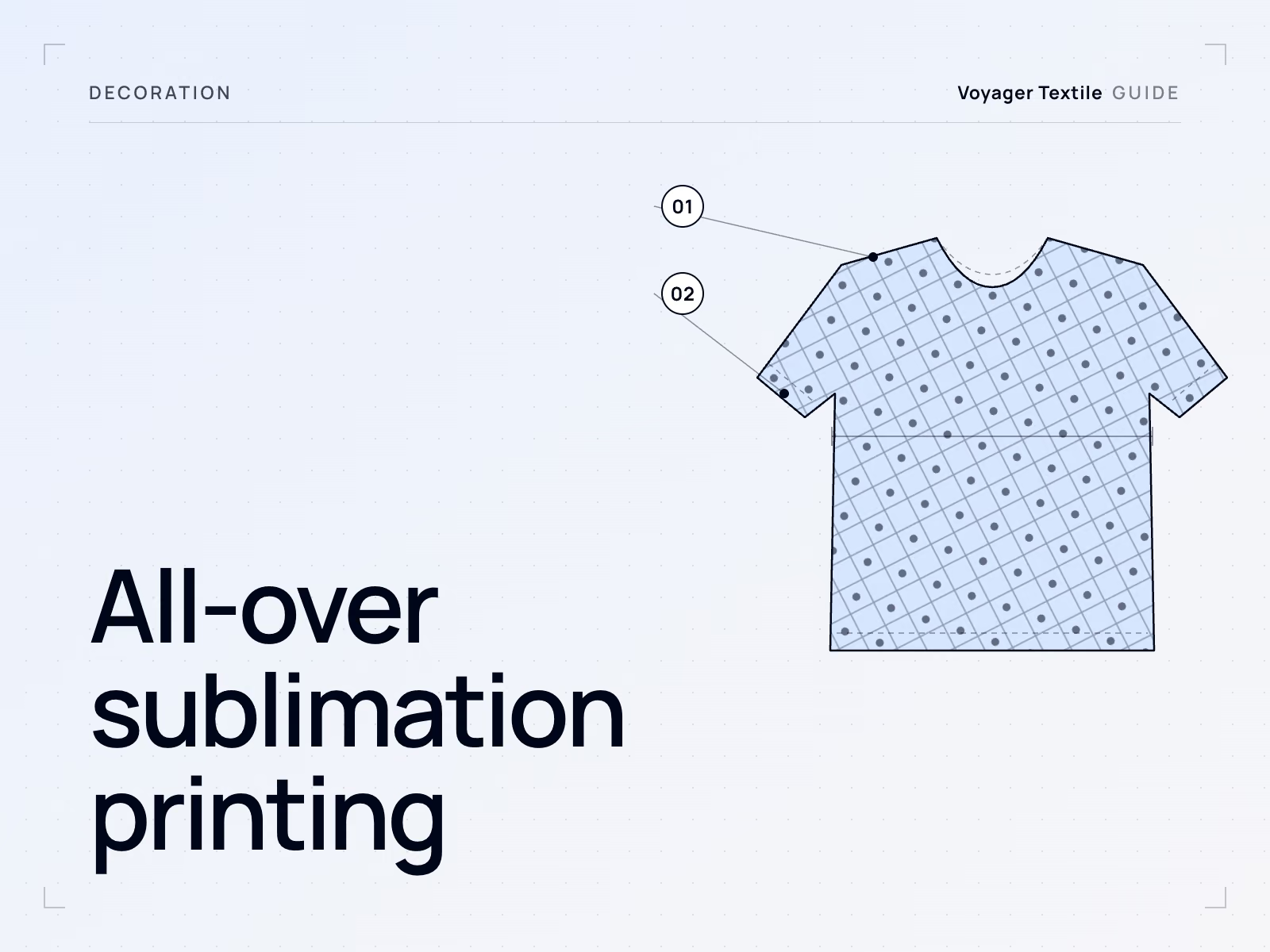
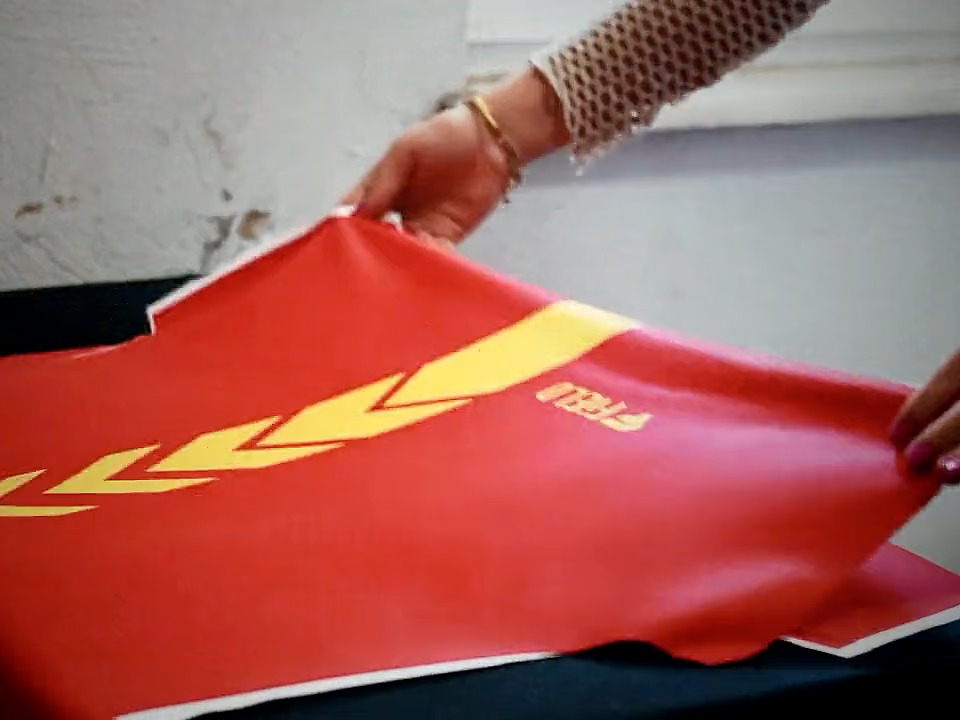
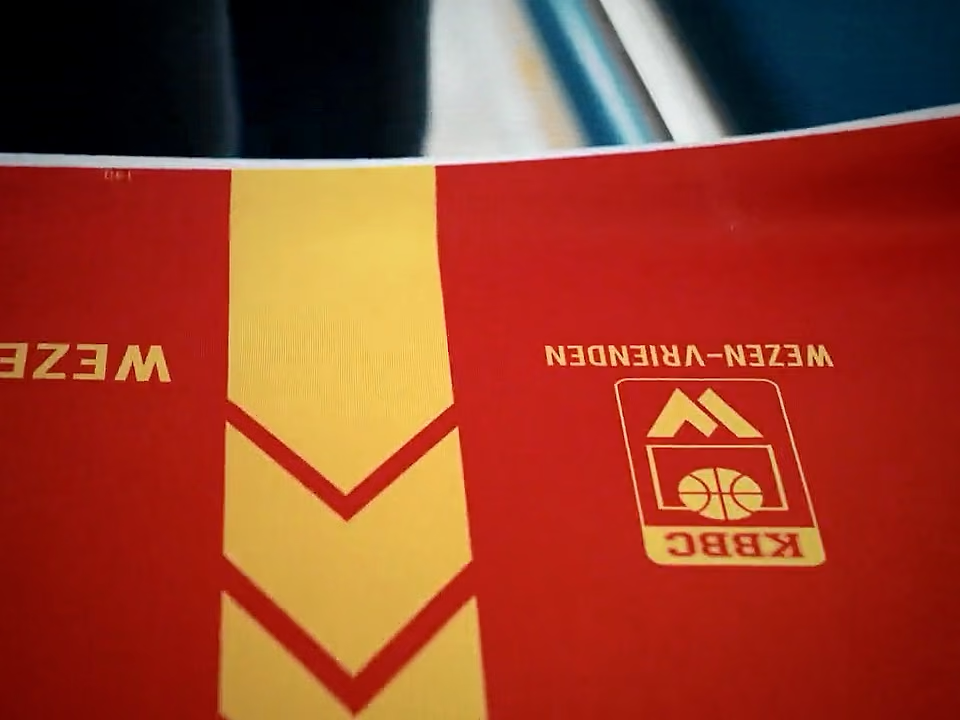
- Artwork is built to the pattern. The design is laid out across the individual garment panels, including seam allowances, so the pattern continues correctly when the pieces are joined.
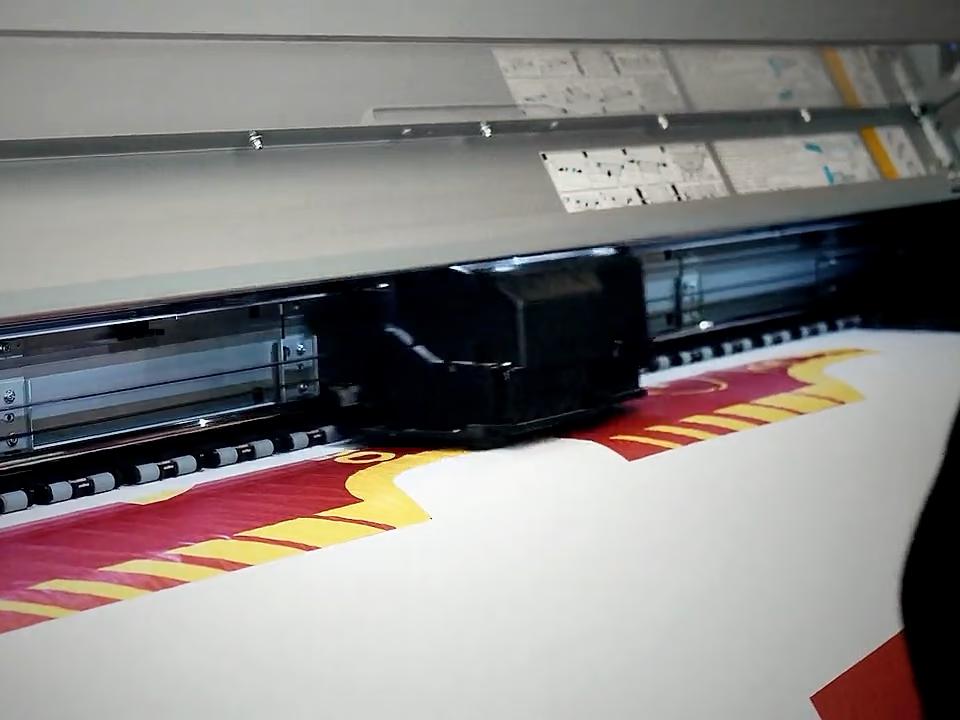
- The design is printed onto transfer paper with sublimation inks.
- Paper and fabric pass through a heat press. The dye transfers into the polyester fibres.
- Panels are cut from the printed fabric.
- The garment is sewn from the printed panels.
- Finishing, quality control and packing follow the same route as any other production.
The cut-and-sew route described here prints the fabric before cutting and assembly, so it must be planned early. Sublimation can also be applied to suitable finished garments, but seams and folds can limit coverage and consistency.
Why the fabric has to be polyester and light
Sublimation dye bonds with polyester. On cotton, the colour will not hold, which is why sublimated products are polyester based, sometimes in blends where a lower polyester content produces a softer, faded appearance rather than full saturation.
The dye is also transparent, so it can only add colour, never remove it. There is no white sublimation ink. Anything that should appear white in the design must be the fabric itself, which is why sublimation is printed onto white or very light fabric. On a coloured base, every printed colour would be affected by the ground beneath it. See the composition guide for how fibre choice affects other decoration methods.
Where sublimation is the right choice
- Full-coverage designs. Patterns, photographs, gradients or graphics that run to the edge of the garment.
- Designs that cross seams. Printing fabric or panels before assembly supports continuous graphics, with seam matching planned and checked on a sample.
- Sportswear and teamwear. Kits with player names and numbers, sponsor logos and complex colour blocking, without the weight of layered prints.
- Products worn during physical activity. Sublimation adds no continuous print film, but moisture movement and comfort still depend on fabric construction, finish and the complete garment.
- Complex multi-colour artwork. No separate screen is needed for each colour; cost still depends on artwork preparation, coverage, fabric and production requirements.
- Individualised production. Names and numbers per piece can be built into the artwork rather than applied afterwards.
Where it is the wrong choice
- Cotton products, where the process does not work.
- Dark or richly coloured garments where the design must sit on top of the colour.
- Designs requiring true white elements on a coloured ground.
- Effects outside the selected ink system, such as a metallic surface. Fluorescent sublimation inks exist, but availability and colour performance must be confirmed for the proposed process.
- Simple one-colour logos on standard garments may be more economical with another method; compare quotations for the actual design and quantity.
For those cases, compare methods in the decoration guide.
Artwork requirements
Sublimation artwork is not a single image placed on a garment mock-up. It is a set of files built to the actual pattern pieces at full size, a process set out in sublimation artwork preparation.
| Requirement | Why it matters |
|---|---|
| Full-size artwork at production scale | The design is printed at the real dimensions of the panels, so low-resolution files show visibly |
| Extra image beyond the panel edge | Cutting has a small tolerance, so the design must extend past the cut line to avoid unprinted edges |
| Seam allowance accounted for | Part of the printed area is consumed by the seam, so alignment must be planned rather than assumed |
| Colour references rather than screen colours | Sublimation colour is affected by ink, paper, fabric and heat, so critical colours need a printed strike-off |
| Safe margins for critical elements | Logos and text placed too close to a seam can be distorted or partially lost in assembly |
| Layered, editable files where possible | Names, numbers and size-specific adjustments are easier to apply from a structured file |
General file preparation for all decoration methods is covered in the artwork guide.
Seam alignment: expectations worth setting
A design that continues across a seam can be matched closely, but not perfectly on every piece. Fabric moves during printing, cutting and sewing, and each stage carries a small tolerance that accumulates.
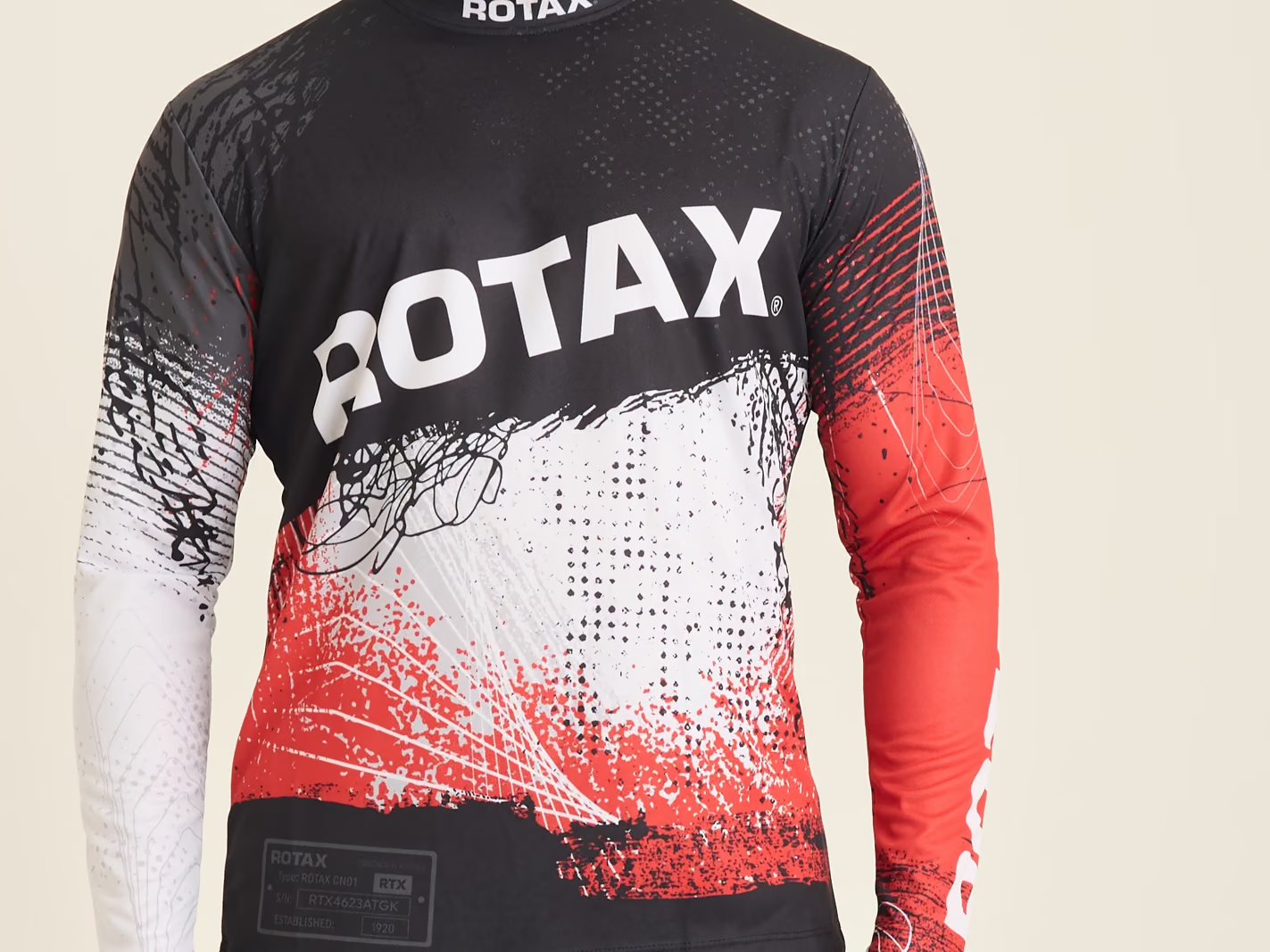
Two practical consequences. Bold, continuous patterns tolerate small misalignment well, while a thin horizontal stripe crossing a side seam shows every millimetre. And critical elements such as a sponsor logo should be positioned away from a seam wherever the design allows. Discuss alignment tolerance with the factory during sampling and agree what is acceptable before bulk, as part of the quality standard.
Sizes are printed, not scaled
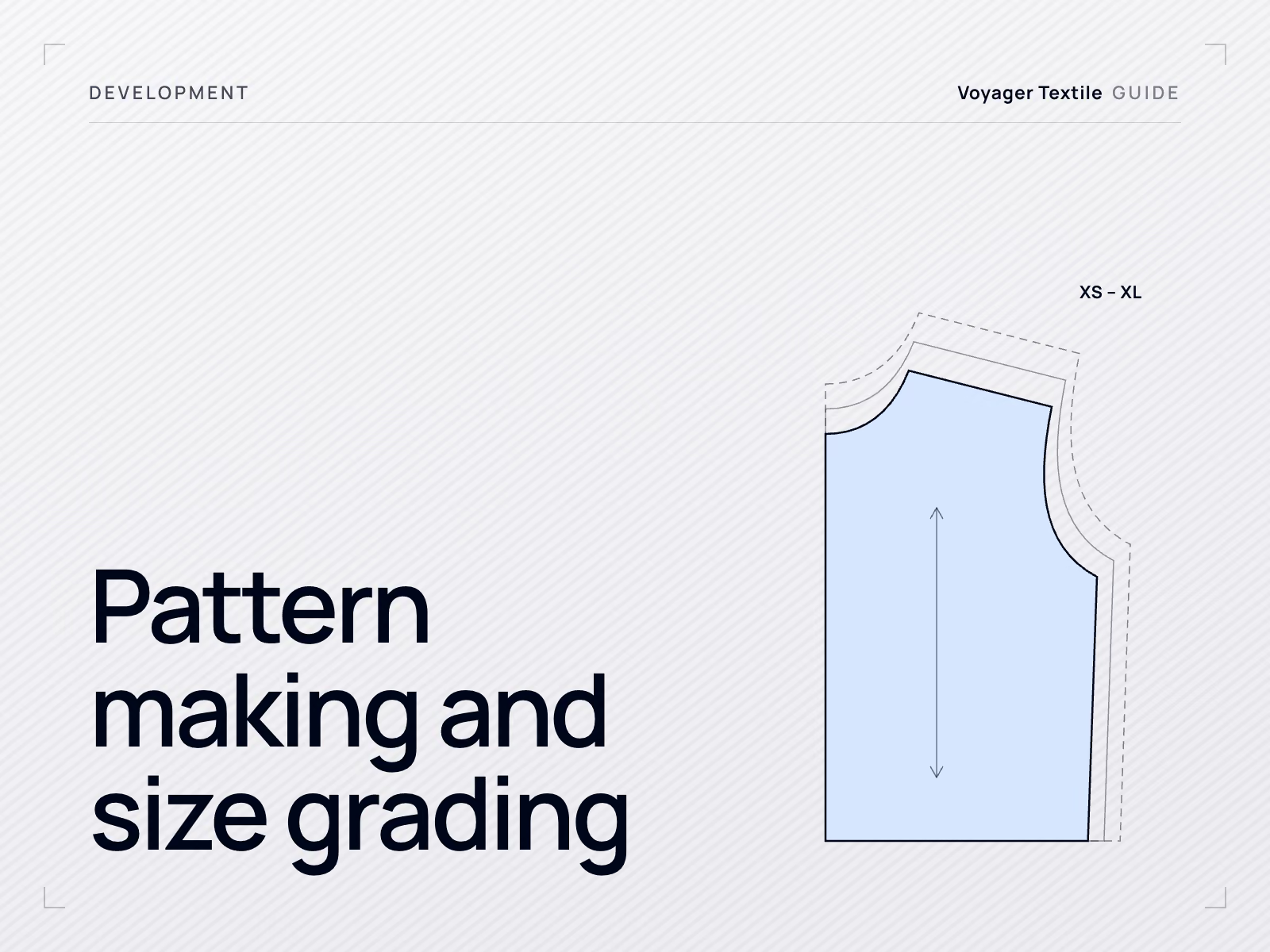
Because each size has different pattern pieces, all-over artwork has to be prepared for each size rather than printed once and cut differently. A design that looks balanced on a medium can appear stretched or cropped on an extra large if the artwork is simply scaled.
This is normal production work, but it is worth knowing when you plan artwork: allow time for the layout to be prepared per size, and check the largest and smallest sizes rather than only the sample size. See the grading guide.
The same minimum as other custom apparel
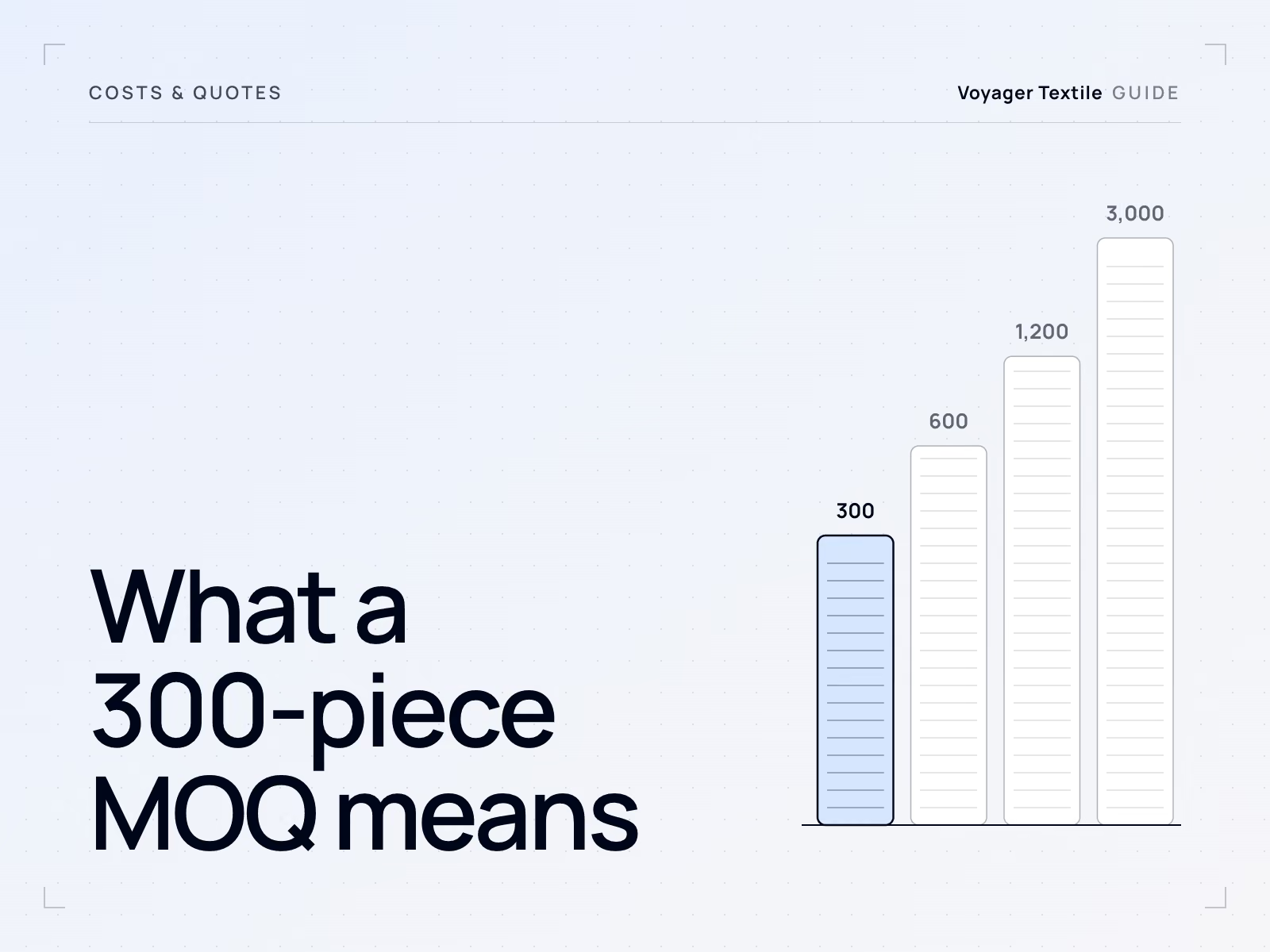
All-over sublimation at Voyager Textile starts at 300 pieces per colour and per style, with sizes split within it. Using a white base can avoid a separate custom-dyeing step, but base-fabric lots and print conditions can still affect shade. Confirm the approved reference and consistency across production.
Sublimation does not need a separate screen for each colour. A ten-colour design and a two-colour design can use the same printing route, but coverage, preparation and production settings can still affect cost. See the MOQ guide for how minimums are built.
Durability and care
A conventional sublimated print has no surface film to crack or peel, but colourfastness depends on the ink, fabric, transfer conditions and exposure in use. Fading is not automatically normal or unrelated to print quality. Agree washing, light and perspiration tests appropriate to the product. Initial shade differences are covered in colour change on polyester.
What Voyager Textile produces this way
Sublimation printing runs in-house on our own machinery, and is used across polyester-based sportswear, teamwear and racing products, as well as towels, scarves and promotional textiles. The production sequence for a specific product is set out in the sublimated sports jersey process. Previously produced examples are in the reference catalogue, including sportswear and teamwear references and racing products.
Questions buyers ask
What is the minimum order for all-over sublimation?
At Voyager Textile, 300 pieces per colour and per style, the same as for other custom apparel. Sizes can be split within the 300.
Can you sublimate onto cotton?
No. Sublimation dye bonds with polyester fibres. On cotton the colour does not hold, which is why all-over sublimated products are polyester based. Cotton-rich blends produce a faded, washed appearance rather than a saturated print.
Can a design print across seams?
Yes, and that is the main reason to choose all-over sublimation. The panels are printed before assembly, so the design continues across seams. Matching is close but not perfect on every piece, so keep critical elements such as logos away from seams.
Can you sublimate white elements onto a coloured garment?
No. Sublimation ink is transparent and there is no white ink, so anything intended to be white must be the fabric itself. This is why sublimation is printed onto white or very light polyester fabric.
Does sublimation printing crack or peel?
Conventional sublimation has no surface film to crack or peel. Colour can still fade or change, depending on ink, fabric, transfer conditions and care. Assess colourfastness against the agreed requirements rather than assuming any fading is normal.
What files do you need for a sublimation order?
Full-size artwork built to the pattern panels with image extending beyond the cut line, seam allowances accounted for, and layered editable files where possible. Colour should be confirmed on a printed strike-off rather than from a screen.
Is sublimation cheaper than screen printing?
Compare quotes for the actual fabric, design, quantity and production route. Sublimation avoids a separate screen for every colour, but that does not guarantee the lowest total cost. Printing suitable finished garments and printing fabric before assembly have different requirements.
Send the artwork and we will assess the layout
For a sublimated product we review the design against the pattern panels, flag anything sitting too close to a seam and produce a printed sample before bulk. Production starts at 300 pieces per colour and per style.
Discuss a sublimation project