Fabric and colour
How Pantone Colour Matching Works in Apparel Manufacturing
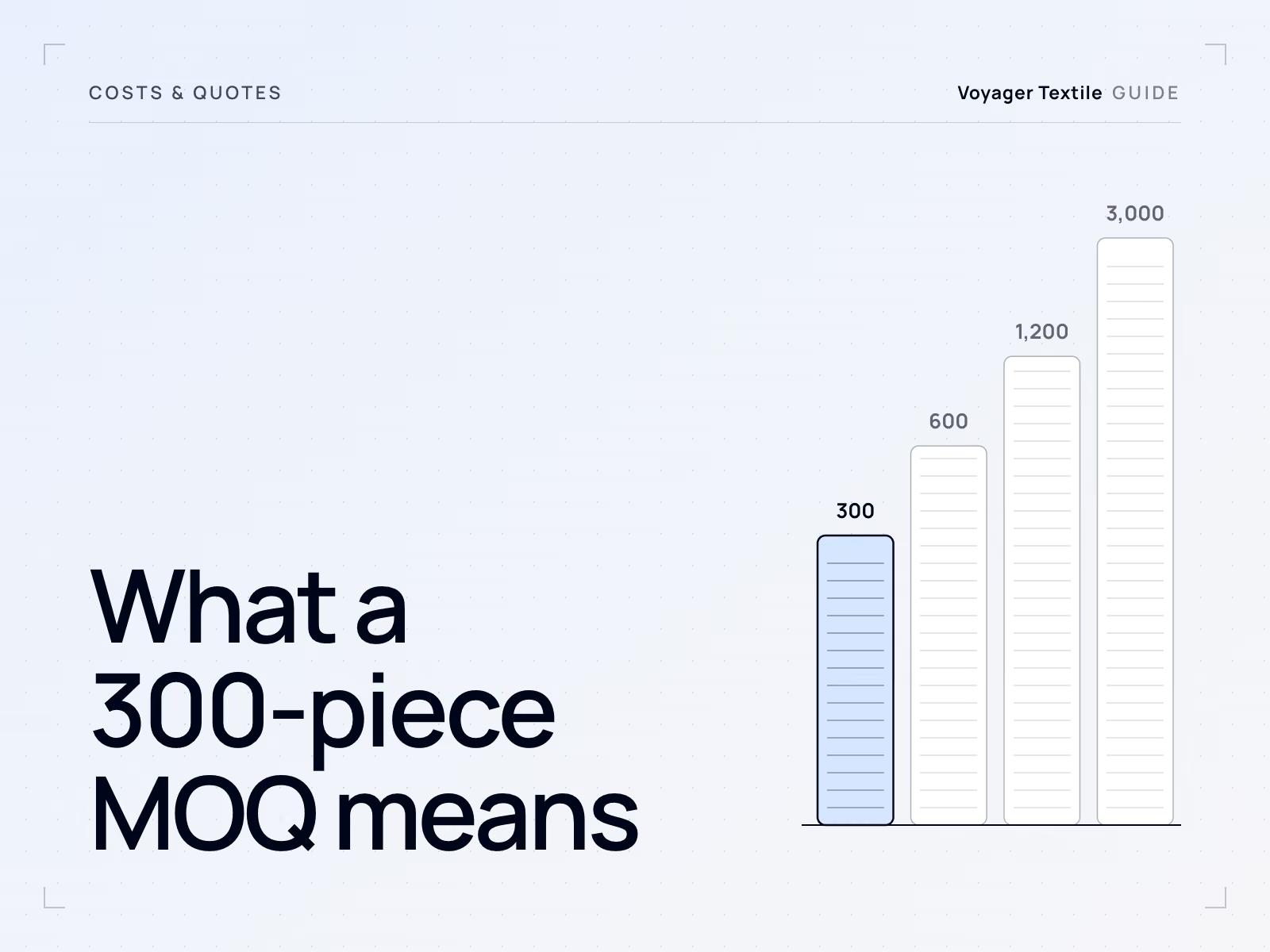
Lab dips are small dyed fabric samples developed against an agreed colour target before bulk dyeing. Record the approved sample, target, tolerance and assessment method, including any accepted difference from the Pantone reference. At Voyager Textile, custom colour starts at 300 pieces per colour and per style; polyester-based fabrics are assessed separately.
Contents
- Specify the right Pantone system
- How the lab dip process works
- Why the same colour looks different in different light
- Fibre decides what is achievable
- The same colour on different fabrics will not match exactly
- Dye lots, tolerance and reorders
- Corporate colours: matching brand colours across corporate wear, workwear and promotional textiles
- Colour that survives use, not just inspection
- Stock colour or custom colour
- Questions buyers ask
A Pantone number is a starting instruction, not a finished colour. Dye behaves differently on cotton and polyester, colour shifts under different lighting, and every dyeing is a batch process with its own small variation. Colour matching in apparel is the process of turning a reference into an approved physical standard, and then holding production to it.
Specify the right Pantone system
Pantone publishes several colour systems for different industries, and using the wrong one causes avoidable confusion. Systems intended for graphic printing, identified by codes such as C for coated and U for uncoated paper, describe ink on paper. Textile systems, such as the TCX references supplied on cotton, describe colour on fabric and are what a dye house works to.
If your brand colour is defined for print, discuss an achievable textile match. Supply the reference and its system, plus a current physical swatch or approved garment where available. Confirm which reference governs and whether any difference is accepted.
How the lab dip process works
- You supply the Pantone reference, and ideally a physical swatch, along with the fabric the colour will be dyed on.
- The dye house prepares lab dips on the intended fabric. Agree how many alternatives are submitted and how corrections will be communicated.
- Review the physical lab dips under agreed conditions, or use an agreed instrumental colour-data workflow. A video call alone is not a reliable colour reference.
- You approve one, approve one with a stated correction, or reject and ask for a resubmission.
- The approved lab dip becomes the colour standard for the order.
- Check bulk fabric against the agreed colour standard and tolerance, including any documented relationship to the original Pantone reference.
Each resubmission round takes time, so lab dips belong early in the project calendar rather than at the end. See the lead time guide for how colour development sits in the overall schedule.
Why the same colour looks different in different light
Two fabrics can match under one light source and differ under another. This effect, called metamerism, is a genuine physical phenomenon rather than an excuse, and it is why colour is assessed in a light box under specified conditions rather than on a desk.
Agree lighting and viewing conditions, including light sources relevant to the product. Ordinary photos and uncalibrated screens are not reliable approval references. Use controlled visual assessment and, where agreed, instrumental measurements with defined settings and tolerances.
Fibre decides what is achievable
| Fibre | How colour is applied | Practical consequence |
|---|---|---|
| Cotton and other cellulosic fibres | Typically dyed with reactive dyes | Wide shade range and good depth; very bright fluorescent shades are difficult |
| Polyester | Typically dyed with disperse dyes, or coloured by sublimation printing | Bright and fluorescent shades are achievable; assessed separately from cotton programmes |
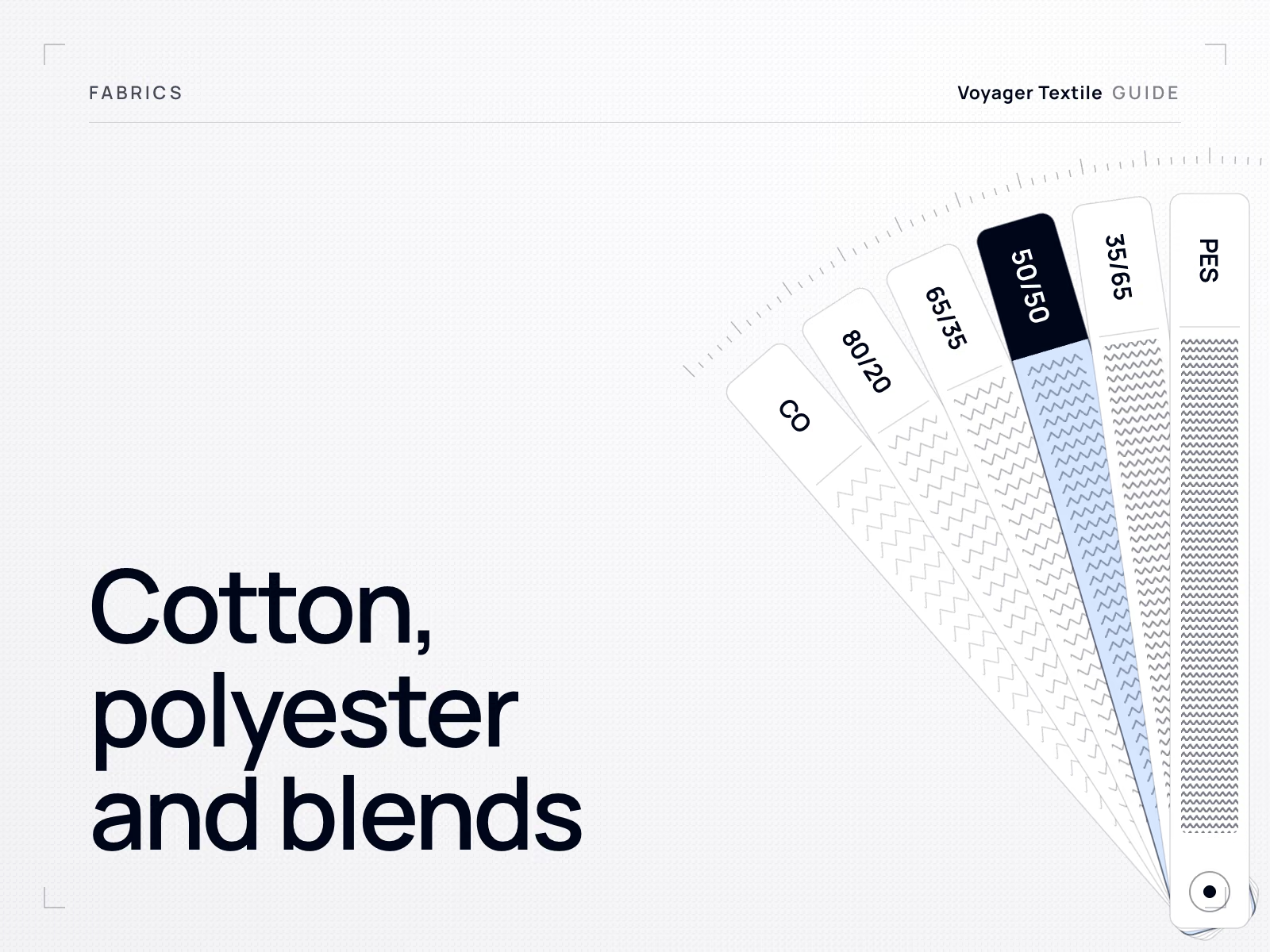
| Blends | Each fibre takes dye differently, so more than one process may be needed | Solid shades are harder and can appear slightly heathered; approve a lab dip on the actual blend |
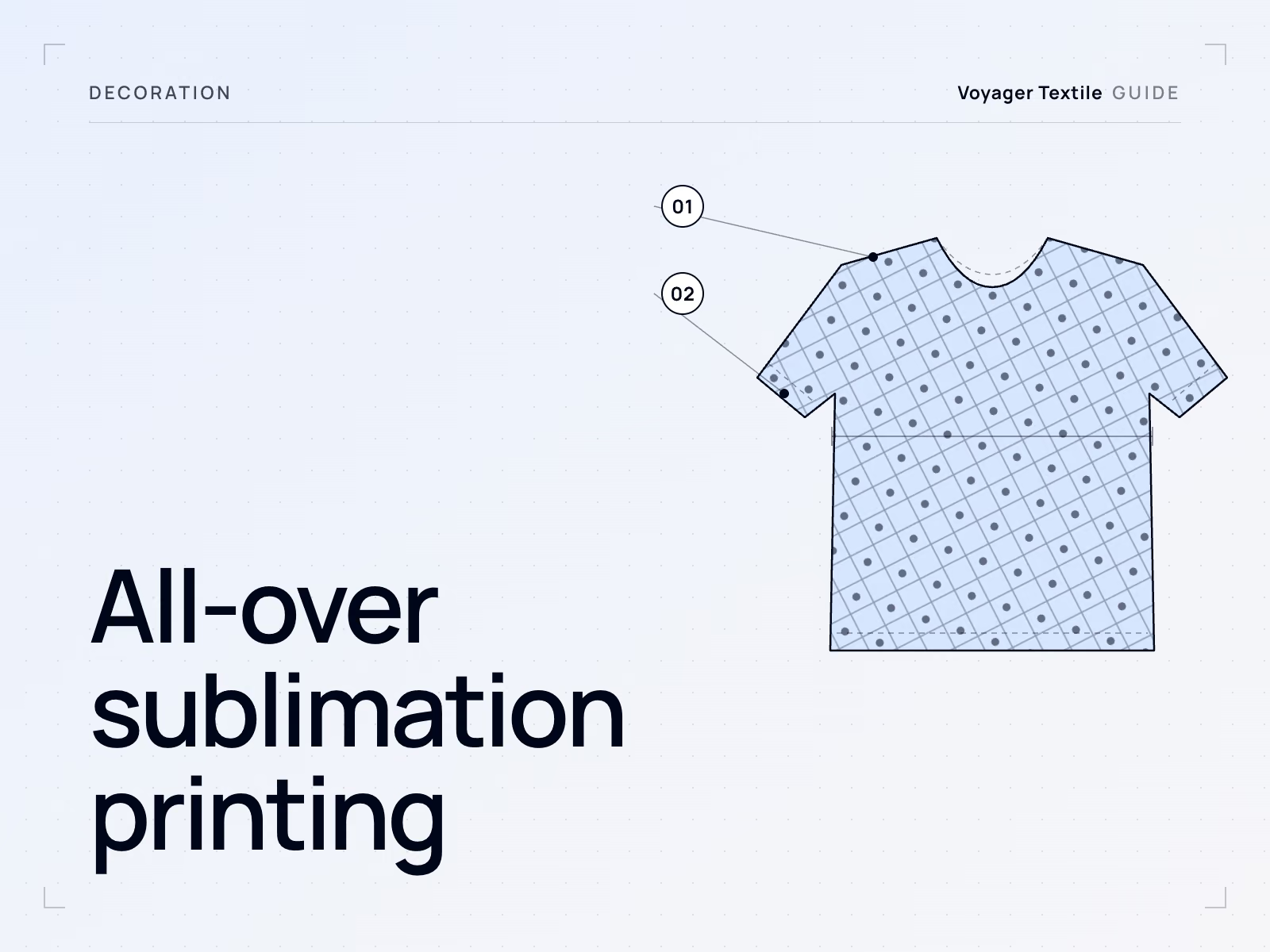
Polyester-based fabrics are assessed separately for custom colour at Voyager Textile. Depending on the fabric and design, colour may be developed through dyeing or all-over sublimation. Confirm the route and approval sample for the project. The composition guide explains fibre behaviour more broadly.
The same colour on different fabrics will not match exactly
A coordinated set that combines jersey, rib and a woven trim in one colour involves three different surfaces reflecting light differently, sometimes with three different dyeings. Very close is achievable. Identical is not.
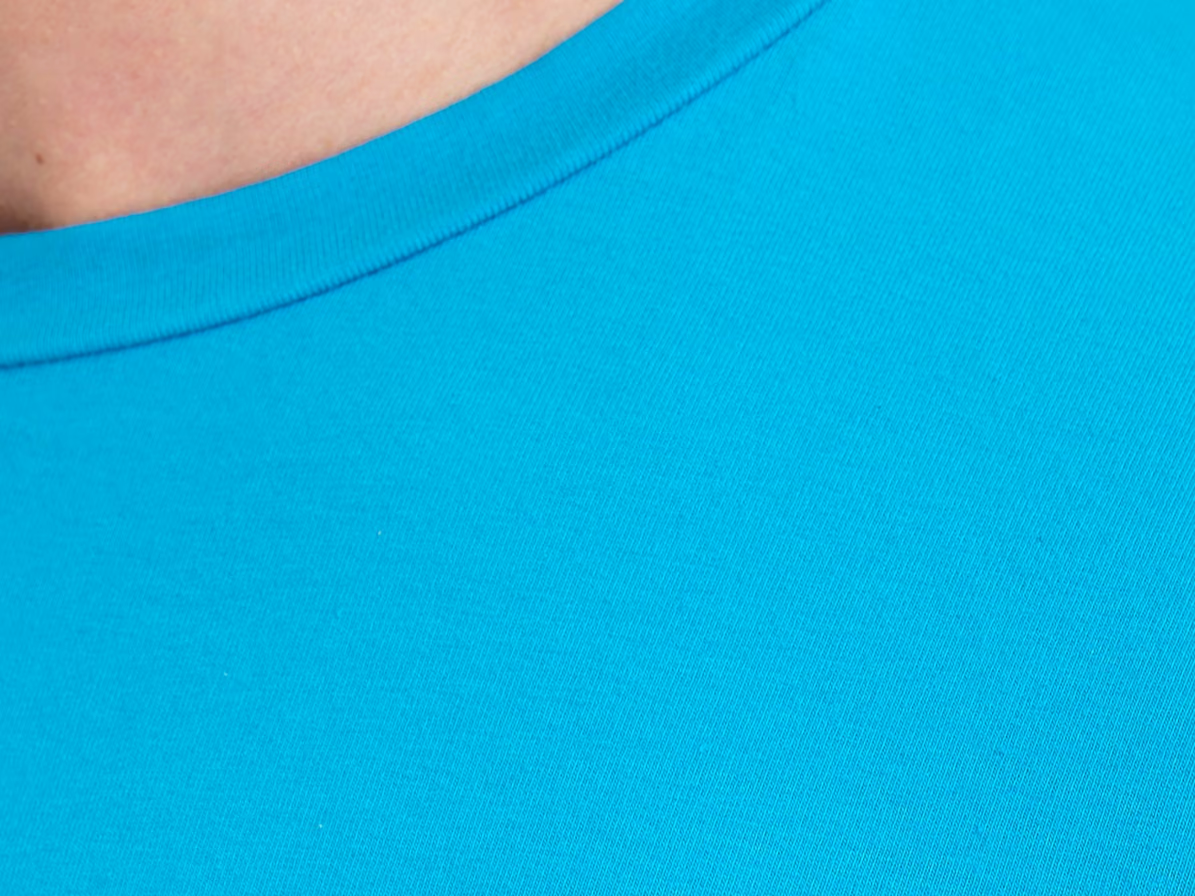
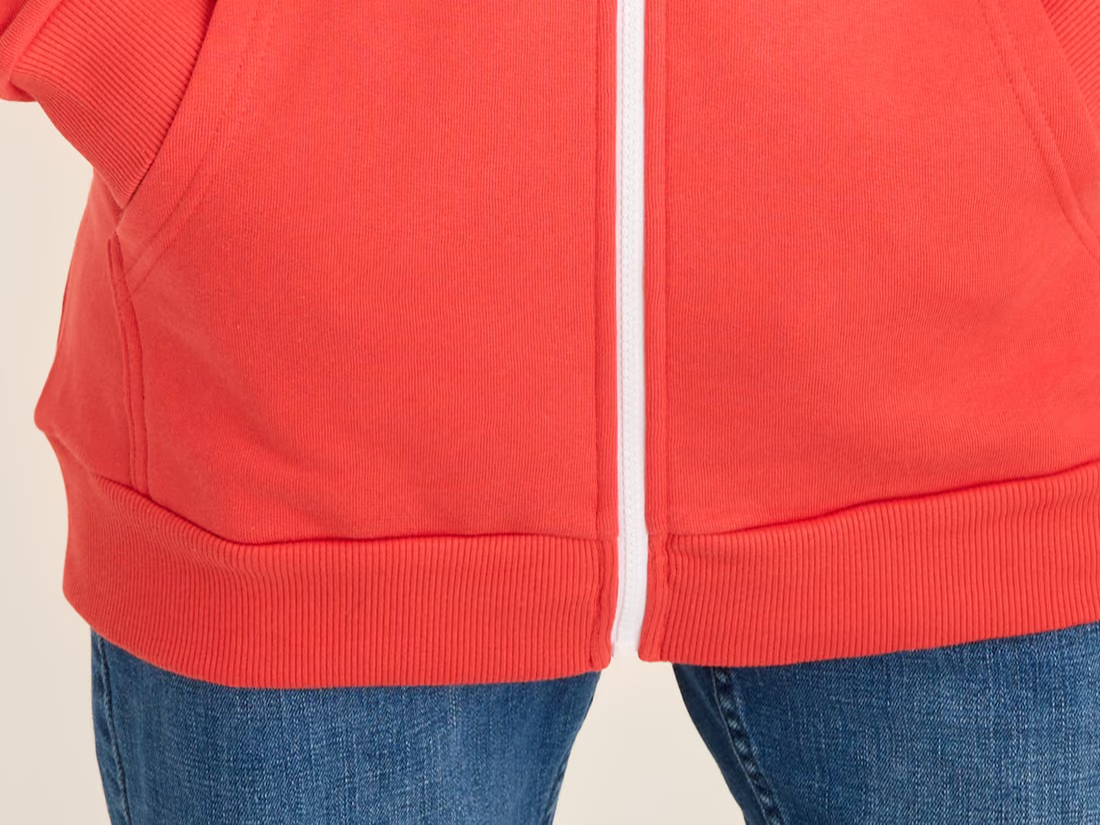
Plan for it. Decide which piece is the master reference, state that the others are matched to it, and approve them together rather than separately. The same applies to thread, drawcords, zips and labels: matching components should be approved against the approved fabric, not against the Pantone chip.
Dye lots, tolerance and reorders
Separate dye lots can differ even when developed to the same target. Assess each against the agreed reference and tolerance, and compare deliveries that will be worn or displayed together.
- Using one dye lot can reduce between-lot variation where feasible, but it does not eliminate variation within rolls or after finishing. Inspect the actual fabric.
- Where several lots are unavoidable, agree a colour tolerance and how it is assessed.
- Tell the factory if pieces must match each other, for example in a uniform set or a coordinated tracksuit, so lots can be allocated accordingly.
- Protect the approved reference from light and contamination, and check its condition before reorders. Agree a traceable replacement if it has faded or deteriorated.
The full set of controls for repeat production is in the reorder consistency guide, and the diagnosis when a delivery has already arrived off-shade is in why fabric shade varies between dye lots.
Corporate colours: matching brand colours across corporate wear, workwear and promotional textiles
A brand colour for corporate wear is matched once per fabric, not once per brand. Brand guidelines usually define the colour for print or screen, so the first step is agreeing one textile reference, such as a TCX number, that the brand owner signs off as the garment standard. Each fabric base then gets its own lab dip against it: a cotton piqué polo, a polycotton twill for workwear and a polyester softshell take dye differently, and polyester may be coloured by sublimation instead. Approve those lab dips side by side under the same light, not one at a time over several weeks.
Custom colour follows the general minimum: 300 pieces per colour and per style, so a navy polo, trouser and jacket are three lines of 300. For short promotional textiles or merch runs, a close stock colour with the exact brand colour carried by the logo thread or ink is often the practical answer. On high-visibility branded workwear the fluorescent colours are fixed by the standard, so the brand colour goes on the other panels. See corporate clothing, workwear and promotional textiles.
Colour that survives use, not just inspection
A correct shade that fades or transfers is still a failure. Deep and saturated shades, particularly reds, navies and blacks, carry more risk of colour transferring onto skin or other fabrics during wear and washing.
Where the end use justifies it, specify colourfastness testing to washing and to rubbing, and to perspiration or light for sportswear and outdoor products. Agree the methods and pass criteria before production, as covered in the quality control guide.
Stock colour or custom colour
Available stock colours may avoid custom colour development, but still require suitability and shade approval. Confirm stock quantity, lot consistency and order minimums; stock fabric does not automatically remove the garment-production minimum.
A useful middle path for a first order is to use stock colours for the range and develop custom colour only for the shades that genuinely matter. See the MOQ guide for how colour choices interact with minimums, and the custom colours section for how the process runs at Voyager Textile.
Questions buyers ask
What is a lab dip?
A lab dip is a small dyed sample of the intended fabric submitted for approval before bulk dyeing. Record its relationship to the agreed colour target, the production tolerance and any accepted departure from the original reference.
Which Pantone system should I give a clothing factory?
A textile system reference such as TCX, which describes colour on fabric. References intended for graphic printing describe ink on paper and only approximate what is achievable on textiles. Send a physical swatch alongside the code wherever possible.
What is the minimum order for a custom Pantone colour?
At Voyager Textile, custom colour starts at 300 pieces per colour and per style. Polyester-based fabrics are assessed separately; confirm whether the project uses dyeing or sublimation and how colour will be approved.
How many lab dip rounds are normal?
There is no fixed number for every project. Fabric, shade, target and assessment requirements affect the rounds needed. Agree submission timing and correction feedback early, and allow for resubmission before bulk approval.
Can a factory guarantee an exact Pantone match?
Agree an achievable target, tolerance and assessment method for the actual fabric. A Pantone code alone does not define a measurable zero-difference guarantee across materials or lighting conditions; approve and record the production reference.
Why do my jersey and rib look slightly different in the same colour?
Because different fabric structures reflect light differently and may be dyed separately. Nominate one fabric as the master reference, approve the others against it, and assess them together under the agreed lighting rather than in isolation.
Can I approve colour from a photograph?
An ordinary photograph alone is not a reliable colour approval. Review a physical lab dip under agreed lighting or appoint someone to do so. An agreed instrumental data workflow is a different option from judging a colour on a phone or screen.
Send your colour references before sampling
Give us the Pantone references and the fabric, and we will produce lab dips for approval before any bulk dyeing starts, with an honest assessment of what is achievable on your fibre.
Start colour development