

Custom Merch Manufacturer in Turkey: Cut-and-Sew Hoodies, Sweatshirts, T-Shirts and Shorts for Brands, Artists and Companies
Voyager Textile makes custom merch in its own factory in Türkiye: cut-and-sew hoodies, sweatshirts, T-shirts and shorts for merch companies, artists and tour teams, brands and companies. The minimum is 300 pieces per colour and per style; a sample takes 5-7 business days. Bulk production: Typically 4-5 weeks after sample approval; development, sampling and shipping are additional.
Last reviewed:
Contents
- Who orders merch from a cut-and-sew factory
- When to consider a cut-and-sew production run
- Merch products we make
- Specifying the merch garment
- How merch production works: from artwork to boxed delivery
- Size splits for tours and drops
- Labels and packing for e-commerce and tour stock
- Restocks, artwork and exclusivity
- Questions this raises
Voyager Textile is a direct manufacturer with its own factory in Türkiye, making merch garments to the buyer's design for merch companies and agencies, artist and tour management, clothing brands running drops, and companies producing merch for staff or communities. Every style starts at 300 pieces per colour and per style, the sizes can be split inside those 300, and the first sample takes 5-7 business days.
Who orders merch from a cut-and-sew factory
Orders may be coordinated by merch companies and agencies, artist or tour management, clothing brands, or companies buying for staff, events and customers. Specify the garment design, decoration, labels and quantity for each colour and style.
When to consider a cut-and-sew production run
Compare the garment specification, available decoration and labels, order quantity, unit cost and stock commitment. Print-on-demand services vary: some offer embroidery and custom labels as well as printing. Check the provider’s product and branding options against your requirements. Voyager’s cut-and-sew minimum is 300 pieces per colour and per style.
- Check the design requirements. 3D puff or chenille embroidery, appliqué, a washed or garment-dyed finish, a print on the panels before sewing, or a heavyweight boxy hoodie. Check whether the provider offers the required combination.
- Custom colour. Match the colour method and approval reference to the fabric and decoration. Custom Pantone colours start at 300 pieces per colour and style; polyester-based fabrics are assessed separately.
- Labels. Specify your woven or printed neck label, care label and hangtag as part of the garment order.
- Estimate demand using available information. A tour with a known number of shows, a store with sales history for a design, or a company order with a headcount.
Print-on-demand may suit demand testing or low-volume designs. Compare the available product options, total costs and stock requirements before choosing a production model. Further reading: custom apparel vs branded blanks; MOQ guide.
Merch products we make
Each product has its own page with fabrics, construction and decoration. The merch section of each page covers what matters for that garment:
- Hoodies and sweatshirts for merch: pullover, zip and crewneck styles.
- T-shirts for merch: regular, heavyweight, oversized and long-sleeve tees.
- Shorts for merch: sweat shorts and sports shorts to match a hoodie or tee.
- Polo shirts for merch: for crew, staff and company merch.
- Joggers and full sweatsuits are built as described in tracksuit manufacturing.
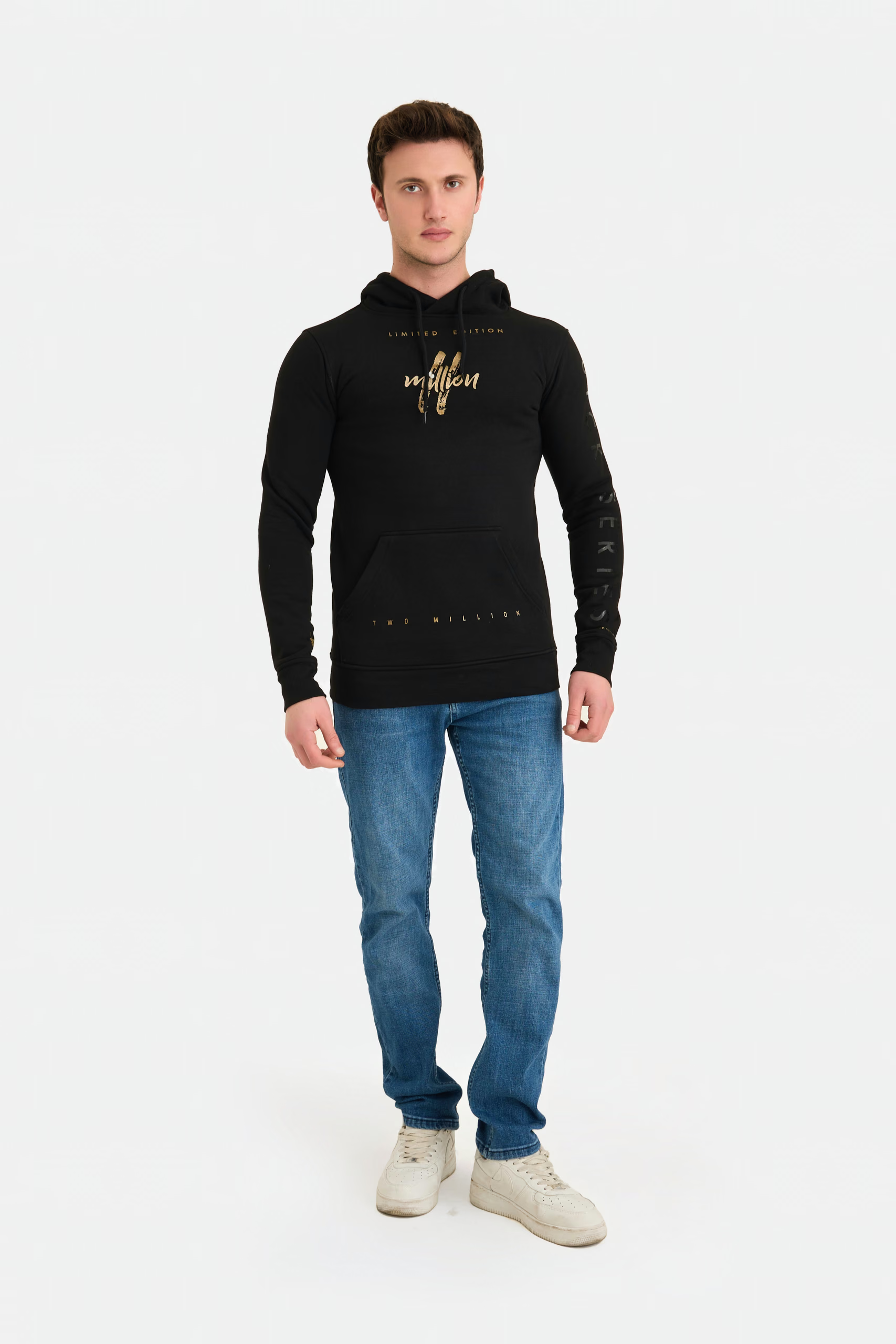
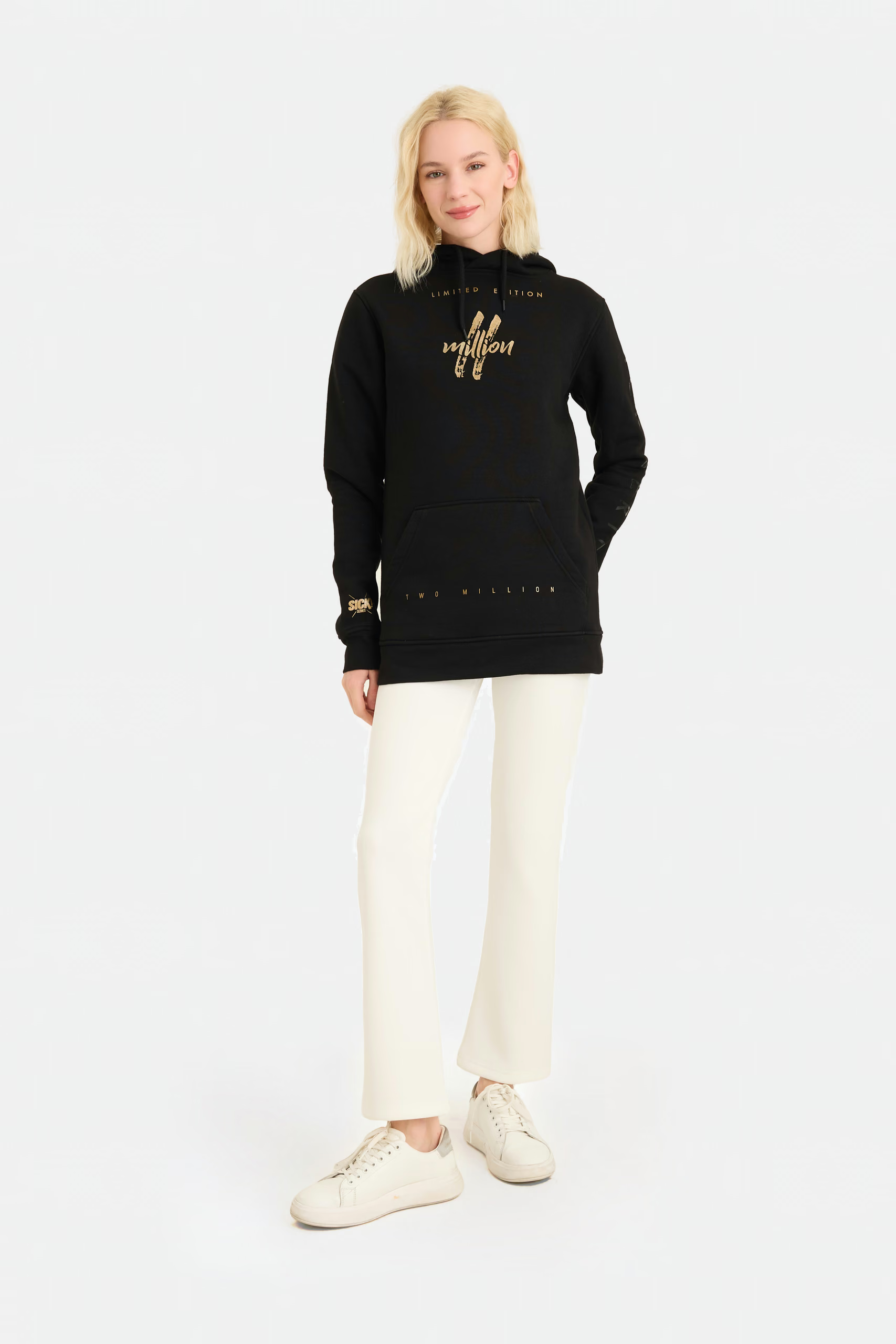
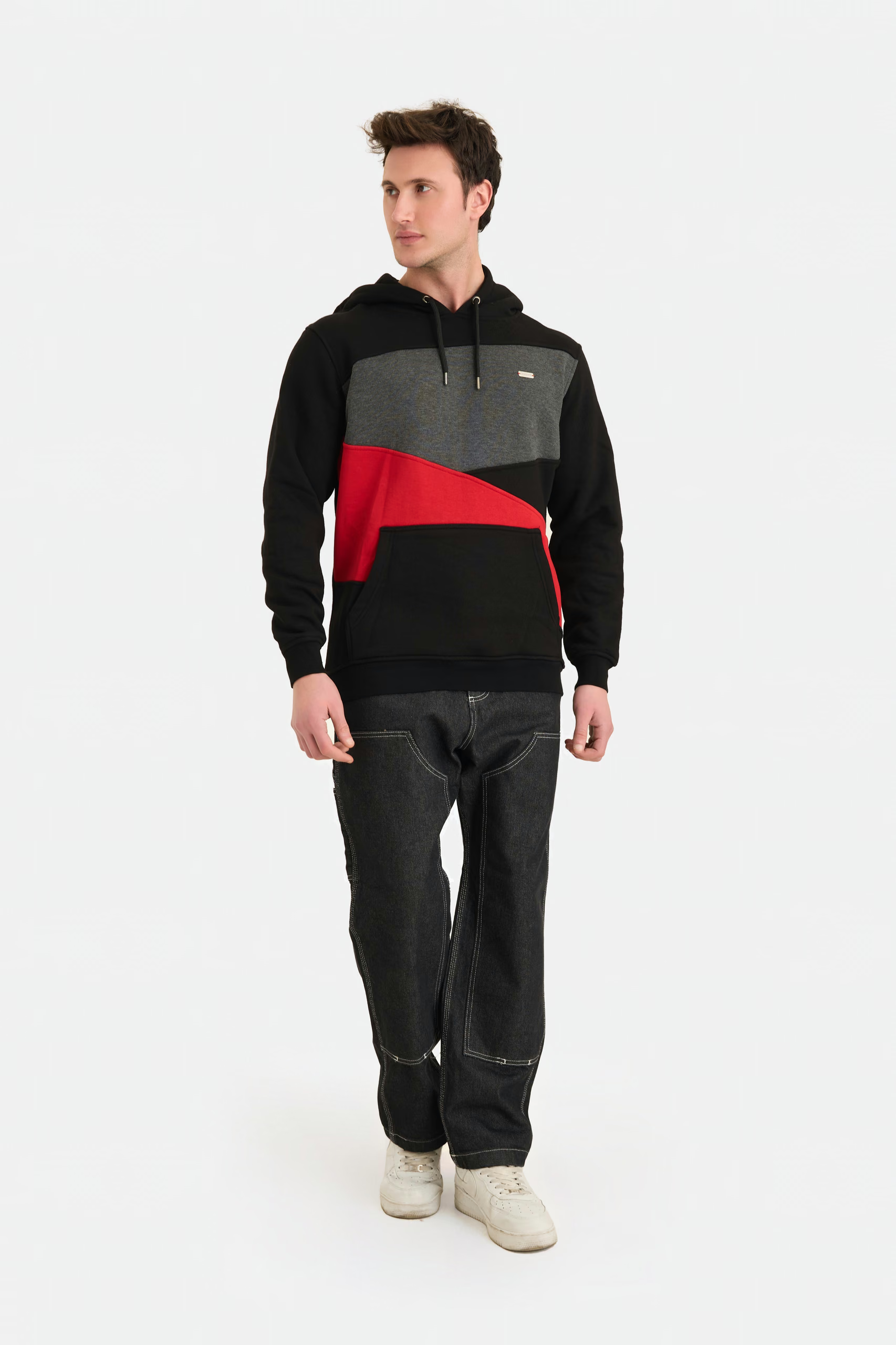
Merch garments from previous production
Produced to each customer's design and specification. None of these is held in stock.
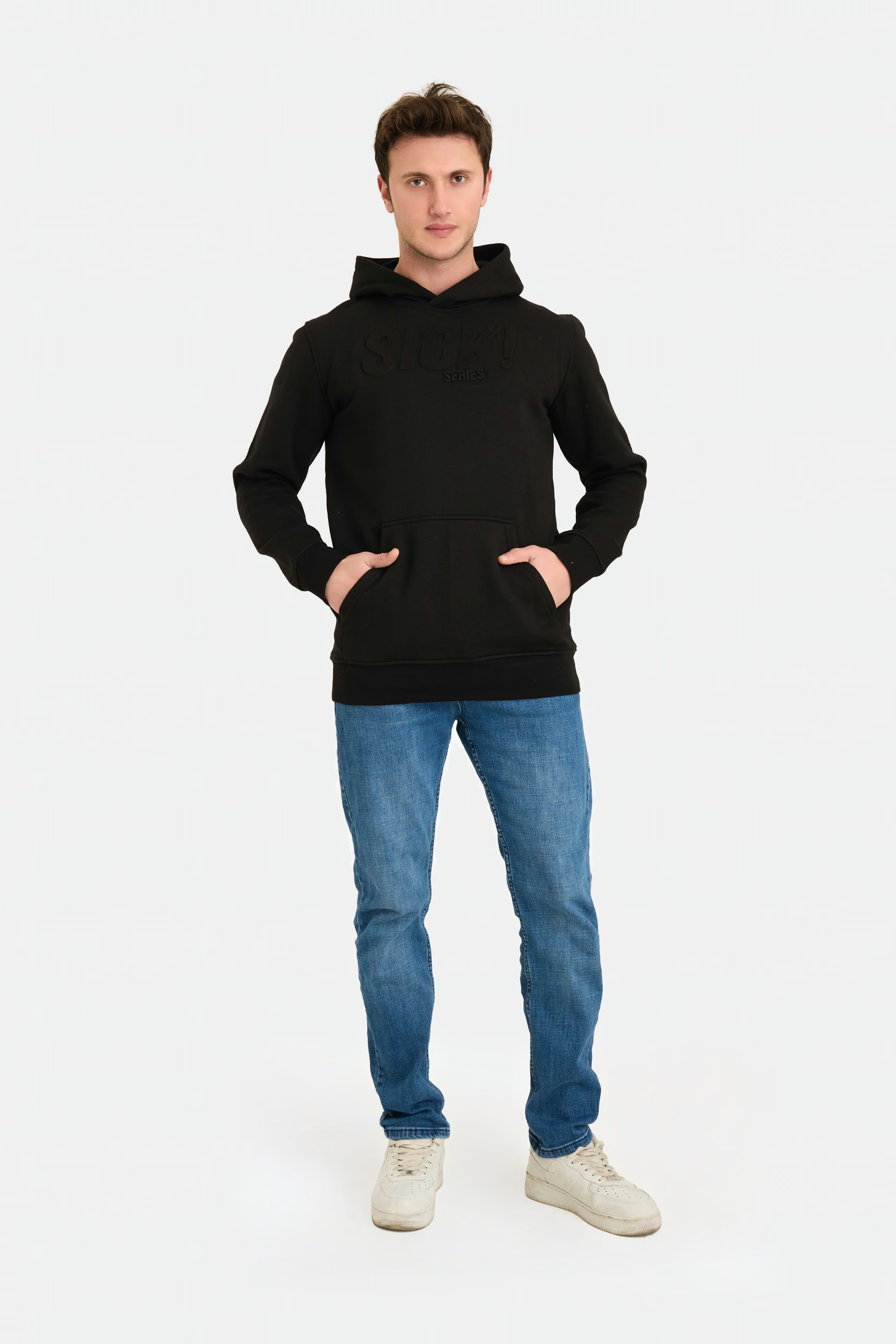
Specifying the merch garment
Specify the fabric weight, cut, finish and texture to match the intended garment. The linked guides explain these choices in detail.
- Fabric weight. French terry runs roughly 220 to 320 g/m² and brushed fleece roughly 280 to 500 g/m², with heavyweight hoodies from about 380 g/m² upwards; heavy tees use single jersey around 200 to 250 g/m². These are indicative ranges, specified per project. See the GSM guide and French terry vs brushed fleece.
- Cut. Boxy, oversized and cropped fits are built into the pattern through drop shoulders, body width and length, not by grading up a size. See private label streetwear manufacturing.
- Washed and dyed looks. Acid, mineral and stone washes run with partner facilities and change the hand, colour and size of the garment, so they are sampled on the real garment. See garment washing and finishing and garment dyeing.
- Texture. Flat, 3D puff, chenille and appliqué embroidery run in our factory. Raised puff print is a screen-print method and runs with a partner facility. See screen printing vs DTF vs DTG vs embroidery and embroidery placement and size.
How merch production works: from artwork to boxed delivery
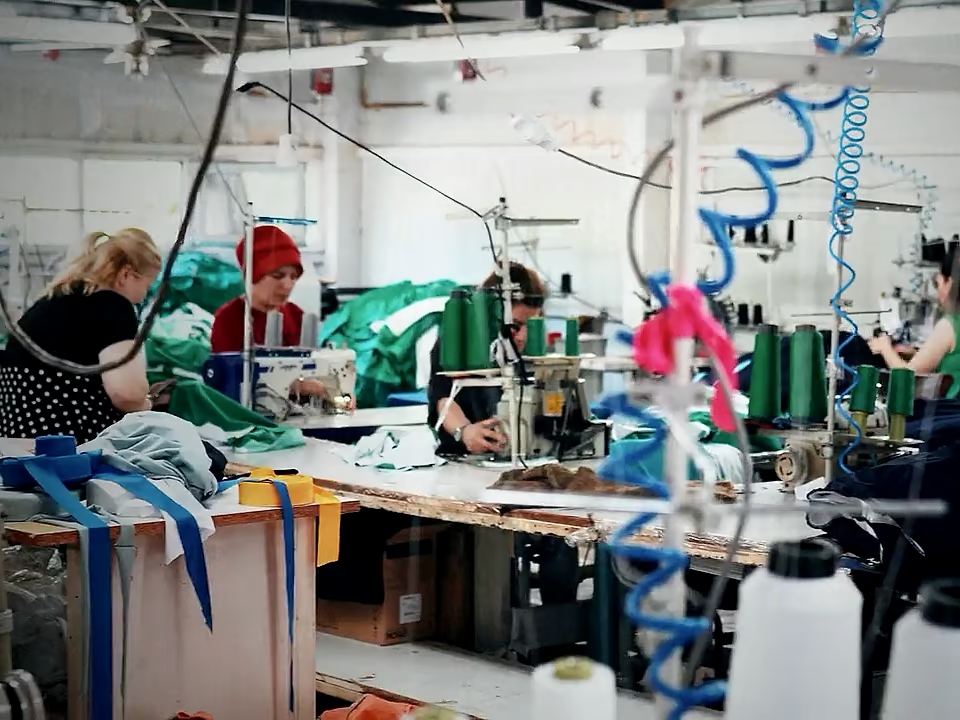
The sequence below runs from artwork and specification through sampling and approval to production, packing and shipping. Sampling may include revisions before approval.
- Brief. Send a tech pack, sketches with measurements or a reference garment, plus the artwork in the format each decoration method needs, as set out in artwork files for apparel decoration.
- Quotation. Per style and colour at your quantity. Check that fabric, decoration, labels and packing are all included before comparing it with another offer.
- Fabric and colour. A stock colour, or a lab dip for a custom Pantone colour, approved before sampling.
- Sample. 5-7 business days, in the production fabric and colour, with the real decoration at its real size.
- Approval and size split. You approve the sample and lock the size split. Late artwork changes may require a revised proof or garment sample and renewed approval; confirm their effect on the schedule.
- Bulk production. Typically 4-5 weeks after sample approval: cutting, decoration, sewing, finishing and inspection.
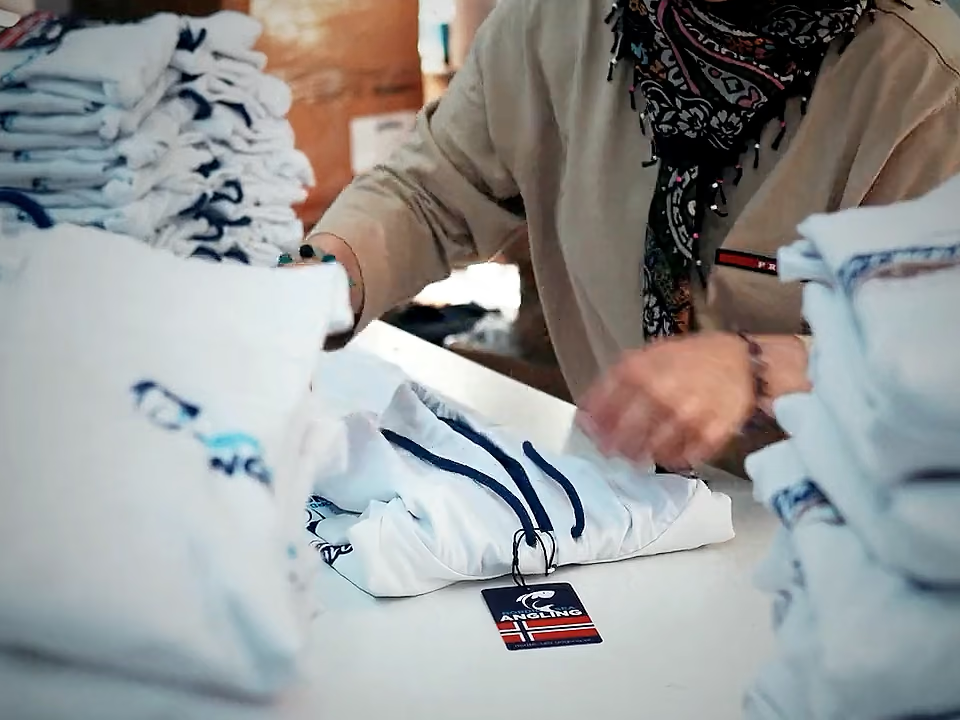
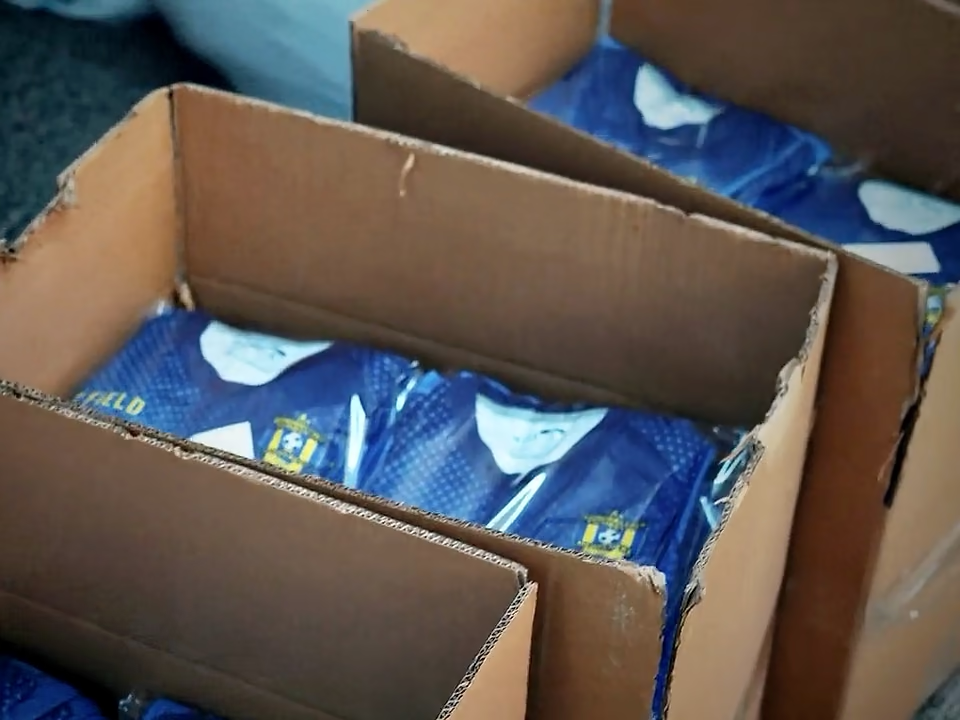
- Packing. Folded, bagged and labelled per piece, with cartons packed by style, colour and size or by destination, as specified.
- Shipping. By road, sea or air depending on destination and date; see shipping apparel from Turkey.
If this is your first run with a factory, your first production run walks through the same stages from the brand's side, and apparel production lead times shows how the weeks add up to a delivery date.
Size splits for tours and drops
Sizes can be split freely inside each 300-piece colour and style, so one hoodie colour can run from XS to XXL in whatever ratio your sales data supports. Base the split on past sales for the same artist, store or audience rather than a standard retail curve. Every size is graded from the approved base size to your size chart in Gerber AccuMark. What a production size chart must contain is in size charts for production.
Labels and packing for e-commerce and tour stock
Labels and packing are specified together with the garment, because they decide how much handling the stock needs after delivery. A merch order usually carries a woven or printed neck label with the brand or artist name, a care and fibre-composition label for the country of sale, and a hangtag where the piece is sold at retail. Garments for online stores are typically folded to one size, bagged individually and marked with size and barcode, so a fulfilment warehouse can pick them without opening the bag. Tour stock is often packed in cartons by size, so the merch desk can restock a size from the right box.
The options are set out in clothing labels and packaging, folding and polybagging and cartons, assortments and shipping marks. Fibre labelling for EU sales follows Regulation (EU) No 1007/2011, explained in EU apparel labelling; US requirements are in US apparel labelling and import.
Restocks, artwork and exclusivity
A restock is a new production run and meets the 300-piece minimum per colour and per style again. What makes it simpler than the first run is what is kept on file: approved samples, patterns, colour standards and packing instructions, so the restock is checked against the original references rather than against the last delivery. How to hold colour and fit steady across runs is in reorder consistency.
Who owns the patterns and design files, and how exclusivity for an artist's or brand's artwork is written into an order, are covered in apparel design ownership and confidentiality and exclusivity. What changes the unit cost of a merch piece is explained in the cost guide.
Questions this raises
What is the minimum for custom merch?
The minimum for custom merch is 300 pieces per colour and per style. Sizes can be split inside the 300, and sublimated pieces follow the same minimum. Ordering the same hoodie style in two separate colourways requires at least 300 pieces in each colourway.
How long does it take to make custom merch?
Custom merch takes 5-7 business days for the sample, and typically 4-5 weeks for bulk production after sample approval. Development, colour approval and shipping come on top, so plan backwards from the date the stock must arrive.
Can you make merch to our own design and label?
Yes. All merch is made to your own design, with your neck label, care label, hangtag and packing. There are no ready-made styles; the catalogue shows previous production, not stock.
When should we order merch for a tour or event?
Custom merch takes 5-7 business days for the sample, and typically 4-5 weeks for bulk production after sample approval. Development, colour approval and shipping come on top, so plan backwards from the date the stock must arrive. Late artwork changes may require a revised proof or garment sample and renewed approval; confirm their effect on the schedule.
Do you offer print-on-demand or dropshipping for merch?
No print-on-demand or dropshipping: merch is produced in runs of at least 300 per colour and per style and delivered in bulk to you, your warehouse or your fulfilment partner. Print-on-demand may suit designs with low sales volumes.
Can you make merch for the US market?
Yes, merch for the US market is made in Türkiye and shipped to your US address or warehouse. Labels are made to US requirements, and duty is assessed at US entry; the US labelling and import guide sets out both.
Planning a drop or a tour run?
Send the designs, the quantities per colour and the date the stock must arrive. We usually reply within one business day, and the quotation shows what fits your calendar.
Start an RFQContinue with
- Jacket Manufacturer in Turkey: Softshell, Puffer, Fleece, Windbreaker and Bomber Jackets
- Tracksuit Manufacturer in Turkey: Track Jackets, Fleece Sets and Windbreaker Sets
- Hotel and Corporate Uniforms from Turkey for GCC Buyers
- Private Label Workwear Manufacturer in Turkey: Work Trousers, Jackets and Polos for Brands, Distributors and Company Programmes
- Medical Scrubs Manufacturer in Turkey: Private-Label Scrub Sets
- Shorts Manufacturer in Turkey: Sweat, Sports, Work and Woven Shorts Made to Your Design
- Sublimated Teamwear Manufacturer in Turkey: Football Kits, Training Wear and Club Programmes
- Private Label Activewear and Leggings Manufacturer in Turkey
- Polo Shirt Manufacturer in Turkey: Piqué, Corporate and Private-Label Polos
- Hoodie and Sweatshirt Manufacturer in Turkey: Heavyweight, Oversized and Zip Hoodies
- T-Shirt Manufacturer in Turkey: Regular, Heavyweight and Oversized T-Shirts
- Promotional Textiles Manufacturer for Distributors: Own-Brand T-Shirts, Polos, Sweatshirts and Hoodies Made in Turkey
- Corporate Clothing Manufacturer: Corporate Fashion Collections Made in Turkey in Your Brand Colours
- Full-package vs CMT apparel manufacturing
- Manufacturing clothing from a reference garment