Quantities, cost and timing
How to Prepare an Apparel Manufacturing RFQ
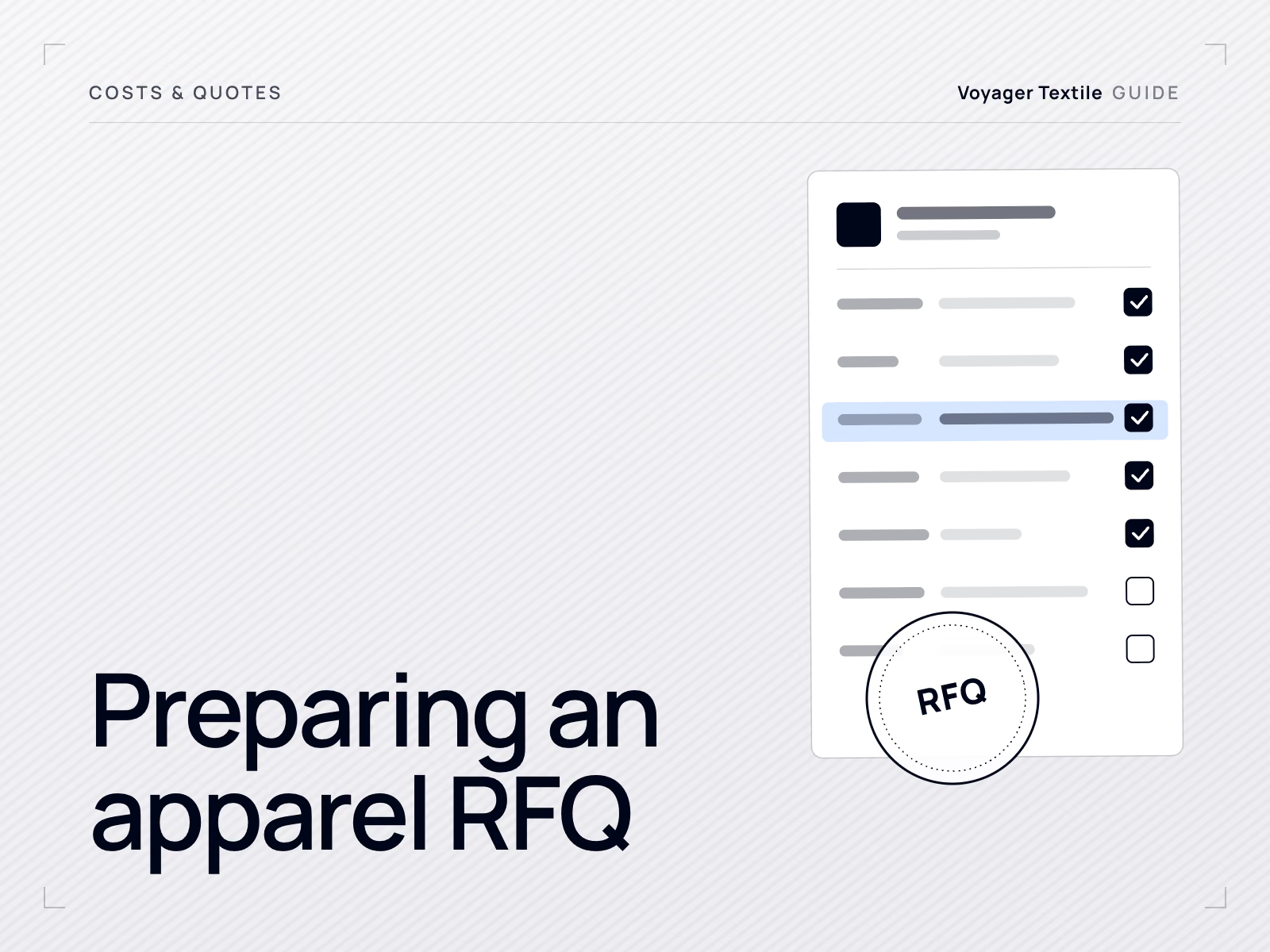
An accurate apparel quotation needs ten things: the product, the quantity, the fabric, the colours, the size split, the decoration with artwork, the labels and packing, the destination, the delivery date and who to reply to. Send those and you will get a real price. Send a photograph and a target price and you will get an assumption.
Contents
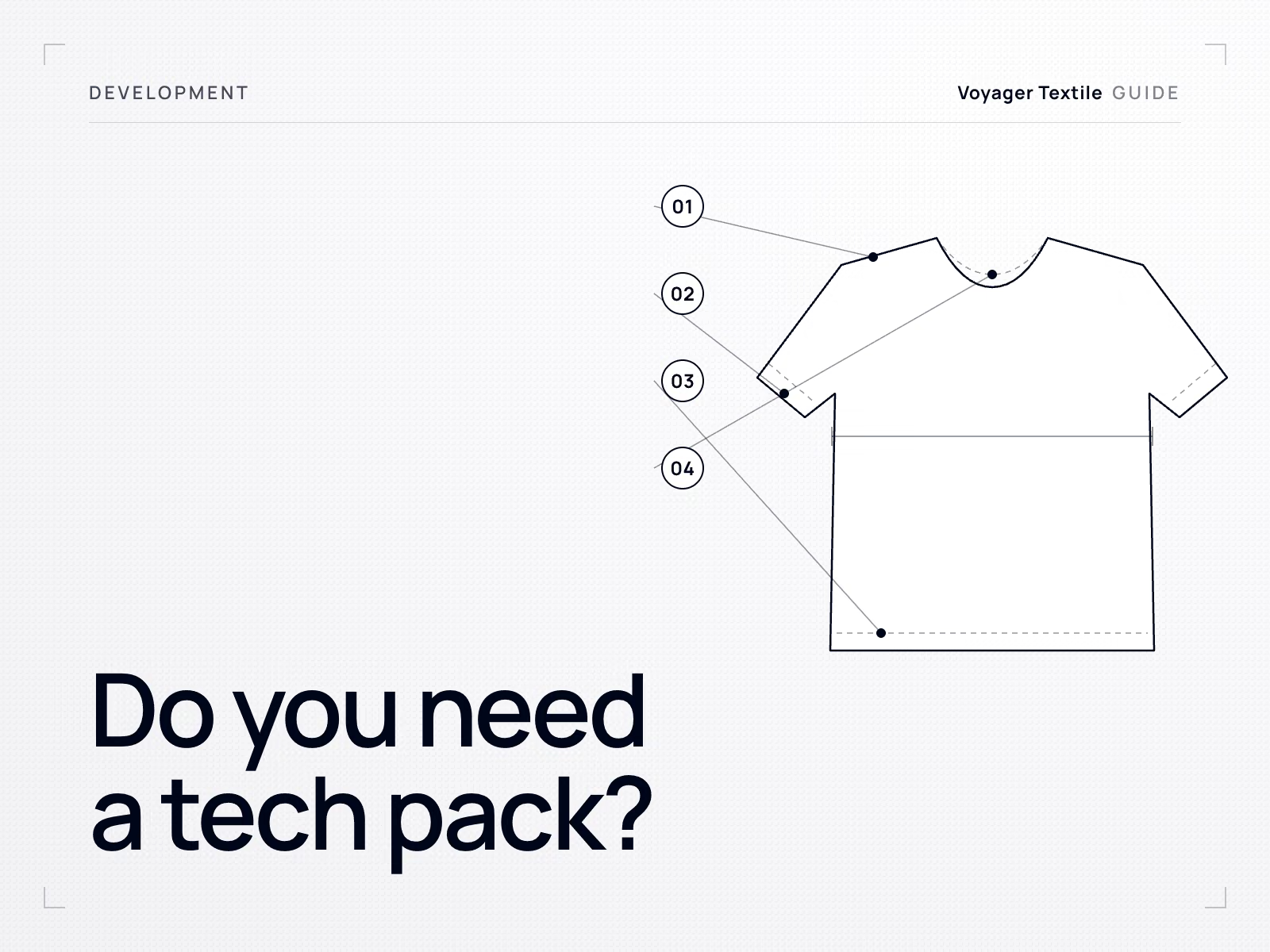
A request for quotation is a commercial document. It tells a factory what you want to buy, in what quantity and under what conditions, so it can price the work and check whether it can do it. That is different from a tech pack, which is the technical description of the garment itself. Many enquiries fail because they contain one and not the other.
The cost of a vague RFQ is not the quotation you receive. It is the rounds of questions before you receive it, and the price revision that follows when the missing details finally arrive.
What a factory needs, and why
| Information | Why it is needed | If it is missing |
|---|---|---|
| Product and reference images | Establishes construction, category and machinery | The factory prices a different garment from the one you mean |
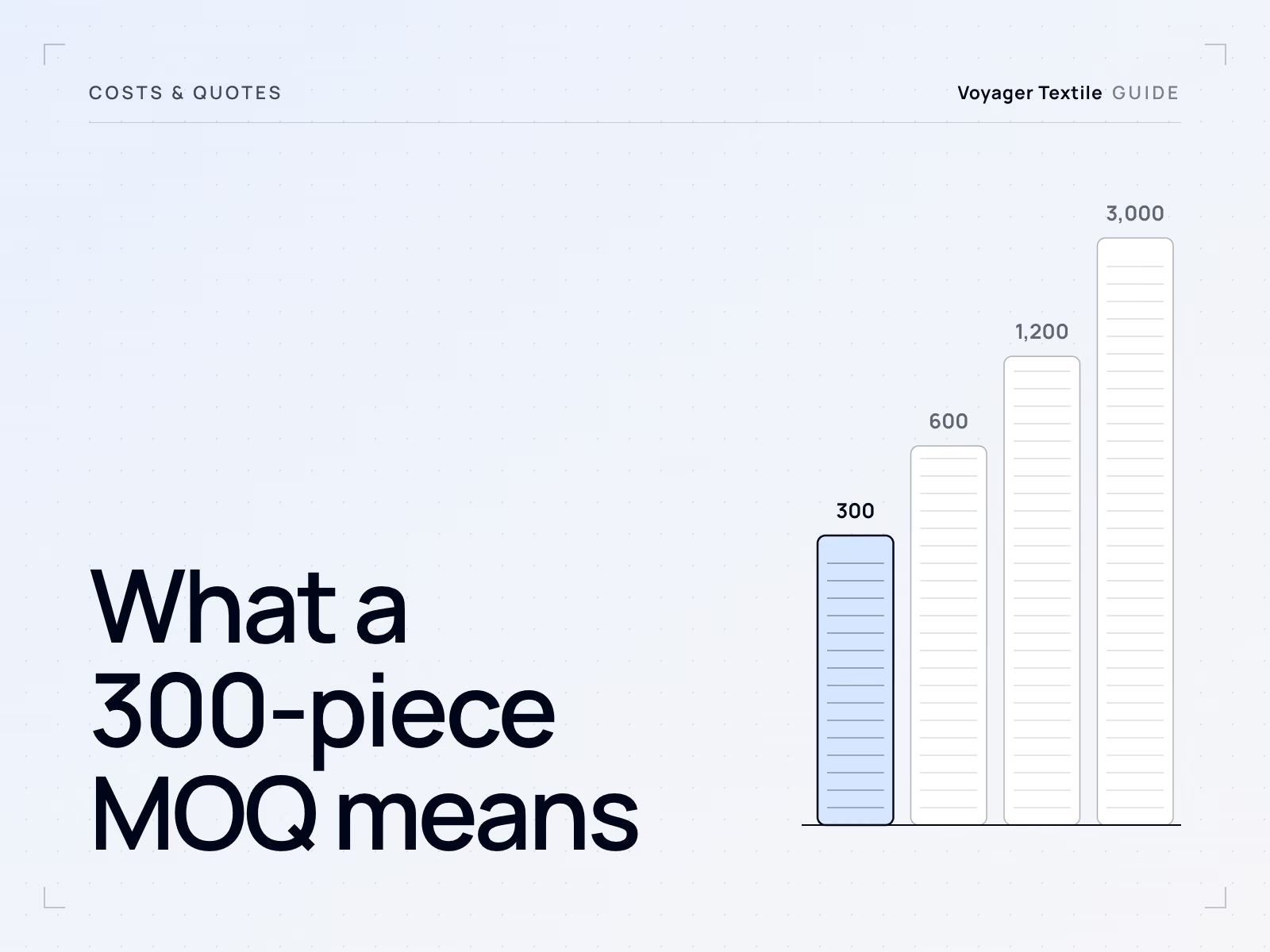
| Quantity per style | Sets the cost per piece and whether the order clears the minimum | No price can be given at all |
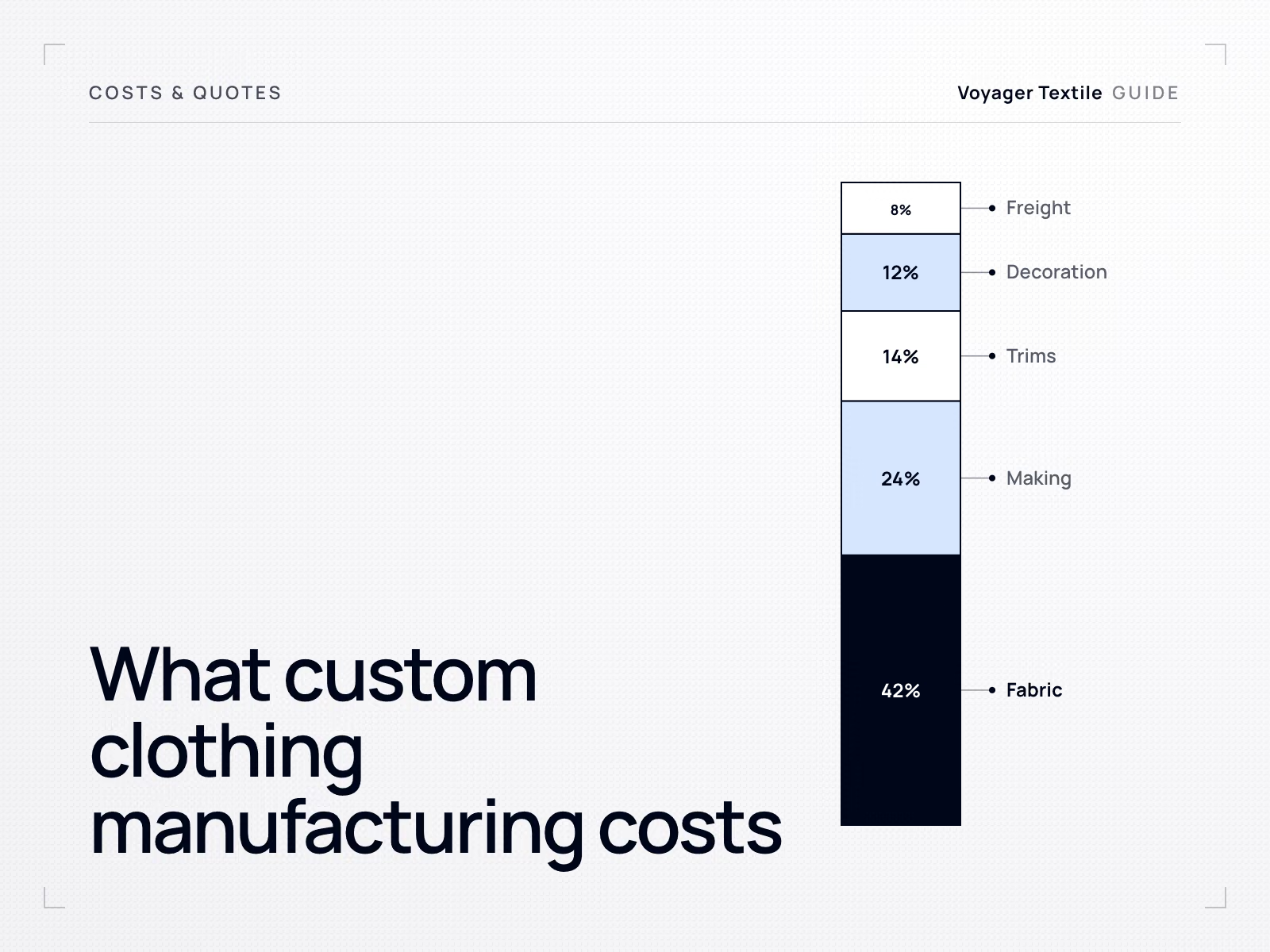
| Fabric composition and weight | The largest cost line and the main quality variable | The quote is based on a guess and will change later |
| Colours and Pantone references | Decides stock colour versus custom dyeing, and the minimum | Colour development cost and lead time are invisible |
| Size range and split | Affects fabric consumption and production planning | Fabric quantity cannot be calculated accurately |
| Decoration and artwork | Method, colours, size and number of placements drive real cost | Decoration is quoted as an estimate or omitted |
| Labels and packing | Woven labels, care labels, hangtags and cartons are separate items | Costs appear later, and finished goods can be held up |
| Destination and Incoterm | Determines what the price includes | Two quotations become impossible to compare |
| Target delivery date | Determines feasibility and whether fabric can be sourced in time | You receive a price for a project that cannot meet your date |
| Contact and decision maker | Approvals are part of the critical path | Sampling stalls waiting for someone to sign off |
An RFQ template you can send as it is
Copy this, fill in what you know, and mark the rest as to be confirmed. It works for any factory, not only for us. If a term in it is unfamiliar, the glossary defines the vocabulary this industry uses.
- Company and contact. Company name, country, contact person, email, and who approves samples.
- Product. What it is, with reference images or a link. State if you have a physical reference sample.
- Quantity. Pieces per style, and the total programme if more orders are planned.
- Fabric. Composition and GSM if known, otherwise the intended use so the factory can propose an option.
- Colours. Number of colourways and Pantone references, or state that stock colours are acceptable.
- Sizes. Size range and the split per size, even if approximate.
- Fit. Regular, oversized or slim, plus key measurements if you have them.
- Decoration. Method if decided, artwork files, print or embroidery size and placements.
- Labels and packing. Woven neck label, care label, size label, hangtag, individual polybag, carton requirements.
- Compliance. Any required certifications, test reports or market-specific labelling.
- Destination and terms. Delivery city and country, and your preferred Incoterm.
- Timing. The date goods must arrive, not the date they should ship.
- Budget. A target price if you have one, described honestly as a target rather than a limit.
If your programme carries restricted-substance requirements, send them with the enquiry rather than after the sample, and send your own list with its version identifier rather than an instruction to be compliant. What that requirement needs to contain is set out in chemical compliance.
Talking about target price without damaging the quote
A target price is useful information, because it tells the factory which fabric and construction to propose. It becomes counterproductive when it is presented as a fixed ceiling with no flexibility on specification, because a factory that wants the business will meet the number by changing something, usually the fabric weight or quality, and you may not notice until the goods arrive.
The productive way to phrase it is: here is our target, tell us what specification reaches it and what we would be giving up. A serious factory will answer honestly, and the answer is often more useful than the price. The cost guide explains which lines actually move.
Sending artwork correctly
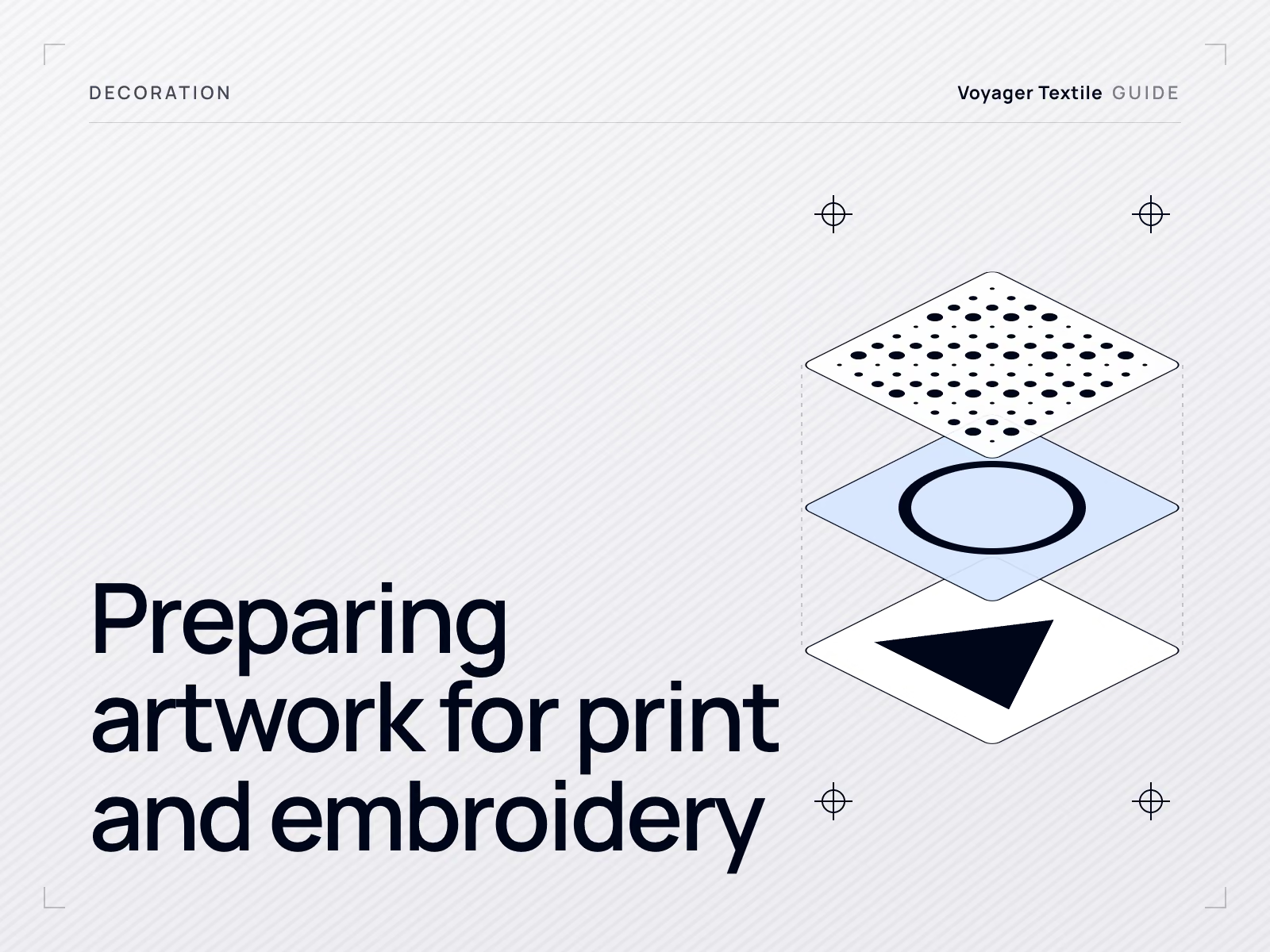
Artwork is a common source of quotation delays. Screen printing needs to know the number of colours, embroidery needs to be digitised, and sublimation needs artwork built to the panel layout. A JPEG pulled from a presentation cannot be priced accurately for any of them.
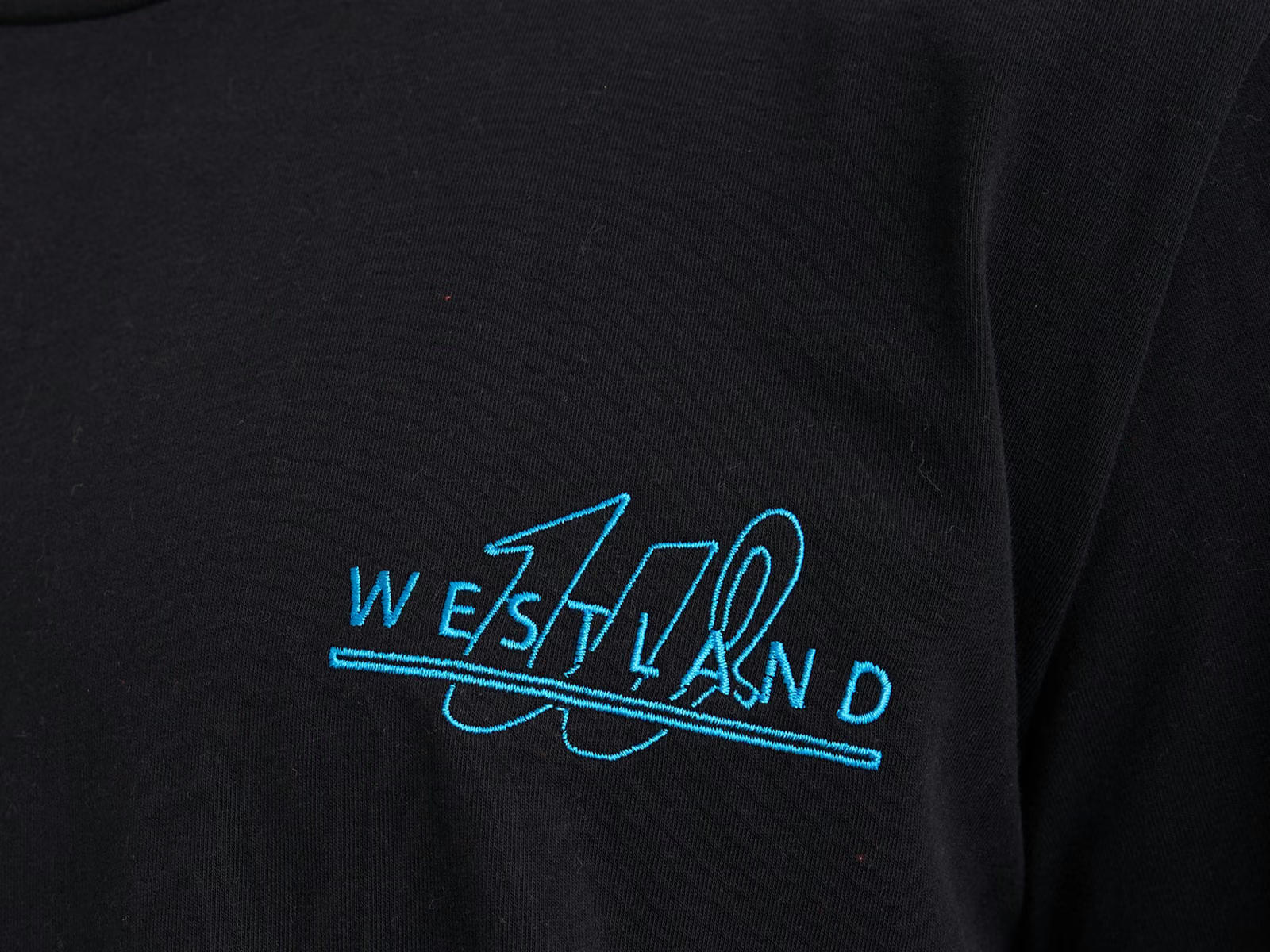
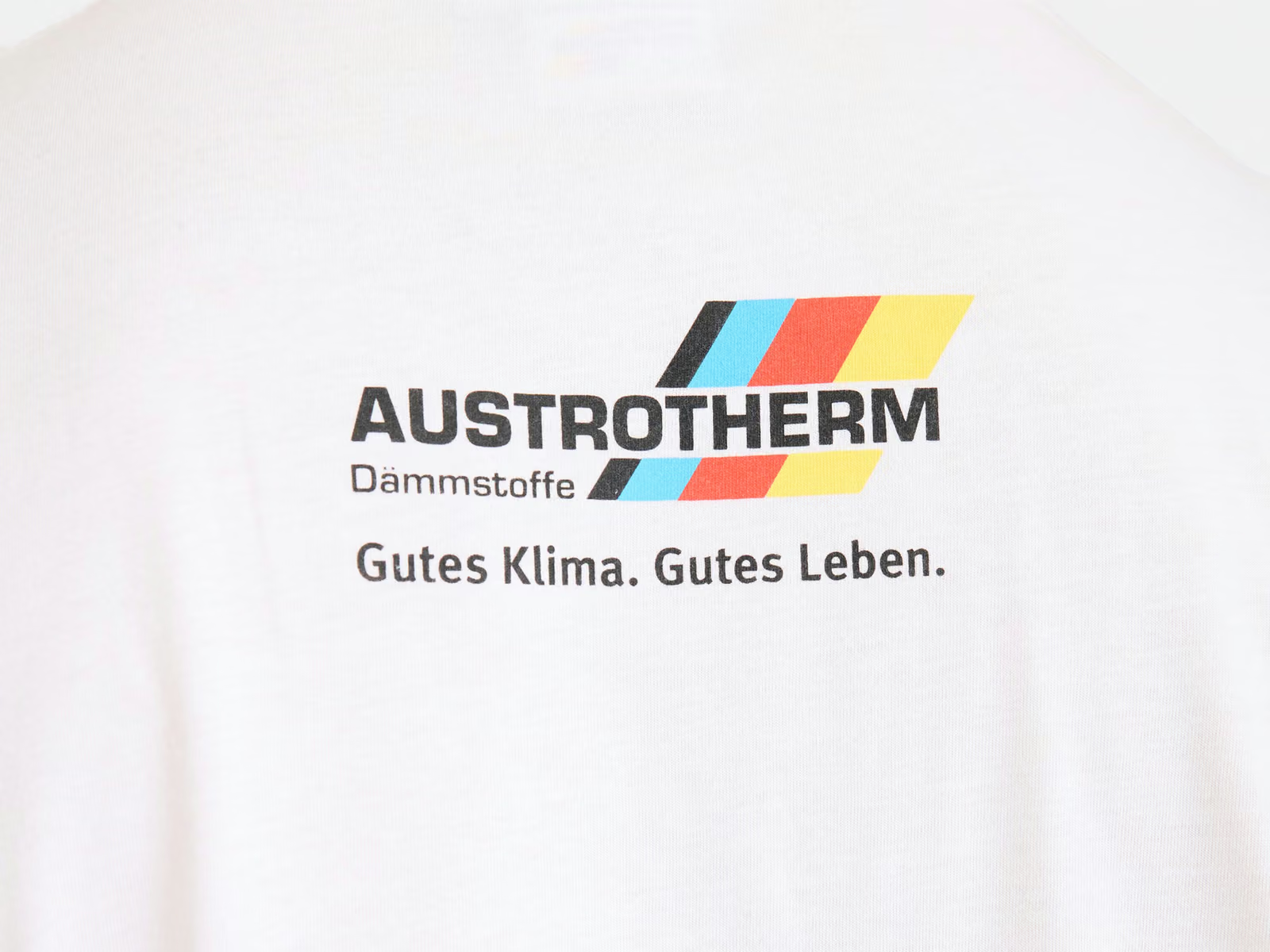
Send vector files where they exist, with fonts outlined, and state the physical print size and placement rather than only showing it on a drawing. Full requirements per method are in the artwork preparation guide.
Sending the same RFQ to several factories
- Send exactly the same document to each. Any difference makes the quotes incomparable.
- State the Incoterm and destination, so every price covers the same delivery point.
- Ask each factory to state the fabric composition and GSM it has quoted.
- Ask what is excluded, and specifically whether sampling, screens, digitising, labels and packing are extra.
- Ask for prices at your target quantity and at one step above and below it.
- Note which factories asked questions. That is a quality signal, not a delay.
What a good quotation looks like when it comes back
- Fabric composition and weight stated explicitly, not described as similar or equivalent.
- Garment price, decoration and packing shown as separate lines.
- One-off costs such as screens, digitising and sampling identified as one-off.
- The quantity, size split and colour count the price is based on.
- The Incoterm and delivery point.
- Lead time split between sampling and bulk production rather than given as one number.
- Validity period, since material prices move.
If a quotation is a single number with no supporting detail, ask for the breakdown before comparing it with anything. A supplier who cannot break it down has not built it.
After the quotation
If the quotation is accepted, the commercial side moves on to the order itself: what the purchase order has to carry, and the payment terms it records.
The next step is normally a sample, and the RFQ becomes the reference for it. How that sample is charged, and why it is not the bulk unit price multiplied by one, is covered in what determines the cost of a sample. Keep one version of the document, dated, and record any change agreed by email against it. That habit costs nothing now and helps settle disputes later, especially when the same product is reordered a year afterwards by someone who was not part of the original conversation.
Voyager Textile's RFQ form is built around this list, and partial information is expected. If a reference in our catalogue is close to what you want, quoting its article code is often the fastest way to define the construction.
Questions buyers ask
What information does a clothing factory need to give me a price?
At minimum: the product, the quantity, the fabric or intended use, the colours, the size split, the decoration, the destination and the delivery date. Everything else refines the quote. Without quantity and fabric, no accurate price exists.
Can I get a quote without a tech pack?
Yes. Reference images, target measurements and a clear description are enough for an initial quotation, and the factory can tell you what it needs before sampling. A tech pack makes the quote more precise and the first sample closer. See what a factory actually needs.
Should I tell the factory my target price?
Yes, framed as a target rather than a limit, and ask what specification reaches it. That way the factory proposes a route to your number openly instead of quietly reducing fabric weight or trim quality to meet it.
How long should a quotation take?
For a complete RFQ, usually a few working days. Longer when fabric has to be sourced or priced, when decoration is unusual, or when the factory has to check capacity for a large programme. Incomplete enquiries take longest, because the questions come first.
Should I send the same RFQ to several manufacturers?
Yes, and send it unchanged so the replies are comparable. Compare fabric specification, inclusions and Incoterm before comparing price, and treat the quality of each factory's questions as part of the assessment.
What is the difference between an RFQ and a tech pack?
An RFQ is commercial: quantities, colours, sizes, packing, destination, dates. A tech pack is technical: construction, measurements, materials and finishing details. Factories need both, and the RFQ usually comes first.
Send the RFQ and see what comes back
Use the list above, fill in what you know, and mark the rest as to be confirmed. If the programme needs certified material, the lines that requirement adds are in verifying certification claims, and the packing information a quotation needs is in pack-out specification. We reply with a quotation built line by line, plus the specific questions needed to make it exact.
Start an RFQ