Quantities, cost and timing
How Long Does Custom Apparel Production Take?
Bulk production at Voyager Textile typically takes 4 to 5 weeks after sample approval. Everything before that, specification review, fabric sourcing, custom colour development and sampling, and everything after it, packing and transport, is additional and varies by project. Planning properly means treating those stages separately rather than asking for one number.
Contents
- The stages, and what controls each one
- How fabric availability affects the schedule
- Sampling rounds are part of your delivery date
- Build the calendar backwards
- Planning around events, launches and staff roll-outs
- What genuinely speeds a project up
- What slows projects down, predictably
- Reorders run on a different clock
- Then there is transport
- Questions buyers ask
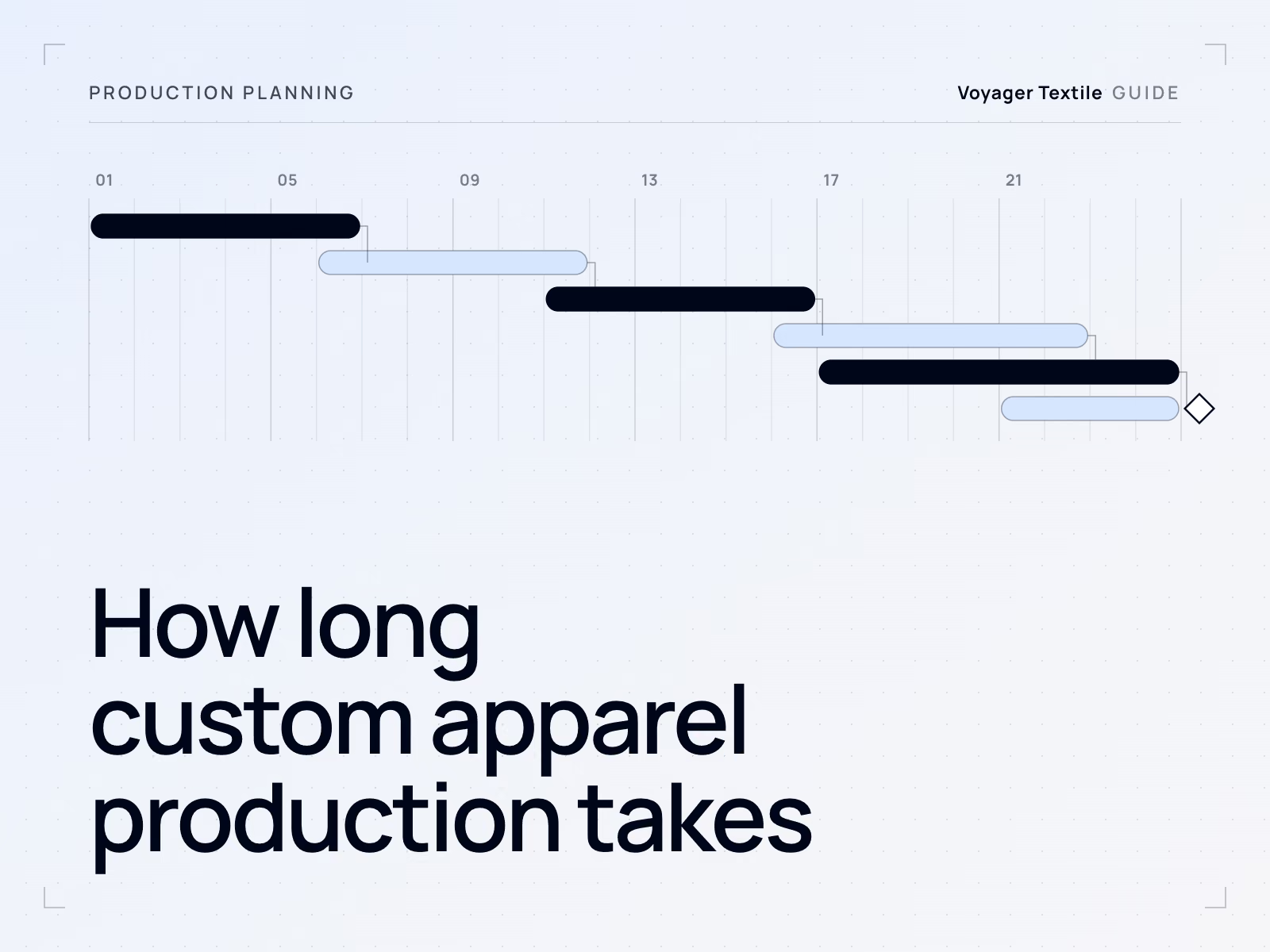
Bulk production is one stage of the project. Material supply, sampling, approvals, production capacity and transport can all affect delivery; plan their durations and dependencies together.
This guide separates the stages so you can plan each one, and shows how to build a calendar backwards from the date you need the goods.
The stages, and what controls each one
| Stage | What happens | What makes it longer |
|---|---|---|
| Brief and specification review | The factory reads the tech pack, checks manufacturability and raises questions | Incomplete specification, unanswered questions, artwork still in progress |
| Fabric sourcing or development | Fabric is selected, checked for availability and booked | Non-standard composition or weight, unavailable stock, mill lead times |
| Custom colour development | Lab dips are produced and approved before bulk dyeing | Each additional lab-dip round, and difficult shades on particular fibres |
| Sample development | Pattern, cutting and sewing of the sample to your specification | Fabric not yet in house, complex construction, decoration on the sample |
| Sample approval | You review fit, construction, colour and branding, and approve or comment | Buyer response time, and each revision round requested |
| Production planning | Materials booked, line slot scheduled, quantities per size and colour locked | Peak season capacity, late confirmation of the order |
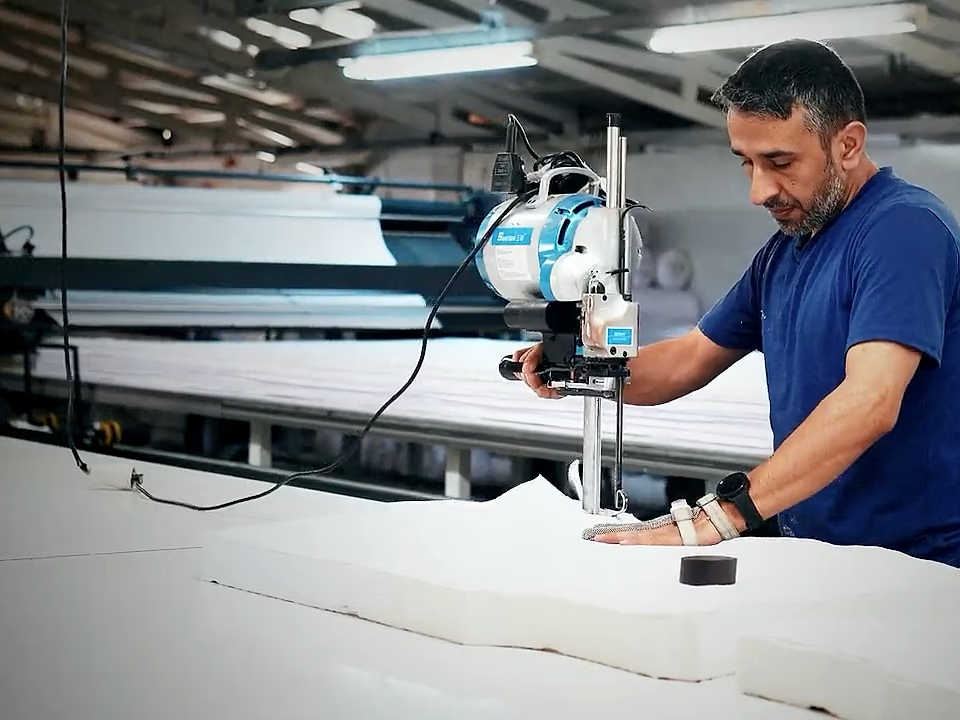
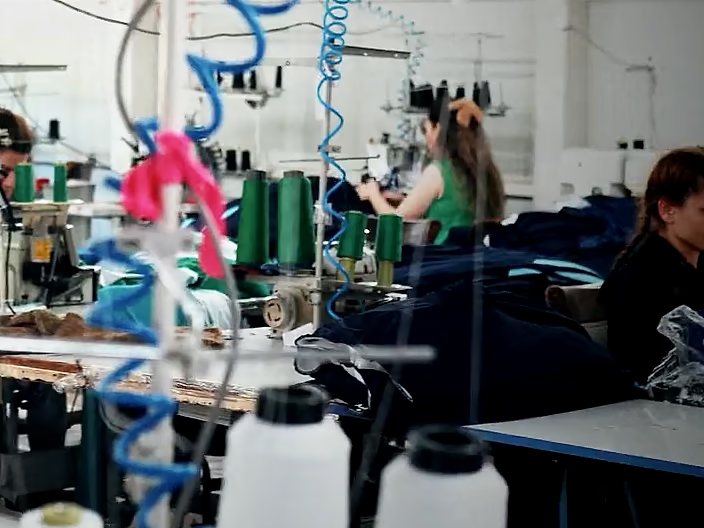
| Bulk production | Cutting, sewing, decoration, finishing and quality control | Order size, construction complexity, number of decorations |
| Packing and export preparation | Folding, bagging, cartoning, labelling and documentation | Retail-ready packing, complex carton and labelling requirements |
| Transport | Road, sea or air to the destination | Mode, route, destination and customs clearance at arrival |
How fabric availability affects the schedule
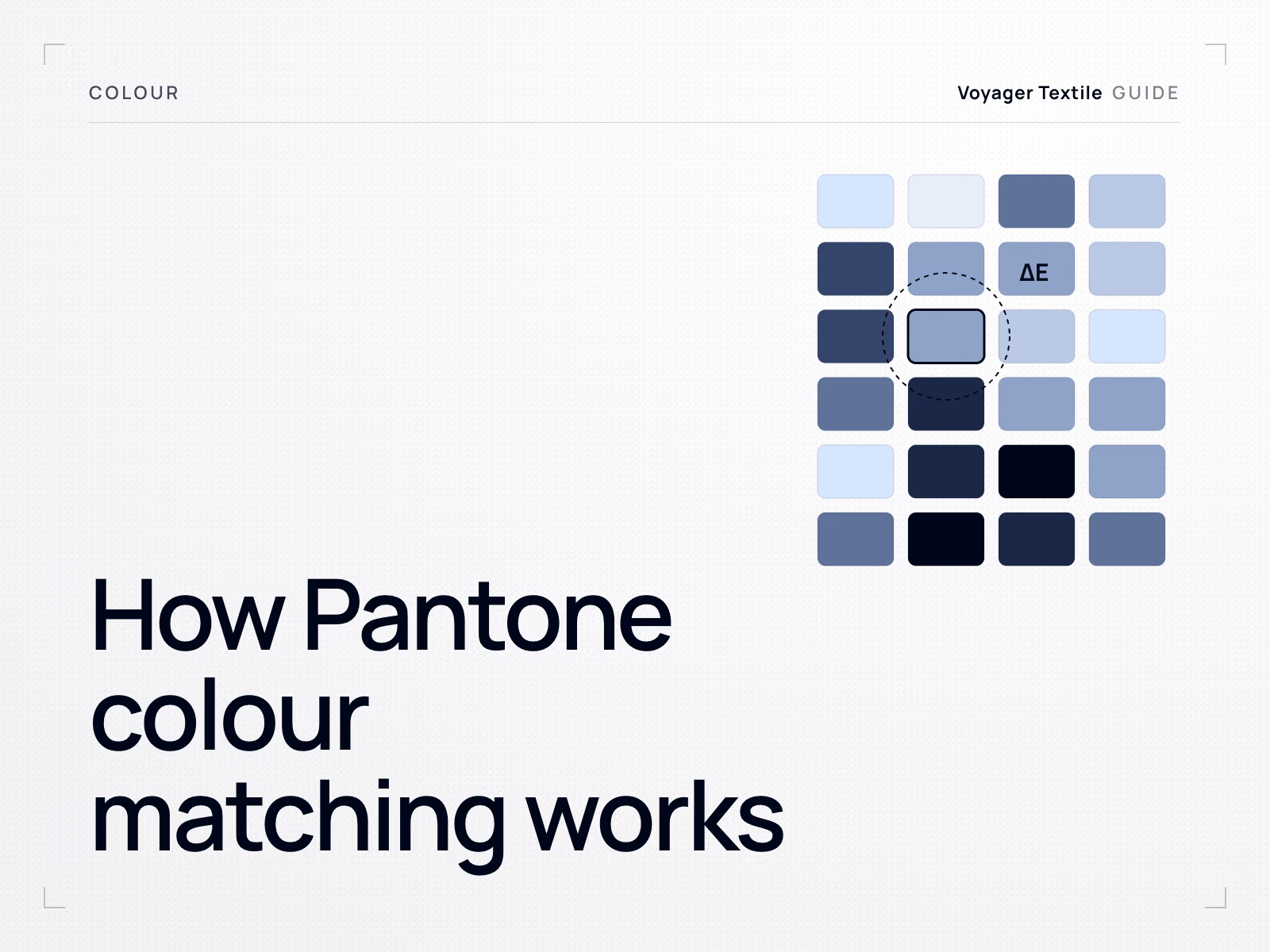
A fabric held in stock in a standard colour can be ready quickly. The same fabric in a custom Pantone colour needs a lab dip, your approval and then a bulk dyeing, and each of those steps has its own duration. A fabric that has to be knitted or woven to your specification starts earlier still.
The practical rule is to settle fabric first. Ask the factory at enquiry stage whether the fabric you want is available now, needs dyeing, or needs to be produced, and plan on that answer rather than on the sewing time. Custom Pantone colour production at Voyager Textile starts at 300 pieces and always includes lab-dip approval before bulk dyeing, which is described in the colour matching guide.
Sampling rounds are part of your delivery date
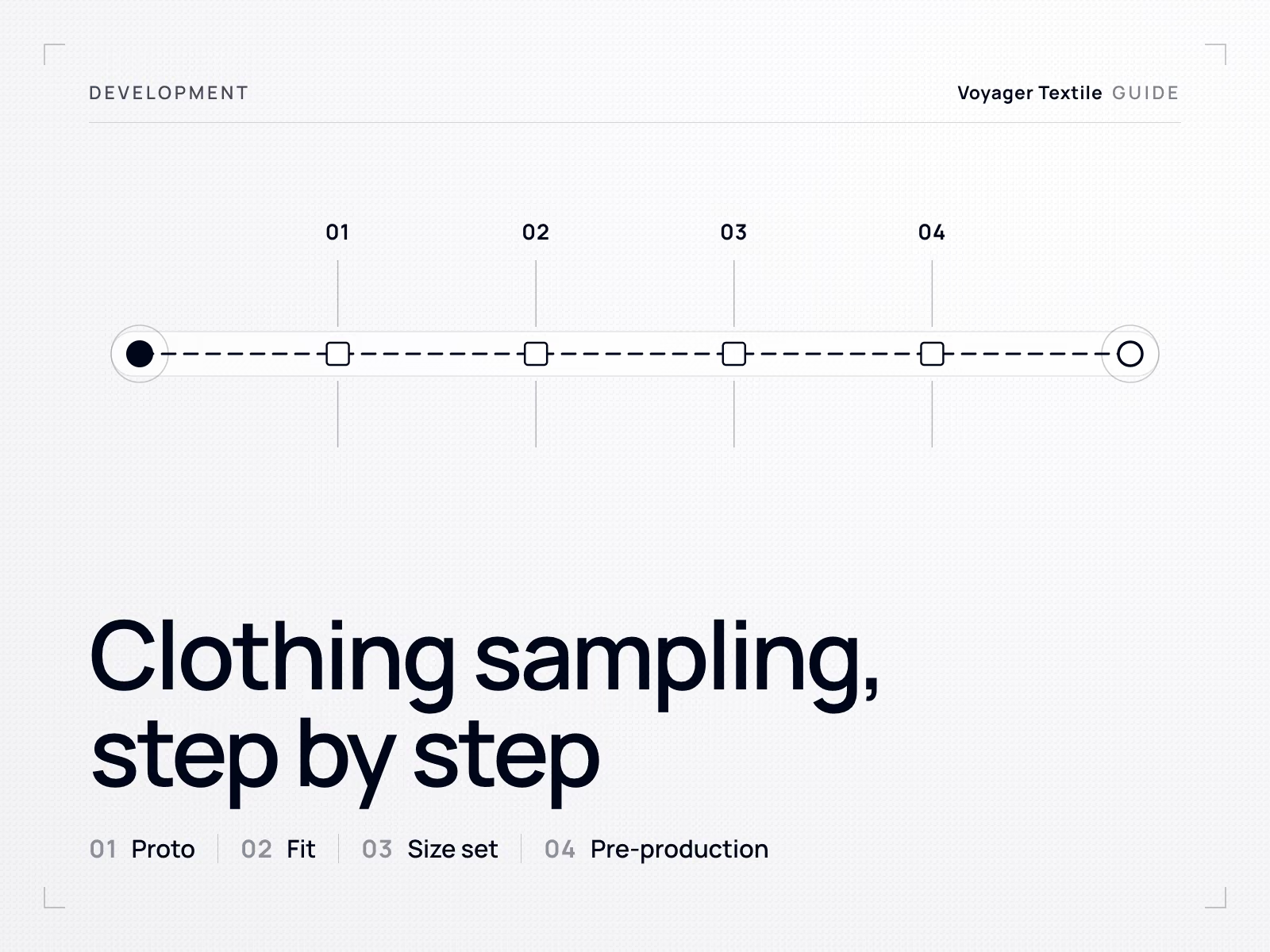
Sampling includes making and reviewing samples, transport where needed, and revisions. The number of rounds depends on the product and the issues identified; allow for required changes and approvals in the schedule.
A clear specification and consolidated feedback can reduce avoidable revisions. Use the sampling guide to plan checks at each stage.
Build the calendar backwards
- Start from the date the goods must be in your warehouse, not the date they must leave the factory.
- Subtract transport and customs clearance for your destination and chosen mode.
- Subtract packing and export preparation.
- Subtract bulk production, which at Voyager Textile is typically 4 to 5 weeks after sample approval.
- Subtract sampling and approval, allowing for at least one revision round.
- Subtract fabric sourcing or dyeing, and custom colour approval if you need one.
- Subtract specification review. The result is the date you need to start, which is usually earlier than buyers expect.
If that date has already passed, the useful conversation is about what to change: a stock colour instead of a custom one, an available fabric instead of a developed one, or a phased delivery where part of the order ships first. This calculation gives you a start date; turning it into a live calendar with owners, dependencies and forecasts is a separate exercise, covered in time-and-action calendars.
Planning around events, launches and staff roll-outs
When the date is fixed by an event, a launch or a start date for staff, work backwards from it using the same stages: transport, packing, 4 to 5 weeks of bulk production after sample approval, your review time, then 5 to 7 business days for the sample. Fabric and any custom colour sit before that. The sample used for bulk approval should represent the intended production fabric, colour and decoration; agree any substitutions in earlier development samples.
- Event and tour merch. The date cannot move, so artwork has to be final before sampling. Assess whether a late design change requires a new sample and revise the schedule accordingly. See merch production.
- Campaigns with promotional textiles. Fix colours and quantities per colour before the sample, since each colour is its own 300. See promotional textiles.
- Corporate wear roll-outs. Collect staff sizes, ideally after a fit trial on a size set, before the size split is locked. See corporate clothing.
- Winter workwear. Work jackets are needed when the cold starts, so the calendar begins in the summer. See workwear.
What genuinely speeds a project up
- A complete tech pack and finished artwork at the first enquiry.
- Choosing from fabrics that are already available rather than developing new ones.
- Accepting a stock colour where the colour is not part of the brand.
- Confirming the size split early, since production cannot be planned without it.
- One consolidated approval per stage, from someone empowered to decide.
- Booking fabric for a whole programme rather than order by order.
- Repeat orders with an unchanged approved specification can reduce development work, subject to material and approval checks.
What slows projects down, predictably
- Artwork that arrives after sampling has started.
- Changing fabric or fit after the fabric has been booked.
- Adding colourways late may require additional sourcing, dyeing or print approvals.
- Late confirmation of labels and packing, which can hold up finished goods that are otherwise ready.
- Peak season, when capacity across the industry is fully committed.
- Public holidays and factory shutdowns at either end of the supply chain.
Reorders run on a different clock
Reorders can be faster when the specification and materials remain unchanged. Confirm material availability, any renewed sample or colour approvals, and the production slot before agreeing a delivery date. reorder consistency guide.
Then there is transport
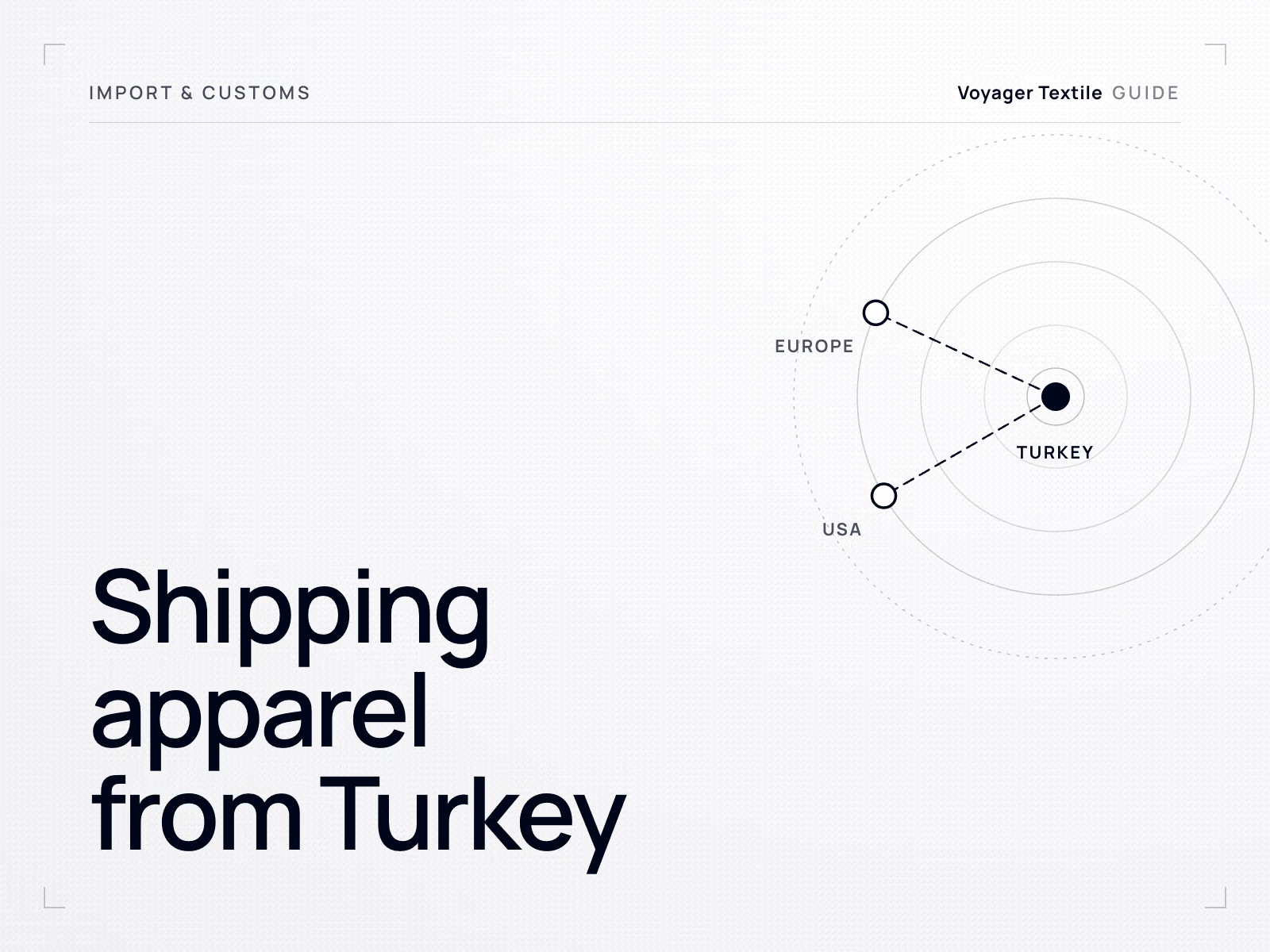
Production ends at the factory gate, but your date is at your warehouse. Road freight from Turkey into Europe typically takes days, while sea freight to the United States takes weeks, and clearance at arrival depends on your documentation being correct. The shipping guide explains Incoterms, documentation and who is responsible for each stage, which is worth settling before the order rather than after production.
Questions buyers ask
How long does bulk apparel production take?
At Voyager Textile, typically 4 to 5 weeks after sample approval. That window covers bulk production itself. Development, sampling, custom dyeing and shipping are additional and depend on the project.
How long does sampling take?
It depends on whether the fabric is available, whether a custom colour has to be developed, and how complex the construction and decoration are. Timing is confirmed after technical review rather than promised in advance, because a sample cannot be sewn before its fabric exists.
What is the single biggest cause of delay?
There is no single cause for every project. Check material supply, sampling and approvals, production capacity and transport against the agreed critical path and contingency time.
Can production be accelerated if I need goods sooner?
Sometimes, by using an available fabric and a stock colour, simplifying decoration, or splitting the order so part ships earlier. Air freight shortens transport but not production. Tell the factory your real deadline at the enquiry stage so the options can be built into the plan.
Are reorders faster than first orders?
Reorders can be faster when the specification and materials remain unchanged. Confirm material availability, any renewed sample or colour approvals, and the production slot before agreeing a delivery date.
How far in advance should I place a seasonal order?
Work backwards from your in-store date through transport, packing, bulk production, sampling and fabric, and add capacity pressure if your season coincides with the industry's peak. For a new product with custom colour, most buyers need to start months rather than weeks ahead.
Ask for a realistic date, not an optimistic one
Send the product, quantity and the date you need goods delivered. We will map the stages against your deadline and tell you plainly whether it is achievable and what would have to change.
Check your timeline