Specification, sampling and quality
How to Keep Colour, Fit and Branding Consistent Across Reorders
Reorders can vary when materials, patterns, trims, production conditions or specifications change. Keep approved physical references together with version-controlled specifications, tolerances and change records, and check each new run against them.
Contents
- The four things that drift, and their controls
- Colour is the most visible failure
- Fit drift and how to freeze it
- The sealed reference sample
- Trims, labels and the substitution problem
- A reorder checklist
- Plan materials for the programme, not the order
- Repeat orders for corporate wear and workwear programmes
- When something does drift
- Questions buyers ask
The first order of a product is a development project. The second is a control problem. Everything that made the first order correct now has to be reproduced by people who may not have been involved, from materials bought at a different time, months or years later.
This is where most long-running apparel programmes quietly deteriorate. Nobody makes a large mistake. A colour moves slightly, a rib is substituted, a pattern is nudged during a fit comment, and three orders later the product is visibly different from the one your customer approved. Drift of that kind is only visible if something records it across orders, which is what supplier performance management is for.
The four things that drift, and their controls
| What drifts | Why | The control |
|---|---|---|
| Colour | Different dye lots can differ in shade | An approved physical colour standard, an agreed tolerance, and assessment under controlled lighting |
| Fit | Small pattern adjustments accumulate across orders | A frozen graded measurement chart and a sealed approved sample, with change control |
| Trims and components | Availability changes and equivalents get substituted | A version-controlled bill of materials, and no substitution without written approval |
| Branding | Label artwork, care content and decoration position get revised separately | Dated artwork versions and a placement specification, checked at pre-production |
Colour is the most visible failure
Fabric colour is created in dye lots. Two lots of the same fabric dyed to the same reference at different times will be close, but not identical, and how close depends on the fibre, the shade and the process. That is normal, and it is managed rather than eliminated.
Dyeing fabric for several deliveries in one lot can reduce variation between lots, but shade checks remain necessary. Keep an approved physical colour standard rather than only a Pantone number, since the reference is the fabric, not the paper. Agree a tolerance and assess new lots against the standard under controlled lighting, not on a desk near a window. The mechanics of lab dips, standards and lighting are covered in the Pantone colour matching guide.
Fit drift and how to freeze it
Fit changes can result from pattern revisions, fabric behaviour, cutting, sewing or finishing differences. Someone asks for a slightly longer body on one order, the pattern is amended, and the amendment persists.
Version the approved graded measurement chart, pattern and sample references. Record changes and agree whether their effect on fit, construction or materials requires a new sample before production. pattern making and grading.
The sealed reference sample
A sealed sample is an approved garment signed and dated by both sides, with a copy held by each. Use it alongside the current specification, tolerances and other approved references when producing and inspecting repeat orders.
Protect the reference sample from light, washing and damage. Check its condition before reuse; if it deteriorates or the specification changes, agree a replacement and archive the previous version with its records.
Trims, labels and the substitution problem
Trims are where quiet substitutions happen, because a drawcord, rib or zip that is no longer available has an obvious equivalent and replacing it feels routine. It is not routine to your customer if the new drawcord is a different white.


- Keep a bill of materials with supplier references, not generic descriptions.
- Require written approval for any substitution, however similar the replacement looks.
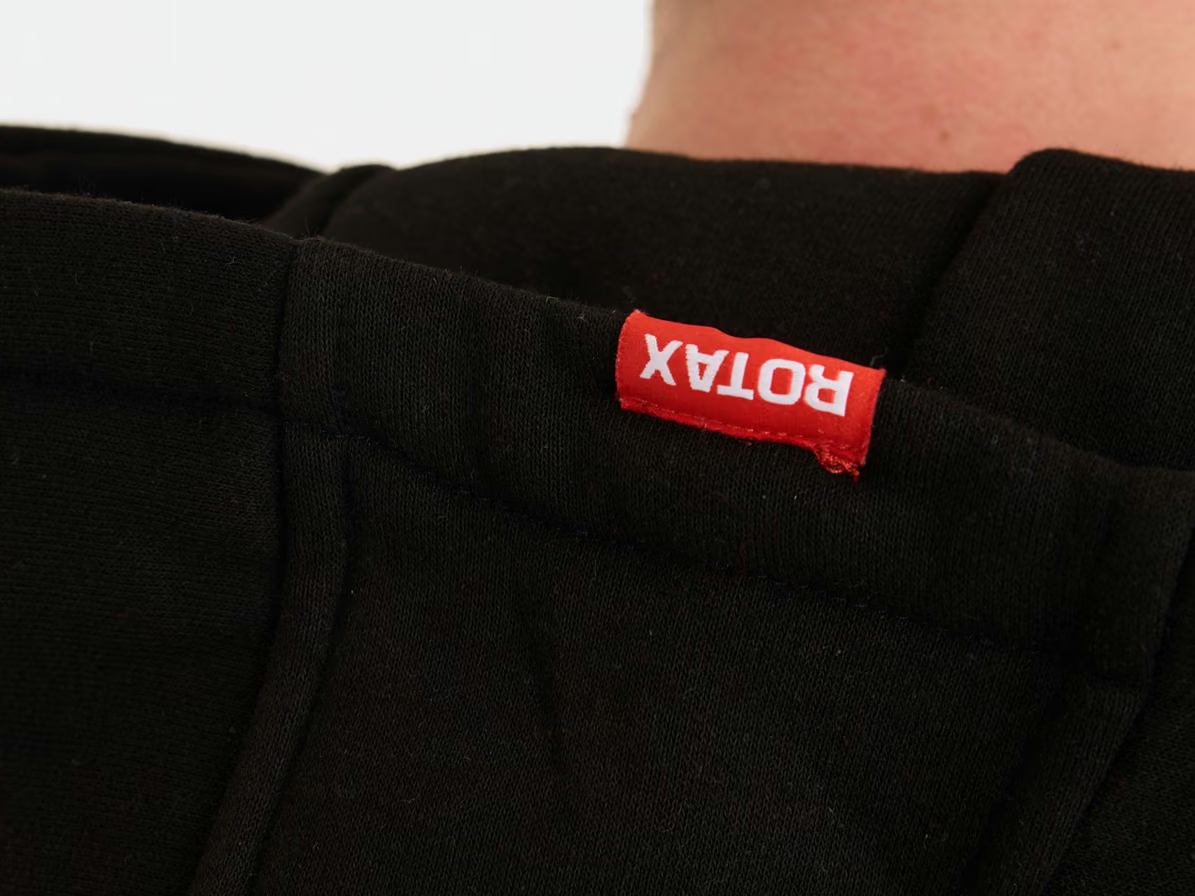
- Order labels and hangtags against a dated artwork version, and check the version at pre-production.
- Re-check care label content whenever the fabric or its supplier changes, since the required content may change with it.
- Photograph and file the approved packing configuration, not only the garment.
Label and packaging detail is covered in the labels and packaging guide.
A reorder checklist
- Reference the article or style code and the specification version, not last time.
- Confirm whether fabric will come from existing stock, an existing dye lot or a new dyeing.
- Confirm the colour standard being used and ask for a new lab dip if a new dyeing is needed.
- Confirm the bill of materials, including trims, and ask whether anything has been substituted.
- Confirm label and hangtag artwork versions.
- Confirm decoration artwork, size and placement against the approved specification.
- Ask for a top of production sample from the new run, compared with the sealed sample.
- Keep the inspection standard and tolerances the same as the previous order unless deliberately changed.
Plan materials for the programme, not the order
Booking materials for several deliveries can reduce sourcing changes, but does not eliminate colour variation or substitution risk. Confirm quantities, storage, inspection and replenishment arrangements for the programme. scaling guide.
Those same records are what make a style transferable if you ever change supplier, as set out in moving clothing production to a new manufacturer. At Voyager Textile, approved samples, patterns, colour standards and packing instructions are kept on file so follow-up orders reproduce the original. Repeat production is the core of the business, and the archive is what makes it repeatable. See how we work.
Repeat orders for corporate wear and workwear programmes
Corporate wear and workwear programmes repeat the same garment for years, and new pieces are worn next to old ones. The first order sets the references every later order is made to.
- Same colour over the years. The approved physical colour standard, not the Pantone number, is the reference for every new dyeing, and a new dye lot gets a lab dip approved against it before bulk.
- Fabric reserve. When the annual quantity is known, fabric for several deliveries can be booked or dyed in one lot. Any reserve is confirmed per project at the quotation stage.
- Size range continuing. New starters need the sizes at both ends of the range. Keep the graded measurement chart frozen and include the rarely ordered sizes in the size split, which can be divided inside the 300-piece minimum per colour and per style.
- Approved samples and colour standards on file. Voyager Textile keeps them, with patterns and packing instructions, so each repeat order is checked against the original references rather than against the last delivery.
Each repeat order is a new production run and meets the minimum again. The buyer groups are described on the corporate clothing and workwear pages.
When something does drift
Handle it factually. Compare the delivered goods with the sealed sample and the agreed tolerances, identify which control failed, and fix that control rather than issuing a general instruction to be more careful. A drift caused by a new dye lot needs a colour decision. A drift caused by a substituted trim needs a purchasing rule. A drift caused by an undocumented pattern change needs version control. The quality control guide covers how to define conformity so this conversation stays measurable.
Questions buyers ask
Why is my reorder a slightly different colour?
A new dye lot is one possible cause. Fabric, finishing, storage and comparison conditions can also affect the result. Compare the new lot with the approved physical standard using the agreed lighting, method and tolerance.
What is a sealed sample?
A sealed sample is an approved garment signed and dated by both sides, with a copy held by each. Use it alongside the current specification, tolerances and other approved references when producing and inspecting repeat orders.
How do I stop the fit changing between orders?
Version the approved graded measurement chart, pattern and sample references. Record changes and agree whether their effect on fit, construction or materials requires a new sample before production. Fit changes can result from pattern revisions, fabric behaviour, cutting, sewing or finishing differences.
Can a factory guarantee an exact colour match on a reorder?
Specify a colour standard, tolerance and assessment method rather than assuming an identical match. Using one dye lot can reduce between-lot differences, but does not replace shade checks.
Should I ask for a sample on every repeat order?
Agree the sample checks needed for each reorder. Material, trim or decoration changes may need approval before bulk starts; a top of production sample checks the new run but does not replace necessary pre-production approval.
How long should a factory keep patterns and standards on file?
Ask, and get the answer in writing. Voyager Textile keeps approved samples, patterns, colour standards and packing instructions on file so repeat orders reproduce the original. Keep your own copies of specifications, artwork versions and the sealed sample as well.
Set up a programme that reproduces itself
If you expect to reorder, tell us the plan. We will agree the colour standard, reference sample and fabric booking approach so each delivery can be checked against the approved references.
Discuss a repeat programme