Materials reference
How to choose fabric for clothing manufacturing
A fabric specification is five decisions, not one: structure, composition, yarn, weight and finish. Weight is the figure everyone quotes and the least informative on its own, because the same GSM in two different structures produces two completely different garments.
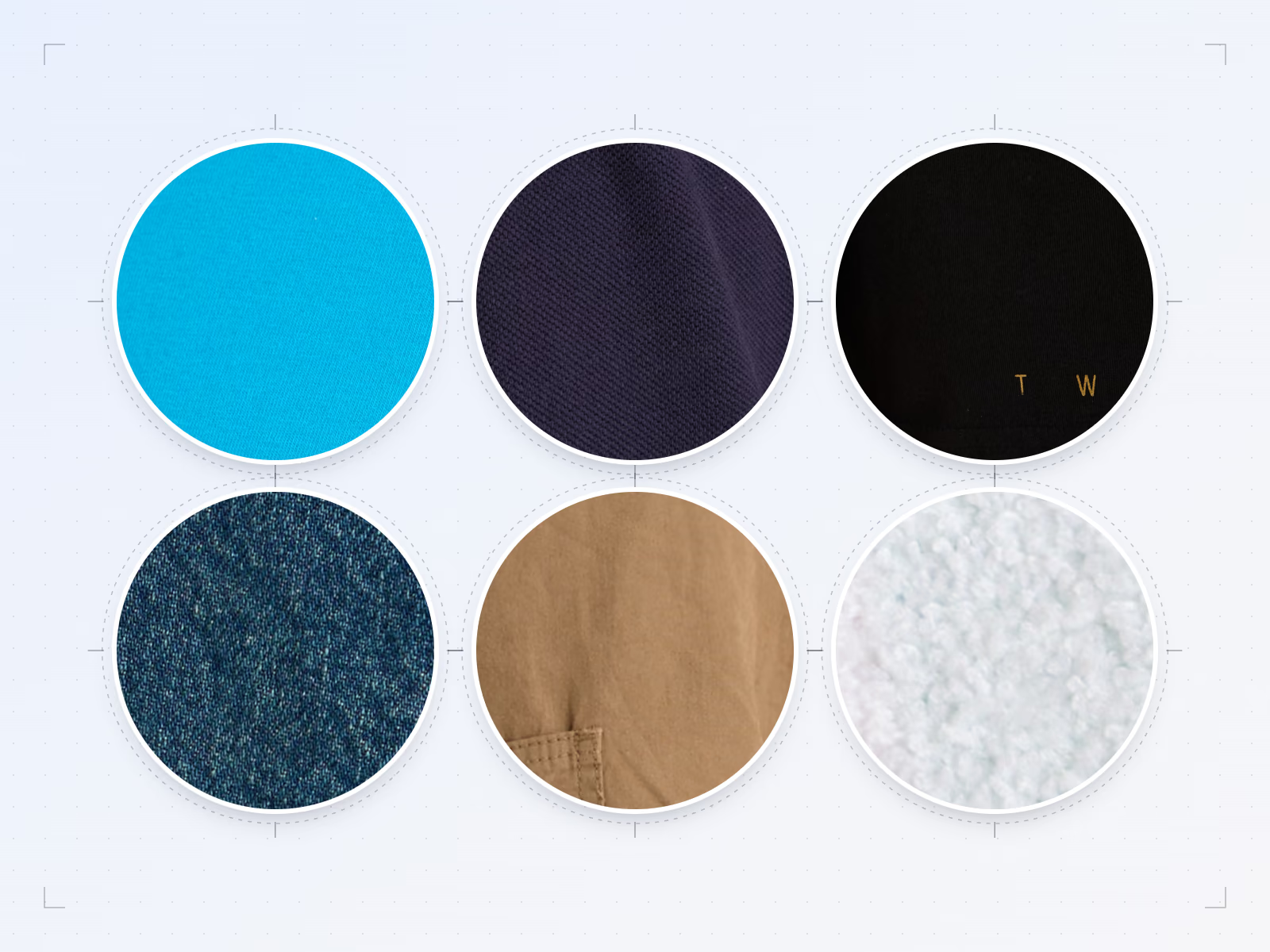
Many fabric problems in apparel production start with an incomplete specification rather than a bad mill. A brief that says 180 GSM cotton jersey leaves at least three decisions unmade, and the mill will make them, reasonably, in whatever way suits its stock. This section is the reference layer for those decisions: what each structure is, how it behaves, and what to state so that a quotation and a delivery describe the same cloth.
The five parts of a fabric specification
| Decision | What it controls | Example |
|---|---|---|
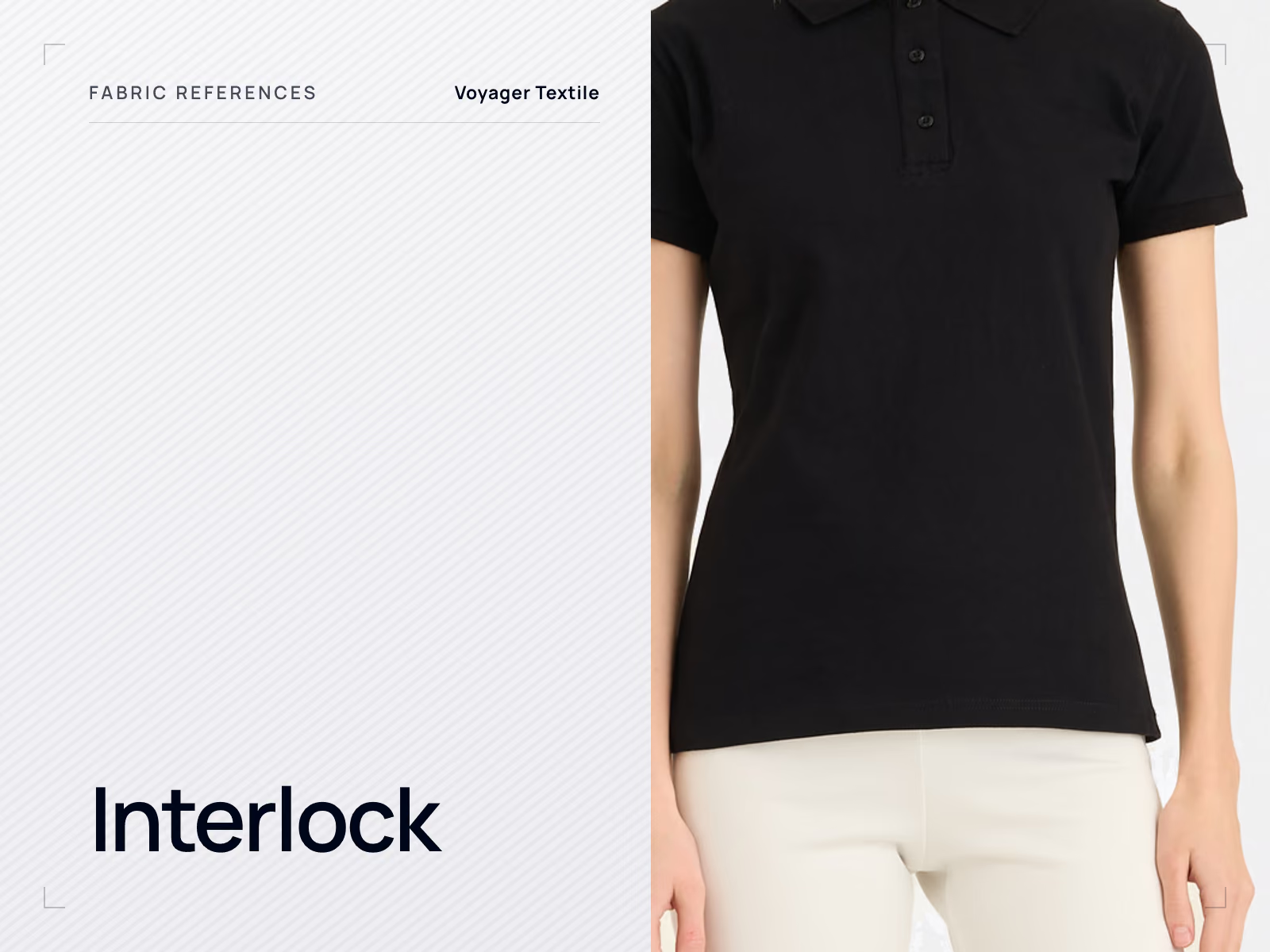
| Structure | How the fabric is built, which decides stretch, drape, edge behaviour and surface | Single jersey, interlock, piqué, French terry, rib, twill |
| Composition | Fibre behaviour: comfort, moisture, shrinkage, dyeing and which decoration is possible | 100% combed cotton, 95% cotton with 5% elastane, 100% polyester |
| Yarn | How the fabric looks and feels after wear and washing | Combed or carded, ring-spun or open-end, yarn count, plied or single |
| Weight | Density and substance, and a direct multiplier on cost and freight | A target in g/m² with an acceptable range |
| Finish | Dimensional stability, surface and hand-feel | Compacted, brushed, enzyme washed, peached, heat set |
Yarn is often left out, and it is the one a customer notices after ten washes. Combed cotton has the short fibres removed, so it is smoother and pills less than carded; ring-spun yarn is finer and softer than open-end. Two fabrics with identical composition and weight can differ substantially on those two lines alone.
Why weight on its own decides very little
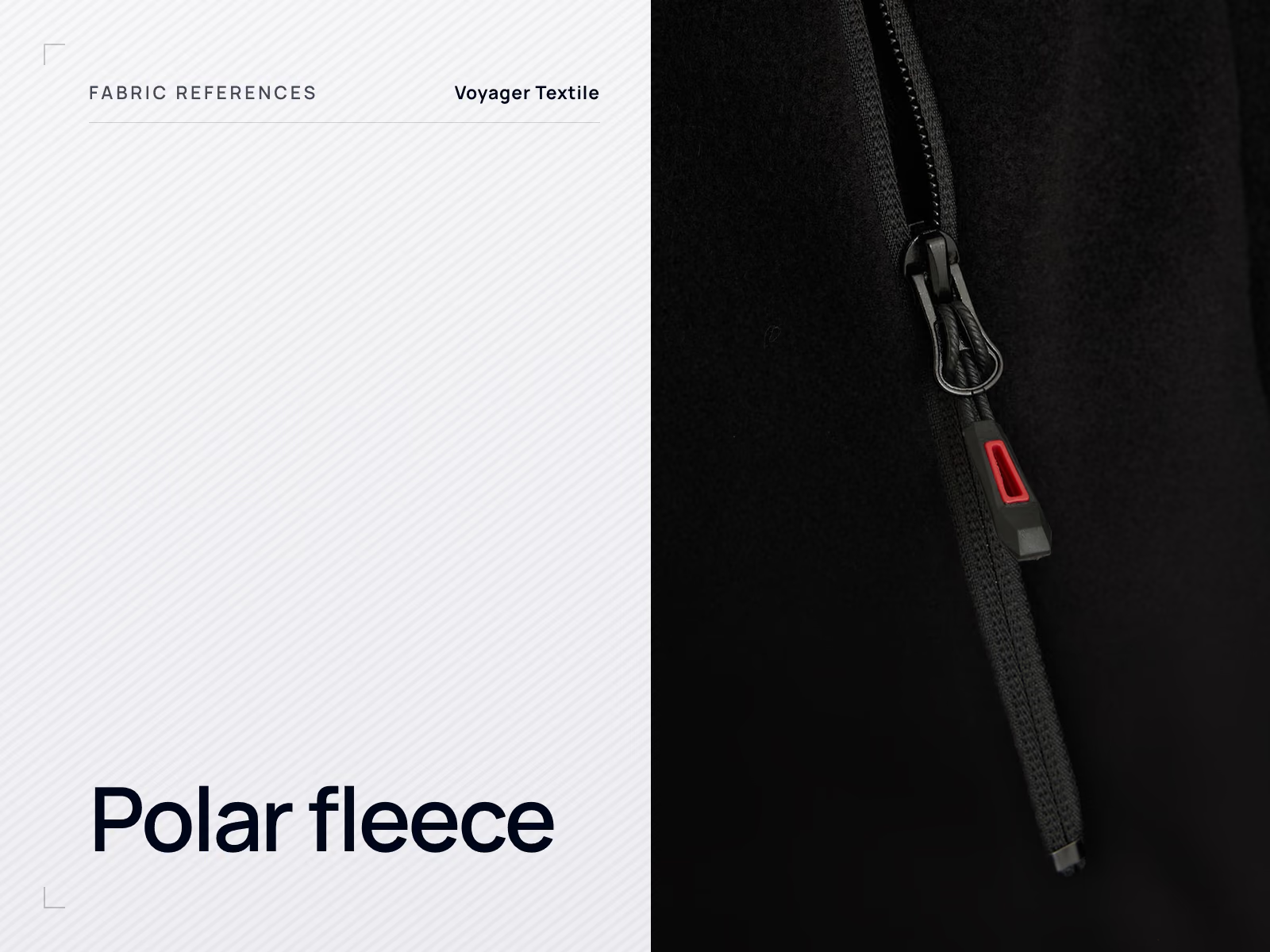
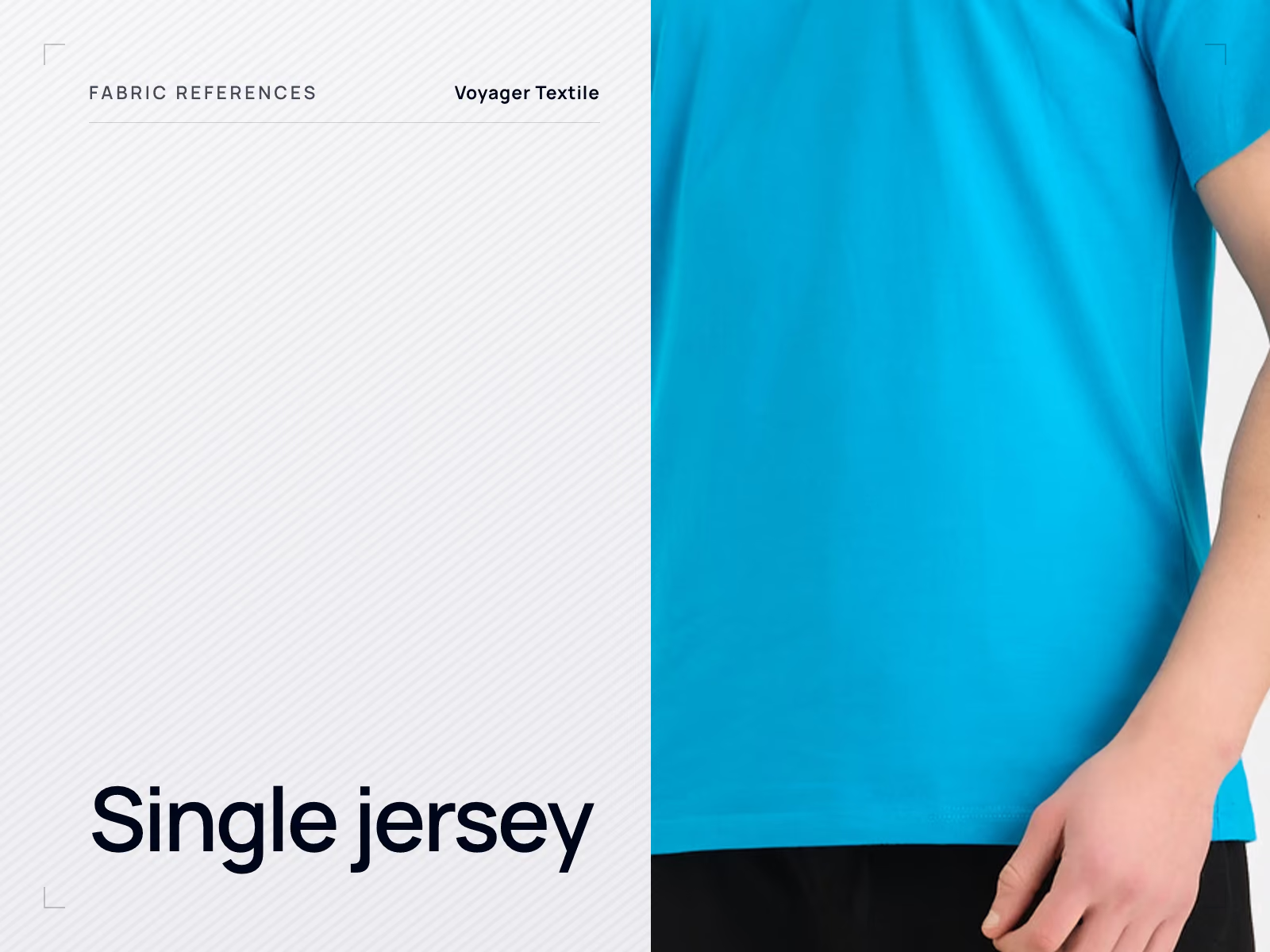
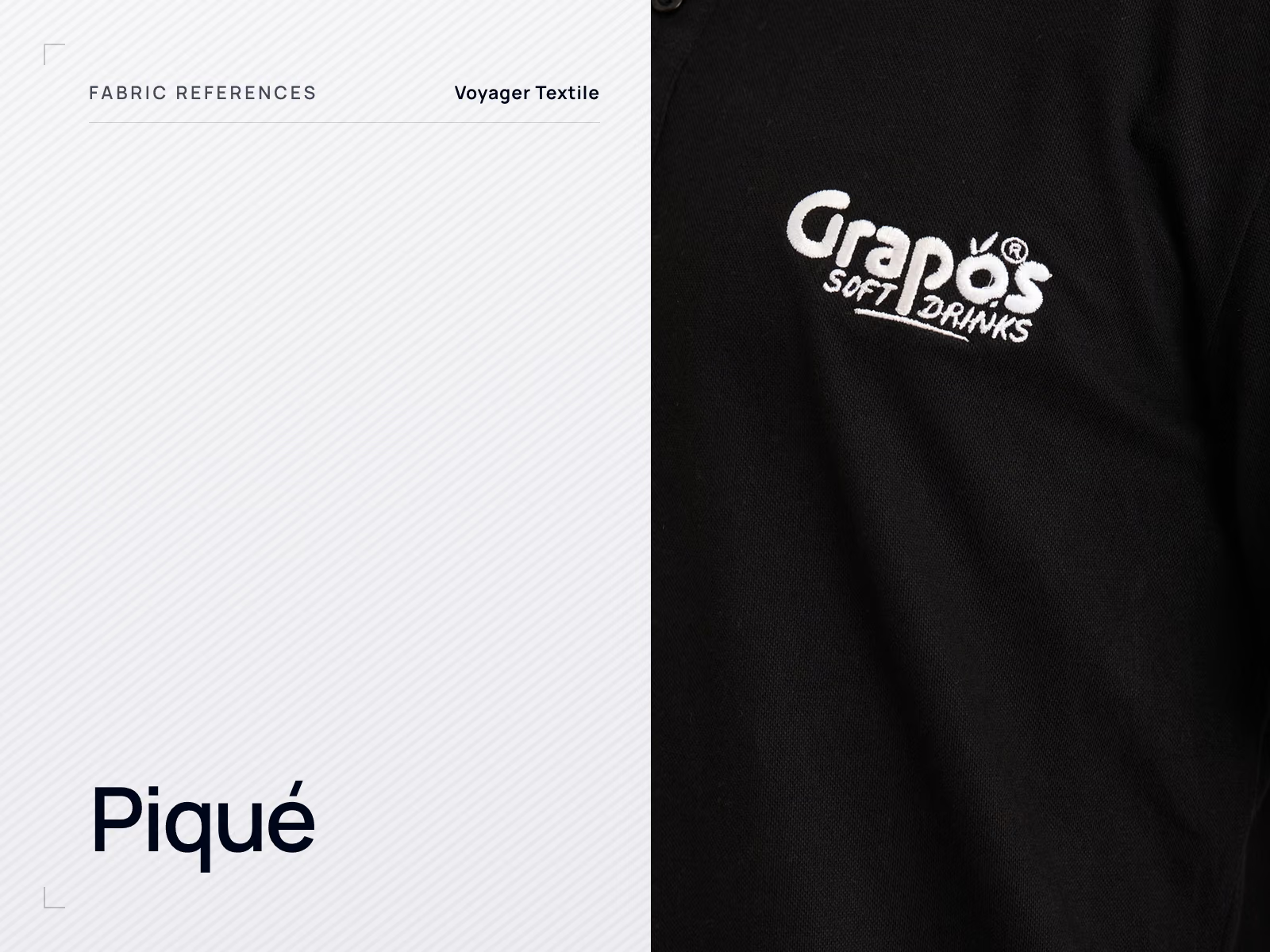
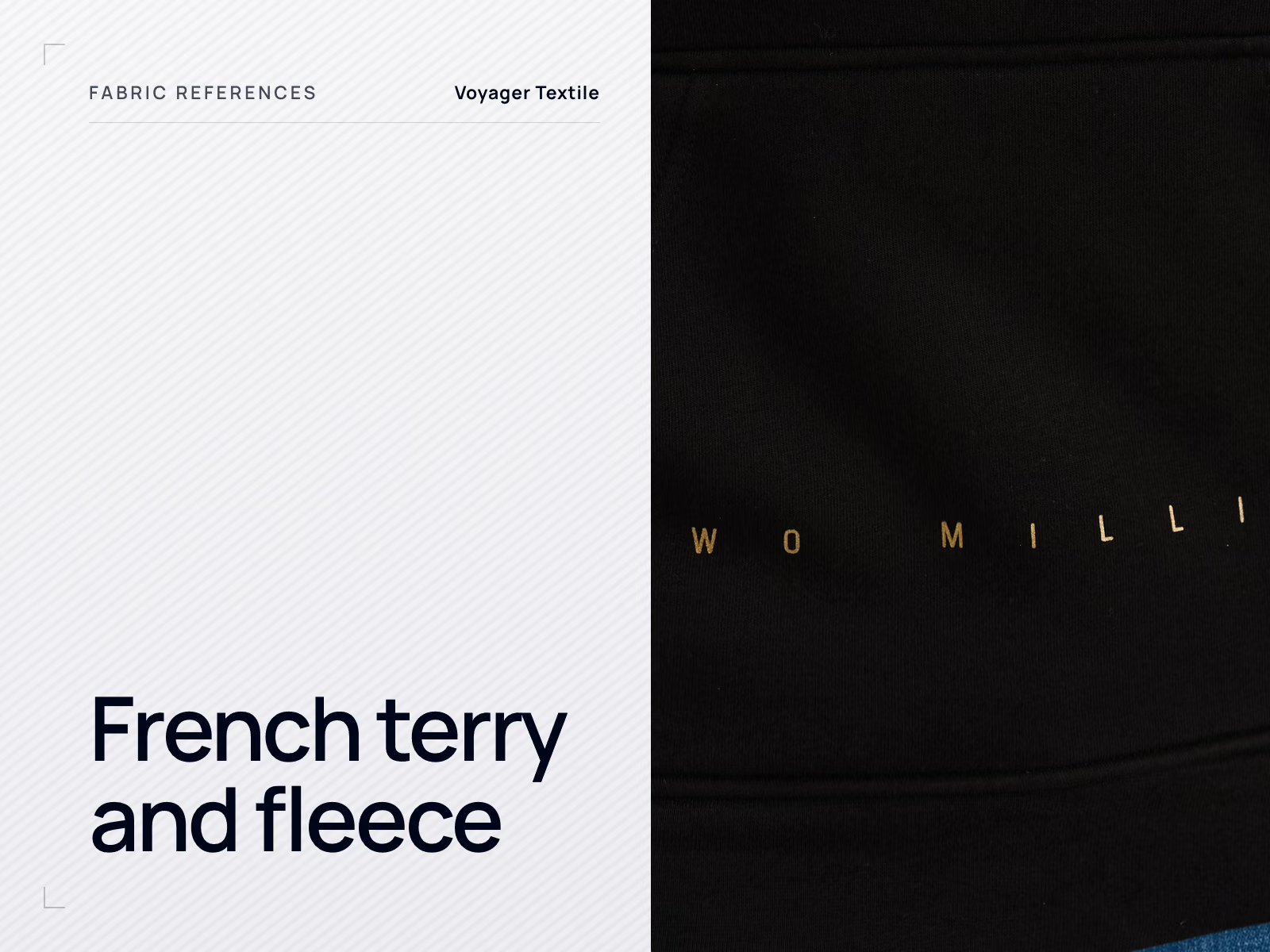
A 200 g/m² single jersey and a 200 g/m² piqué are not interchangeable: one drapes and one holds its shape. A 300 g/m² French terry and a 300 g/m² brushed fleece feel different on the inside and behave differently under a print. Weight is a useful shorthand between people who have already agreed the structure, and it is misleading before that. The concept itself, including typical ranges by garment, is covered in the GSM guide.
What the intended use actually decides
A productive way to brief a fabric is to describe the product's life rather than the fabric. Four things follow from it directly.
- How it will be washed. Frequent hot or industrial laundering pushes the specification towards polyester-rich blends for dimensional stability and colour retention, whatever the hand-feel preference.
- Where it will be worn. Climate decides weight far more sensibly than positioning does. A heavyweight hoodie is a poor product in a hot market regardless of how premium it reads.
- How it will be decorated. Sublimation requires polyester. Dense embroidery needs a stable base. Brushed surfaces soften fine print detail. Deciding fabric and decoration separately is how programmes end up compromised.
- How long it has to last. Surface durability and colour behaviour are properties you specify and test, not properties you hope for. Both are covered in fabric pilling and colourfastness.
Three sourcing routes, three different calendars
| Route | What it means | Effect on the project |
|---|---|---|
| Available fabric, stock colour | An existing quality already produced and dyed | Fastest. Colour choice limited to the shade card |
| Available quality, custom colour | An existing fabric dyed to your reference | Adds a lab dip approval and a dyeing to the calendar, and a colour minimum |
| Developed fabric | Knitted or woven to a specification that does not exist as stock | Longest route, and the only one that gives full control of structure and weight |
Fabric is usually the longest lead item in an apparel project, which is why the fabric conversation belongs at enquiry rather than after sampling. Custom Pantone colour production at Voyager Textile starts at 300 pieces, and the approval mechanics are set out in the colour matching guide.
Sourcing fabric in Türkiye
Voyager Textile produces in Türkiye, which sits next to a large domestic fabric base: knitters producing jersey, interlock, piqué, terry and fleece, weavers producing bottom-weight and workwear cloths, and the dyeing and finishing capacity that goes with them. Turkish mills publish article specifications in the same terms used throughout this section, typically as a yarn count, a composition and a weight with a tolerance, for example a 24/1 combed cotton single jersey at 175 g/m² or a 30/1 double piqué at 200 g/m².
The practical effect for a buyer is shorter iteration. Fabric can be sampled, adjusted and dyed without a long-haul supply chain in the middle, which matters particularly on custom colour and on developed qualities. It does not mean every fabric is available domestically: technical laminates, specialist performance constructions and some yarns are imported as they are everywhere, and a factory should say which is which rather than implying that everything is local.
Writing a fabric specification a mill can quote
What to state
Anything you cannot answer becomes a question at quotation stage, which is fine as long as it is asked rather than assumed.
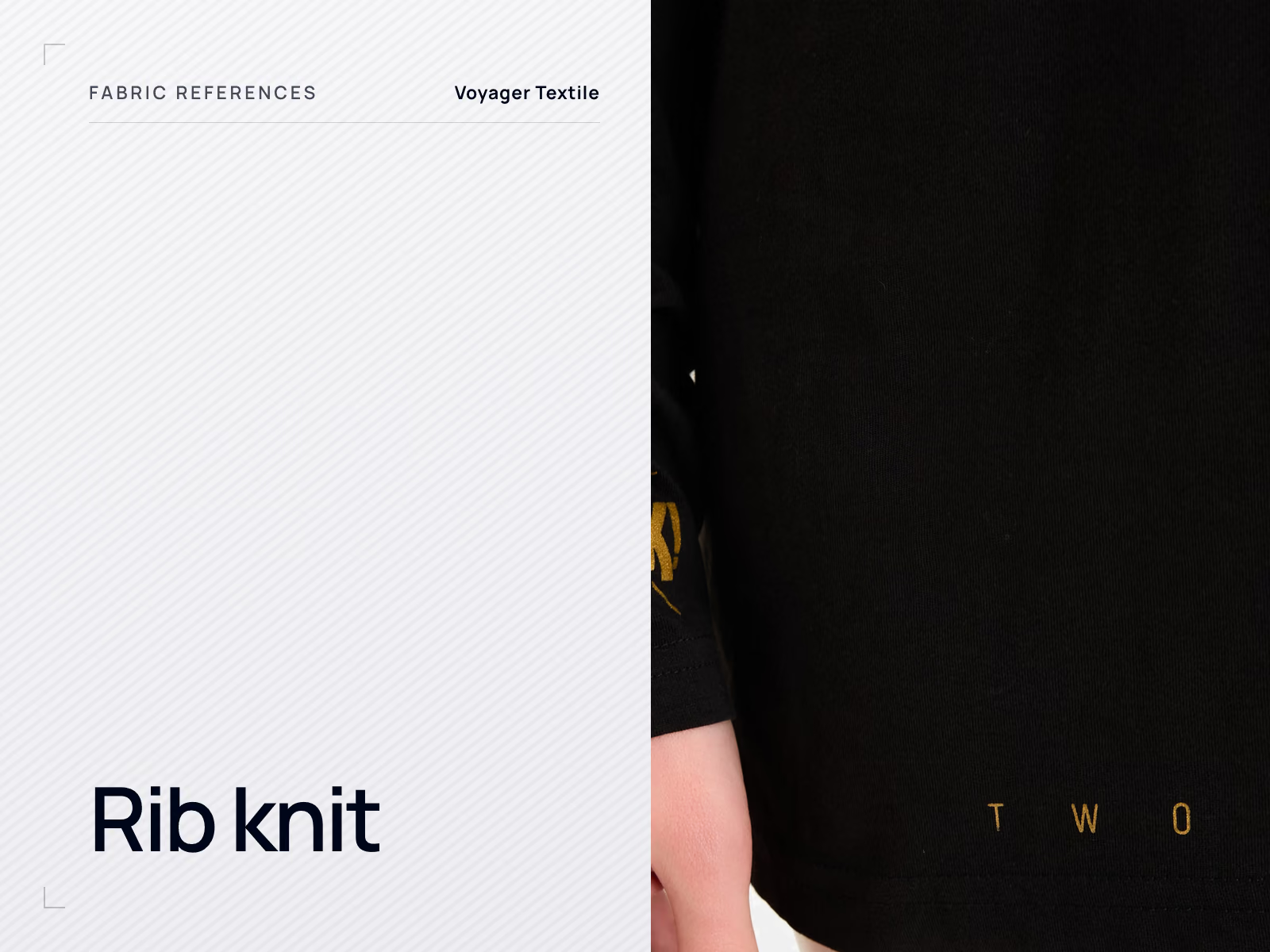
- Structure, named precisely: single jersey, interlock, single or double piqué, French terry, three-thread fleece, 1x1 or 2x2 rib, twill
- Composition with percentages, including elastane
- Yarn quality where it matters: combed or carded, ring-spun or open-end, count
- Target weight in g/m² with an acceptable range
- Finish: compacted, brushed, washed, heat set, or none
- Colour approach: stock shade or custom, with references
- Any performance requirement, with the test method that will prove it
- The decoration the fabric has to accept
- Quantity, so the mill knows whether it is a stock draw or a production run
What to check before approving a fabric
- Handle a physical swatch. Hand-feel is the one property no specification transmits.
- Check opacity in the actual colour, stretched if the garment will be worn stretched.
- Verify the weight rather than accepting the label, particularly on a first order with a new supplier.
- Wash a piece under the conditions the product will face, then measure it and look at the surface.
- Check the colour against the approved standard under controlled lighting, not on a desk.
- Confirm the same article number, yarn and finish will be used in bulk as in the sample.
That last point causes much trouble. A sample made in an available fabric and a bulk produced from a different lot with a different finish will not behave the same way, which is the subject of why bulk differs from the approved sample.