Production problem
Why does bulk production differ from the approved sample?
A sample is one garment made slowly by one experienced person from whatever materials were available. Bulk is thousands of garments made at line speed from a specific fabric lot. Some differences between them are structural and predictable, and some are faults. Telling them apart is what decides whether you have a quality claim or a specification problem.
What you are seeing
The delivered goods are internally consistent but do not match the approved sample: the fabric feels different, the shade is slightly off, a trim has changed, or measurements sit at a different point in the tolerance range.
Contents
This is a complaint that often ends a supplier relationship, and it is also one that is often preventable. Whether it should end one is a question about recurrence rather than about a single order, which is the subject of managing supplier performance. The gap between a sample and bulk is not mysterious. It comes from a small number of structural differences between how the two are made, and each of them has a control that can be applied before production rather than argued about afterwards.
Why the two are not the same exercise
A development sample is made in a sample room. One experienced machinist sews the whole garment, takes as long as the garment needs, and often works with fabric and trims that are available rather than the exact ones booked for bulk. A production line divides the same garment into operations across many operators, runs at a rate that has to be sustainable for a full shift, and uses the materials that were bought for the order.
None of that is a shortcoming. It is what makes bulk production affordable. But it means a sample proves that the garment can be made correctly, not that it will be made identically at scale, which is precisely why a pre-production sample exists.
Expected difference or fault
| Difference | Usually legitimate when | A fault when |
|---|---|---|
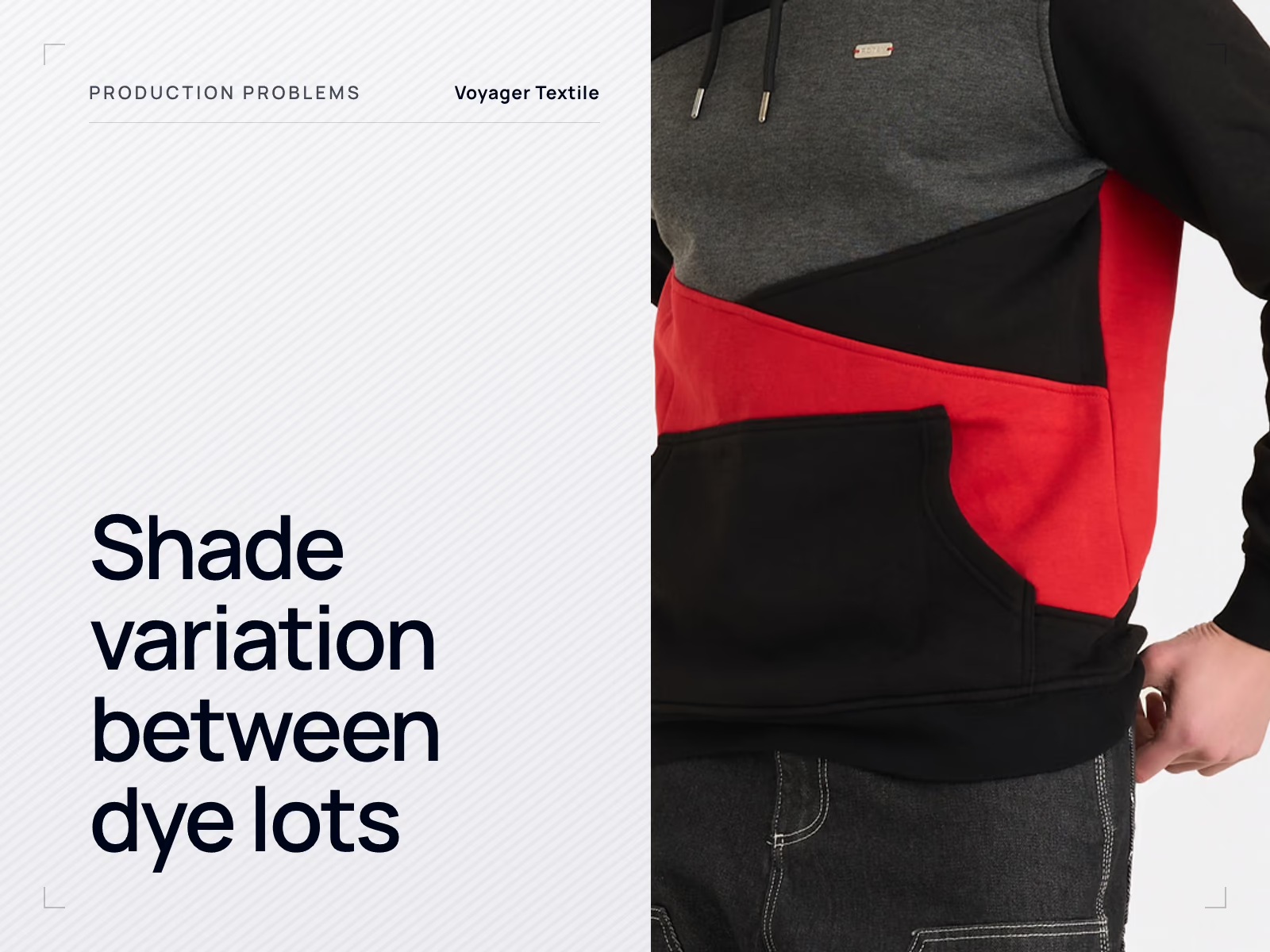
| Shade slightly different | It is a new dye lot and the difference is within the agreed tolerance against the approved standard | No standard was approved, or the difference is outside the tolerance, or it varies within one garment |
| Measurements at a different point in the range | Every measurement is inside the tolerance table | Measurements fall outside tolerance, or the same point is consistently at the extreme across the order |
| Slightly different hand-feel | The fabric is the same specification from a different production run | The composition, weight or finish differs from what was specified |
| A trim looks different | The change was raised and approved in writing before production | It was substituted silently, which is a common cause of a rejected delivery |
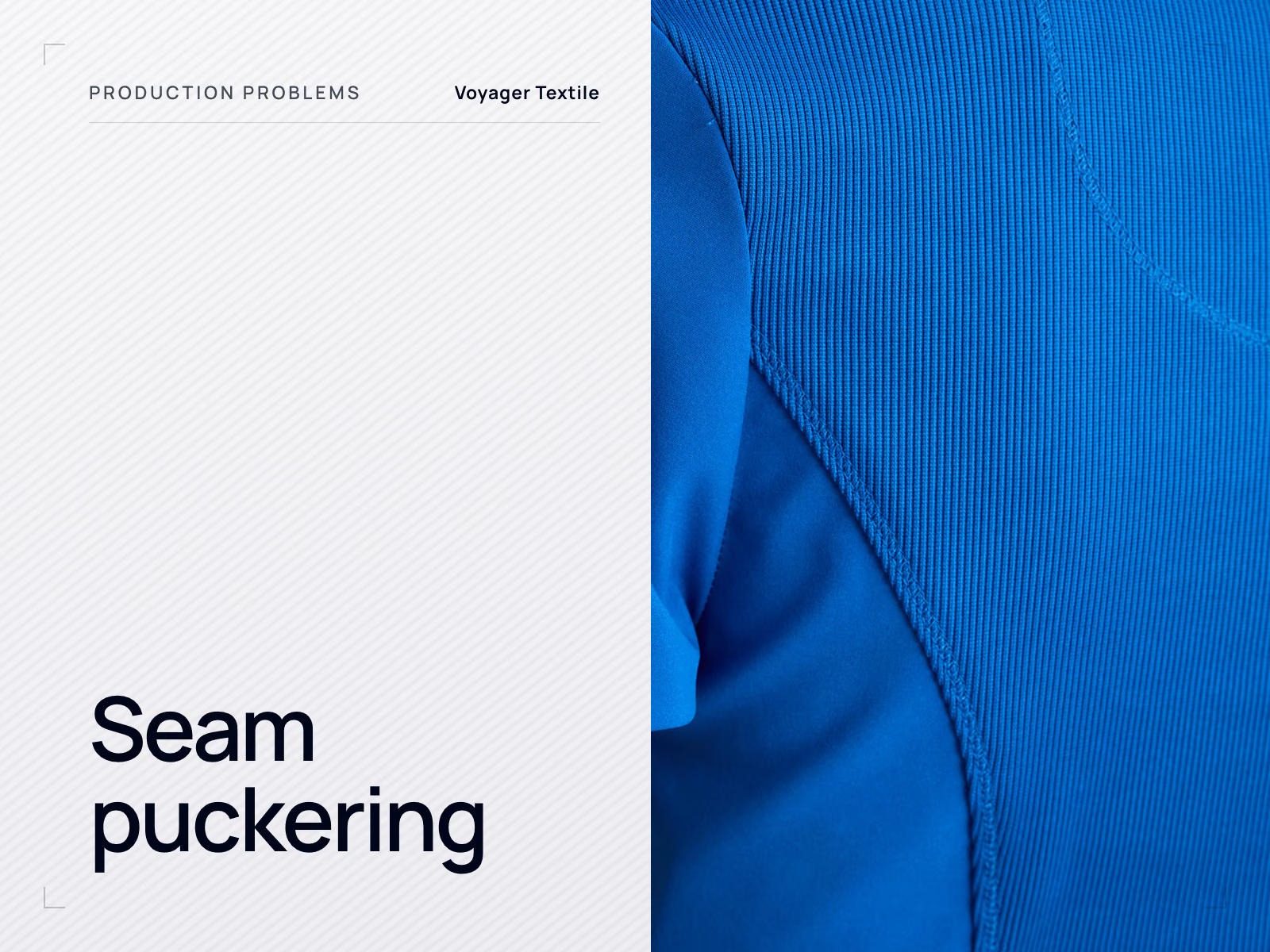
| Seam appearance differs | Line production produces slightly different stitch appearance from a sample machine, within the approved standard | Puckering, skipped stitches or measurable construction differences appear |
Five causes that account for many cases
- The sample was not made in bulk materials. A development sample sewn in a substitute fabric proves construction, not hand-feel or shrinkage. If the only approved sample was made in a different fabric, the gap was built in at the start.
- A new fabric lot. Colour, weight and finish can all move slightly between production runs of the same article. This is normal, and it is why a colour standard and a tolerance matter more than the memory of the first delivery.
- A trim substitution. A cord, rib, zip or label that became unavailable and was replaced with something similar. Almost always well intentioned, almost always the thing the buyer notices first.
- The specification changed after approval. A fit comment applied by email, a placement adjusted verbally, a measurement corrected on one document but not the other. Without version control, bulk is produced from whichever version the production team received.
- Decoration set up differently. A print or embroidery reproduced from a new set-up rather than the approved parameters: a different backing, a different screen, a different digitised file.
The controls that close the gap
Four things, in order of how much difference they make.
- A pre-production sample in bulk materials. Made from the actual fabric, the actual trims, the final labels and the final decoration. This is the sample that should be sealed and used as the production reference, not the earlier fit sample.
- Two sealed counter samples. One held by the buyer, one by the factory, both signed and dated. A dispute then compares two physical garments rather than two recollections.
- A versioned specification. Dated, with every agreed change recorded against it, and both parties confirming which version bulk is produced from.
- A top of production sample. A piece pulled from the actual line at the start of the run and compared with the sealed sample, so a systematic difference is caught in the first hour rather than at final inspection.
The sample stages and what each proves are covered in the sampling guide, and the controls that hold a product stable across repeat orders are in the reorder consistency guide.
If the goods have already arrived
- Put the delivered garment and the sealed sample side by side, in daylight or under the agreed lighting.
- List the differences one by one, each as a specific observation rather than an impression: shade, a named measurement, a named component.
- Check each difference against the tolerance table and the approved standard. Some will fall inside them.
- For anything outside tolerance, establish how many pieces are affected and whether it is consistent across the order.
- Ask the factory to trace the cause rather than to comment on the outcome: which fabric lot, which trim, which specification version, which line.
- Then discuss the remedy, which the order should already define: rework, discount, replacement, and who bears the cost.
After delivery: documenting the difference and choosing between remake and return
After delivery, a claim is only as strong as its evidence: the difference has to be recorded against the references both parties agreed before production, and the remedy chosen to fit the size and cause of the difference. Build the file before any goods are repacked, altered, issued or sold:
- The retained approved sample. The sealed counter sample, signed and dated, kept unworn and unwashed, and compared side by side with the delivered pieces.
- Photographs. Each delivered piece next to the sealed sample in daylight or the agreed light source, with a colour reference or scale in the frame, plus the carton marks, labels and carton number of every piece photographed.
- Measurements. The points from the tolerance table, taken on a stated number of pieces per size and recorded next to the specified value and tolerance, with the count of pieces outside it.
- Lab reports. Results for the disputed properties, such as composition, fabric weight, colourfastness or dimensional change, from a laboratory both parties accept and to the test methods named in the specification.
- The dated purchase-order specification. The version of the tech pack and purchase order that bulk was produced against, with every change approved in writing after that date.
| Remedy | What it means | Usually fits when |
|---|---|---|
| Remake | The factory produces the affected quantity again to the specification | The difference is outside tolerance, affects much of the order, and the delivery date still allows a new production run |
| Credit | The value of the affected goods is credited against this or a later order | The goods cannot be used, but a remake would arrive too late for the season, event or roll-out |
| Discounted acceptance | The buyer keeps the goods at an agreed reduction | The difference is visible but does not stop the garment being worn, issued or sold |
| Return | The goods go back to the factory, with return freight and customs formalities handled as agreed | The goods cannot be used or sold and a remake is not wanted |
Which remedy applies, who pays for freight and testing, and the deadline for raising a claim are best written into the order or a quality agreement before production starts; the supplier quality agreement guide explains how non-conforming production is handled there. This section describes common practice between buyers and factories. It is not legal advice, and it does not describe Voyager Textile's own terms.
Preventing it on the next order
Buyer side
- Approve a pre-production sample in bulk materials, not just a fit sample
- Seal and retain a counter sample
- Version the specification and confirm which version applies
- Set tolerances and an inspection standard before production
- State that substitutions require written approval
- Respond to approval requests promptly, since delay is what causes substitutions
Factory side
- Produce the pre-production sample from the booked materials
- Raise any material or component change before making it
- Run a top of production check against the sealed sample
- Keep the approved sample, patterns and colour standards on file
- Flag when a new fabric lot will be used on a repeat order
At Voyager Textile bulk production starts only after a sample is approved, and approved samples, patterns, colour standards and packing instructions are kept on file so repeat orders reproduce the original. The full production sequence is on the manufacturing processes hub.
Questions this raises
Should the pre-production sample always be in bulk fabric?
Yes, and it is the difference between a sample that predicts bulk and one that does not. A garment sewn in a substitute fabric can confirm construction and measurements, but it cannot confirm hand-feel, shade, shrinkage or how the fabric behaves under the machine.
Is a small shade difference from the sample acceptable?
It depends on whether a colour standard and a tolerance were agreed. Dyeing is a batch process, so a new lot will differ slightly. Without an agreed standard there is no basis for calling it acceptable or not, which is why the standard matters more than the first delivery.
The factory changed a trim without telling us. What now?
Establish whether the substitute meets the specification. If it does not, it is a straightforward non-conformity. Either way, add a written no-substitution clause to the order so the next occurrence requires approval rather than explanation.
How do we stop this happening on reorders specifically?
Keep the sealed sample, the versioned specification, the approved colour standard and the digitised embroidery file together as the programme record, and book fabric for the programme where volumes allow. Repeat production drifts when the record lives in an email thread rather than in a controlled set of references.
Setting up a programme you will reorder?
Tell us what you intend to produce and how often. We will agree the sample that becomes the production reference, seal counter samples and keep the specification on file so the third order matches the first.
Discuss a production programme