Diagnostic reference
Apparel production problems, and where they come from
Most defects in bulk apparel come from one of four places: the fabric, the cutting and sewing, the decoration, or the gap between a sample room and a production line. Identifying which one you are looking at is the whole diagnosis, because it decides both the fix and who is responsible for it.
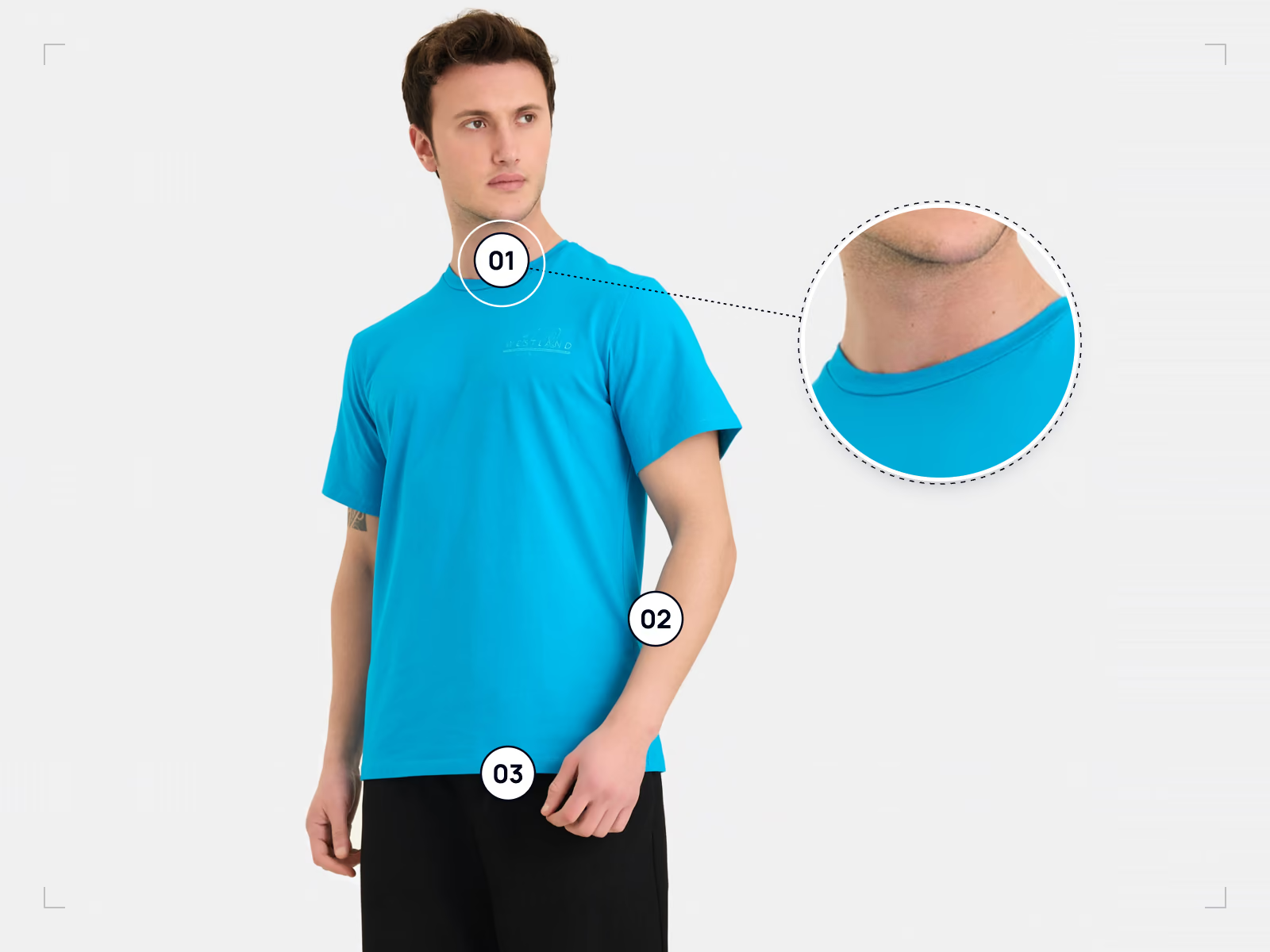
A defect report that says the quality is poor cannot be acted on. One that says the body length is 2 cm short on every piece in cartons 4 to 9, and correct in the first three cartons, tells a factory almost exactly where to look. The difference between those two messages is usually a few minutes of structured checking, and it is what turns a dispute into a correction.
This section covers faults that occur often in bulk production, what actually causes each one, and how to tell them apart. Each page is written from the manufacturing side: what the mechanism is, which production stage it belongs to, how to confirm it, and what prevents it next time.
Work out where the fault originated
Apparel defects generally belong to one of four stages, and each stage produces a recognisable signature. Before deciding what went wrong, decide where it went wrong.
| Stage | Typical signature | Examples |
|---|---|---|
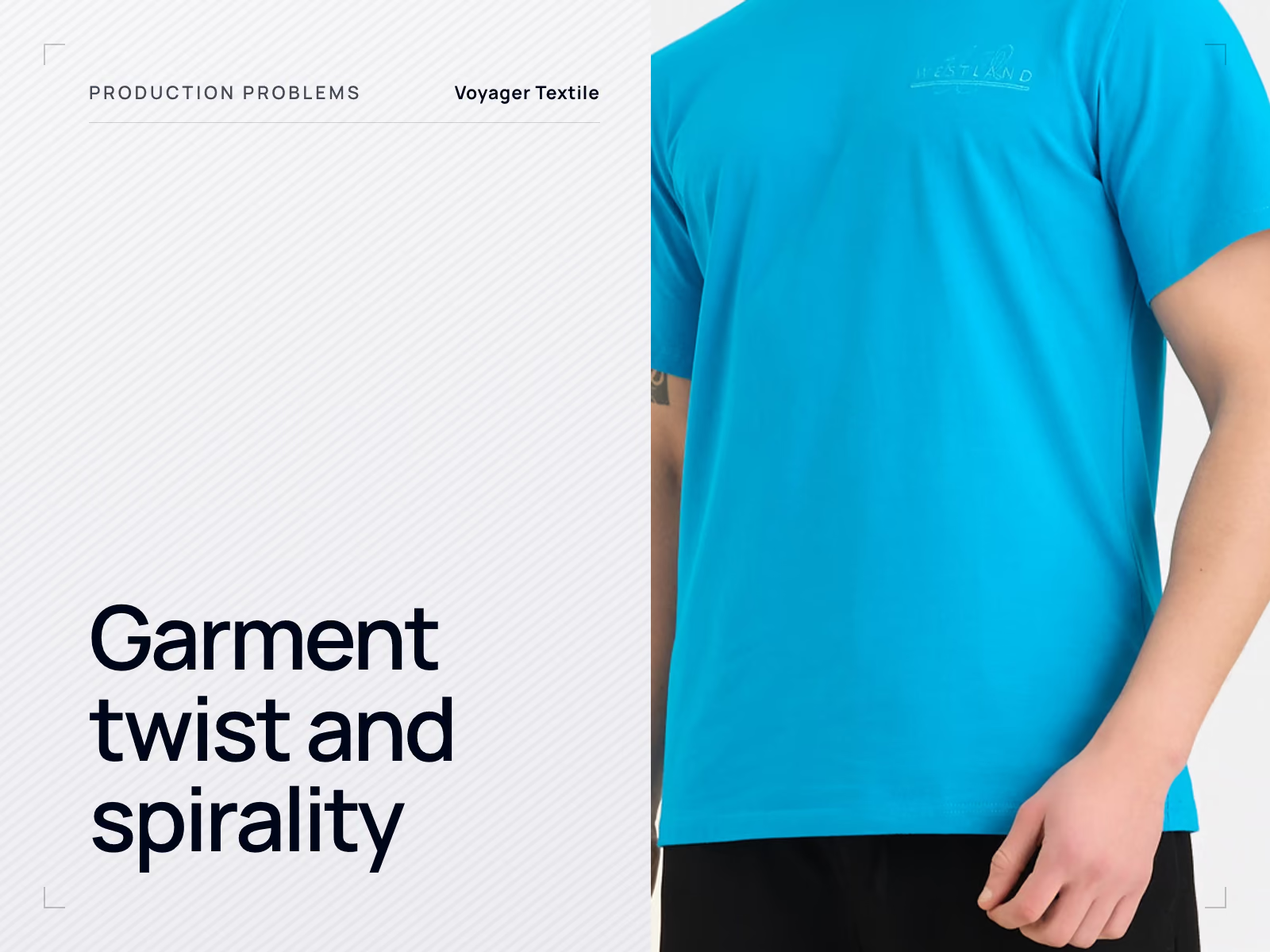
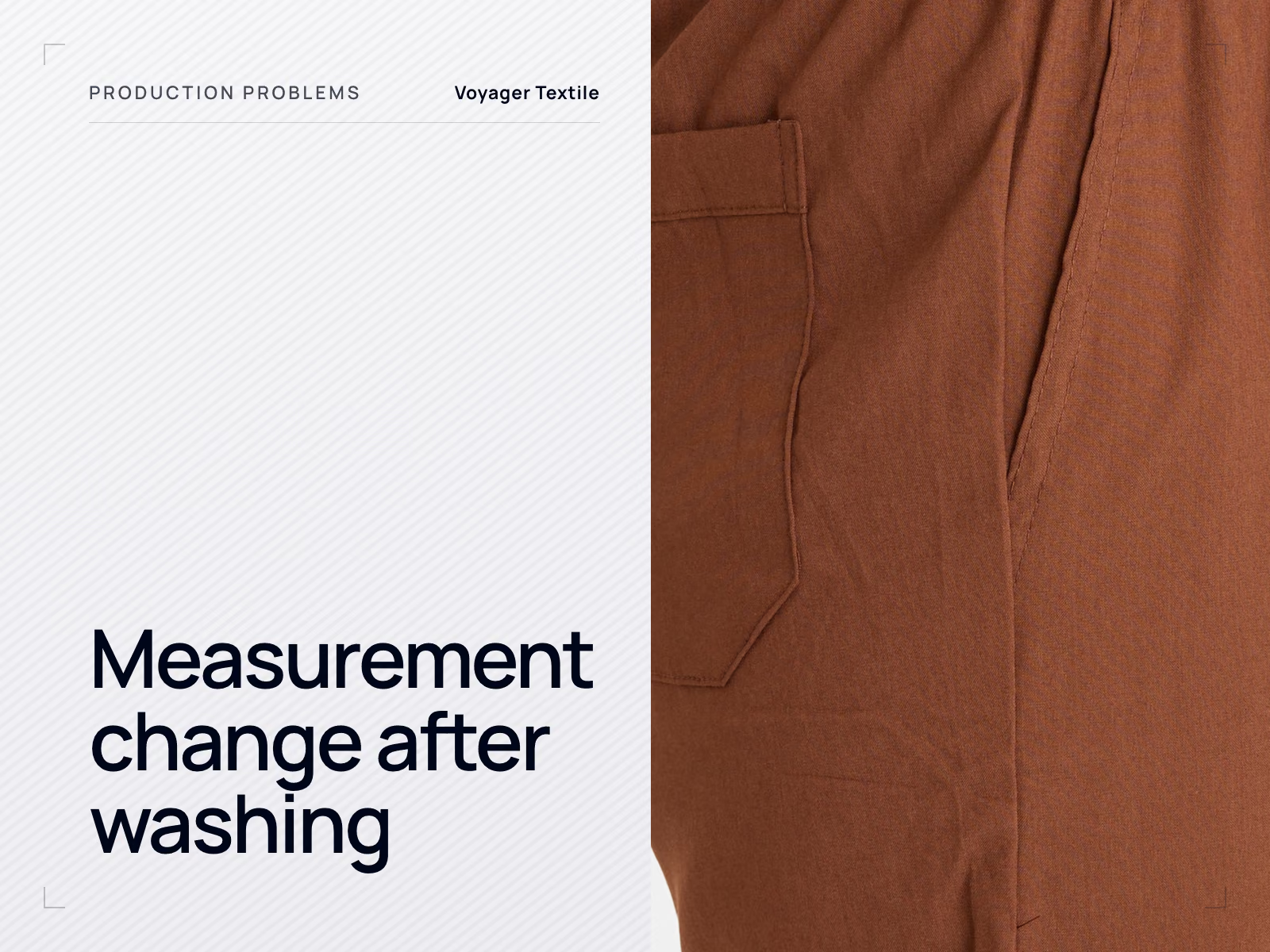
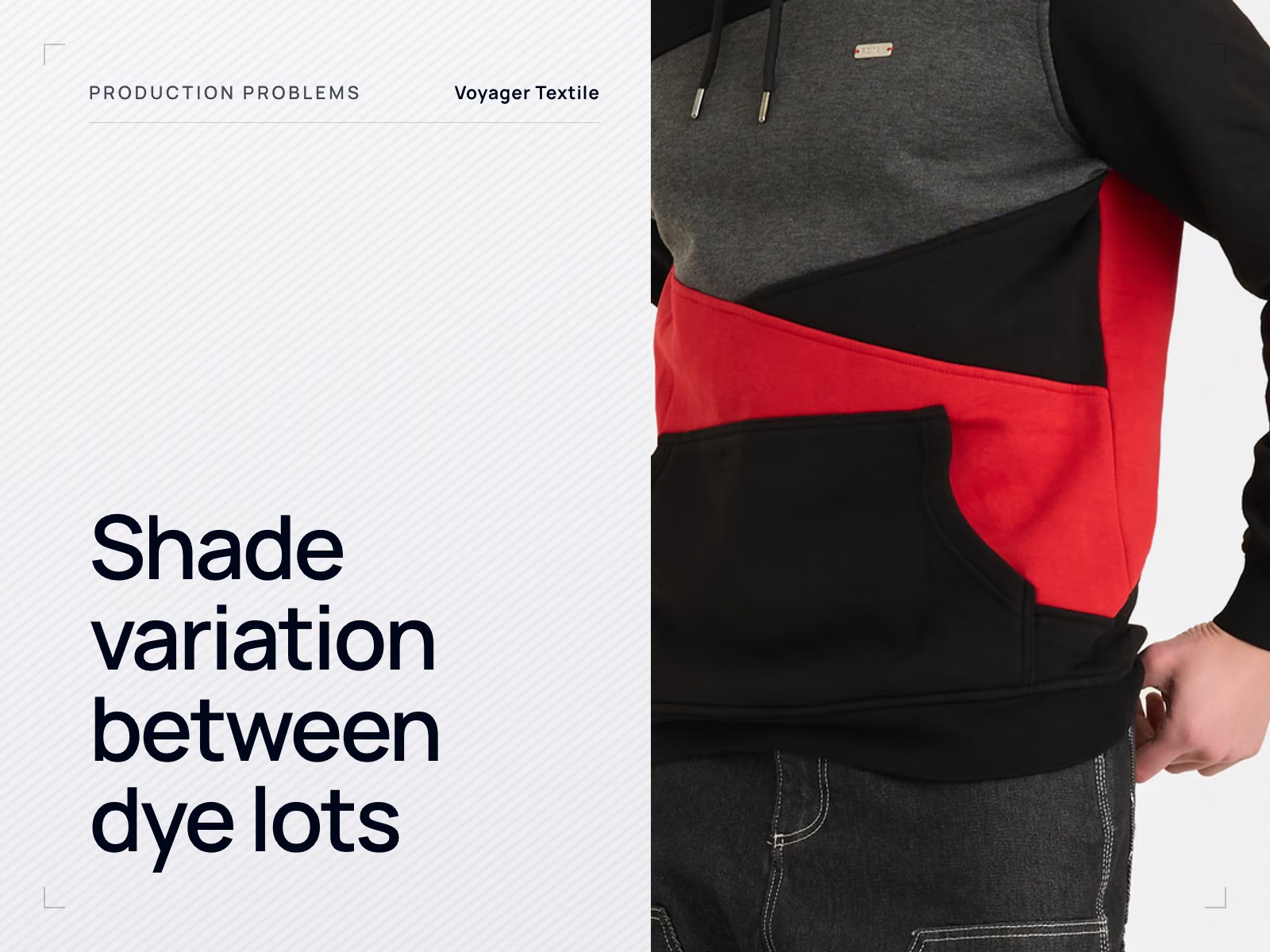
| Fabric | Affects whole rolls or whole colours consistently, and often only appears after washing | Twisting, shrinkage beyond tolerance, shade variation between lots, pilling |
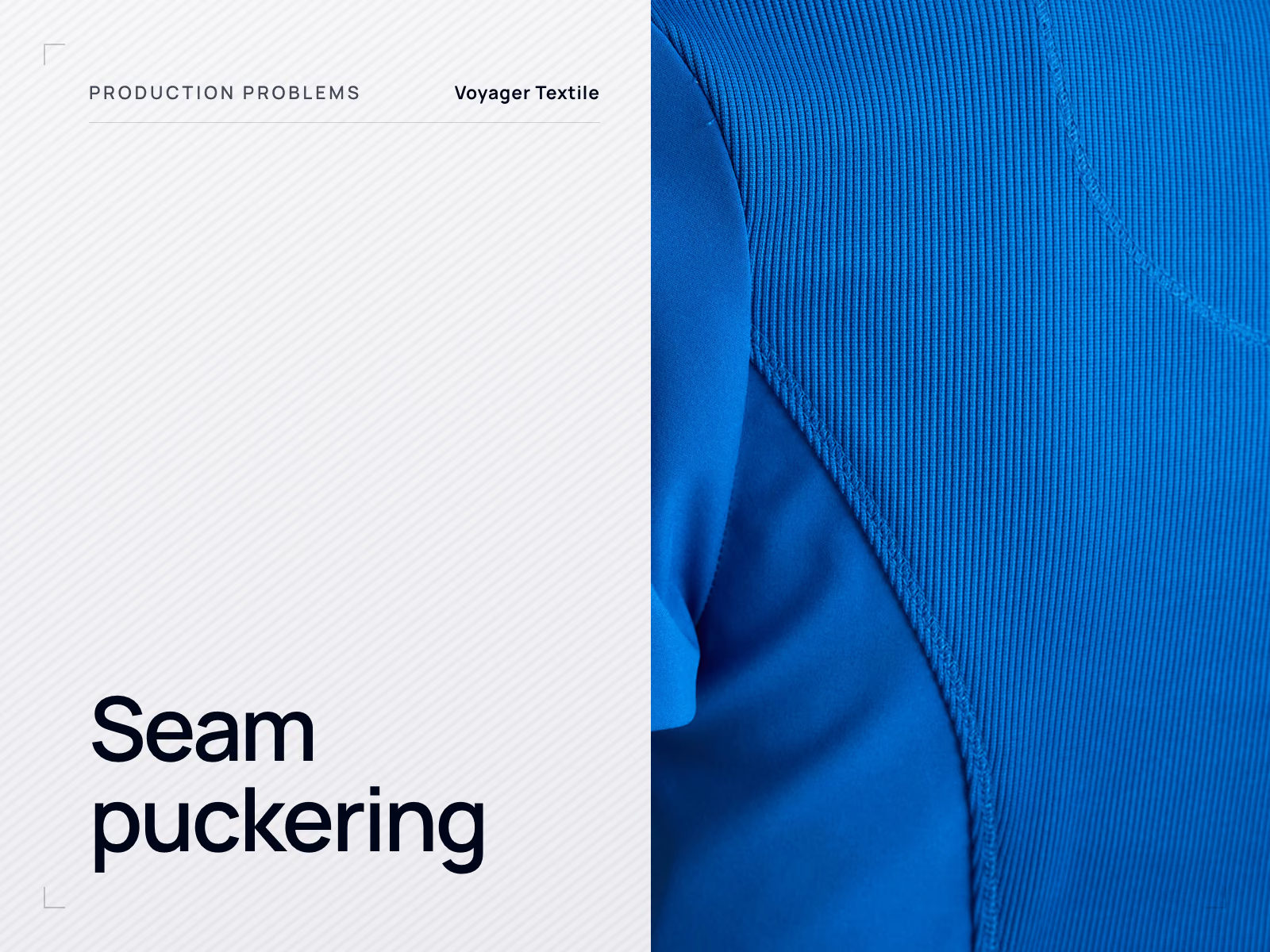
| Cutting and sewing | Varies between operators, lines or bundles, and is usually visible on the dry garment | Puckered seams, uneven measurements, misaligned plackets, weak reinforcement |
| Decoration | Affects the decorated area only, and often survives inspection but fails in washing | Cracked prints, colour change on polyester, puckering around embroidery |
| Between sample and bulk | The goods are internally consistent but differ from what was approved | Different hand-feel, different shade, changed trim, altered construction |
Two questions separate many cases quickly. Does the fault appear on every piece or only some, and did it exist before washing or only after? A fault that is universal and pre-wash usually points at the specification or the pattern. One that is universal and post-wash usually points at the fabric. One that is intermittent usually points at the line.
What to gather before raising it
A factory cannot investigate a photograph of a folded garment on a desk. The following takes fifteen minutes and makes almost any claim resolvable.
- How many pieces are affected, out of how many inspected, and whether they came from particular cartons.
- The style, colour and size of the affected pieces, and whether other colours or sizes are clean.
- Photographs of the fault in daylight or under a controlled light, with a tape measure in frame where a measurement is involved.
- The same measurement taken on the sealed approved sample, so the two can be compared directly.
- Whether the garment has been washed, and if so, at what temperature and with what drying method.
- The carton and packing list references, which let the factory trace back to the cutting lay and the fabric roll.
Is it a defect or an accepted variation?
Not every difference is a fault. Textiles are produced in batches, and some variation is inherent: two dye lots are never identical, and no factory produces every garment to an exact measurement. What separates an acceptable variation from a defect is whether it falls inside limits that were agreed before production.
Three documents settle it. The approved sample, sealed and dated, is the physical reference. The measurement chart with tolerances defines how much variation each point of measure may carry. The agreed inspection standard defines how many defective pieces make a batch unacceptable. If those three exist, most disputes resolve in an afternoon. If they do not, the argument is about opinions, and the party holding the goods generally loses it. How to set them is covered in the quality control guide.
Who is responsible for what
Responsibility usually follows the origin of the fault, and it is worth being honest about the split, because a meaningful share of production problems trace back to something that was never specified.
Where responsibility normally sits
Decided by the buyer's specification
- Fabric composition, weight and finish, and whether shrinkage was tested
- Measurement targets and the tolerance at each point
- Whether the chart applies before or after washing
- Colour references, and whether a physical standard was approved
- Decoration method, artwork and placement, and the washing the product must survive
- Trims and components, and whether substitutions are permitted
- The inspection standard and what counts as a defect
Controlled by the factory
- Fabric inspection, relaxation and shade sorting before cutting
- Grain, marker and cutting accuracy
- Machine settings, needle and thread selection, seam construction
- Decoration parameters such as cure temperature and backing choice
- In-line checks and final inspection against the approved sample
- Consistency between the sample room and the production line
- Raising anything in the specification that cannot be produced as written
Preventing the same fault in the next order
The useful output of a defect investigation is not a credit note, it is a changed specification. A fault that was diagnosed and then not written into the specification will reappear on the reorder, usually with a different production team and no memory of the first time.
- Add the failed property to the specification as a requirement with a test, not as a note.
- If the cause was material behaviour, move the check upstream to fabric approval rather than final inspection.
- If the cause was a substitution, write the substitution rule into the bill of materials.
- If the cause was ambiguity, rewrite the ambiguous line rather than explaining it again by email.
- Version the specification and the approved sample so the next order starts from the corrected version. The controls are covered in the reorder consistency guide.