Branding and decoration
Screen Printing vs DTF vs DTG vs Embroidery for Bulk Apparel
Choose by artwork first, then fabric, then quantity. Screen printing suits few-colour designs at volume. DTF handles complex or photographic artwork across many fabrics. DTG suits detailed artwork on cotton in smaller runs. Embroidery suits logos and lettering where a premium, durable finish matters more than fine detail.
Contents
- The methods side by side
- Start with the artwork
- Then check the fabric
- Then look at how each method prices
- Durability and how the product will be washed
- Placement constraints nobody mentions until sampling
- A quick decision path
- Mixing methods on one garment
- Choosing a decoration for merch, promotional textiles, corporate wear and workwear
- What runs where at Voyager Textile
- Questions buyers ask
Decoration is usually the last decision in a project and one of the most consequential, because it decides how the product looks, how it feels, how long the branding lasts and often a significant share of the cost. The methods are not ranked from worst to best. Each is efficient in a specific set of conditions and wasteful outside them.
The methods side by side
| Method | Best for | Fabric | Cost driver | Hand feel |
|---|---|---|---|---|
| Screen printing | Designs with a limited number of solid colours, at volume | Cotton and blends; polyester needs migration-resistant inks | Number of colours and set-ups, then quantity | Flat to slightly raised, depending on ink and coverage |
| DTF transfer | Complex, multi-colour or photographic artwork, and small placements | Very wide range, including blends and polyester | Print area and number of placements | A film layer sitting on the surface |
| DTG printing | Detailed or photographic artwork in smaller quantities | Cotton and cotton-rich fabrics | Print area and coverage, especially on dark garments | Can be soft; feel depends on fabric, pretreatment, ink and coverage |
| Embroidery | Logos, lettering and crests where durability and perceived quality matter | Most stable fabrics; light knits need backing | Stitch count, placement, and one-off digitising | Raised and textured |
| All-over sublimation | Full-coverage designs and panel prints | Polyester-based fabrics only | Artwork preparation and panel printing | None; the dye becomes part of the fabric |
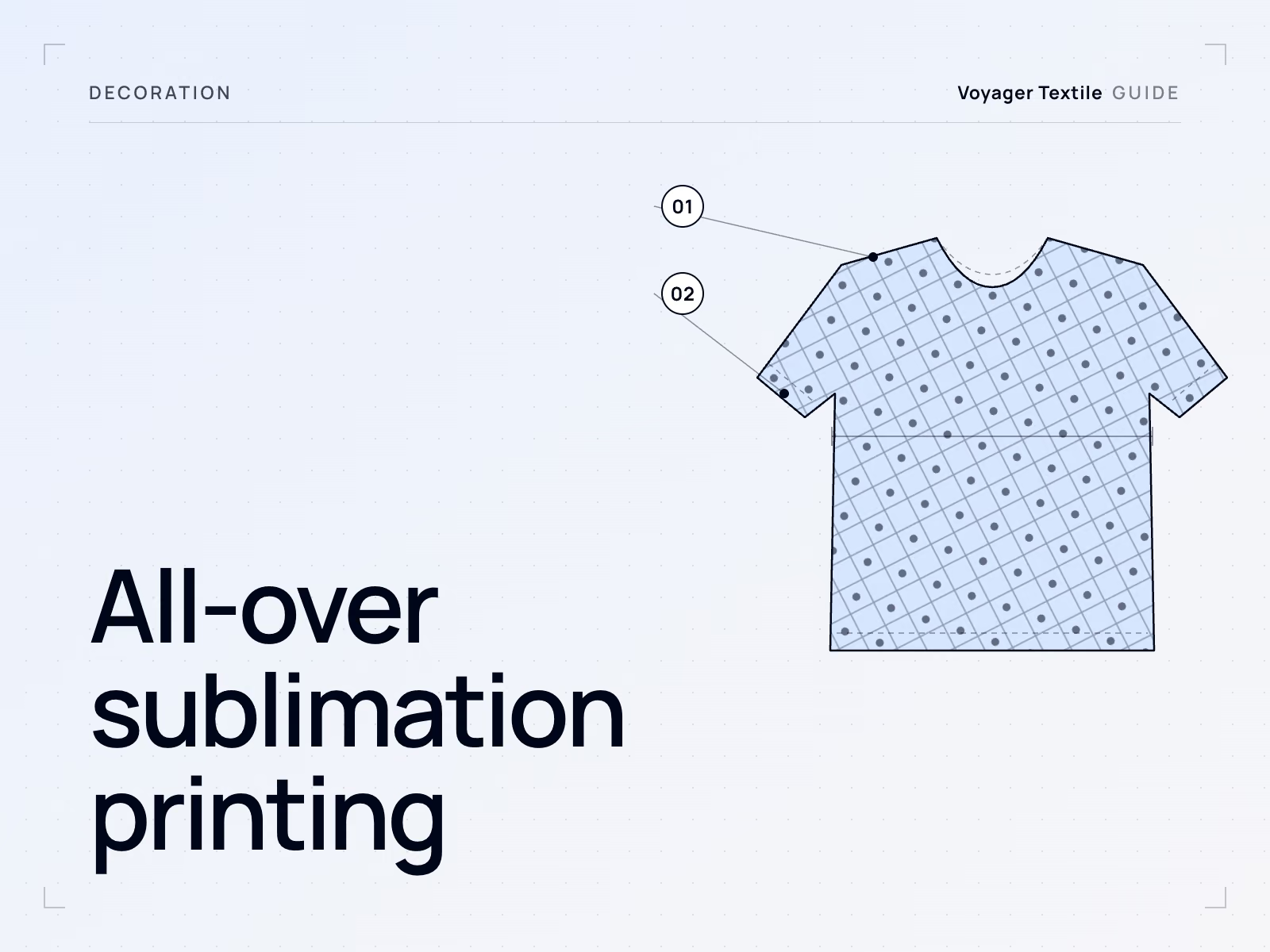
All-over sublimation is included because buyers often compare it with the others, but it is a different production route: the fabric is printed before the garment is assembled. It has its own detailed guide.
Start with the artwork
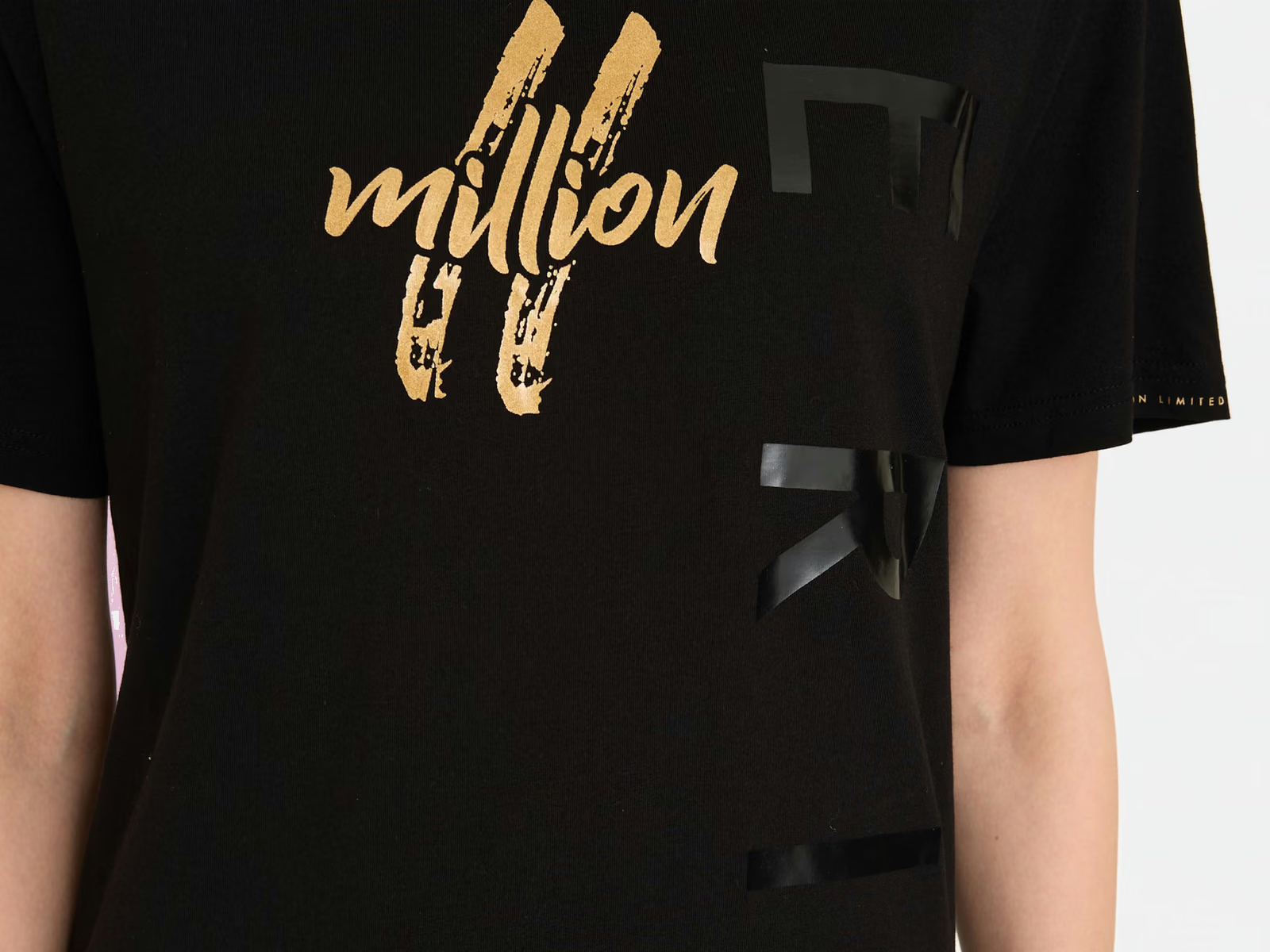
- One to four solid colours, no gradients. Screen printing can be economical at volume. Confirm the ink, fabric, cure and wash performance rather than assuming it is always the most durable option.
- Photographic images, gradients or many colours. Compare DTF and DTG with suitable process or simulated-process screen printing. Halftones can reproduce many visible tones without a separate screen for each one.
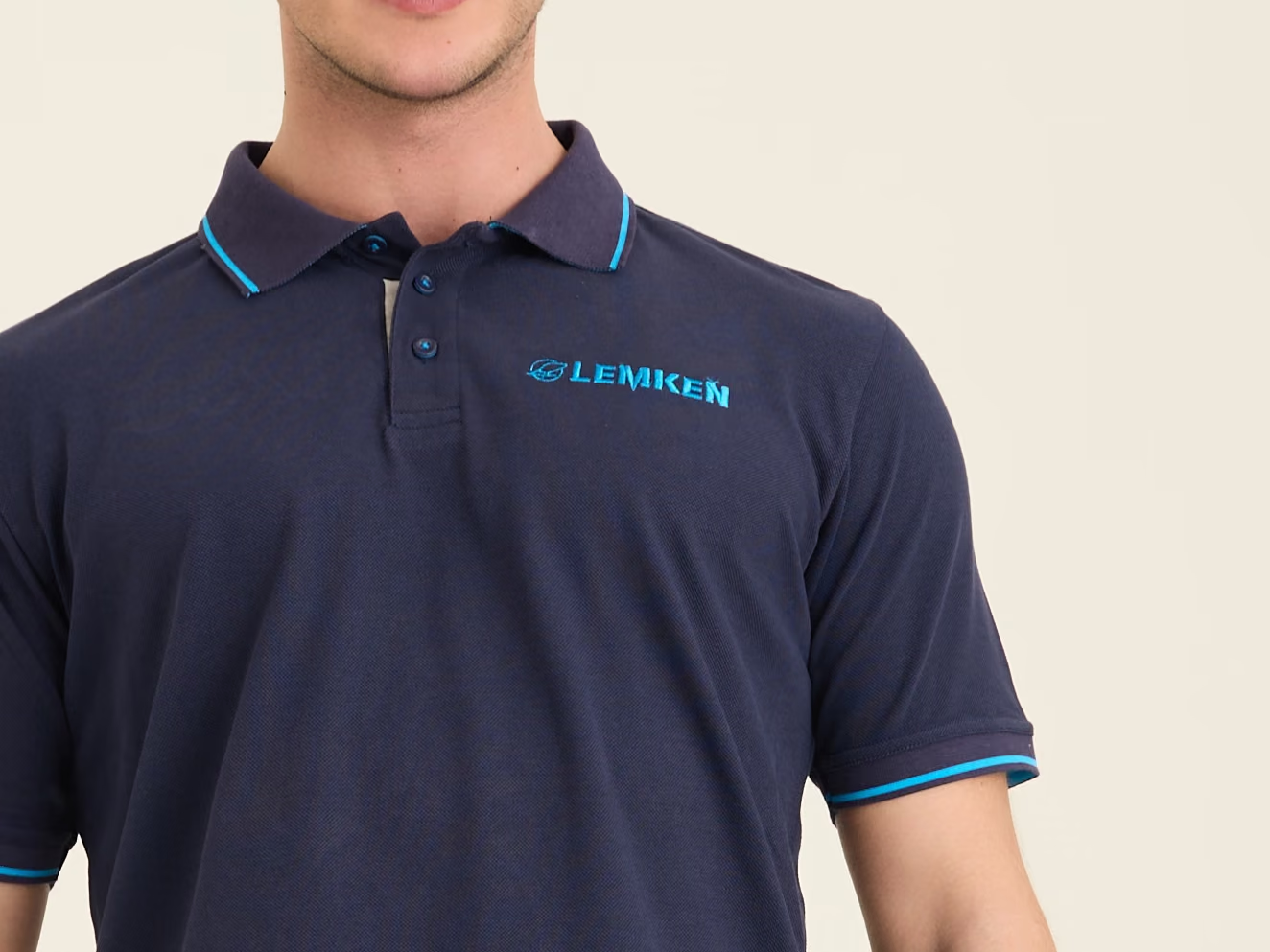
- A logo or lettering, small, on a polo, cap or jacket. Embroidery, which reads as more premium and survives repeated washing.
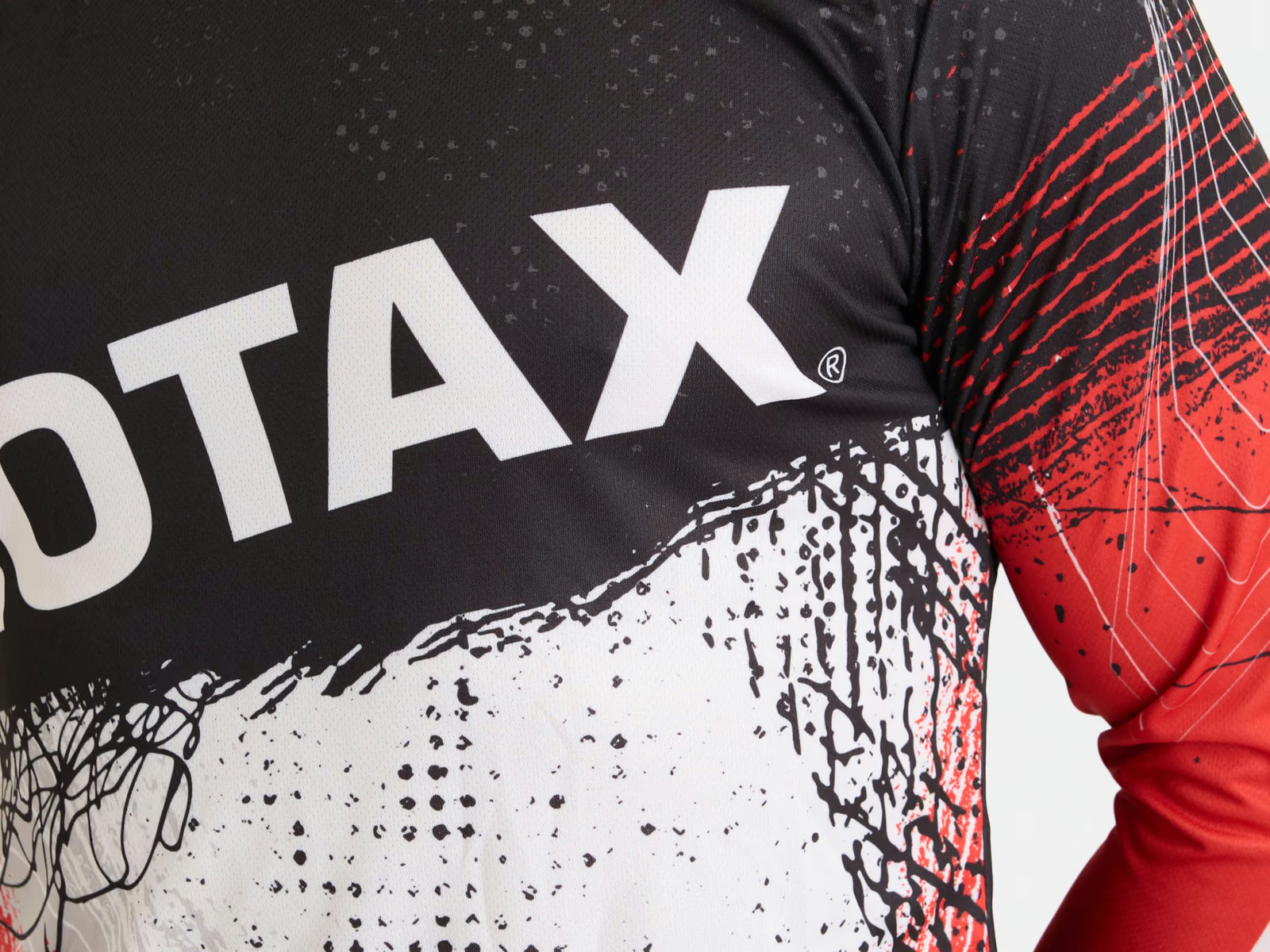
- Full coverage, edge to edge. Consider printing fabric or panels before assembly. Sublimation suits compatible polyester fabrics; other textile-printing routes are available for other materials. Plan seam alignment separately.
- Very fine detail or very small text. Print rather than embroider. Stitches cannot resolve detail below a certain size.
Then check the fabric
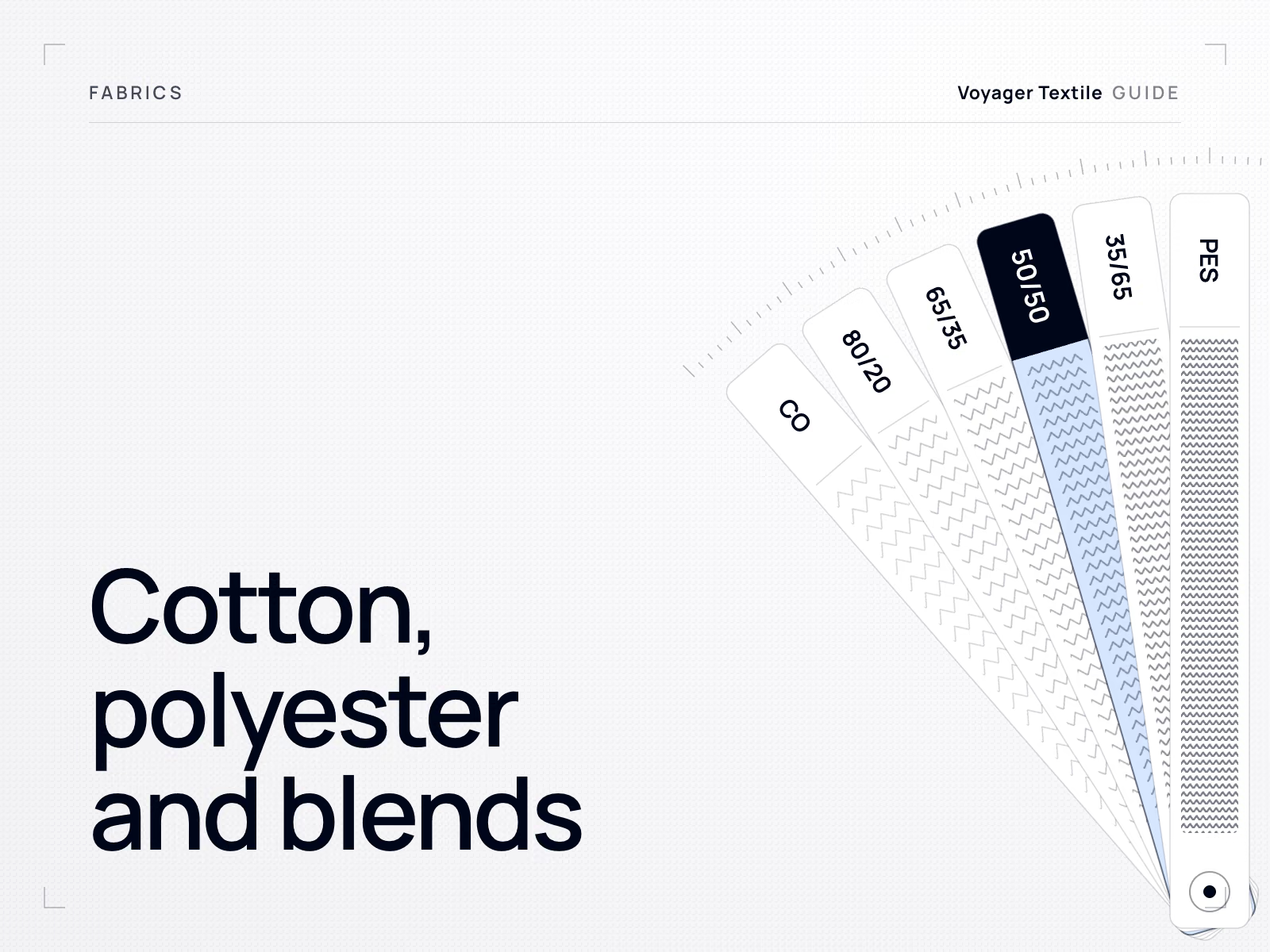
Choose a system compatible with the actual fabric, colour and finish. Sublimation depends on polyester content. DTG is common on cotton, with specialist systems available for polyester. Screen printing on polyester may need dye-migration control. Check the print face: a brushed reverse does not make every printing method lose detail.
Decide fabric and decoration together rather than one after the other. The composition guide covers which fibres accept which processes.
Then look at how each method prices
This is where buyers overspend without noticing, because the methods price on completely different variables.
- Screen printing has setup and production costs linked to separations, placements, ink system and quantity. A four-colour front and one-colour sleeve do not necessarily mean five screens: underbases and the chosen separations can change the count. Confirm the quote for the actual artwork.
- DTF costs depend on printed area, placements, transfer preparation and application. Compare quotes at the intended quantities; low screen-setup requirements do not make unit prices constant.
- DTG costs depend on coverage, pretreatment, ink and production settings. A white underbase on a dark garment can increase cost; confirm the difference for the selected fabric and artwork.
- Embroidery prices by stitch count plus a one-off digitising charge per design. A solid filled logo has far more stitches than an outlined one at the same size.
Durability and how the product will be washed
Durability requirements differ sharply between a promotional tee and a uniform washed weekly for three years.
| Method | Typical durability behaviour |
|---|---|
| Screen printing | Durability depends on compatible ink, curing, fabric and care; under-curing is one possible cause of failure |
| DTF transfer | Good durability when applied correctly; performance depends on the transfer system and the fabric |
| DTG printing | Good on cotton; heavy coverage on dark garments is more demanding over many washes |
| Embroidery | Can suit industrial laundering when thread, backing, fabric and construction are compatible with the specified process |
| Sublimation | Cannot crack or peel, because the colour is in the fibre rather than on the surface |
The two failures worth understanding before choosing are prints cracking and embroidery puckering the fabric. For workwear and uniform programmes, state the washing regime in the specification. A decoration that survives domestic washing may not survive industrial laundry at high temperature.
Placement constraints nobody mentions until sampling
- Prints applied to a finished garment need a flat area. Seams, zips, pockets and hoods restrict where a print can sit.
- Printing over a seam or zip can be possible with suitable equipment and artwork, but uneven surfaces restrict detail and consistency. For continuous coverage, assess printing fabric or panels before assembly and confirm seam matching on a sample.
- Embroidery on a lined or bagged area requires access, so placement is decided during construction rather than afterwards.
- Sleeve, cuff and cap placements have limited flat area, which restricts design size.
- Neck-label printing, replacing a sewn label, has to be specified early because it affects the label plan.
A quick decision path
- Count the colours in the artwork. Few solid colours point to screen printing; many colours or photographic artwork point to a digital method.
- Check the fabric and print system together. Cotton is common for DTG; specialist DTG systems also handle polyester. Sublimation requires a suitable polyester-based substrate.
- Check the quantity. Volume favours screen printing; smaller runs and multiple designs favour DTF.
- Check the placement. Continuous coverage may favour printing fabric or panels before assembly; select a compatible print process and confirm seam alignment.
- Check the use. For industrial washing, assess the complete decoration against the specified wash and drying process.
- Check the feel. Large solid prints add weight and stiffness; sublimation adds none.
- Ask for a strike-off or a sample with the actual decoration before bulk.
Mixing methods on one garment
Combinations are common and often the right answer: an embroidered chest logo with a printed back graphic, or a sublimated body with an embroidered badge. Each method is a separate cost and a separate production step, so mention every intended decoration when you request a quotation rather than adding them later.
Choosing a decoration for merch, promotional textiles, corporate wear and workwear
Who wears the garment, and how often it is washed, narrows the choice before the artwork does.
- Merch. Graphics change with every drop and are often large, so screen printing covers few-colour designs and transfer printing covers detailed ones. Texture is what separates a drop from a giveaway: 3D puff embroidery, raised puff print and chenille patches. More on custom merch production.
- Promotional textiles. Compare screen printing, transfer printing and embroidery for the intended logo, fabric and quantity. For a small chest logo on a promotional polo, request prices for the suitable methods rather than assuming embroidery and a multi-colour print cost the same. See promotional textiles.
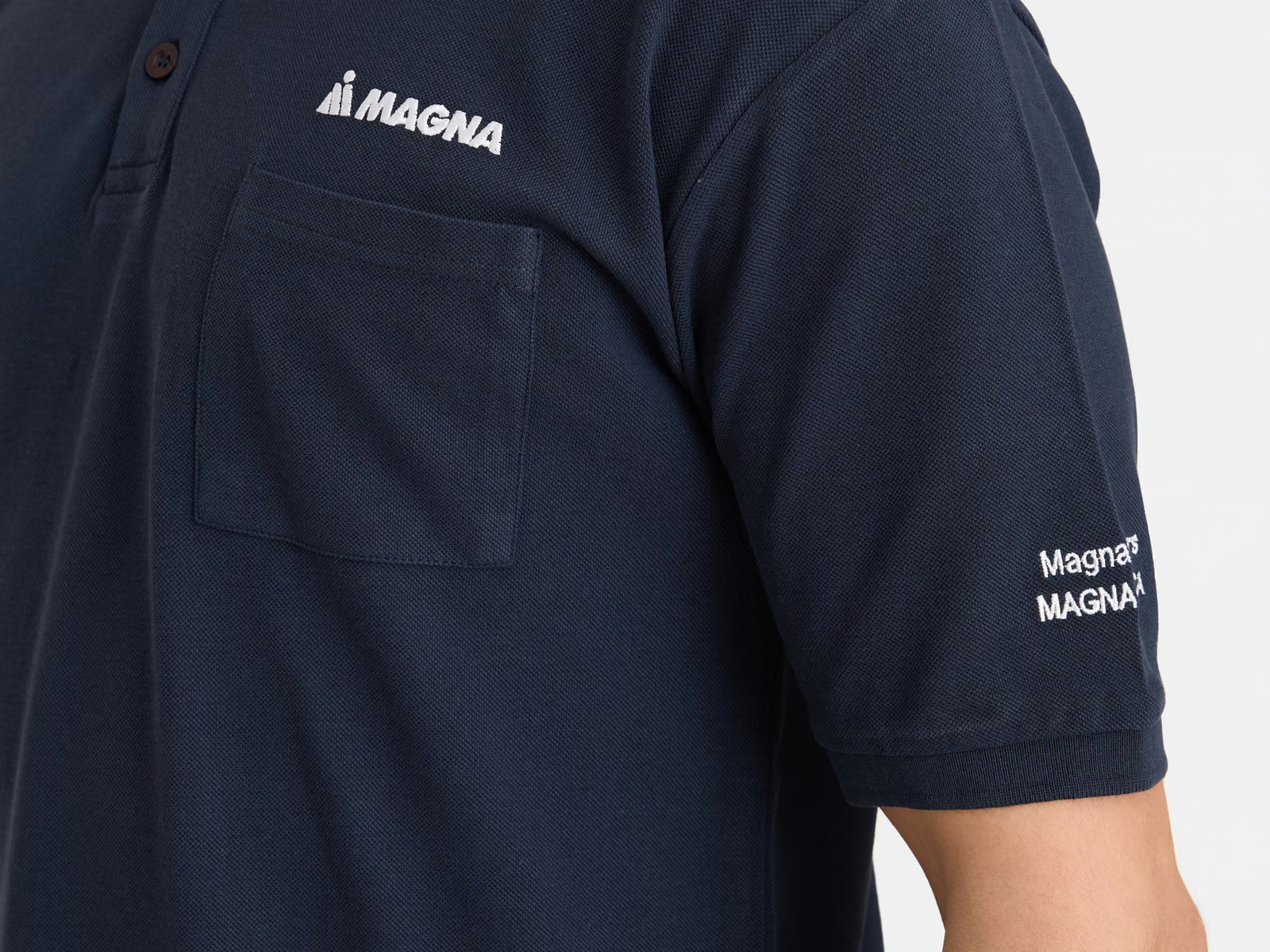
- Corporate wear. Embroidery can suit polos, shirts and softshells, including tonal logos on dark colours. Select thread and backing for the fabric and the intended care, then assess the decorated sample after the agreed wash tests. See corporate clothing.
- Workwear. Start from the laundry regime, then check the space left by pockets and reflective tape. On high-visibility garments a logo must leave the minimum fluorescent and reflective areas of EN ISO 20471 intact. See branded workwear.
What runs where at Voyager Textile
Embroidery, transfer printing and sublimation printing run in-house on our own machinery. Screen printing, including specialist raised or embossed print effects, runs with established partner facilities under our project management, so the project, quality control and delivery stay with one team. The full technique list is on the branding and decoration section.
Whichever method you choose, artwork has to arrive in a usable form. Requirements per method are set out in the artwork preparation guide, and where decoration falls in a specific garment's production sequence is covered in the manufacturing process guides.
Questions buyers ask
Which printing method is best for bulk t-shirts?
Screen printing can be economical for suitable artwork at volume. Compare it with DTF or DTG for the fabric, quantity and finish required. Photographic artwork can also be screen printed using halftones and process separations; durability depends on the actual decoration system and care.
What is DTF printing?
Direct to film: the design is printed onto a film, coated with adhesive powder and heat-pressed onto the garment. It handles complex artwork, works across a wide range of fabrics and needs little set-up, so it suits smaller runs and many different designs.
Is embroidery more expensive than printing?
It depends on design, size, stitch count, digitising, placement, quantity and the printing method being compared. Request quotes for the same garment and artwork. A small embroidered logo is not automatically cheaper than a multi-colour print.
Which decoration lasts longest in industrial washing?
There is no universal winner. Embroidery can suit industrial laundering with compatible thread, backing and fabric; printing systems also need assessment against the intended wash and drying process. Sublimation has no surface film to crack or peel, but its colourfastness and the garment still need to meet the specified care requirements.
Can you print across a seam or a zip?
Sometimes, with suitable equipment, artwork and construction. Seams and zips can cause uneven printing, so confirm the result on the actual garment. Printing fabric or panels before assembly is another route for continuous designs; sublimation is one option for compatible polyester fabrics.
Why does my print on dark polyester change colour over time?
That is usually dye migration, where dye from the fabric moves into the print. It is managed with ink systems designed to block migration. Tell the decorator the exact fabric composition and colour so the correct system is used.
How many colours can a screen print have?
The practical limit depends on the press, separations and design. Spot colours generally require separate screens, but process and simulated-process printing use halftones to create many visible tones from a smaller set of inks. Compare setup, quantity and finish rather than applying a fixed four-colour cutoff.
Send the artwork and the fabric together
We will tell you which decoration method suits the design, what it will cost per placement, and what would change if the artwork were simplified. Strike-offs and decorated samples are produced before bulk.
Discuss decoration