Fabric and colour
Fabric GSM Explained: Choosing the Right Weight
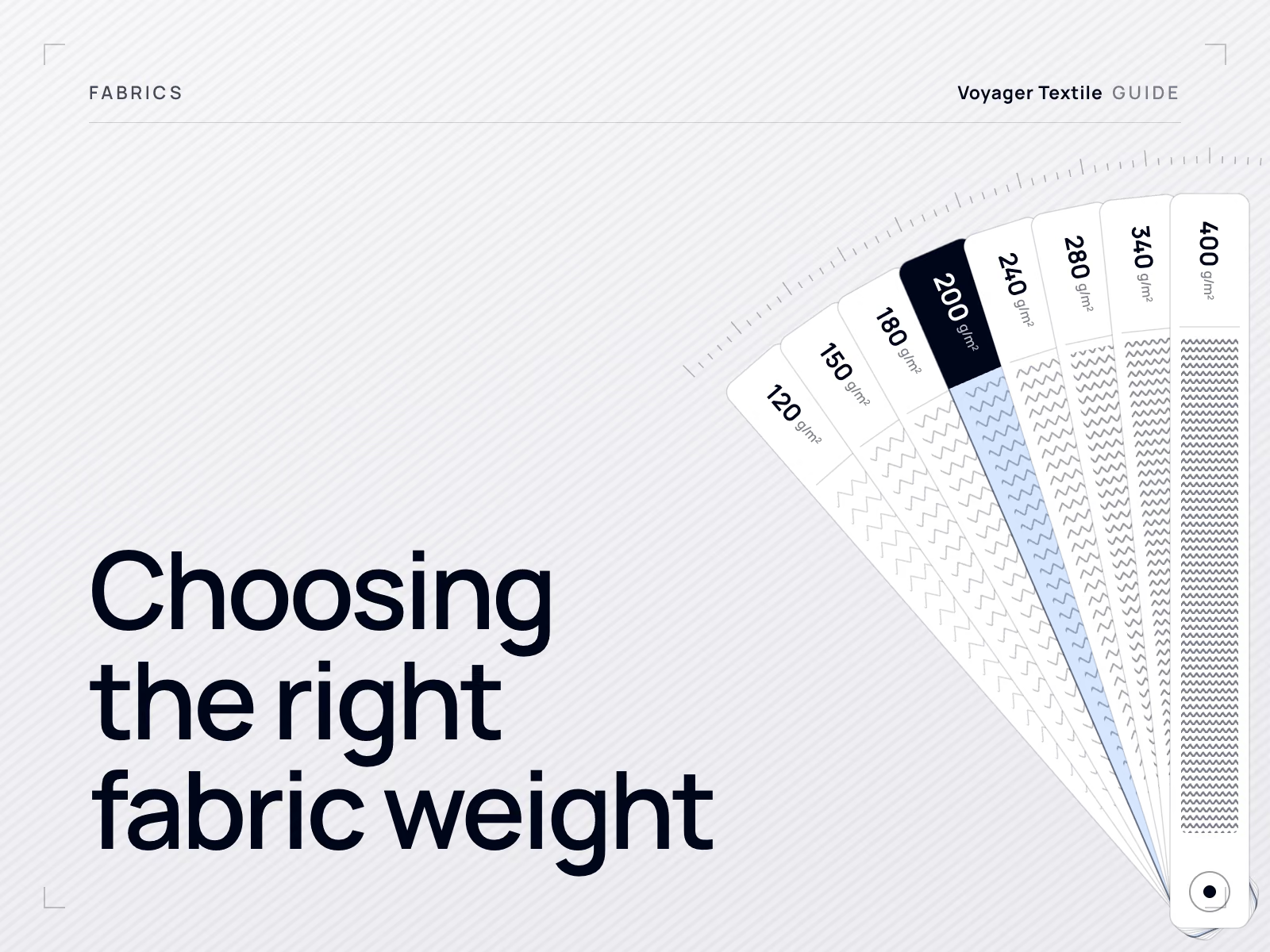
GSM is grams per square metre: the mass of one square metre of fabric. It describes weight, not quality. Higher GSM means more mass for the same area, but warmth, opacity, drape, durability and price also depend on fibre, construction and finish.
Contents
GSM is the fastest way to communicate a fabric decision, which is why it appears in almost every apparel quotation. It is also the most misused number in sourcing, because it is routinely treated as a quality score. It is not. It is a measurement of how much fabric you are buying per square metre, and the right value is set by the product's purpose.
How weight can affect otherwise comparable fabrics
| Property | Lower GSM | Higher GSM |
|---|---|---|
| Warmth | Cooler, better for warm climates and layering | Warmer, better for outerwear and cold conditions |
| Opacity | Can show through, especially in white and pale shades | More opaque, usually a safer choice for light colours |
| Drape | Softer, flows closer to the body | Structured, holds a shape, gives a boxier silhouette |
| Durability | Assess abrasion resistance on the actual fabric | Higher weight alone does not guarantee abrasion resistance |
| Cost | Less mass for the same area; price depends on the fabric and consumption | More mass for the same area; confirm the actual cost difference |
| Shipping | Lower actual mass for comparable garments; freight also depends on volume and rate | Heavier cartons, which matters on air freight in particular |
| Decoration | Fine detail can show fabric texture; thin fabric can distort under tension | Check stability and backing needs for the chosen decoration |
Typical weight ranges by product
The ranges below are common industry starting points rather than rules. Fibre, knit structure and finish all shift the perception of weight, so a well-made 180 GSM tee can feel more substantial than a poorly made 200 GSM one.
| Product | Typical range | Notes |
|---|---|---|
| Lightweight or promotional t-shirt | Around 140 to 160 GSM | A lightweight option; check comfort and opacity on the actual fabric |
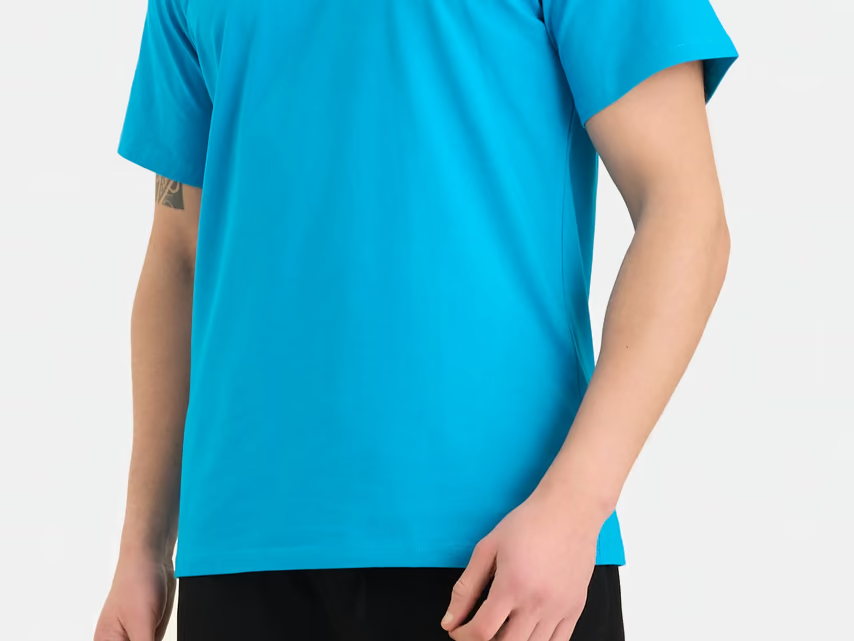
| Standard retail t-shirt | Around 160 to 190 GSM | The common compromise between hand-feel and cost |
| Premium or heavyweight t-shirt | Around 200 to 250 GSM | Structured, boxier, associated with streetwear positioning |
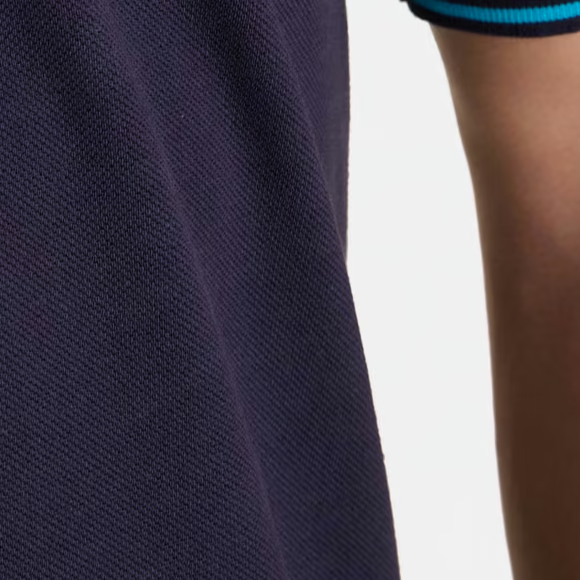
| Polo shirt in pique | Around 180 to 240 GSM | Weight is only part of it; pique structure decides much of the character |
| Lightweight sweatshirt or hoodie | Around 240 to 300 GSM | Transitional weight, comfortable indoors and in mild weather |
| Standard hoodie | Around 300 to 350 GSM | The most common range for branded and retail hoodies |
| Heavyweight hoodie | Around 380 to 500 GSM | Substantial and structured; consider shipping weight and drying time |
| Joggers and sweatpants | Around 280 to 400 GSM | Usually matched to the hoodie in a coordinated set |
| Leggings and performance knits | Around 180 to 300 GSM | Opacity when stretched matters more than the number itself |
Heavier is not automatically better
A high GSM can suit a substantial streetwear garment, but weight alone does not determine comfort or suitability. Assess the intended fabric, fit and use rather than rejecting a t-shirt or hoodie solely because it weighs 220 or 500 GSM.
Yarn, knitting, dyeing and finishing all affect knit quality and performance. Specify the properties the product needs and check them on the intended fabric after the agreed washing tests. GSM alone does not establish wash durability or pilling resistance. See the composition guide for how fibre choice affects performance.
Weight and decoration
- Embroidery works best on a stable base. Heavier knits and pique support stitching well, while very light jersey may need backing to avoid distortion.
- Screen printing needs a suitable print surface. Check the garment face, fibre, finish and ink system; a brushed reverse does not necessarily make the printed face uneven.
- Transfer printing, including DTF, sits on the surface and works across a wide range of weights. Hand-feel differs by transfer type and fabric.
- Sublimation is decided by fibre rather than weight: it needs polyester-based fabric. See the sublimation guide.
Choose decoration and fabric weight together rather than in sequence. The decoration comparison covers how each method behaves on different fabrics.
The cost and freight arithmetic
For the same fabric area, moving from 180 to 240 GSM adds roughly a third to the fabric mass. The price change also depends on fabric pricing and garment consumption. Freight depends on packed weight, volume and the applicable rate, so neither cost rises automatically by a third.
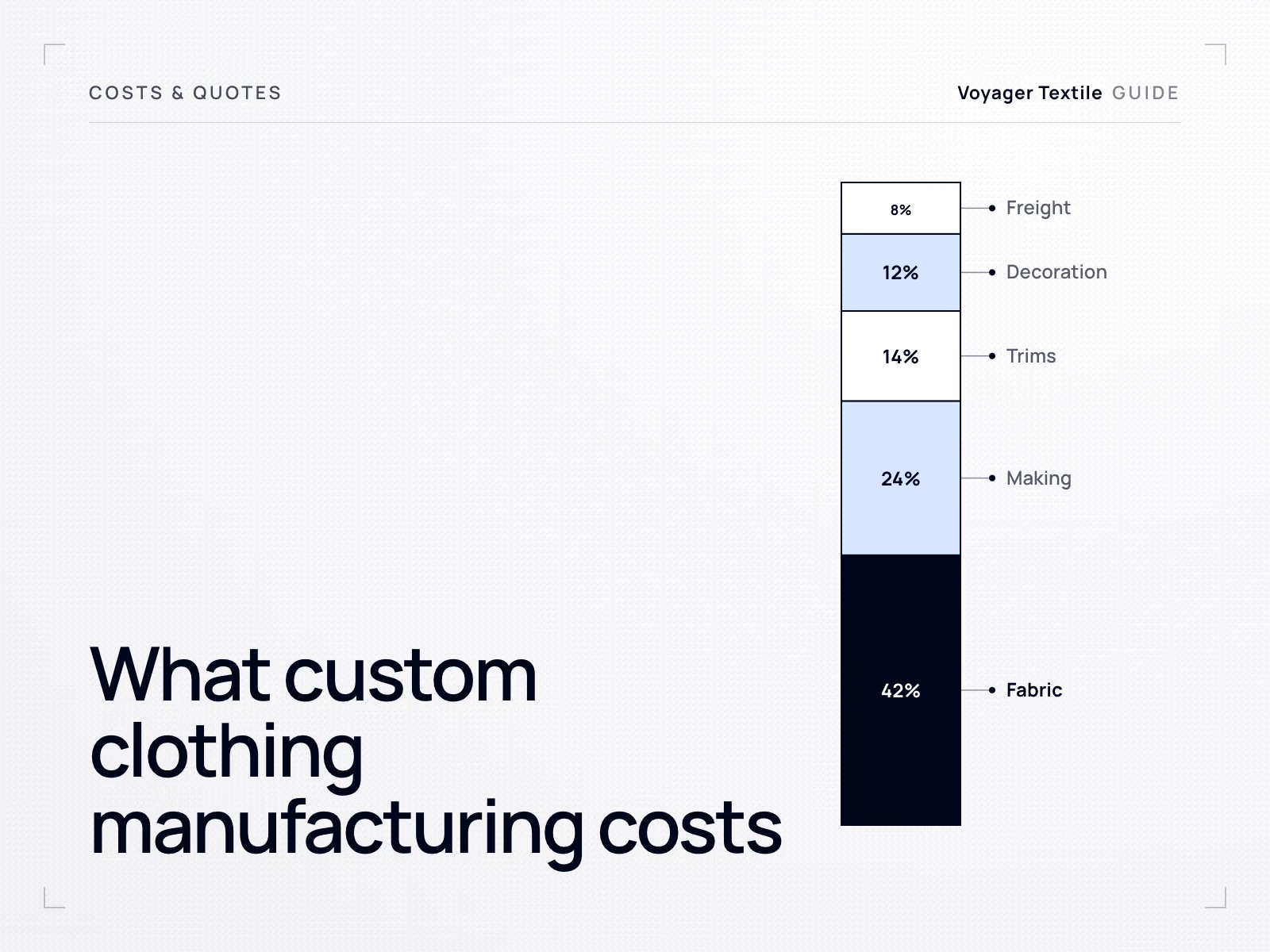
For air freight, or for large volumes moving by sea, this is worth calculating rather than assuming. The cost guide shows where fabric sits in the overall price.
How to specify weight properly
- State the target GSM and an acceptable range, since fabric is produced to a tolerance rather than an exact figure.
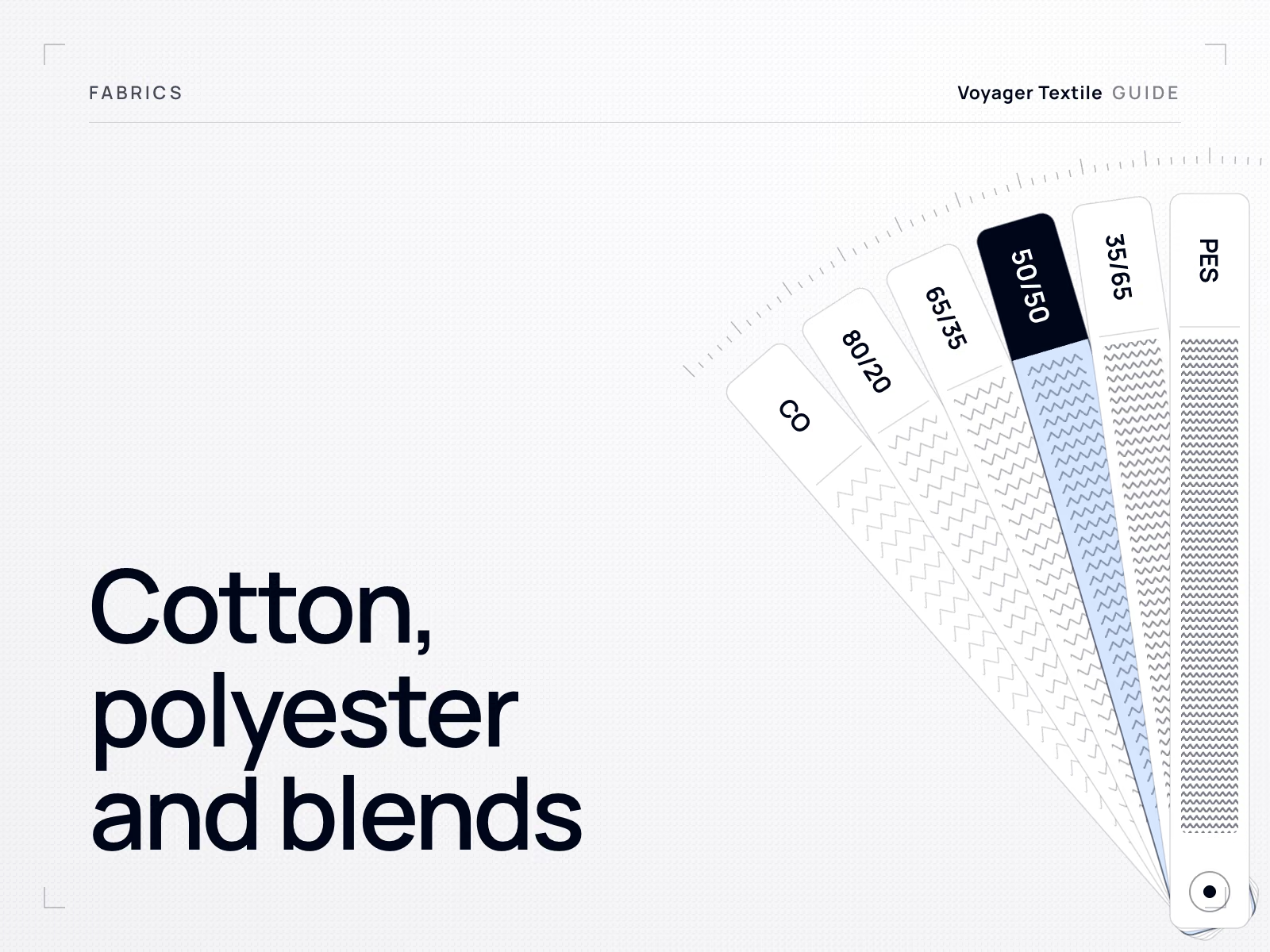
- State composition alongside GSM so that weight can be assessed with fibre choice.
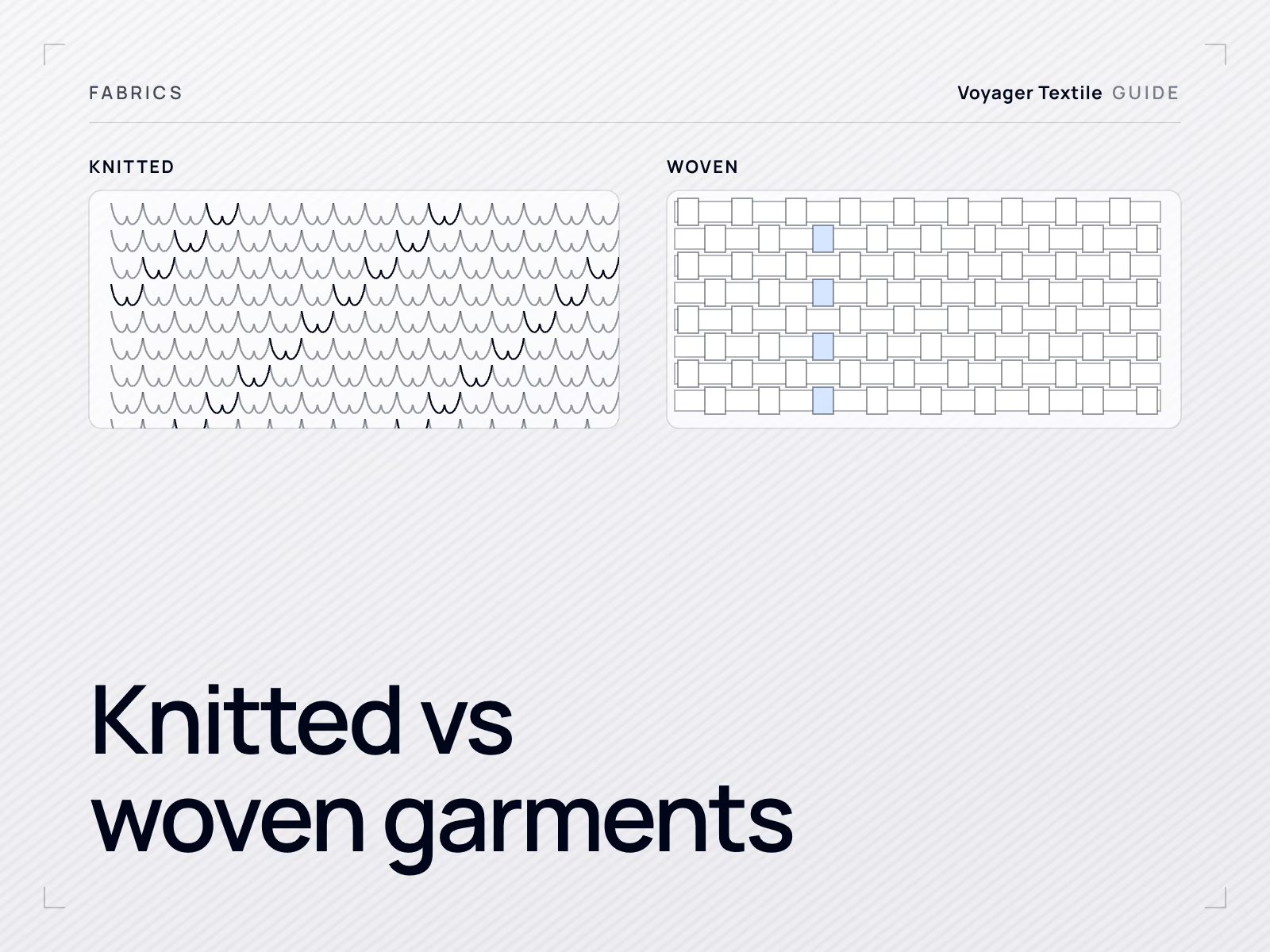
- State the knit or weave structure: single jersey, pique, brushed fleece, loopback terry, ribbed.
- Say what the garment is for and where it will be worn. A factory can propose a better weight when it knows the use.
- Ask for a swatch or sample in the intended fabric to assess feel and suitability; verify GSM by measurement.
- Confirm whether the stated weight is before or after finishing, as finishing can change it.
Structure-by-structure references, including typical weights for each, are in the fabrics section. At Voyager Textile, composition, weight and finish are selected or developed against the specification and the intended use, which is described on the fabrics and materials section. For weight ranges in the context of one garment, see the relevant manufacturing process guide.
Questions buyers ask
What does GSM mean in fabric?
Grams per square metre: the mass of one square metre of fabric. It does not by itself describe thickness, fibre quality, yarn quality or finishing.
What GSM is best for a t-shirt?
Around 160 to 190 GSM suits most retail and corporate t-shirts. Go lighter for hot climates and promotional programmes where cost matters most, and heavier, around 200 to 250 GSM, for a structured premium feel. Check opacity in white and pale colours before deciding.
Which fabric weight for promotional T-shirts, merch T-shirts and workwear T-shirts?
Fabric weight for promotional T-shirts is usually around 140 to 160 GSM; for merch T-shirts around 160 to 190 GSM, or 200 to 250 for a heavier feel; for workwear T-shirts the standard 160 to 190 range, chosen for the washing regime. The exact fabric is confirmed per project.
What GSM is a good hoodie?
Around 300 to 350 GSM covers most branded and retail hoodies. Heavyweight streetwear typically runs from roughly 380 GSM upwards, which is substantial but heavier to ship and slower to dry.
Does a higher GSM mean better quality?
No. It means more mass per square metre, not necessarily a warmer, more durable or more expensive garment. Yarn, construction, dyeing and finishing also affect performance. Assess the fabric against the intended use.
How do I convert ounces per square yard to GSM?
Multiply by approximately 33.9. So a 12 oz fabric is roughly 407 GSM. Ounce measurements are more common in denim and some woven fabrics, while knits are usually quoted in GSM.
Does GSM affect printing?
GSM alone does not establish print suitability. Check the print surface, fibre, finish and ink or transfer system. For sublimation, polyester content matters; the full fabric specification still needs to suit the process.
Does fabric weight change after washing?
Mass per square metre can change after finishing or washing because dimensions and mass can change. Confirm the measurement stage and conditioning, and agree wash and shrinkage tests for the intended fabric.
Ask for a fabric proposal, not a fabric list
Tell us what the garment is for, where it will be worn and how it will be decorated. We will propose a composition, weight and finish that fit the use, and send a swatch or sample before anything is committed.
Discuss fabric options