

Corporate Clothing Manufacturer: Corporate Fashion Collections Made in Turkey in Your Brand Colours
Voyager Textile manufactures corporate clothing in its own factory in Türkiye for corporate-wear suppliers and distributors, company purchasing teams and agencies. Polos, T-shirts, sweatshirts, softshells and the rest of a corporate fashion collection are made to your design in your brand colours, from 300 pieces per colour and per style, with a sample in 5-7 business days.
Last reviewed:
Contents
- What is corporate clothing?
- Who orders corporate clothing from a factory
- A corporate fashion collection, garment by garment
- Brand colours across fabrics and years
- Women's and men's fits and size sets
- Logo embroidery and decoration
- Packing per employee and per site
- Home washing and the tests a buyer can specify
- Roll-out calendar and programme documents
- Multi-year programmes and reorders
- Questions this raises
Voyager Textile makes corporate clothing in its own factory in Türkiye, for corporate-wear suppliers and distributors, company purchasing departments and the agencies that run staff clothing for their clients. The minimum is 300 pieces per colour and per style, custom Pantone colours included, and a sample takes 5-7 business days. Polyester-based fabrics are assessed separately. Programme planning: corporate apparel programmes.
What is corporate clothing?
Corporate clothing is the branded clothing a company issues to its staff for work, events and customer contact, made to one specification in the company's colours and reordered as the workforce changes. When the brand look matters as much as function, the same range is called corporate fashion: a coordinated collection rather than a logo on a stock polo. Corporate clothing can overlap with workwear and promotional clothing. Specify the intended use and care requirements. Related manufacturing options: workwear manufacturing and promotional textiles.
Who orders corporate clothing from a factory
Orders can be coordinated by: a corporate-wear supplier or distributor building a collection for its client companies, a company purchasing team equipping several sites, or an agency that manages a brand's staff and event clothing. They need one manufacturer that can hold a brand colour across different fabrics, make women's and men's cuts from the same design, pack per employee or per site, and repeat the same garment years later.
A corporate fashion collection, garment by garment
A corporate collection is built from a small number of garments that share colours, logo placement and labels. Garments with their own product page have a corporate section there; the others link to the process page that describes how they are made:
| Garment | Usual role in the collection | Detail |
|---|---|---|
| Polo shirts | The core piece for customer-facing staff | Corporate polo shirts |
| T-shirts | Events, warehouse and back-office teams, summer issue | Corporate T-shirts |
| Sweatshirts and hoodies | Layering piece, often for field and event teams | Corporate sweatshirts and hoodies |
| Shorts | Summer events, sports and leisure staff | Corporate shorts |
| Softshell jackets | Outer layer for staff who work outdoors part of the day | Softshell jacket manufacturing |
| Fleece and other jackets | Cold-season layer | Jacket and coat manufacturing |
| Gilets, vests and bodywarmers | Mid layer over a polo or shirt | Vest and gilet manufacturing |
| Trousers and skirts | Front-of-house and office teams | Trousers, skirts |
| Aprons | Retail, hospitality and showroom staff | Apron manufacturing |
Woven shirts and blouses can be part of the same collection; fabric and construction are confirmed per project at the quotation stage.
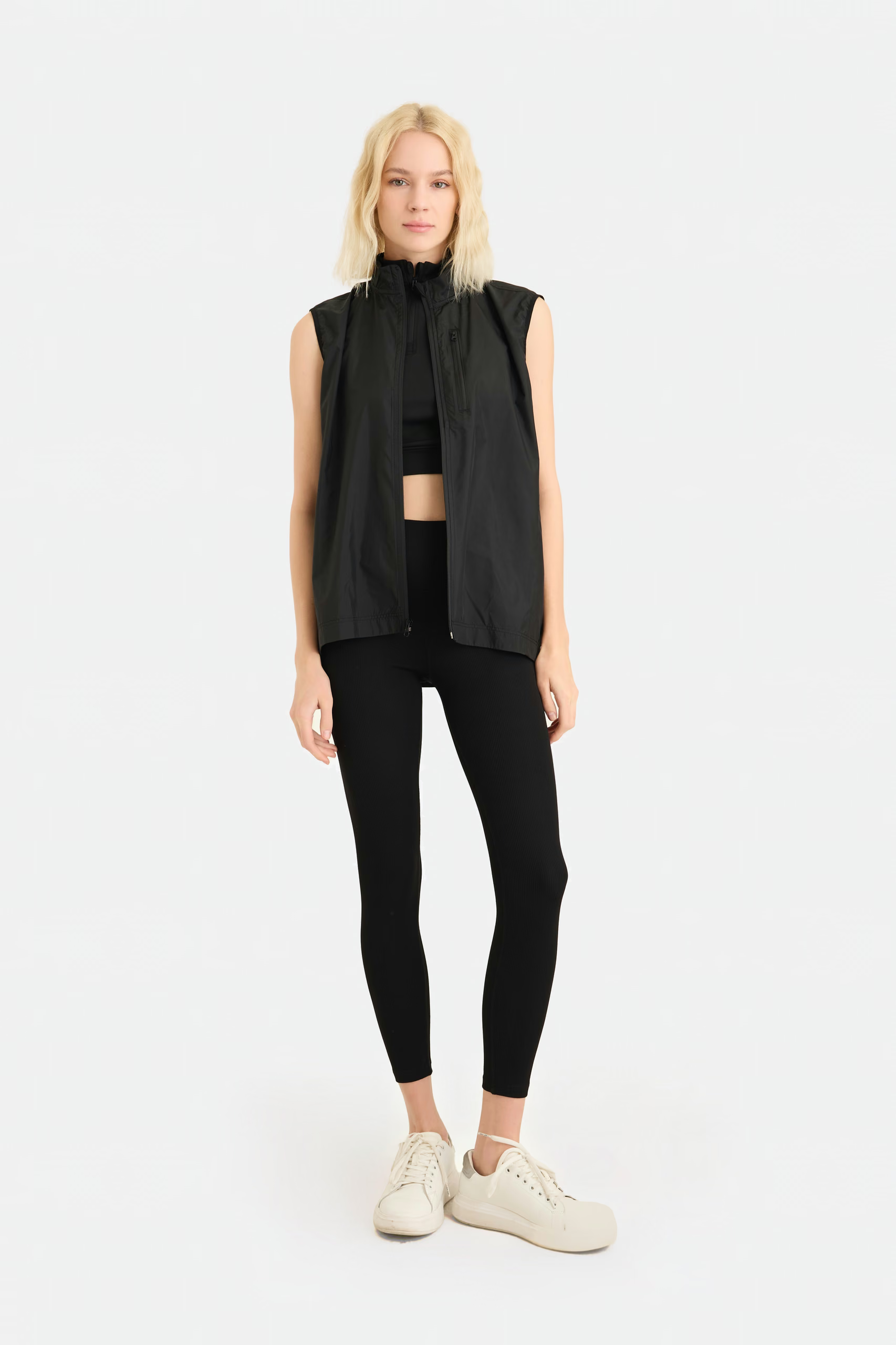
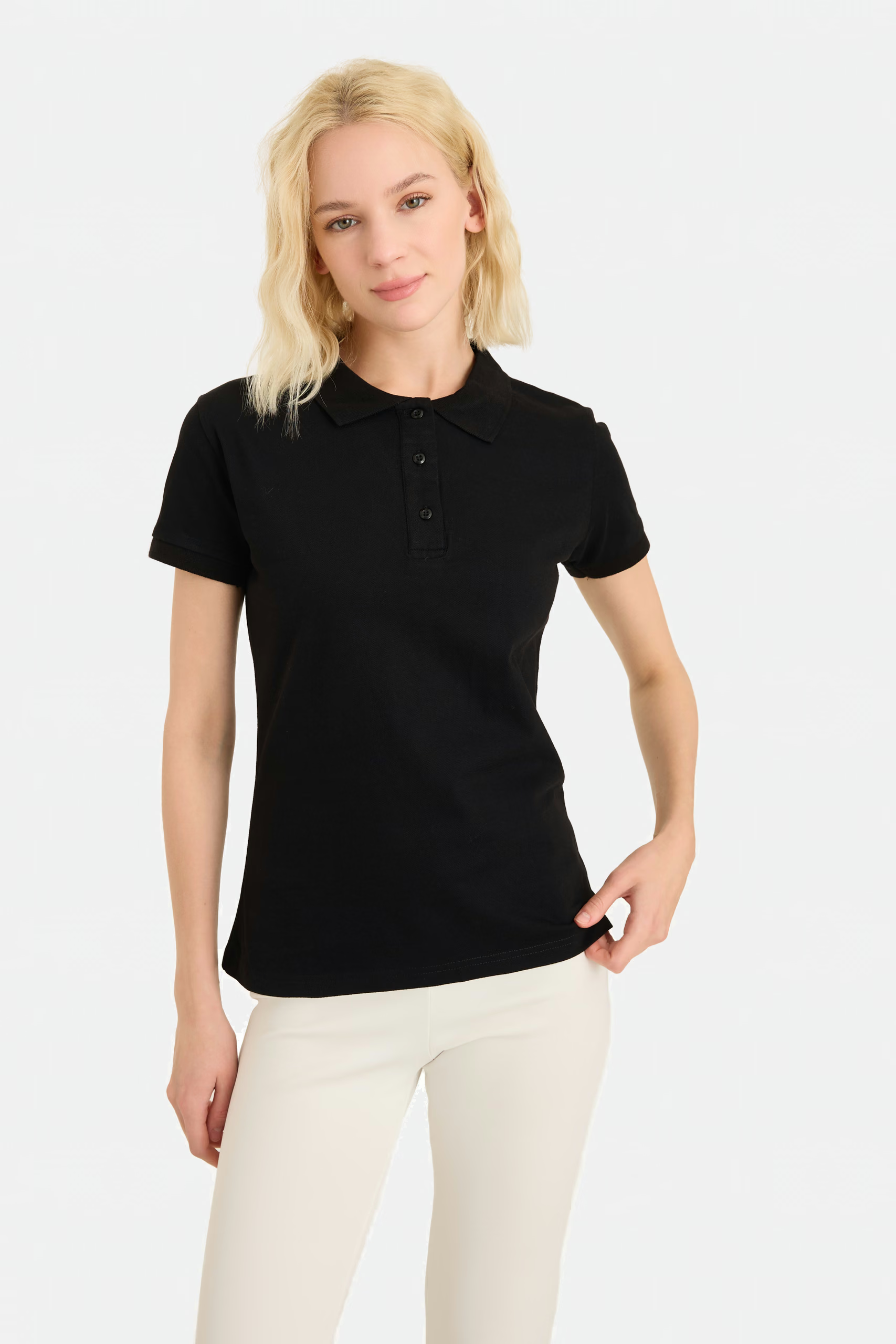
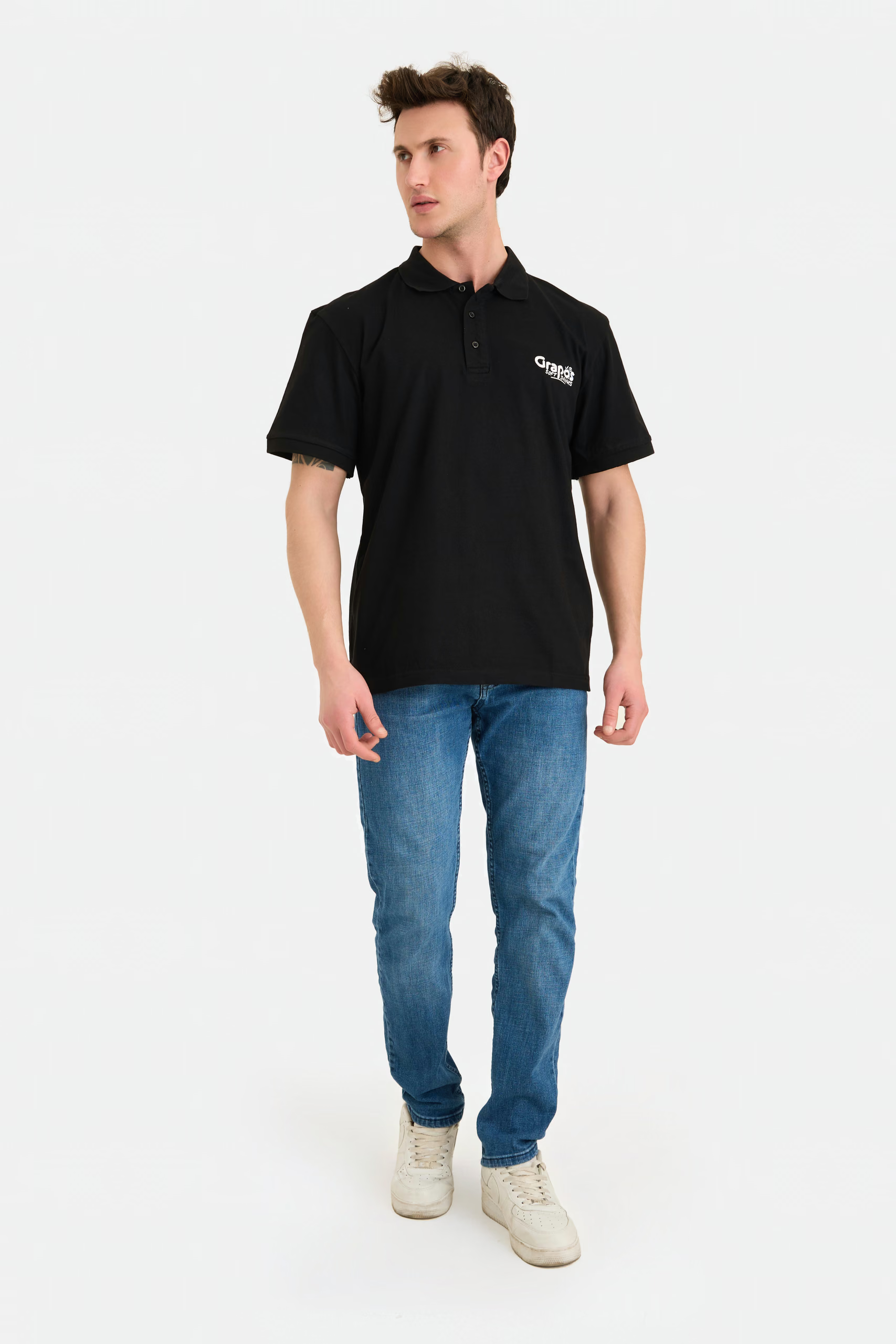
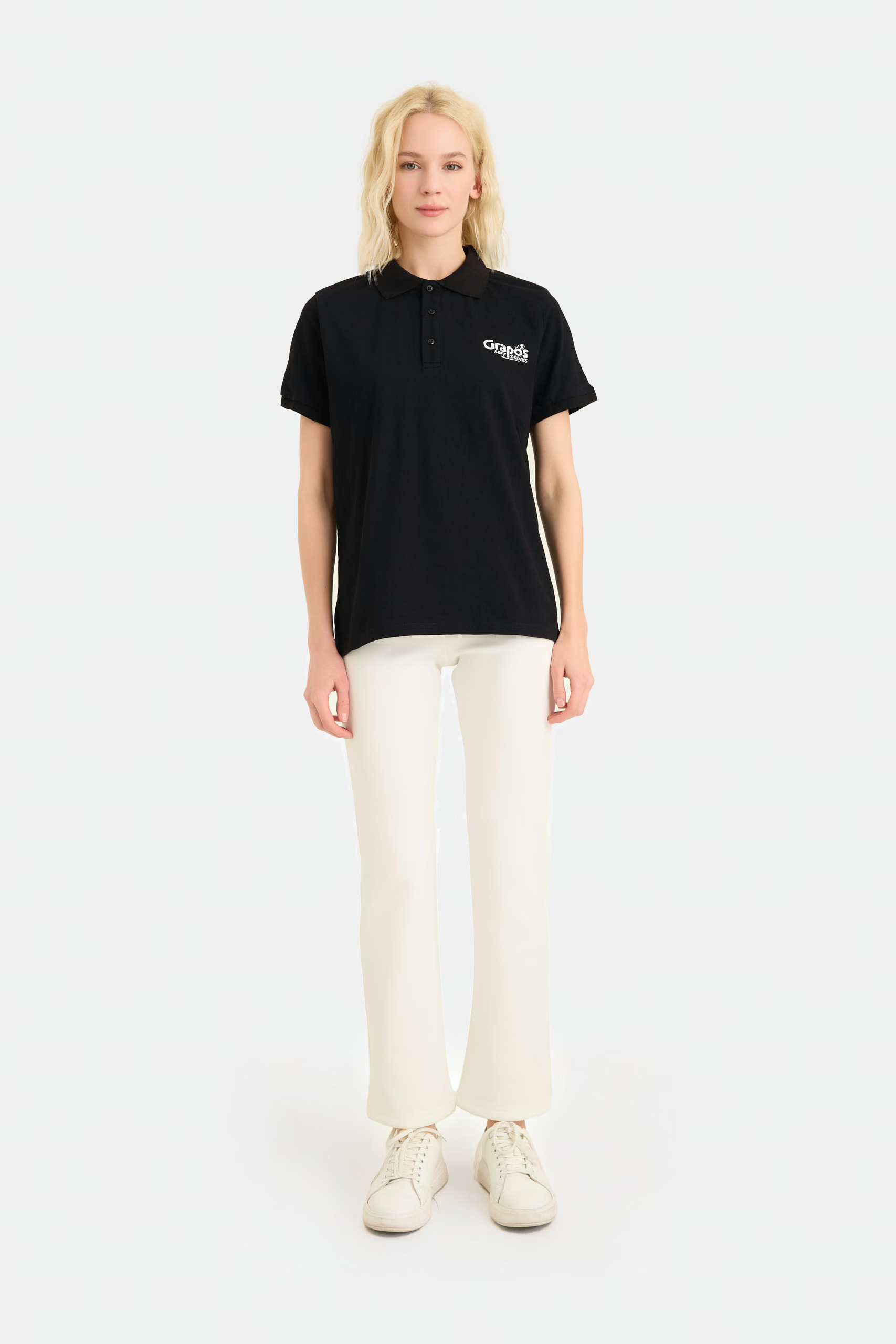
Corporate garments from previous production
Made to each customer's design, colours and labels. None of these is held in stock.
Brand colours across fabrics and years
A brand colour is matched once per fabric, not once per brand. The brand owner signs off one textile reference, such as a Pantone TCX number, and each fabric base gets its own lab dip against it: a cotton piqué polo, a polyester softshell and a polycotton trouser take dye differently. A custom Pantone colour has the same minimum as a stock one, 300 pieces per colour and per style, so a navy polo, gilet and trouser are three lines of 300. Polyester-based fabrics are assessed separately, since polyester may be coloured by sublimation rather than dyed. The full process is in Pantone colour matching, and why two dye lots can differ is in dye lot shade variation.
Women's and men's fits and size sets
Choose women's, men's or unisex patterns according to the workforce and fit requirements. Each pattern is made and graded in Gerber AccuMark to your size chart, and sizes can be split inside every 300-piece colour and style. A size set, one garment in each size, lets staff try the fit before the size split is locked. What the size chart must specify is in size charts for production, and how grading works is in pattern making and size grading.
Logo embroidery and decoration
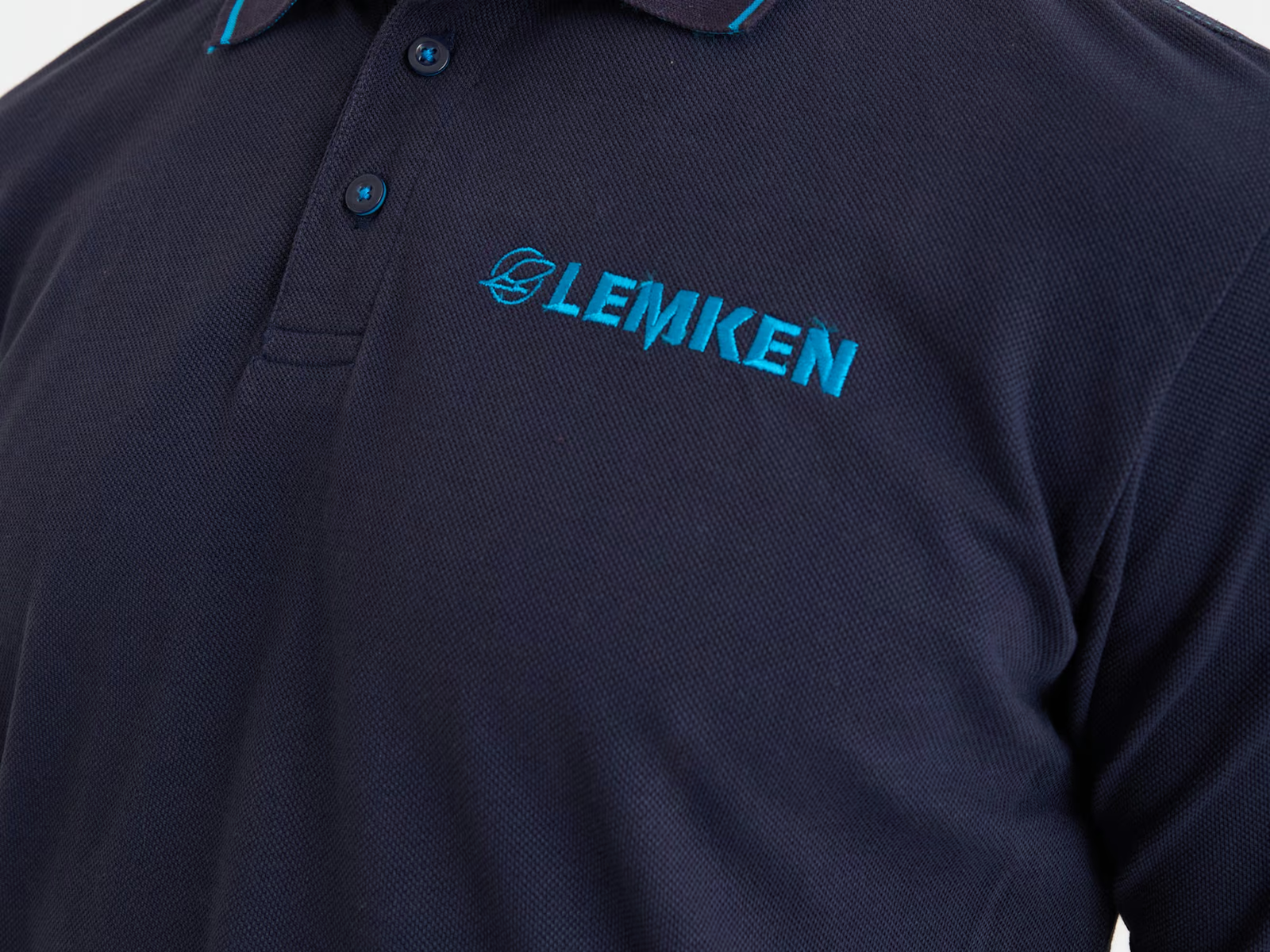
Select embroidery or printing to suit the fabric, logo and care requirements. Flat embroidery, including tonal thread on dark colours, and transfer printing run in our factory; screen printing runs with a partner facility. Whether individual names or role titles can be added per garment is confirmed per project at the quotation stage. Placement and size rules for a logo are in embroidery placement and size, and the choice between methods is in screen printing vs DTF vs DTG vs embroidery.
Packing per employee and per site
Corporate clothing can be packed to match how it is handed out: individually bagged with a size label, grouped per employee, department or site, and cartons marked for each delivery address. Agree packing instructions before bulk production so that the shipment can be sorted for the planned distribution. How the distribution model decides the packing is in the buying guide; the packing specification itself is in apparel packaging specification.
Home washing and the tests a buyer can specify
For garments intended for home washing, select tests that reflect the specified domestic care conditions. A buyer can specify washing and drying to ISO 6330 with dimensional change measured to ISO 5077, colourfastness to washing to ISO 105-C06 and to perspiration to ISO 105-E04, and pilling to ISO 12945-1 or -2 for knitted polos and sweatshirts. Workwear that goes through industrial laundry is tested differently and is covered on the workwear page. How to run the tests before bulk is in wash testing before bulk production, with background on colourfastness and fabric pilling.
Roll-out calendar and programme documents
Work back from delivery to every site. Allow for bulk production, typically 4-5 weeks after sample approval, a sample taking 5-7 business days, colour development, size-set fittings, approvals and shipping. Collect staff sizes early and agree the schedule for each stage. The stages and what controls each are in apparel production lead times.
- Specification set. Tech pack or reference garment per style, logo files with placement and size, and the brand colour references.
- Approval records. The approved sample, lab dips and size set, which become the references for every later order.
- Size chart. Keep the approved graded measurement chart with size names. Record and approve any revisions before applying them to a later order.
- Packing and shipping. Packing list per site and carton, plus the export documents described in shipping apparel from Turkey.
Multi-year programmes and reorders
A corporate programme repeats the same garment for years, and new pieces are worn next to old ones. We keep the approved samples, patterns, colour standards and packing instructions on file, so each reorder is checked against the original references. Every reorder is a new production run and meets the minimum of 300 per colour and per style again; where the annual quantity is known, a fabric reserve for several deliveries is confirmed per project at the quotation stage. How to keep colour and fit from drifting is in reorder consistency. OEKO-TEX, GOTS or GRS material options can be sourced where specified, subject to availability and certificate scope. Using a certified material does not automatically certify the factory or the finished garment. See certified apparel materials.
Questions this raises
What is the minimum for custom corporate clothing?
The minimum for custom corporate clothing is 300 pieces per colour and per style, including custom Pantone colours. Sizes can be split inside the 300, so one polo colour can cover the whole size range of a workforce. Polyester-based fabrics are assessed separately.
How long does it take to make custom corporate clothing?
Custom corporate clothing takes 5-7 business days for the sample, and typically 4-5 weeks for bulk production after sample approval. Colour development, fit trials and shipping come on top of that.
Can you make corporate clothing to our own design and label?
Yes. Corporate clothing is made to your own design, colours and labels, with packing to your specification. There are no ready-made styles; the catalogue shows previous production, not stock.
When should we order corporate clothing for a staff roll-out?
Work back from delivery to every site. Allow for bulk production, typically 4-5 weeks after sample approval, a sample taking 5-7 business days, colour development, size-set fittings, approvals and shipping. Collect staff sizes early and agree the schedule for each stage.
Can you match our brand colour exactly?
We match your brand colour to an approved textile reference, such as a Pantone TCX number, with a lab dip on each fabric. Different fibres take dye differently, so each fabric is approved side by side against the same standard.
Is corporate clothing the same as workwear?
The categories can overlap. Corporate clothing expresses a company's identity, while workwear is selected for the tasks and working conditions. Specify durability and care requirements, including whether domestic or industrial laundering is intended.
Building a corporate collection?
Send the garments, brand colours, logo files and headcount by size if you have it. We usually reply within one business day.
Start an RFQContinue with
- Jacket Manufacturer in Turkey: Softshell, Puffer, Fleece, Windbreaker and Bomber Jackets
- Tracksuit Manufacturer in Turkey: Track Jackets, Fleece Sets and Windbreaker Sets
- Hotel and Corporate Uniforms from Turkey for GCC Buyers
- Private Label Workwear Manufacturer in Turkey: Work Trousers, Jackets and Polos for Brands, Distributors and Company Programmes
- Medical Scrubs Manufacturer in Turkey: Private-Label Scrub Sets
- Shorts Manufacturer in Turkey: Sweat, Sports, Work and Woven Shorts Made to Your Design
- Sublimated Teamwear Manufacturer in Turkey: Football Kits, Training Wear and Club Programmes
- Private Label Activewear and Leggings Manufacturer in Turkey
- Polo Shirt Manufacturer in Turkey: Piqué, Corporate and Private-Label Polos
- Hoodie and Sweatshirt Manufacturer in Turkey: Heavyweight, Oversized and Zip Hoodies
- T-Shirt Manufacturer in Turkey: Regular, Heavyweight and Oversized T-Shirts
- Promotional Textiles Manufacturer for Distributors: Own-Brand T-Shirts, Polos, Sweatshirts and Hoodies Made in Turkey
- Custom Merch Manufacturer in Turkey: Cut-and-Sew Hoodies, Sweatshirts, T-Shirts and Shorts for Brands, Artists and Companies
- Full-package vs CMT apparel manufacturing
- Manufacturing clothing from a reference garment