

Manufacturing clothing from a reference garment
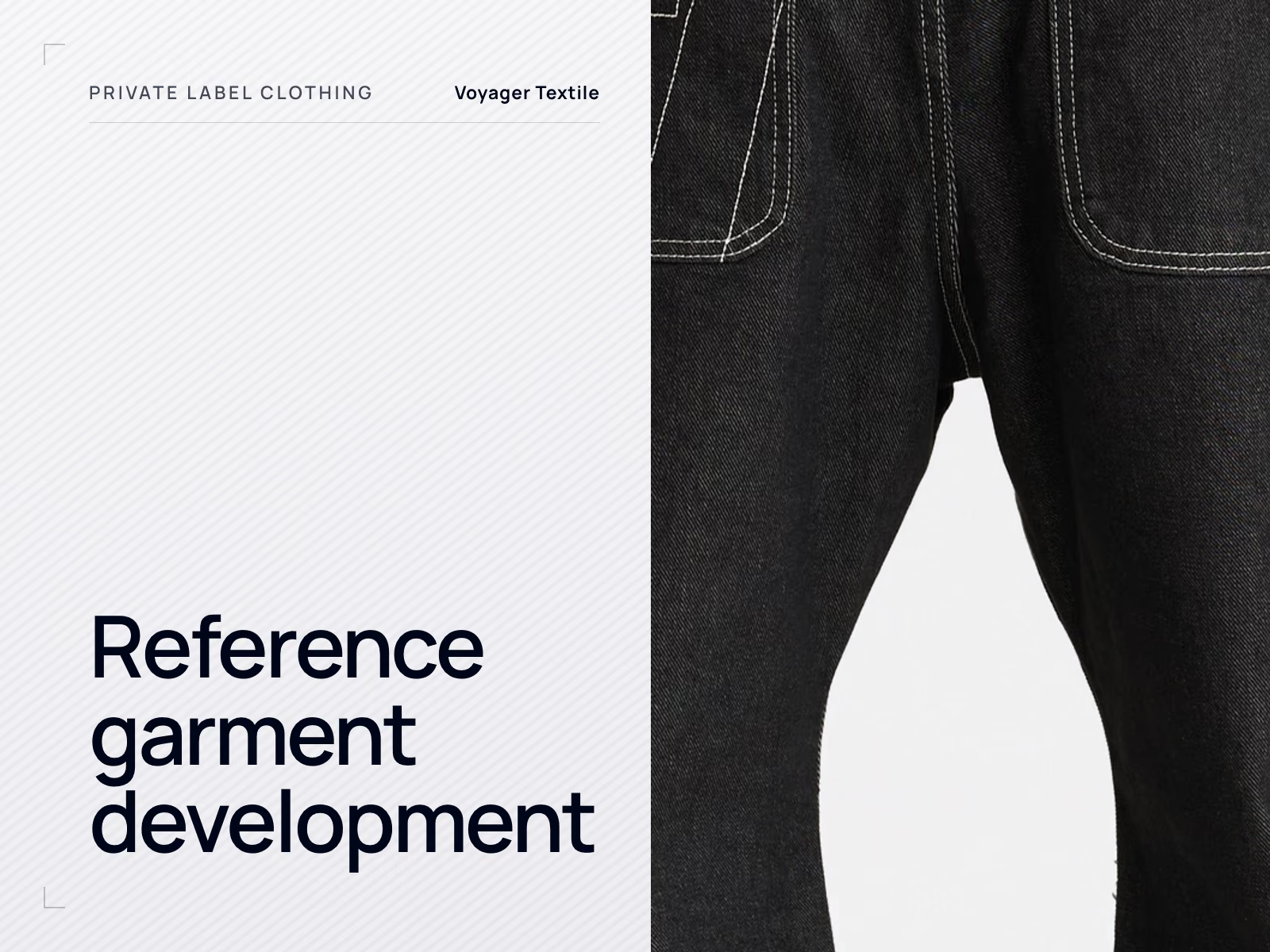
A reference garment provides a physical basis for discussing construction, proportions, fit and fabric. Measurements and material analysis can inform a new specification, but a single garment does not establish the complete original pattern, fabric recipe or production records. Development turns the reference and the requested changes into agreed specifications and an approved sample.
Contents
A physical reference helps clarify shoulder shape, armhole depth, neckline construction and fabric feel. Record which features to retain and which to change, then agree the measurements, materials and construction details for the new product.
What a reference garment communicates well
- Measurements, which can be recorded in a chart; production tolerances must be agreed separately.
- Silhouette and proportion, including the relationships between body width, length and shoulder shape.
- Construction, including visible seams, stitches, panel layout and finishing; concealed details may need further examination.
- Details, such as pocket placement, plackets, vents, cuff treatments and topstitching.
- Trim type and behaviour, including zip weight, rib depth and drawcord construction.
- Fabric character, in the hand: weight, drape, surface, and how it recovers when stretched.
Together, these observations provide a basis for a development brief that combines measured dimensions, visual references and the requested changes.
Information to confirm during development
Inspection and testing can establish many properties of a garment. The complete original production specification, however, cannot be assumed from a single sample. Confirm the following points for the proposed product.
| Point to confirm | What can be established instead |
|---|---|
| The original fabric specification | Assess structure and feel, measure fabric mass per unit area and confirm fibre composition through suitable testing where needed. Use the findings to specify and approve the proposed fabric |
| The original yarn and finishing recipe | Yarn and finishing effects can be examined, but the original process recipe may remain unknown. Fabrics with the same composition and weight can feel different, so approve a physical fabric sample |
| The original pattern | A new pattern developed from measurements, then corrected against the reference on a sample |
| The original colour standard | Use the garment as an agreed physical colour reference and approve colour on the proposed production fabric, using a lab dip where applicable |
| Shrinkage and dimensional behaviour | Test fabric or garments under agreed washing and drying conditions and compare dimensions before and after. Record whether the reference has been washed, as its dimensions may have changed |
| Permission to reproduce protected elements | Possessing the garment does not establish permission to reproduce protected elements. Confirm the relevant rights or authorization |
How development actually runs
From a physical garment to a bulk specification
Record which features of the reference to retain and which to change before development starts. Include specific fit or construction changes so the first sample can be assessed against an agreed brief.
Where interpretation enters
The following points need explicit agreement during development.
- Measuring a used garment. Wear and washing may change dimensions. Record the reference's condition: measurements describe its current state and may differ from its original specification.
- Fabric substitution. If the proposed fabric differs from the reference, assess how its drape, stretch and recovery affect fit. Approve the fabric and check the sample before finalising the pattern.
- Tolerances. One garment cannot establish the allowable variation for production. Agree target measurements and tolerances for each measurement point and size, and include them in the production specification.
Development from a reference can still involve pattern work, material selection and fit checks. Agree the scope and costs for the project. The related guides cover pattern making and grading, fit development, production size charts and sample costs.
What to send with the garment
Reference brief checklist
- The garment itself, unwashed if possible, and stated if it has been washed
- A list of what to keep exactly as it is
- A list of what to change, with the change expressed as a measurement where possible
- Fit or construction issues in the reference that you want to address
- Your target fabric direction, or the intended use so a fabric can be proposed
- Branding artwork and label content you own or are authorized to use
- Colour references, or confirmation that the reference garment is the colour standard
- The size range you need, and which size the reference represents
- Target quantity and delivery timing
A reference in one size does not define the measurements for the whole size range. Confirm its base size and agree the grading rules and target measurements for the sizes to be produced.
When a reference is not enough
Document the agreed production requirements for any reference-based development. Written specifications are especially important for performance requirements that need testing and for repeat orders that must reproduce the approved product over time.
Keep the approved specification and reference sample together as the basis for production and repeat orders. The tech pack guide explains what to document.
How Voyager Textile handles it
We review the reference for manufacturability, take measurements and clarify differences between the garment and the requested product. If an item in the reference catalogue is close to your intended design, include its article code to identify the starting point for discussion.
Questions this raises
Can a factory copy an existing garment exactly?
A factory can assess which construction, measurements and details can be matched and demonstrate the result in a sample. One garment does not establish the complete original pattern or fabric recipe. Agree the target features, materials and tolerances, then approve the sample against those requirements.
Should the reference garment be new or washed?
Preferably new and unwashed, so wear and care history do not complicate interpretation. If the reference has been worn or washed, state this and provide any available care history; its current dimensions may differ from the original ones.
Can I send a branded garment as a reference?
Yes, as a reference for construction, fit and quality. For the new product, use branding and artwork you own or are authorized to use, and confirm permission for protected design elements. See design ownership.
Will the new garment feel the same as the reference?
Fabric structure, weight, yarn and finishing all affect feel. Compare a physical fabric sample and a garment made in the proposed material with the reference, and agree the acceptable result before final approval. Similar composition and weight alone do not establish the same feel.
Do I still need measurements if I send a garment?
The factory will measure it, so you do not need to supply a full chart. What you should supply is the list of changes, expressed as measurements where possible, and confirmation of which size the reference represents so the range can be graded from a known base.
Have an existing garment you want developed into a production specification?
Send the garment with a note of what to keep and what to change. We measure it, propose a fabric to match its behaviour, and sample against it so the comparison is physical rather than theoretical.
Send a reference garment briefContinue with
- Jacket Manufacturer in Turkey: Softshell, Puffer, Fleece, Windbreaker and Bomber Jackets
- Tracksuit Manufacturer in Turkey: Track Jackets, Fleece Sets and Windbreaker Sets
- Hotel and Corporate Uniforms from Turkey for GCC Buyers
- Private Label Workwear Manufacturer in Turkey: Work Trousers, Jackets and Polos for Brands, Distributors and Company Programmes
- Medical Scrubs Manufacturer in Turkey: Private-Label Scrub Sets
- Shorts Manufacturer in Turkey: Sweat, Sports, Work and Woven Shorts Made to Your Design
- Sublimated Teamwear Manufacturer in Turkey: Football Kits, Training Wear and Club Programmes
- Private Label Activewear and Leggings Manufacturer in Turkey
- Polo Shirt Manufacturer in Turkey: Piqué, Corporate and Private-Label Polos
- Hoodie and Sweatshirt Manufacturer in Turkey: Heavyweight, Oversized and Zip Hoodies
- T-Shirt Manufacturer in Turkey: Regular, Heavyweight and Oversized T-Shirts
- Promotional Textiles Manufacturer for Distributors: Own-Brand T-Shirts, Polos, Sweatshirts and Hoodies Made in Turkey
- Corporate Clothing Manufacturer: Corporate Fashion Collections Made in Turkey in Your Brand Colours
- Custom Merch Manufacturer in Turkey: Cut-and-Sew Hoodies, Sweatshirts, T-Shirts and Shorts for Brands, Artists and Companies
- Full-package vs CMT apparel manufacturing