

Garment fit development
Size, measurement, fit and silhouette describe different aspects of a garment. Fit depends on both the amount and distribution of ease, together with pattern shape and fabric behaviour. Two garments can have the same chest measurement and still fit differently.
Contents
- Four words that are not synonyms
- Why the same chest measurement fits differently
- Ease, and the fact that it can be negative
- Fabric decides how much of the pattern is doing the work
- What to look at in a fit session
- Writing comments a factory can act on
- When to change the pattern and when to change the block
- Proving the fit across the size range
- Freezing the fit
- Questions this raises
Describe fit comments with the affected area, the observed issue and the intended change. Measurements and photographs help the factory distinguish a pattern adjustment from a problem caused by the fabric or construction.
Four words that are not synonyms
| Term | What it is | Where it lives |
|---|---|---|
| Size | A designation tied to the brand's sizing system and measurement chart | On the garment |
| Measurement | A number at a defined point, with a tolerance | On the chart |
| Fit | How the garment sits on a body in movement | Only visible when worn |
| Silhouette | The garment's overall outline | Visible flat and worn |
The practical consequence is that a garment can pass every measurement on the chart and fit badly. That is not a contradiction: the chart controls dimensions at specific points, and fit is created by the relationships between those points and by the shape of the pattern between them.
Why the same chest measurement fits differently
Two garments with an identical chest can behave completely differently depending on five other things.
- Shoulder width and slope. Where the shoulder seam sits decides whether the garment hangs from the body or pulls across it. Move it outward and the same chest reads relaxed; keep it narrow and the same chest reads fitted.
- Armhole depth. Assess depth together with sleeve shape and fabric stretch. A low armhole can pull the garment upward when the arm is raised, but a high armhole also needs enough room for comfortable movement.
- Body length. Length changes the perceived width. The same chest on a shorter body reads boxy; on a longer body it reads slim.
- Where the ease sits. Two centimetres of ease distributed evenly around the body is a different garment from two centimetres concentrated at the back.
- Pattern balance. The relationship between the front and back of the pattern affects whether the garment hangs level or swings forward. A single flat measurement does not fully show this balance.
This is why fit intent has to be described in words as well as numbers: regular with a set shoulder, relaxed with a dropped shoulder, boxy with a wide body and short length. A measurement chart alone leaves the most important decisions to whoever draws the pattern.
Ease, and the fact that it can be negative
Ease is the difference between the body measurement and the garment measurement, two quantities distinguished in body and garment measurements. Positive ease means the garment is larger than the body, which is normal for wovens and for most knitted tops. Negative ease means the garment is smaller and the fabric is under tension when worn, which is how leggings and fitted activewear work.
Choose ease for the intended fit using the fabric's actual stretch and recovery. A non-stretch woven needs room for movement, while stretch wovens and knits differ in how much extension they provide. Check the sample rather than transferring an ease allowance unchanged between fabrics.
Fabric decides how much of the pattern is doing the work
A substitute fabric can change the fit if its properties differ from the intended fabric. Check the following four properties when assessing the sample.
| Property | What it changes | Where to read more |
|---|---|---|
| Stretch and recovery | How much ease the pattern needs, and whether the garment holds its shape after wear | Rib knit and performance knits |
| Drape and weight | Whether the garment falls close to the body or holds a shape away from it | Single jersey and terry and fleece |
| Structure | Edge behaviour, stability and how much the fabric contributes to the silhouette | Interlock and twill and gabardine |
| Shrinkage | Whether the approved fit survives the customer's first wash | Measurement change after washing |
Choose the fabric before finalising the pattern and make the fit sample in the intended fabric where available. If a substitute is needed, record the differences in stretch, drape, weight and shrinkage, and confirm the fit in the intended fabric before final approval.
What to look at in a fit session
Measure the garment flat on a table against the measurement chart, then assess it on the wearer. Record measurement deviations separately from observations about fit and movement.
- Measure every point on the chart and record the actual value beside the target. Note which points are outside tolerance.
- Look at the garment on a body, standing still. Does the shoulder line sit where it should, does the hem hang level, does the side seam fall straight rather than swinging forward.
- Ask for movement. Arms forward and up, sitting down for bottoms. Movement checks can reveal restrictions that a still photograph misses.
- Look at the back. Compare the back with the front and side views when checking the garment's balance.
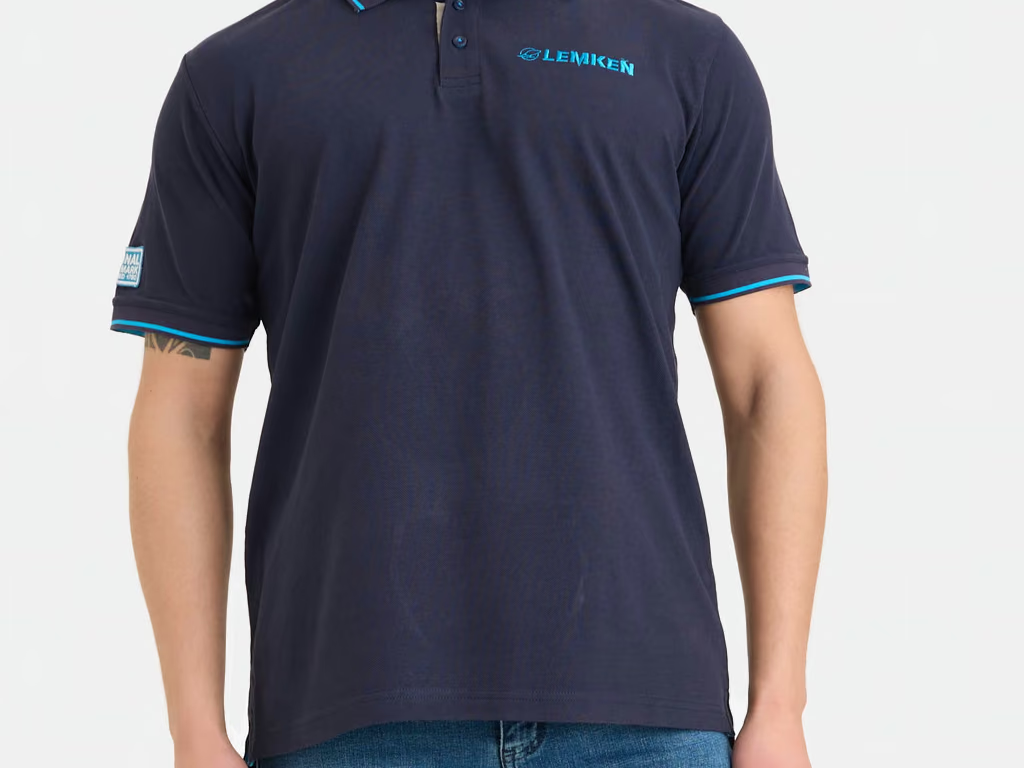
- Check the specific style points. Neck opening on a tee, placket lie on a polo, hood proportion on a hoodie, rise when seated on a trouser.
- Photograph it worn, front, back and side, with the same lighting each round so successive samples can be compared.
Writing comments a factory can act on
Clear, consolidated comments help the factory identify the required changes and compare the next sample with the agreed targets.
Comment discipline
Comments that work
- Increase flat chest width by 2 cm at the specified point of measure
- Body length 1.5 cm longer from the high point of shoulder
- Shoulder seam 1 cm further out, keep the armhole depth
- Sleeve opening too tight; increase its flat width by 1 cm at the specified point of measure
- Hem rises at the back on the body; balance needs correcting
- Approved as is on everything not listed
Comments needing clarification
- Make it slimmer
- It feels a bit short
- The fit is not right
- Looks bigger than the reference
- Follow the sample we sent last time
- Comments from three people, sent separately, not reconciled
Two further habits shorten development. Send one consolidated set of comments per round rather than several messages, and separate what must change from what would be preferable, so the factory knows where to spend effort.
When to change the pattern and when to change the block
A block is the base pattern a factory works from for a garment type. Adjusting a pattern corrects one style; adjusting the block changes everything built from it afterwards.
If the same fit issue recurs across styles, check the shared block as well as fabric and construction. Agree whether the correction belongs in the block or in one style's pattern, and identify which other styles need to be checked after a block change.
Proving the fit across the size range
Approval in one size does not confirm fit across the whole range. Grading uses increments that vary by measurement, so agree a size-set review that includes the smallest and largest sizes and any other sizes needed to assess the intended range.
The mechanics of grading, points of measure and tolerances are covered in the pattern and grading guide.
Freezing the fit
After fit approval, keep the graded measurement chart and approved sample as versioned, dated references. Document later changes and agree whether a revised sample is needed before production. See reorder consistency guide.
Questions this raises
Why does a garment pass the measurement chart and still fit badly?
Because a chart controls dimensions at specific points, and fit is created by the relationships between those points: shoulder position, armhole depth, body length and where the ease sits. Two garments with an identical chest measurement can fit completely differently.
How many fit rounds should a new garment need?
The number of fit rounds depends on the starting pattern, product complexity, fabric and changes requested. Agree the review stages and size-set scope with the factory; the number of rounds alone does not identify the cause of a delay.
Should the fit sample be made in the final fabric?
Wherever availability allows, yes. Stretch, drape, weight and shrinkage all change how a pattern behaves, so a fit approved on a substitute can look different in the real cloth. If a substitute is needed, record the differences in stretch, drape, weight and shrinkage, and confirm the fit in the intended fabric before final approval.
What is ease?
The difference between the body measurement and the garment measurement. Positive ease means the garment is larger than the body; negative ease means it is smaller and the fabric is under tension, which is how leggings and fitted activewear are patterned.
Who should attend a fit session?
Include the people responsible for fit decisions and nominate one person to consolidate their feedback into a single set of comments for each round.
Developing a fit you will reorder for years?
Send your measurements or a garment that fits the way you want, with a note on what to change. We sample in the intended fabric, photograph it worn, and freeze the approved chart so later orders start from the same reference.
Start a fit development