Specification, sampling and quality
Clothing Sampling Explained: Proto, Fit, Size Set and Pre-Production Samples
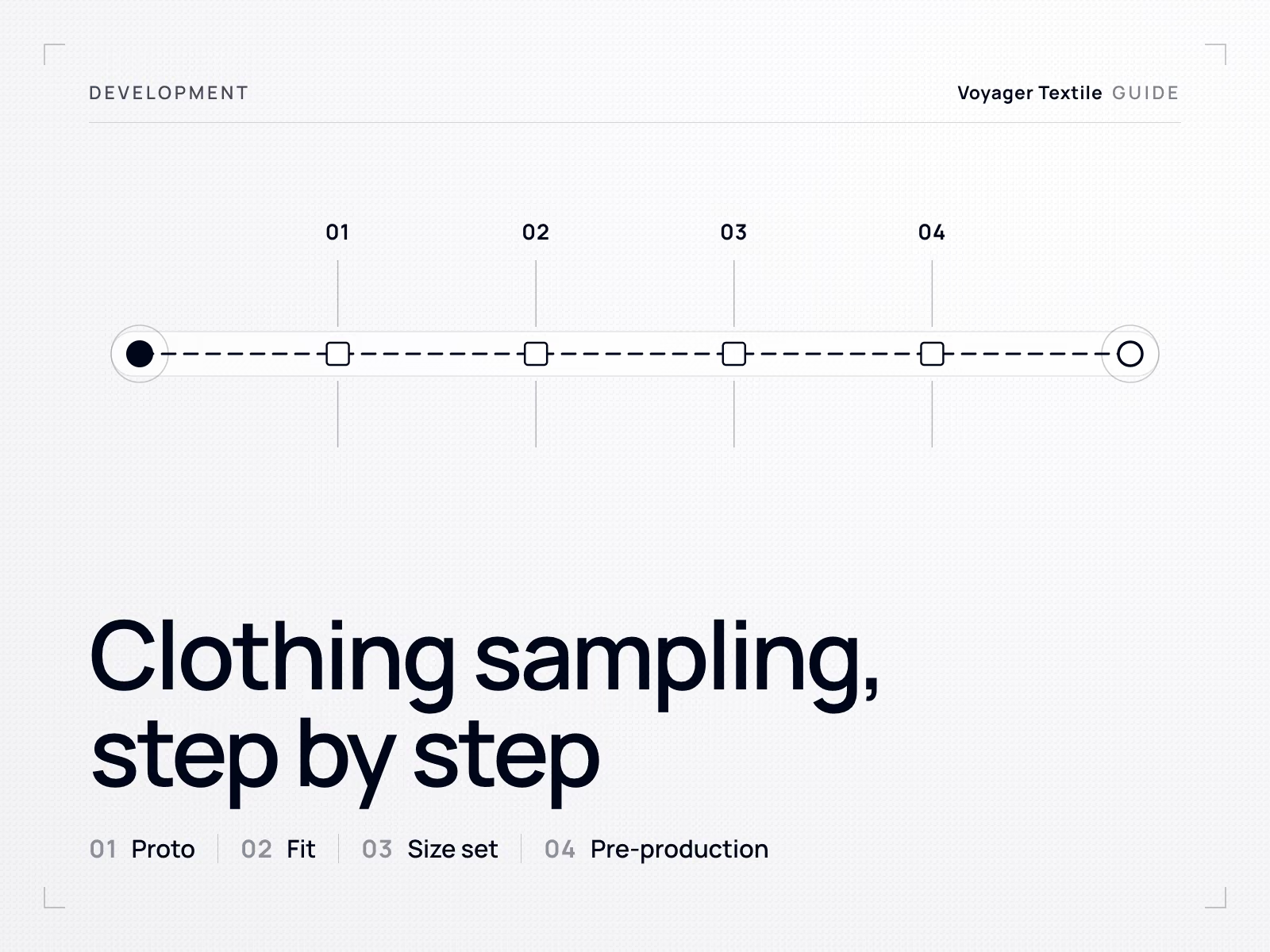
Each sample stage supports a different decision: the proto helps assess construction, the fit sample checks measurements and fit, the size set checks grading and fit across selected sizes, and the pre-production sample checks the agreed bulk materials and decoration. Agree the stages and approval criteria for the project.
Contents
- The sample stages
- The proto sample: construction, not fit
- The fit sample: where measurement discipline pays
- The size set: proving the grading
- The pre-production sample: the one that protects the order
- How to give feedback that shortens the process
- Sample costs and what they buy you
- Common sampling mistakes
- What sample approval means commercially
- Questions buyers ask
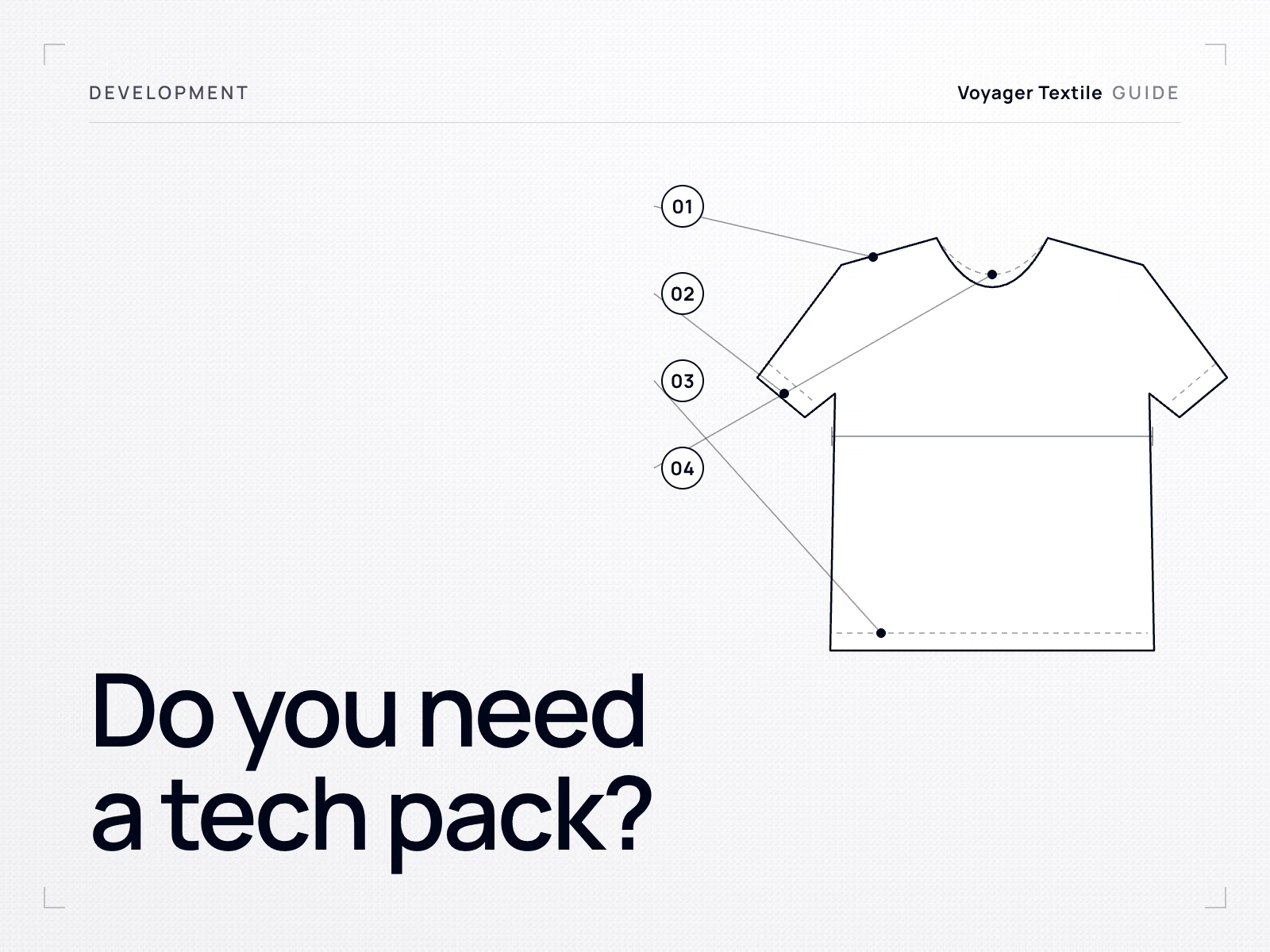
The approved sample is a physical reference used alongside the tech pack, measurement tolerances, material specifications and written approvals. Keep these records consistent and identify the approved version. Bulk production and inspection should follow the agreed set of references.
Not every project needs every stage. A simple repeat of an existing construction may need one sample; a new fitted garment across a full size range needs several. What follows is what each stage is for, so you can decide which ones your project genuinely requires.
The sample stages
| Stage | Question it answers | What you check |
|---|---|---|
| Proto or development sample | Can this construction be built as intended? | Overall construction, panel layout, seam types, general proportions. Often made in a substitute fabric. |
| Fit sample | Does it measure and sit the way it should? | Every point of measure against the chart, plus fit on a body or form |
| Size set | Does the fit hold across the size range? | Grading and fit in the agreed size selection, which may include the smallest, base and largest sizes or the full range |
| Sales or photo sample | Does the sample represent the intended product for sales presentation or photography? | Appearance in the correct fabric and colour, and branding |
| Pre-production sample | Is everything correct in bulk materials? | Bulk fabric, approved colour, real trims, final labels, final decoration |
| Top of production sample | Does the first output of the line match what was approved? | A piece from the actual production run, checked against the approved sample, measurement specification and tolerances |
The proto sample: construction, not fit
A proto sample tests how the garment can be constructed from the design. A substitute fabric can support an early review only where its weight, stretch, drape and sewing behaviour are suitable for the questions being assessed. Record the substitution and defer decisions that require the intended fabric.
Judge it accordingly. Comments about hand-feel and colour are usually premature at this stage. Comments about panel layout, seam placement, pocket construction and proportion are exactly right. If the fabric substitution makes assessment impossible, say so and wait for the real fabric instead of approving something you cannot judge.
The fit sample: where measurement discipline pays
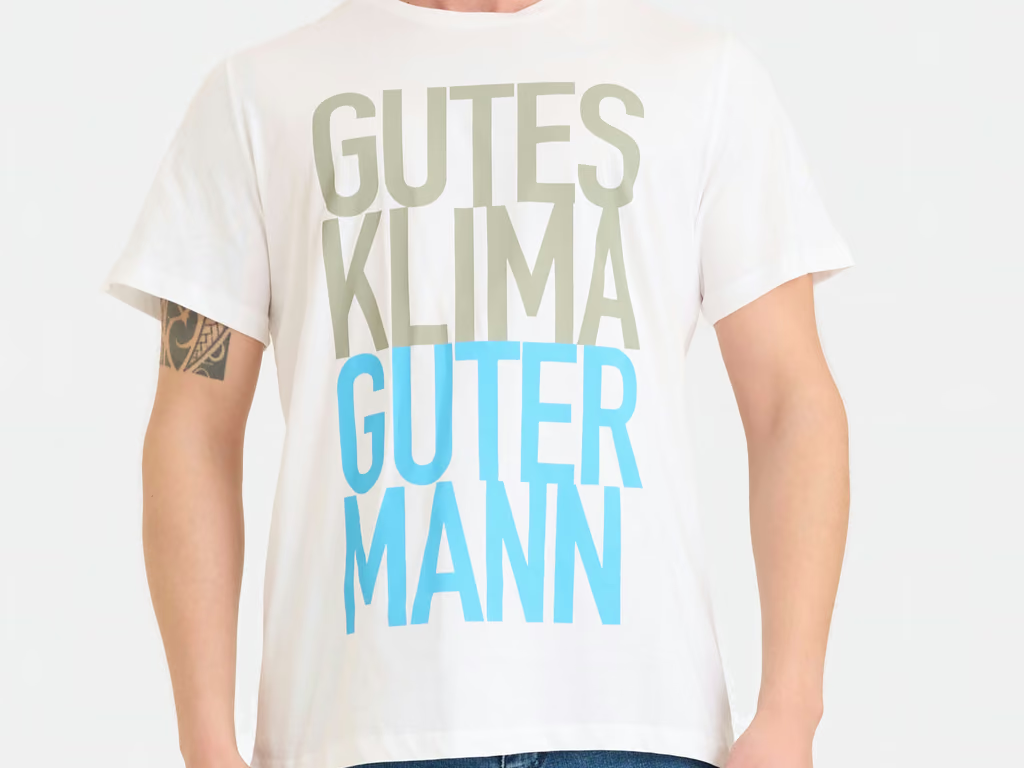
Measure the fit sample flat against the measurement chart, then assess it on a suitable wearer or form. Measurements and fit observations serve different purposes: record the actual values alongside photographs and notes on balance, movement and ease. For a dimensional revision, specify the point and direction, for example increase the finished flat chest width by 2 cm at the defined measurement point.
Consolidate feedback in one document and distinguish required corrections from preferences. If fit observations suggest a change to the measurement chart or pattern, agree the revision and update the versioned specification before approval. See pattern making and size grading for measurements and tolerances.
The size set: proving the grading
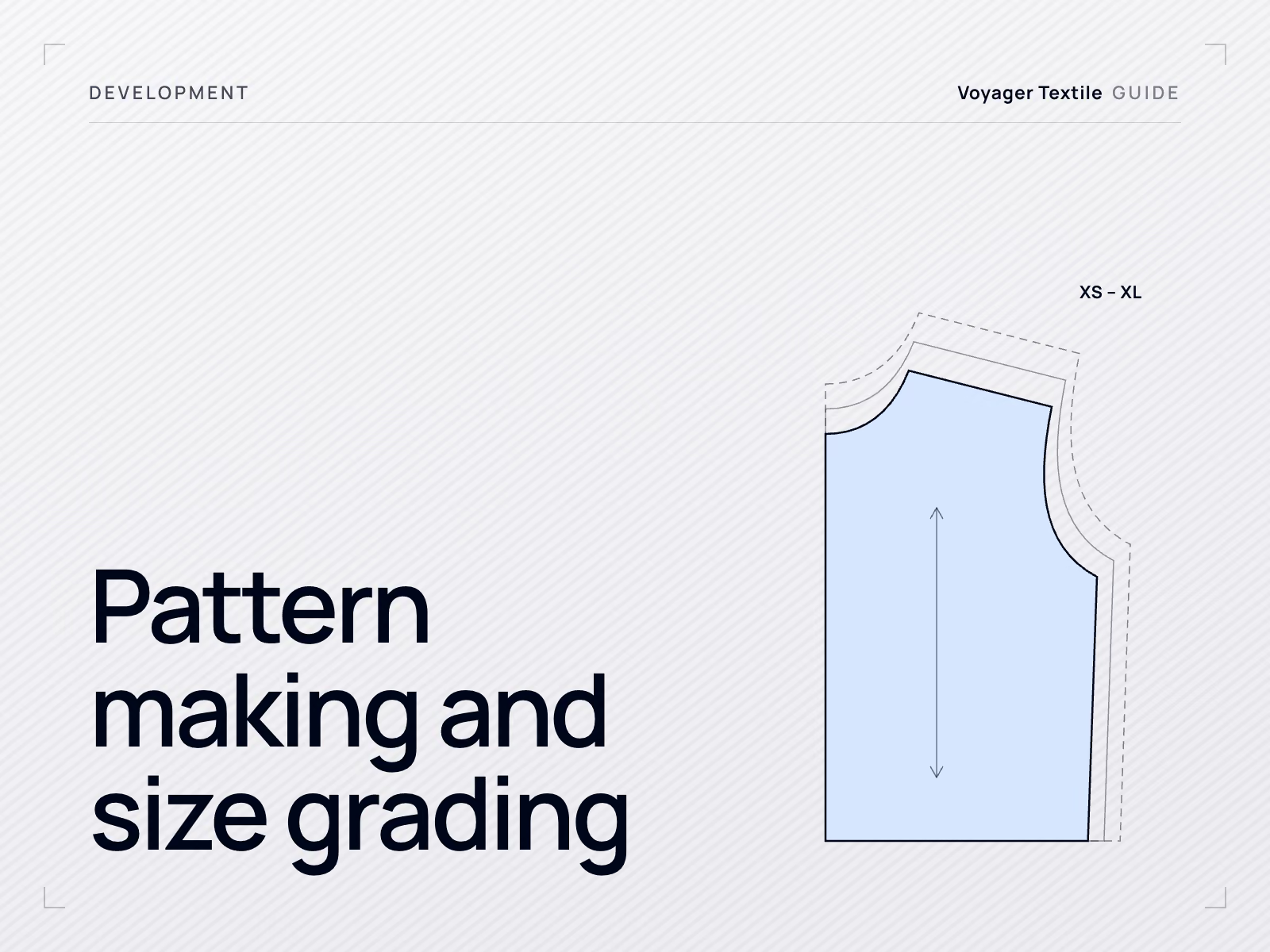
A size set checks grading across agreed sample sizes. The selection may include the smallest, base and largest sizes or the full range, depending on the product and review plan. Grading is not uniform scaling: check measurements and fit across the selected sizes, including intermediate sizes where needed.
Agree the size-set scope before bulk production, considering fit sensitivity, size range, fabric behaviour and the grading already verified. A loose fit alone does not establish that size-set review is unnecessary.
The pre-production sample: the one that protects the order
A pre-production sample uses the intended bulk fabric, approved colour, final trims, labels and decoration. Review it before authorising bulk production. The approved sample provides a physical inspection reference alongside the current tech pack, measurement tolerances and written approvals.
Check it against everything: measurements, colour under controlled lighting, decoration position and size, label content and placement, trims and packing. What must already be approved before it is made, and what its approval does not guarantee, is covered in the pre-production sample. Agree the sample stages needed for the project. Bulk production at Voyager Textile starts only after sample approval and typically takes 4 to 5 weeks from approval; development, sampling and shipping time are additional.
How to give feedback that shortens the process
- Measure the sample flat before commenting, and record the actual values next to the specified ones.
- Put all comments in one document per sample round rather than sending them as they occur to you.
- Separate must change from would prefer, so the factory knows where to spend effort.
- For dimensional changes, specify the measurement point and amount, for example 1.5 cm longer at the defined point. Use annotated photographs or sketches for changes to shape, construction or appearance.
- Photograph anything visual, with the measuring tape in the frame where relevant.
- State clearly whether you are approving, approving with corrections, or requesting a new sample.
- Confirm the decision in writing, including the date and the specification version it applies to.
Sample costs and what they buy you
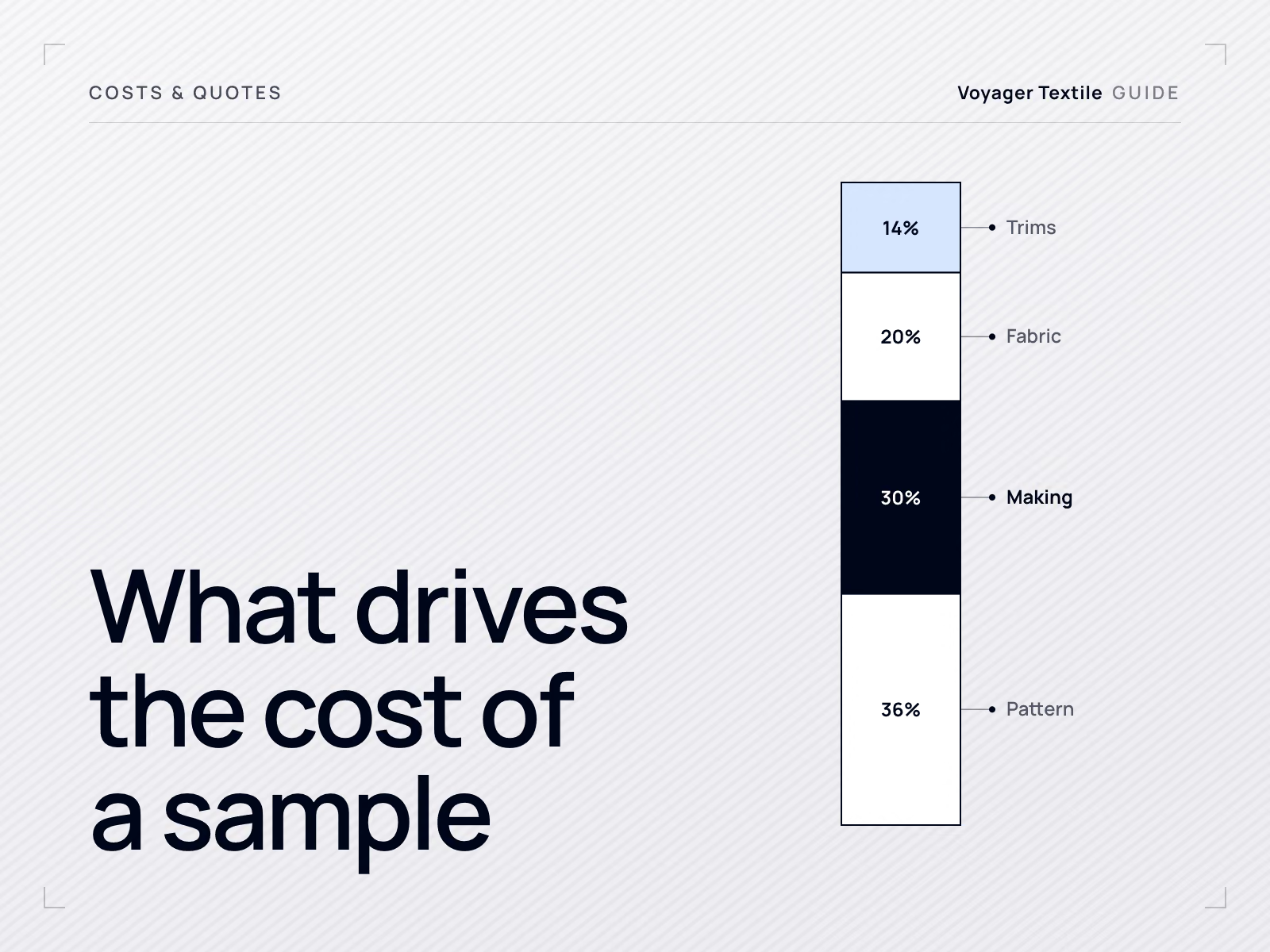
Sample costs can cover pattern work, fabric, cutting, sewing and agreed development tasks. Confirm the fee, included work and revision terms before starting.
Ask at the start how many revision rounds are included, what a further round costs and how long each one takes, so sampling appears in your calendar as well as your budget. The lead time guide shows how sampling rounds affect the delivery date, and what determines the cost of a sample explains which development work creates the charge and why a revision can reopen it.
Common sampling mistakes
- Approving a proto as if it were a fit sample, then discovering the measurements were never checked.
- Judging colour on a screen or in office lighting rather than against a physical standard under controlled light. See Pantone colour matching.
- Skipping an agreed pre-production sample review to shorten the schedule, leaving deviations to be discovered during bulk production.
- Sending fit comments from three different people without reconciling them.
- Approving verbally, or approving in a message thread that nobody can find afterwards.
- Changing the specification after approval without assessing whether the change requires a revised sample, further testing or a documented update to the approval.
What sample approval means commercially
An approved sample provides a physical reference for the order alongside the current tech pack, measurement tolerances and written approvals. Use these agreed references when inspecting bulk goods or assessing a quality claim. Record who approved the sample, the date, the specification version and any conditions attached to the approval.
Retain the approved sample, patterns, colour standards and current specifications for inspection and repeat-order planning. These references help identify deviations and agree corrective action; materials and production still need checking for each order. See why bulk differs from the approved sample, reorder consistency and quality control.
Questions buyers ask
How many samples does a new garment usually need?
Agree the sample stages and revision allowance after reviewing the design, materials, fit requirements and size range. A project may need proto, fit, size-set and pre-production reviews; the number of rounds depends on what each review reveals. A complete specification helps define the work but does not fix the number of revisions.
What is the difference between a fit sample and a pre-production sample?
A fit sample checks measurements and fit on a suitable wearer or form. Substitute materials are suitable only if their relevant behaviour supports that assessment. A pre-production sample checks the intended bulk fabric, colour, trims, labels and decoration and becomes a physical reference alongside the agreed technical records.
Do I need a size set?
Agree which sizes need checking based on the fit requirements, size range, fabric and grading history. Review measurements and fit in those sizes; problems can occur in intermediate as well as extreme sizes. A loose fit alone is not a reason to omit the review.
Should bulk production ever start before sample approval?
Voyager Textile starts bulk production only after sample approval. Before release, confirm that the sample, current tech pack, tolerances and written approval conditions agree and that required corrections have been resolved.
Are samples free?
Confirm any sample fee before development starts. Ask how many revision rounds are included, what an extra round costs and how long each round takes so both budget and calendar reflect reality.
How should I record sample approval?
In writing, from a named person, with a date and a reference to the specification version. Ask for two signed counter samples, one held by each side, so any later discussion about bulk has a shared physical reference.
Develop your garment sample
Send your specification or a reference garment and we will develop a sample to it, with a written note of anything we changed for manufacturability and why.
Request sample development