

The pre-production sample
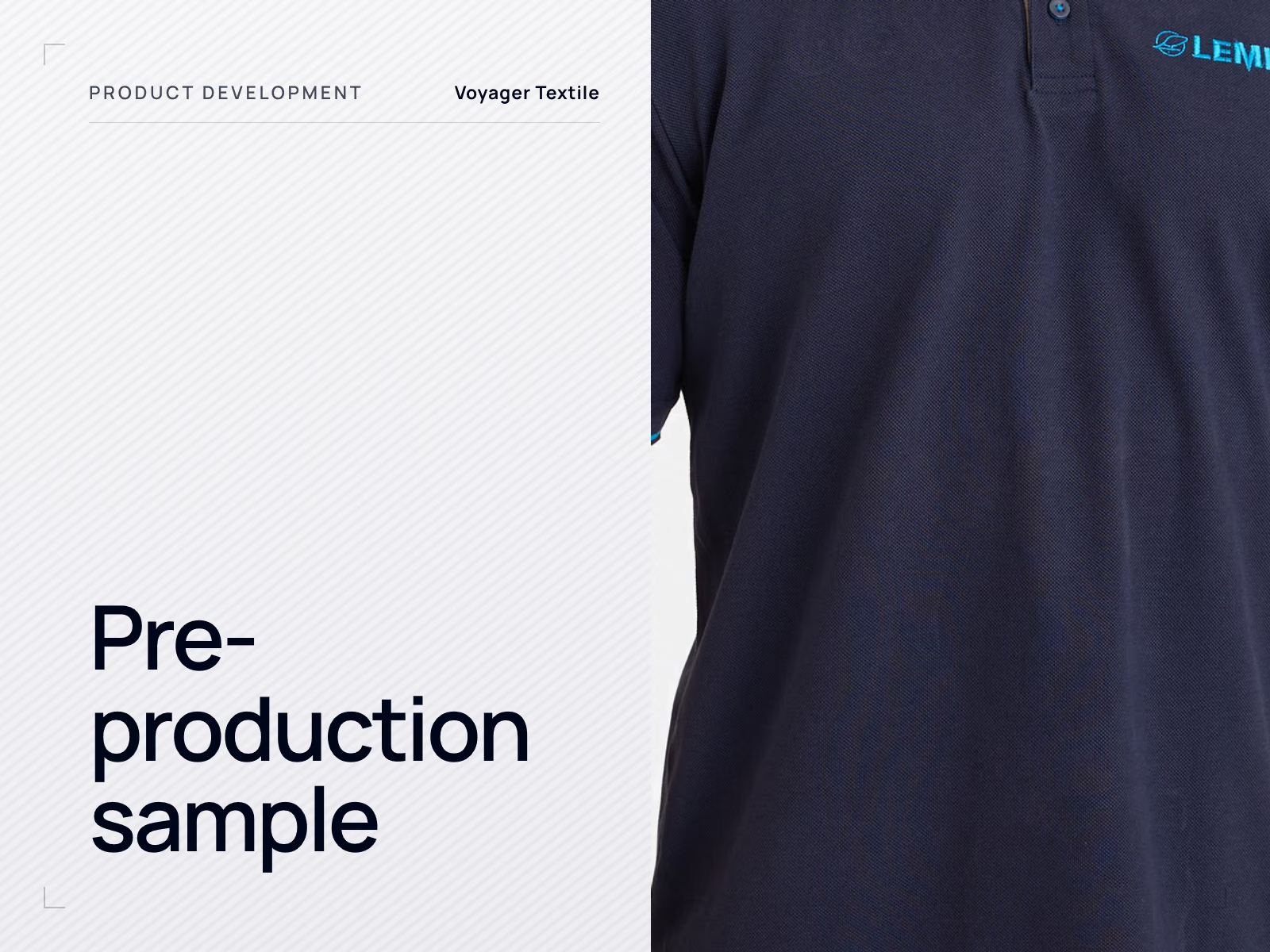
A pre-production sample is made from the actual bulk materials, with the final trims, labels and decoration, immediately before production starts. Its purpose is not to develop the product, which should already be settled, but to prove that everything agreed separately works together in one garment. Once approved it becomes the physical standard the delivery is measured against.
Contents
The pre-production sample brings the agreed fabric, components and construction together in a finished garment before bulk production. Review it against the approved specification and record the approval decision, any corrections and the conditions for releasing production.
What must already be settled
A PP sample confirms the developed product. Settle fit and fabric decisions before this stage so that the review can focus on the finished garment. The following approvals should be in place before the sample is made.
Approved before the PP sample is cut
- Fit, on an approved fit sample, with the measurement chart and tolerances agreed
- Fabric quality, structure and weight, with the bulk fabric in house
- Colour, against the approved colour standard, such as a lab dip on the intended fabric where applicable
- Print or embroidery, on an approved strike-off or stitch-out on the actual fabric
- Trims and components, as physical items in their final specification
- Label content and artwork, in the final version
- Grading, where a size set was required
- Packing method, if it forms part of the approval
If an item remains open, record what is pending, who must approve it and whether it requires a revised sample. Resolve its effect on materials, cost and timing before releasing the affected production.
What to check, element by element
| Element | What to verify | Common finding |
|---|---|---|
| Fabric | That it is the bulk lot, and that hand, weight and surface match the approved quality | A different lot or finish that feels close but not identical |
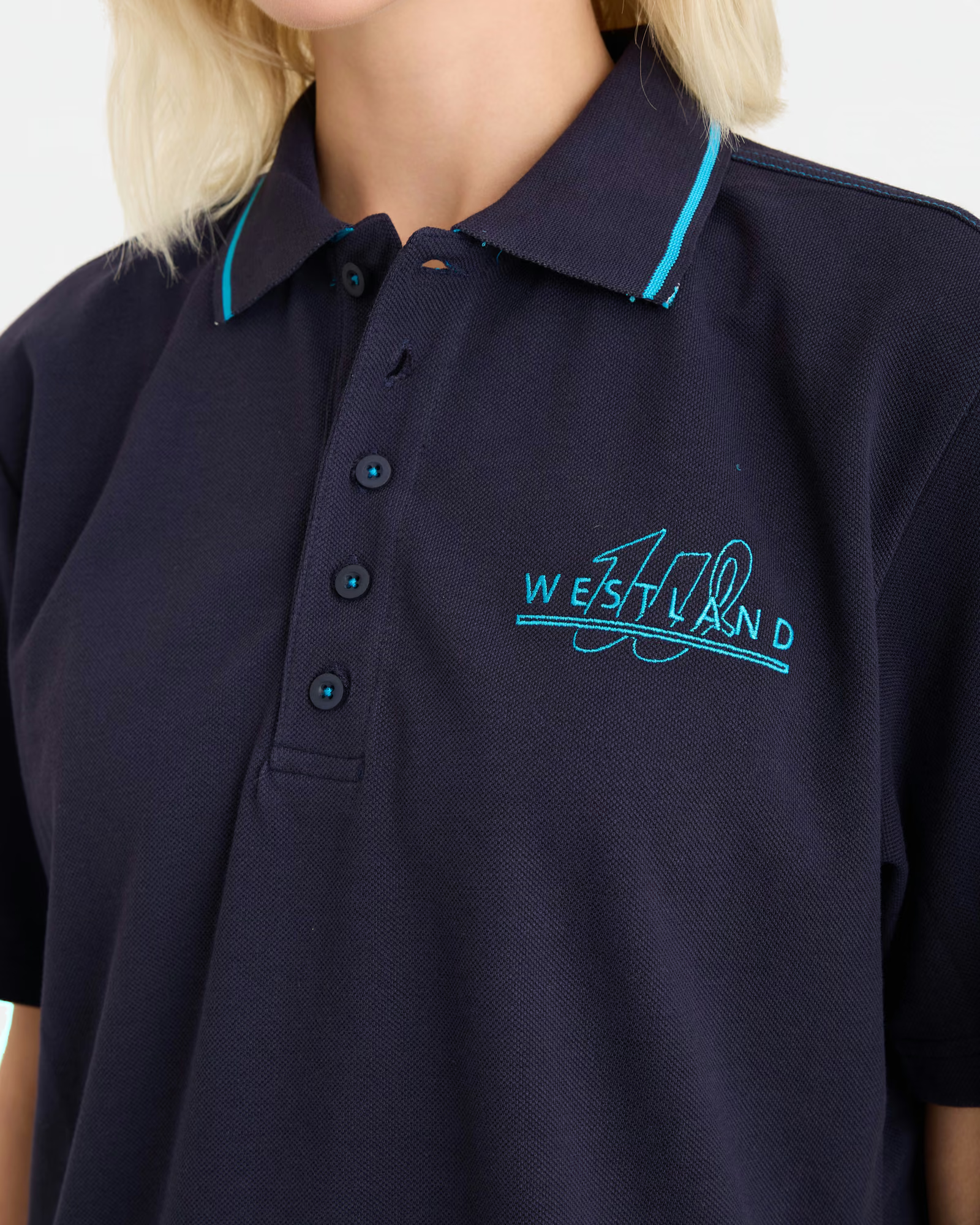
| Colour | Body against the approved standard, and every component against the body, under controlled lighting | Rib, collar or trims drifting from the body colour |
| Measurements | Every point of measure against the chart, with tolerances applied | Drift on one or two points once the real fabric is used |
| Decoration | Position, size and appearance on the actual fabric, and colour against the approved print or embroidery sample | Placement measured from a different reference point than intended |
| Trims | That the physical components are the approved ones, not equivalents | A substituted zip, cord or rib that was never raised |
| Labels | Content, language, position and attachment | An outdated artwork version, or content that does not match the actual fabric |
| Construction | Seam types, stitch quality, reinforcement points, finishing | A reinforcement specified in the tech pack and absent in the sample |
| Packing | Fold, bag, hangtag and carton markings if these are in scope | Packing agreed verbally and never written down |
What approval actually means
The approved pre-production sample is a physical reference used alongside the current tech pack, measurement tolerances and written approval comments. It does not replace those documents. Record and resolve any conflict between them before releasing the affected production. Three practical steps support a clear approval record.
- Approval should be by a named person, with a date, and it should reference the specification version the sample corresponds to.
- Two sealed counter samples should exist, one held by each side, both signed. A single sample held by one party is a weaker reference than it looks.
- Anything approved with a correction must be written as a correction rather than remembered. Approved subject to shortening the sleeve by one centimetre is a specification change, and it needs to reach the production floor.
What a PP sample does not guarantee
A pre-production sample proves that the product can be made correctly. It does not prove that every one of several thousand garments will be identical to it, because bulk introduces variables a single sample cannot contain.
- Material variation. More fabric will be used than the sample consumed, potentially from other rolls or lots. Colour and weight tolerances still apply.
- Production variation. Operators, machines and process settings can introduce variation during bulk production. Assess measurements against the agreed target values and tolerances, and investigate deviations outside those limits.
- Performance in use. Assess shrinkage, pilling and colourfastness through the relevant tests. Visual approval of an untested PP sample does not establish these properties.
- Packing and handling. Approve the packing method before production where it is in scope, then check its execution on the actual shipment at final inspection.
The controls that manage those variables are the tolerance table, the inspection standard and the tests specified at fabric approval, which are covered in the quality control guide. Where bulk does diverge from the approved sample, the causes and the evidence sequence are set out in why bulk production differs from the approved sample.
How it differs from the earlier samples
| Sample | Materials | Question it answers | Status afterwards |
|---|---|---|---|
| Development or proto | Often substitutes | Can the construction be built? | Superseded |
| Fit sample | Substitute or intended fabric | Does it measure and sit correctly? | Approved reference for fit and measurements |
| Size set | Usually intended fabric | Does the fit hold across the range? | Reference for grading and fit across sizes |
| Pre-production | Actual bulk materials and trims | Is everything correct together, ready to produce? | Becomes the production standard |
| Top of production | Bulk, taken from the line | Does the line's output match the approved sample? | Confirms the run, does not replace the PP sample |
The full sequence and what to check at each earlier stage is covered in the sampling guide.
The top of production check
A pre-production sample is made before the line starts. A top of production sample is pulled from the line once it is running, usually within the first output, and compared with the sealed PP sample. An early check can reveal recurring faults before more garments are made. Agree its timing, scope and how any findings will be resolved.
When a PP sample is skipped, and what it costs
For a repeat order, agree whether the retained approved sample is sufficient or a new PP sample is required. Review changes in materials, components, suppliers and specification, as well as the buyer's approval requirements. For a new or changed product, omitting the PP sample removes a check of the complete garment before bulk production.
Compare the sampling time and sample cost with the potential cost of correcting faults after bulk production starts. At Voyager Textile bulk production starts only after a sample is approved, and typically takes 4 to 5 weeks from that point depending on the product and the project.
Questions this raises
What is a pre-production sample?
A garment made from the actual bulk fabric, with the real trims, final labels and final decoration, immediately before production starts. It confirms that everything approved separately works together, and once approved it becomes the physical reference the delivery is judged against.
How is a PP sample different from a fit sample?
A fit sample is used to assess measurements and fit. If substitute fabric is used, its behaviour may differ, so confirm fit in the intended fabric before final approval. A PP sample combines the bulk materials and final components for review against the complete specification.
Who approves the pre-production sample?
The buyer, by a named person, with a date and a reference to the specification version. Two sealed counter samples should be retained, one by each side, so that any later comparison is between two physical garments rather than two recollections.
Does approving a PP sample mean every garment will be identical?
No. Fabric lots, line speed and operator variation all exist, which is why measurement tolerances and an inspection standard are agreed alongside the sample. The PP sample proves the product can be made correctly, not that variation disappears.
Can we approve a PP sample with corrections?
It depends on the correction and the agreed approval process. Record each change in the specification and communicate it to production. Agree how it will be verified and whether a revised sample is needed before the affected production is released.
Is a PP sample needed for a repeat order?
Agree this for each order. A retained approved sample may remain the reference for an unchanged product, but the buyer's requirements and any changes to materials, components, decoration suppliers or specification determine whether a new PP sample is needed.
Already have an approved development sample and need to prepare for bulk?
Send the approved specification and tell us which elements are still open. We will confirm what has to be settled before a pre-production sample can be made in bulk materials, and what it will be checked against, including any [care testing](/garment-care-testing) the programme needs.
Prepare for pre-production