

Bill of materials for apparel
A bill of materials is the list of everything a garment is made from, specified precisely enough to be purchased. Its job is procurement rather than description, which is why a line that says black rib is incomplete; it needs the structure, composition, width, colour reference and supplier.
Contents
A BOM supports purchasing and production planning. Each component must be sourced, delivered and checked before the garment can be finished, with its own minimum order quantity and lead time to consider.
BOM or tech pack
How the BOM and tech pack are organised varies between companies and software systems.
A tech pack is the technical description of the product: sketches, construction, measurements, tolerances, artwork, labels and packing. A bill of materials is the list of what the product is physically made from. In most workflows the BOM sits inside the tech pack as a section; in others it is maintained separately, often because purchasing and product development use different systems. Neither arrangement is more correct, and a supplier will work with either provided the information is complete and it is clear which document governs when they disagree. What a tech pack needs to contain is covered in what a clothing factory actually needs. Where a material carries a certification requirement, that belongs on the BOM line too, for the reasons set out in certified materials.
What a usable line contains
Specify each component in enough detail for purchasing, including any information that still needs confirmation.
| Field | Why it is there | Weak line | Usable line |
|---|---|---|---|
| Component and placement | Says what it is and where it goes | Rib | Neck rib, 2x1, 2 cm finished |
| Specification | Structure, composition, weight, size or gauge | Cotton rib | 95% cotton, 5% elastane, 2x1 rib, approximately 280 g/m² |
| Colour reference | Which standard it is matched to | Black | Matched to approved body fabric standard, not to a paper reference |
| Supplier or source | Whether it is nominated or the factory's choice | Blank | Factory sourced, or a named nominated supplier |
| Consumption per garment | Turns the line into a purchase quantity | Blank | Estimated per size, or per garment for trims |
| Approval status | Whether a physical sample has been signed off | Blank | Approved, date, version |
| Notes | Substitution rules and constraints | Blank | No substitution without written approval |
What appears on a BOM depends on the garment
Group the BOM by component type and include only the materials and components used in the product.

| Group | Typical lines | Where it matters most |
|---|---|---|
| Face materials | Main fabric, contrast fabric, panel fabrics, mesh inserts | Every garment |
| Knitted components | Neck rib, cuff rib, waistband rib, knitted collar and cuffs | Jersey and fleece garments, polos |
| Inner materials | Lining, pocket bag fabric, interlining, wadding or insulation | Outerwear, tailored bottoms, quilted products |
| Closures | Zips with type and length per size, buttons, snaps, hook and bar | Outerwear, trousers, polos, zip hoodies |
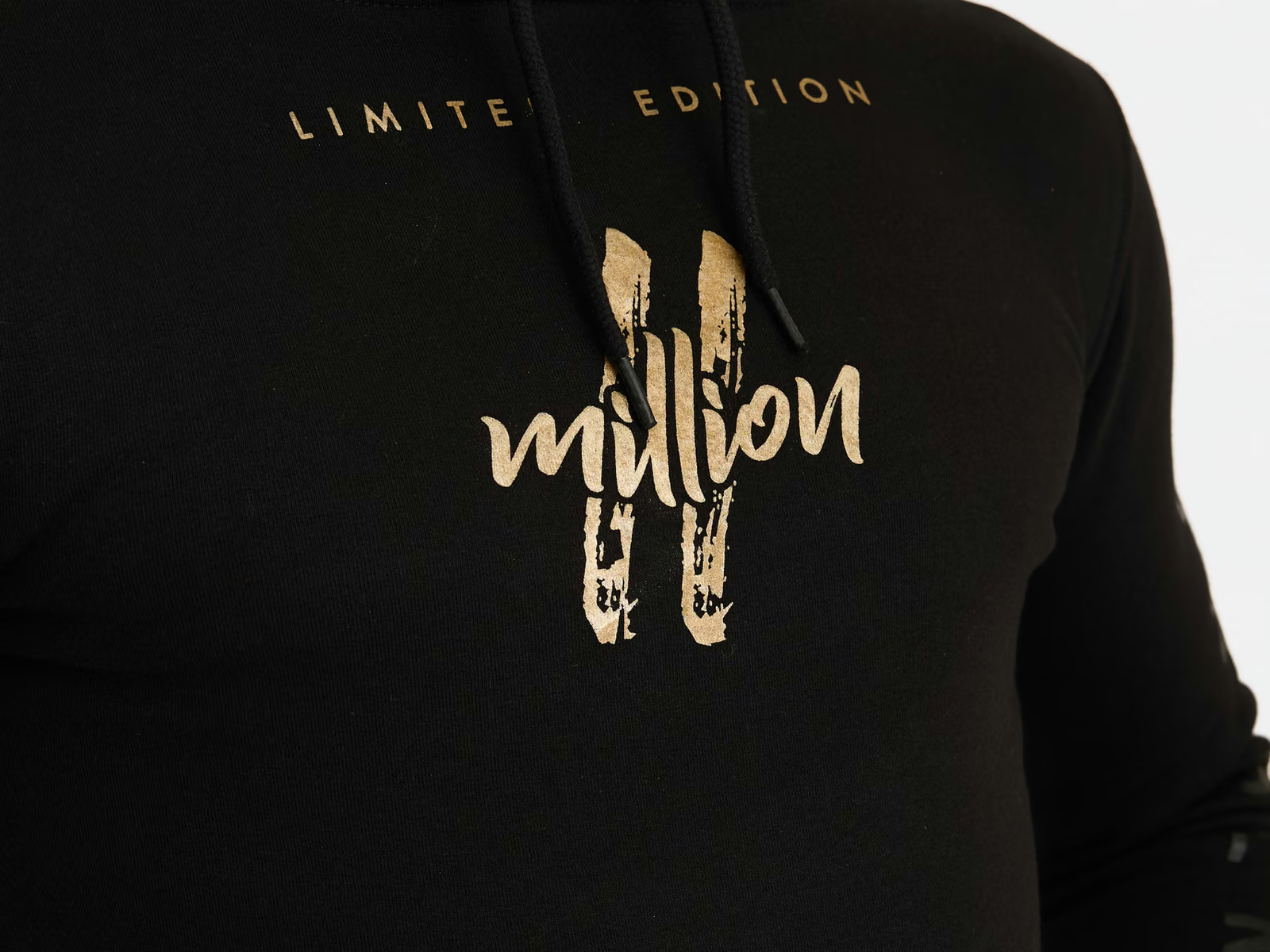
| Functional trims | Drawcord, elastic, eyelets, cord stoppers, hook-and-loop tape | Hoodies, bottoms, technical outerwear |
| Sewing materials | Thread type and colour, and any specialist thread | Every garment; especially important under demanding wash conditions |
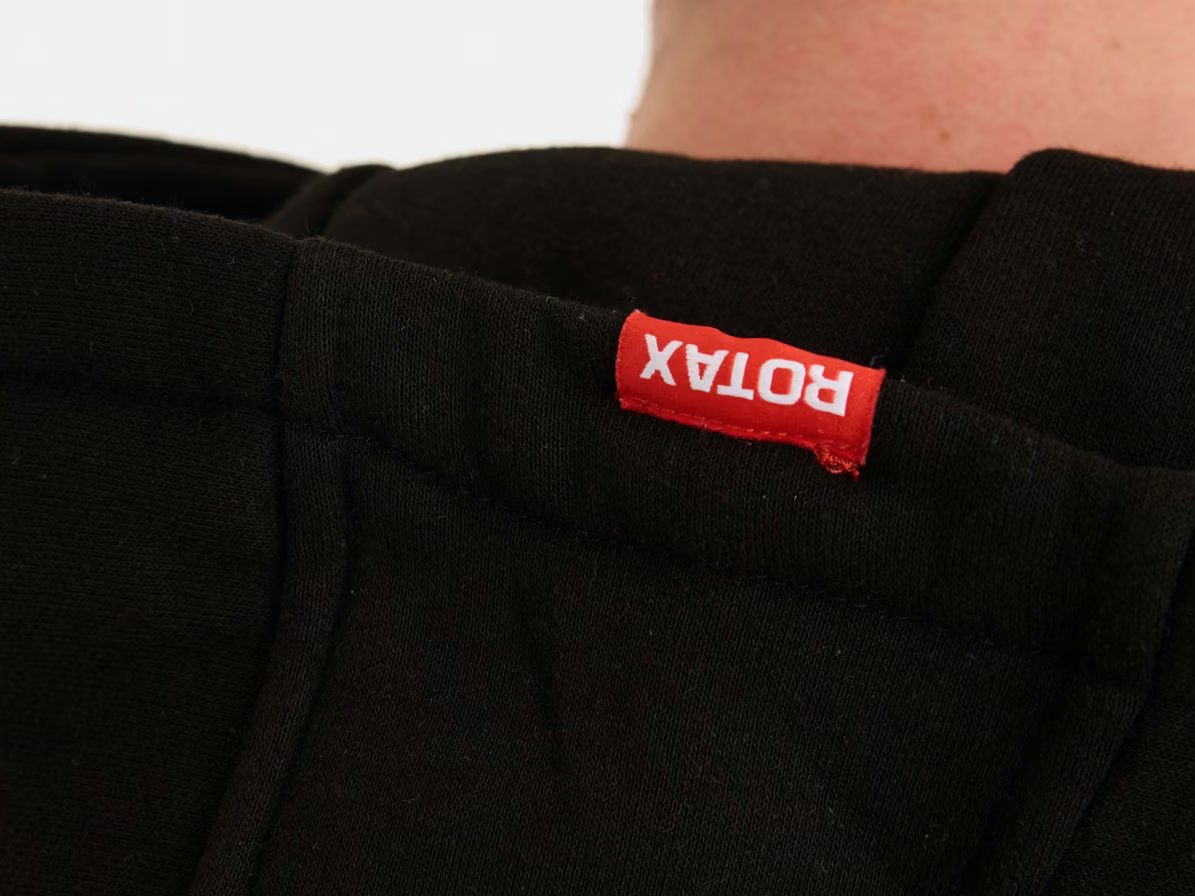
| Labels and branding | Main label, size label, care label, hangtag, patches, printed neck label | Every private-label programme |
| Packing | Polybag, size sticker, barcode label, tissue, carton | Retail and multi-site programmes |
Check details such as thread on garments that will be washed hot, pocket bag fabric on light-coloured trousers where a heavy bag prints through, and label artwork versions. Component detail for the branding group is covered in the labels and packaging guide.
The BOM is also a lead-time document
Record when each component will be available and when the production sequence needs it. A custom woven label or branded zip puller can delay a later stage even if the main fabric has arrived, so include these components in the schedule as well as the fabric.
- Mark which lines are long lead, and confirm those first rather than last.
- Note minimum order quantities per component, since a label minimum can exceed the garment order.
- Record whether a component is stock or made to order, because that difference is often several weeks.
- Where a component is nominated by the buyer, record who places the order and who chases it.
Version control and substitution
Components can change during development. Keep the BOM current and make sure production uses the approved version.
- Give every BOM a version and a date, and state which version an approved sample corresponds to.
- Record substitutions as changes rather than corrections in place, so the history remains readable.
- State which substitutions require written approval and record approval before using an alternative. Judging whether a proposed alternative is actually the same component is a separate question, covered in trims and components.
- Re-check the stated fibre composition and care instructions whenever a fabric specification changes.
Those controls are the same ones that keep repeat orders consistent, described in the reorder consistency guide, and their absence is a recurring theme in why bulk differs from the approved sample.
Who maintains it
Practice varies, and the important thing is that one party owns it. Where a brand has a product developer, the BOM is usually maintained on the brand side and issued to the factory. Where a factory is developing the product, it commonly builds the BOM during sampling and issues it back for approval. The failure case is the middle ground, where both sides hold partial versions and neither is authoritative.
Keep a current BOM with the rest of the technical documentation when transferring a style to another manufacturer. It helps identify components without having to reconstruct every specification from a physical garment. See moving clothing production to a new manufacturer.
Send the BOM with your tech pack for specification review
We check components against the construction, flag anything with a minimum or a lead time that will affect your date, and confirm what still needs a physical approval before sampling.
Have a specification reviewed