Quantities, cost and timing
Fabric Consumption in Apparel Manufacturing
Fabric consumption is how much cloth one garment uses, including the part that becomes waste. It is the largest single input into the price of most knitted garments, and it is decided by the pattern, the fabric width and the marker rather than by the garment's finished weight. Early estimates are approximations; a marker is the measurement.
Contents
- Why it decides the price
- Two ways it gets estimated
- What a marker is, and what efficiency means
- What changes the number
- Knits and wovens are accounted differently
- Which size is used to estimate
- Reducing consumption without changing the product
- What a factory needs to estimate it properly
- Questions buyers ask
Buyers rarely ask about consumption directly, and it sits underneath many of the questions they do ask. Why is the oversized version more expensive, why did the price change when the fabric width changed, why does a longer size ratio cost more per piece: all three are consumption questions. Understanding how the number is produced makes those conversations shorter.
Why it decides the price
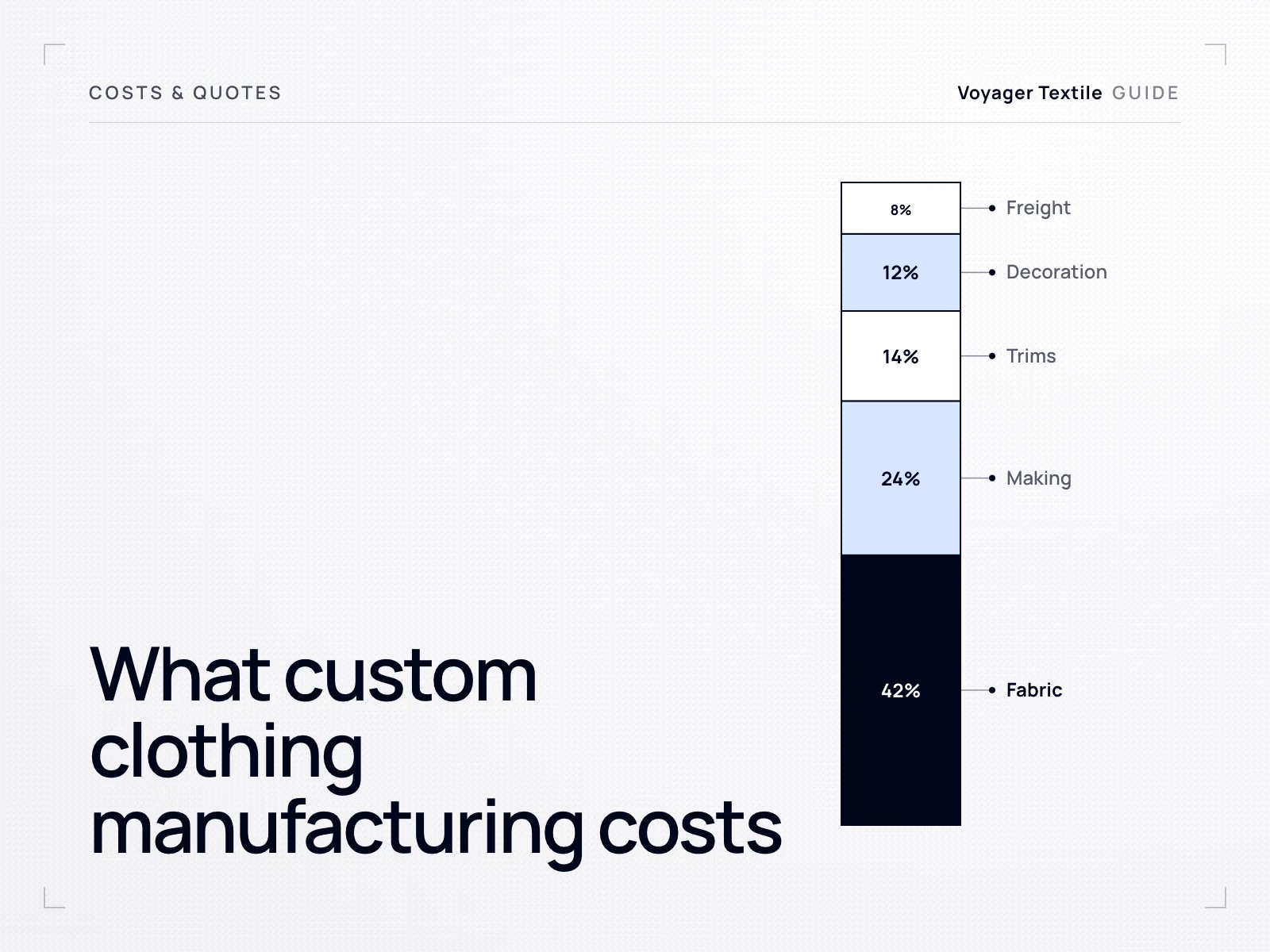
Fabric is normally the largest cost line in a knitted garment, and consumption is the multiplier applied to it. A change that adds five per cent to consumption adds close to five per cent to the largest line in the quotation, which is usually more than any negotiation on the sewing price will recover.
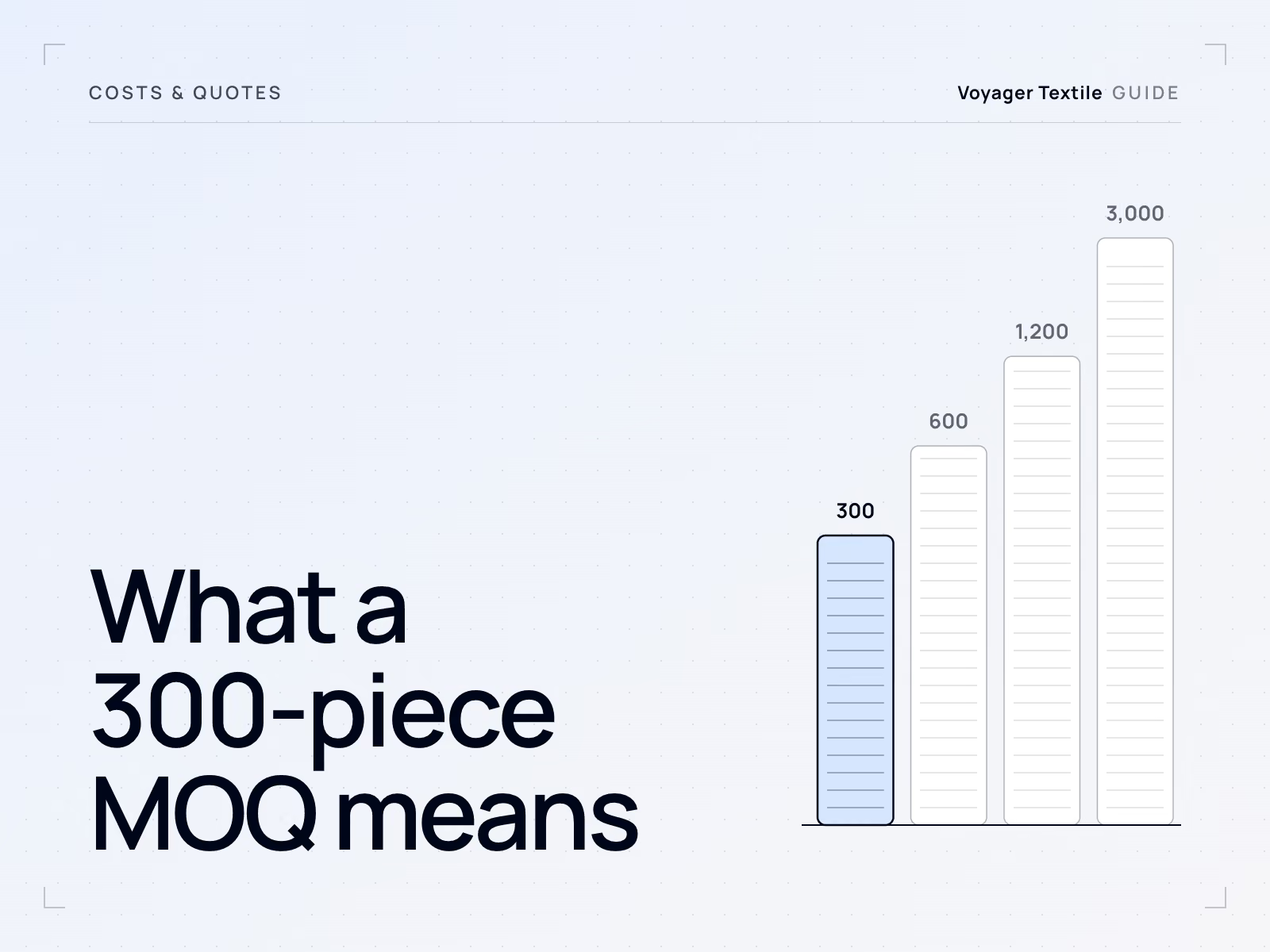
It also decides how much material has to be bought, which interacts with minimums: a fabric order is placed in kilograms or metres, not in garments, and a small increase in consumption can push a programme over a fabric minimum. How the wider price is built is covered in the cost guide.
Two ways it gets estimated
Both are used, at different points, and confusing them is a source of many disagreements about a quotation.
| Method | How it works | When it is used | Accuracy |
|---|---|---|---|
| Area approximation | The area of the garment's pieces is estimated and multiplied by the fabric weight to give a weight per garment, with an allowance added for wastage | Early costing, before patterns exist | Indicative; useful for a first price, not for buying fabric |
| Marker-based consumption | Patterns are laid into a marker at the actual fabric width and the fabric used is measured | Once patterns exist, and for bulk purchasing | The real number, and the one a factory buys against |
The approximation is genuinely useful at the stage where nothing has been developed, provided everyone treats it as what it is. It assumes an efficiency it has not tested and a fabric width it has not seen, and it cannot account for the shape of the pattern pieces, which is exactly what a marker measures.
What a marker is, and what efficiency means
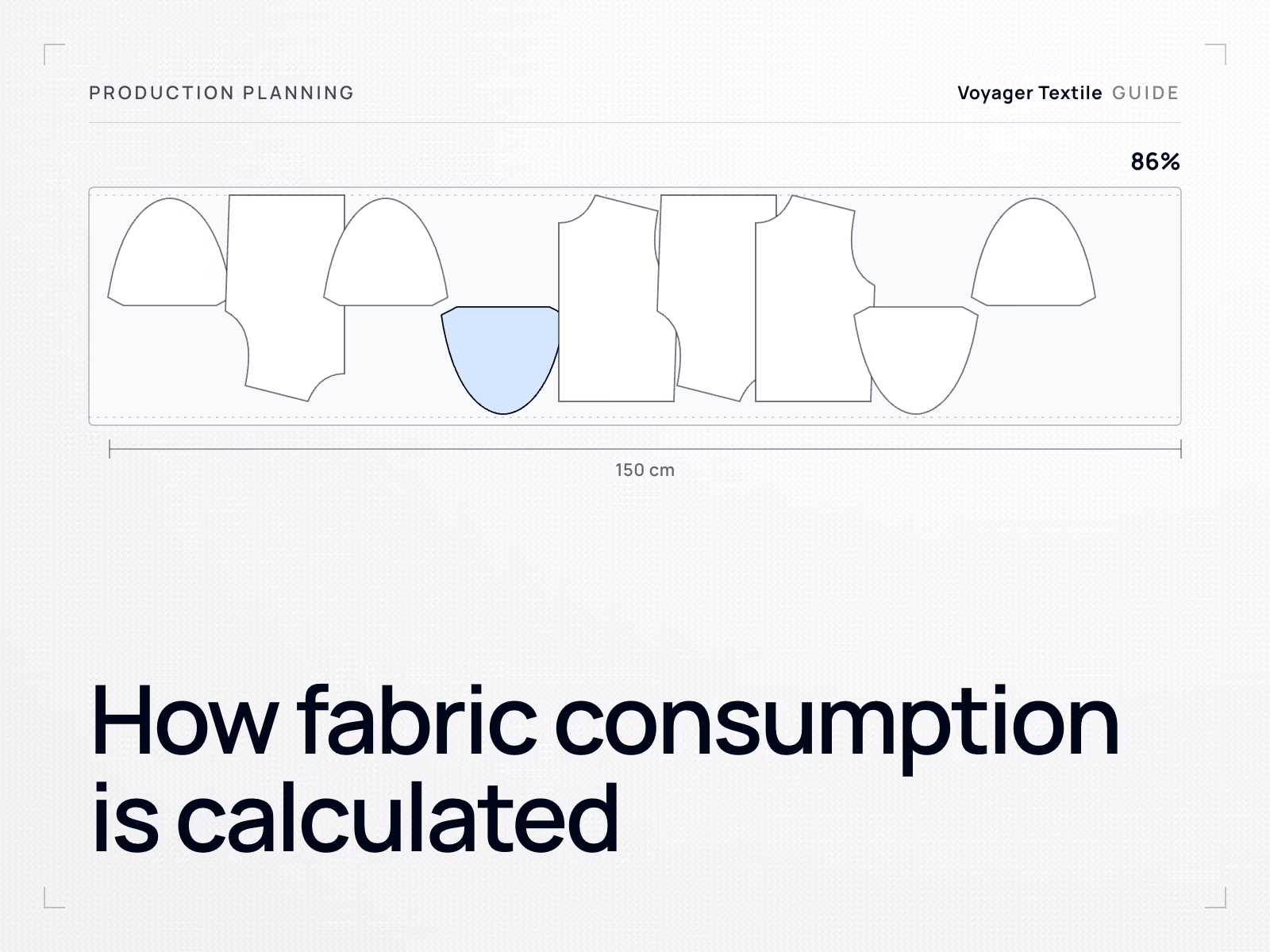
A marker is the layout of every pattern piece for the sizes being cut, arranged inside the usable fabric width so that as little cloth as possible is left unused. Marker efficiency is the proportion of the marker area actually covered by pattern pieces; the rest is the gaps between them.
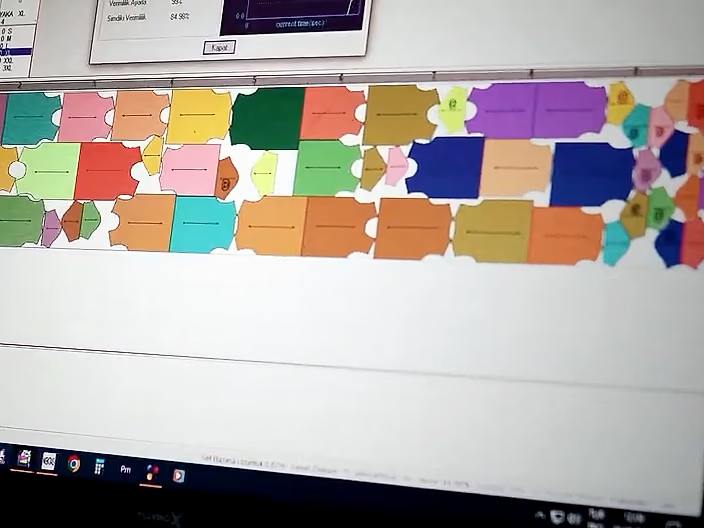
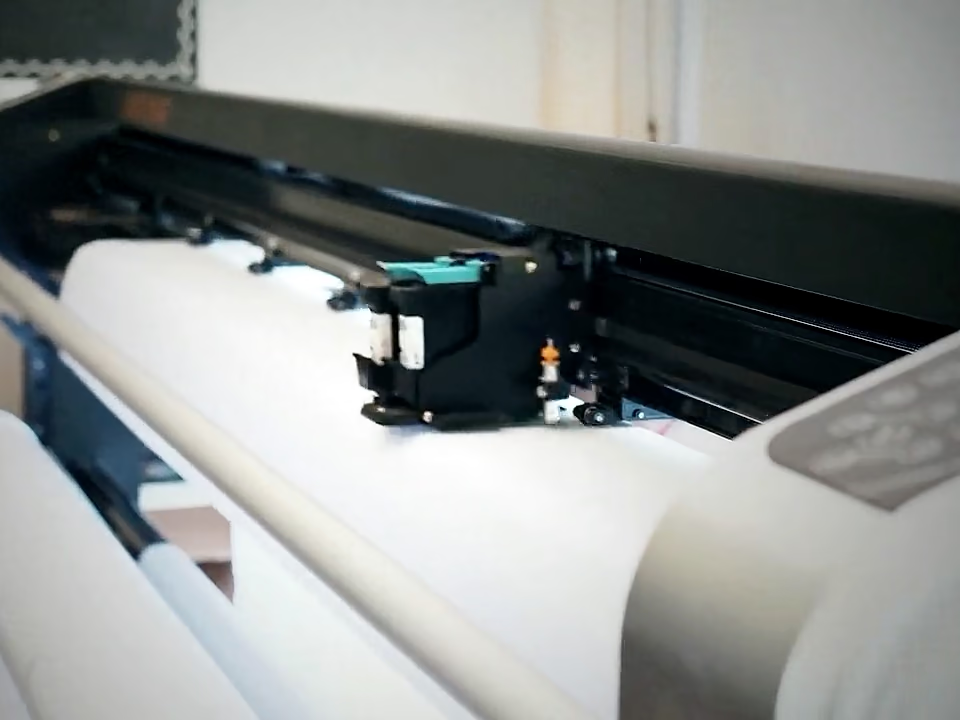
Efficiency in the region of 80 to 85 per cent is generally regarded as a good result for typical garments, and it varies with the shapes involved. Panels with straight edges nest tightly; curved or awkwardly shaped pieces leave more space between them. This is why two garments using similar amounts of fabric on paper can consume noticeably different quantities in practice.
What changes the number
- Pattern size and fit. An oversized body and longer sleeves consume more cloth before any other change. This is the main reason heavyweight streetwear is expensive twice: heavier fabric and more of it.
- Fabric width. Wider fabric usually allows better nesting and a more efficient marker. What matters is the usable width inside the selvedges rather than the nominal width.
- Size ratio. Markers combining several sizes generally nest better than single-size markers, so the ordered size split affects the average consumption per garment.
- Fabric direction. A brushed nap, a pile or a directional print forces every panel to run the same way, which removes the option of rotating pieces to fill gaps and raises consumption. What else a directional fabric commits the order to is covered in the cutting room.
- Pattern matching. Stripes, checks and placed prints have to align across seams, which adds fabric and is a cost driver that is often not anticipated.
- Shrinkage allowance. Where a fabric moves in washing, the pattern is cut larger to compensate, and that allowance is fabric.
- Wastage. End bits, end losses at the beginning and end of a lay, and cutting around identified fabric faults are all real consumption and are normally added as a percentage.
Knits and wovens are accounted differently
Knitted fabric is typically bought and costed by weight, so consumption per garment is expressed in grams or kilograms. Woven fabric is typically bought by length, so consumption is expressed in metres or yards. It is worth knowing which convention a quotation uses, because comparing a figure in kilograms with one in metres tells you nothing.
Knits carry one further variable: tubular fabric is knitted as a tube and open-width fabric is opened flat. A body cut from tubular fabric has no side seams and is laid differently, so consumption and marker efficiency are not comparable between the two. The structures themselves are covered in the fabric references.
Which size is used to estimate
Consumption is normally estimated from a size in the middle of the range, because it approximates the average across a balanced order. That works when the size split is balanced and becomes inaccurate when it is not: an order weighted towards the larger sizes consumes more fabric per garment than a mid-size estimate suggests.
This is why the size breakdown belongs in an enquiry rather than being supplied later. A quotation built on a balanced assumption and produced against a skewed order is a quotation that will be revised.
Reducing consumption without changing the product
- Check whether the fabric is available in a wider width, since a better marker costs nothing.
- Provide the real size ratio early so markers can be planned rather than assumed.
- Avoid directional fabrics where the design does not need them.
- Reconsider stripe and check alignment requirements if the cost has been quantified and the visual gain is marginal.
- Combine styles that share a fabric into one buying quantity, which reduces end losses across the programme.
- Review length and width dimensions that were set by instinct rather than by fit; a centimetre of body length across thousands of garments is a meaningful quantity of cloth.
What a factory needs to estimate it properly
Send these and the estimate becomes a number rather than a guess
- The pattern, or measurements complete enough to build one
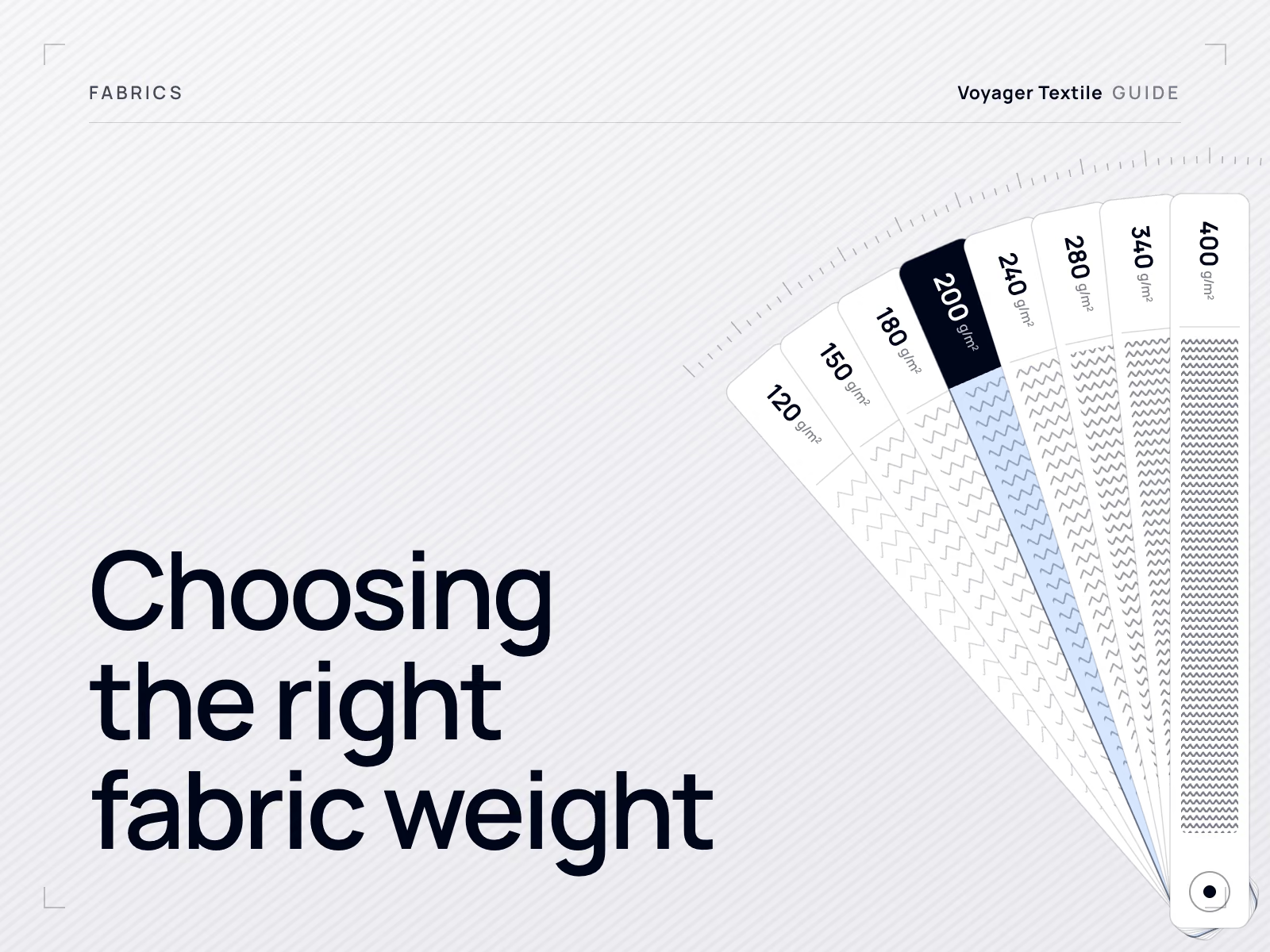
- The fabric structure, composition and weight
- The fabric width, or a note that it is not yet fixed
- Whether the fabric is tubular or open width, for knits
- Whether the fabric is directional, printed or requires matching
- The full size range and the expected split
- Total quantity, per colour
- Any shrinkage allowance already agreed from wash testing
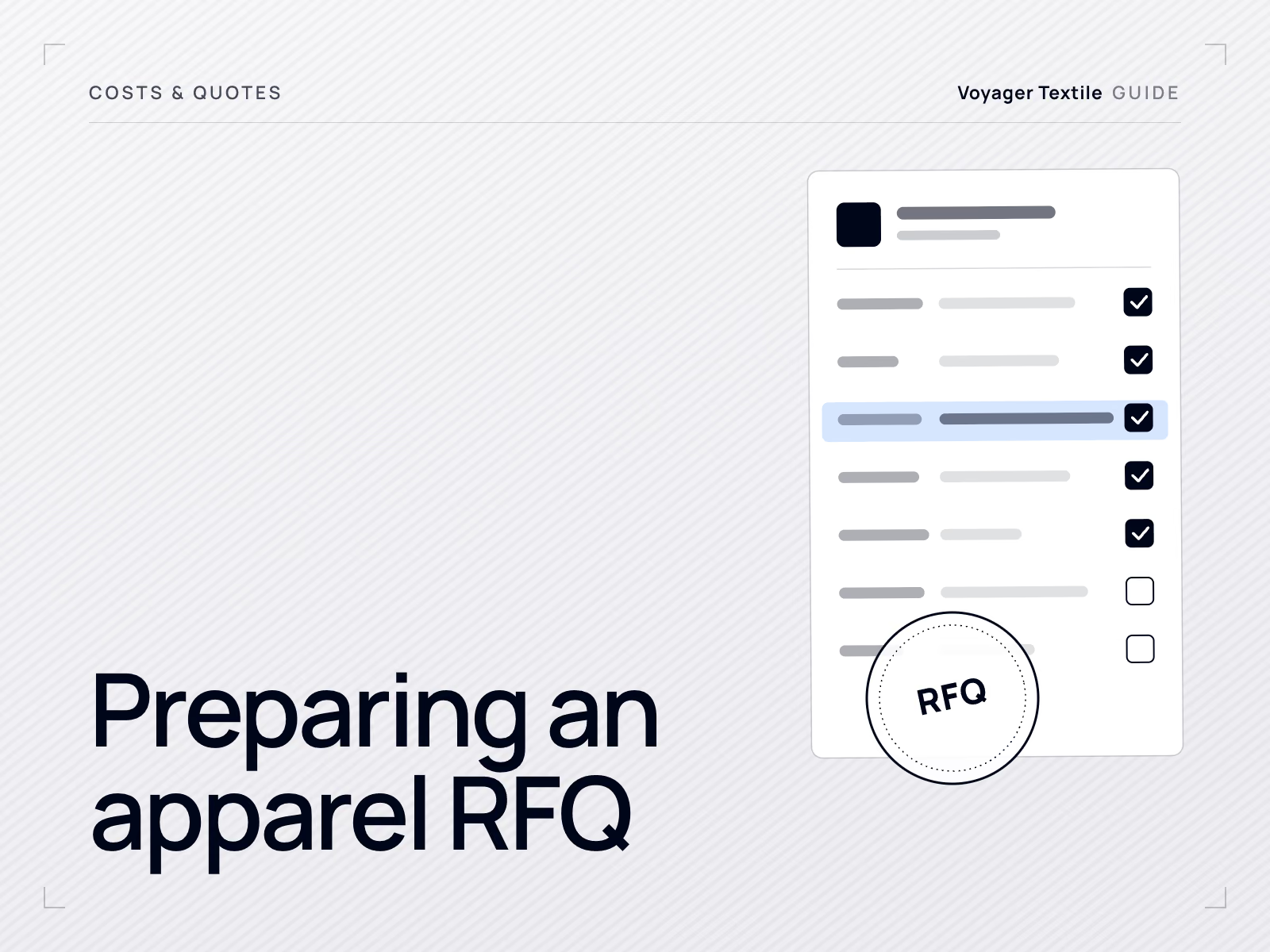
Until the pattern exists, a factory can give an indicative figure and should say that is what it is. Once the pattern exists, a marker turns it into the number both sides can plan against, and that is the point at which fabric is bought. The same information belongs in an RFQ.
Questions buyers ask
How is fabric consumption calculated for a garment?
Accurately, by laying the pattern pieces into a marker at the real fabric width and measuring the fabric used, then adding an allowance for wastage. Early in a project, before patterns exist, an approximation based on estimated area and fabric weight is used instead, and it should be quoted as an estimate.
What is a good marker efficiency?
Around 80 to 85 per cent is generally regarded as good for typical garments. It depends on the shapes of the pattern pieces, the fabric width and the size combination in the marker, so it is a result rather than a target you can specify.
Why did the price change when the fabric width changed?
Because the marker changes with it. A different usable width alters how efficiently the pieces nest, which changes consumption per garment and therefore the largest cost line in the quotation.
Does an oversized fit really cost more?
Yes, and the difference is often larger than expected. A wider body and longer sleeves consume more cloth per garment, and on heavyweight fabrics that difference is multiplied by a higher price per kilogram.
Why does the size split affect the unit price?
Consumption is normally estimated from a mid-range size, which approximates the average of a balanced order. An order weighted towards larger sizes uses more fabric per garment, so a split supplied after quotation can change the number.
Want the fabric quantity confirmed before you commit?
Send the pattern or the measurements, the fabric and the size split. We will confirm consumption from a marker rather than an estimate, so the fabric quantity and the price are based on the same number.
Ask for a consumption check