Specification, sampling and quality
The Cutting Room: Spreading, Grain, Shade and Pattern Matching
Spreading, panel direction, shade grouping and cutting accuracy affect garment consistency. They must work with suitable fabric, an approved pattern and controlled sewing and finishing. Investigate the full process when measurements, shade or seam alignment differ from the agreed standard.
Contents
- What the cutting room actually commits
- Spreading: controlling tension
- Directional fabric: one property, several consequences
- Grain: specify it and inspect the cut panels
- Shade: one garment, one group
- Stripes and checks: deciding what matters before cutting
- Cut accuracy and the measurements that follow
- What a buyer can usefully specify
- Questions buyers ask
A lighter front panel, a rotating side seam or a spread of measurements can have several causes. Check fabric, pattern, spreading, cutting, sewing and finishing records before assigning responsibility. The cutting room is an important part of that investigation.
What the cutting room actually commits
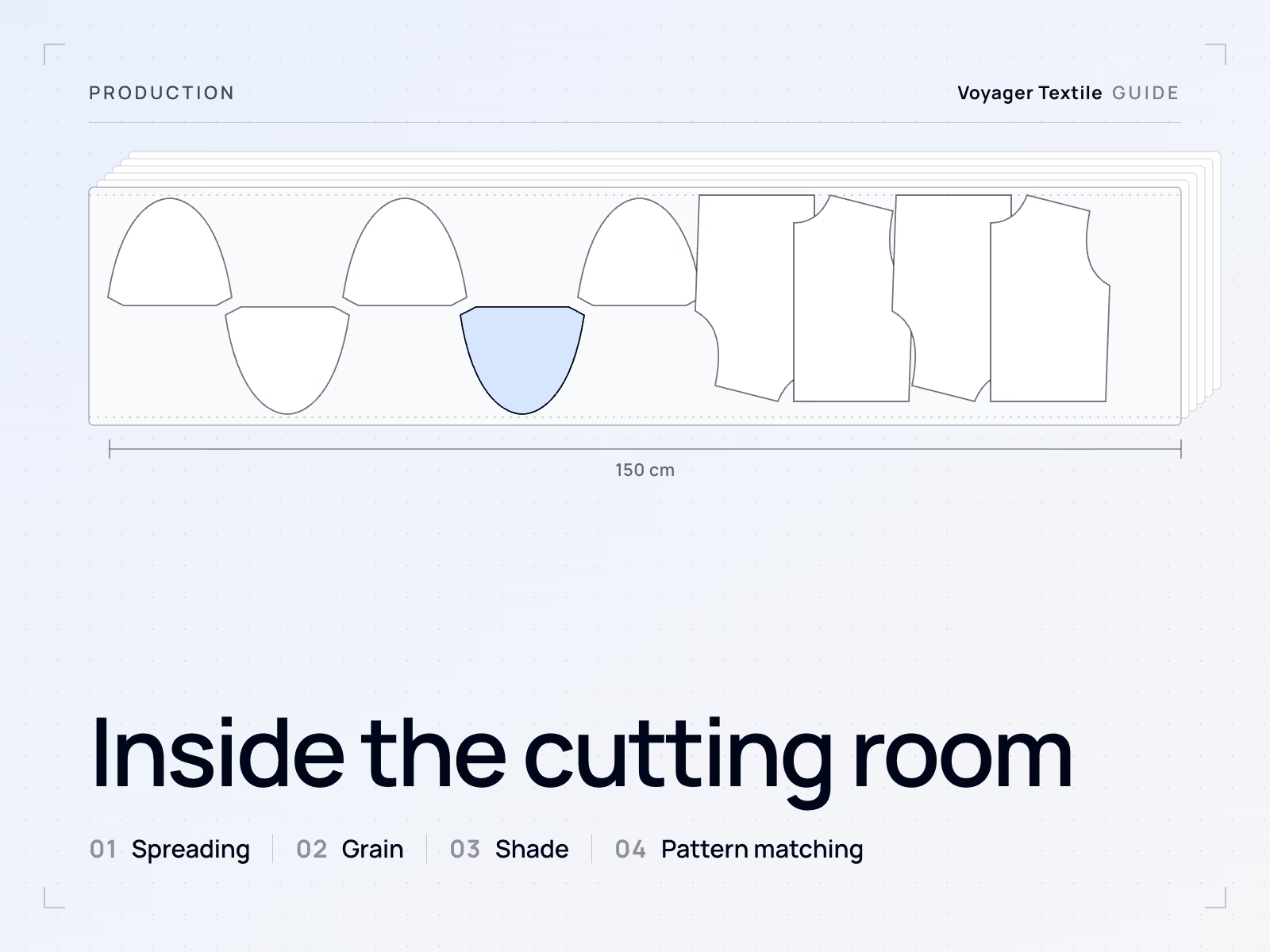
The cutting room prepares fabric, positions the marker, cuts panels and identifies them for assembly. These decisions affect the finished garment; checks before sewing can identify parts needing segregation or recutting.
| Cutting-room decision | What it commits | How it appears to the buyer |
|---|---|---|
| How the fabric was relaxed and spread | Whether panels were cut under tension | Garments that measure correctly at inspection and short afterwards |
| Which way the panels ran | Grain, and whether the fabric's direction was respected | Side seams that drift, or panels that read as different shades |
| Which rolls and roll positions were used together | Shade consistency within a single garment | A front lighter than a back, on fabric that passed inspection |
| How pieces were positioned on the pattern repeat | Whether stripes and checks meet at the seams that matter | A garment that is well made and looks wrong |
| How accurately the pieces were cut and marked | How much the garment can vary before anything is sewn | Measurement spread across the order, and assembly that does not fit together |
None of that is a reason to try to run the cutting room from a tech pack. It is a reason to know what to ask about, and to recognise which problems are being reported in the wrong place.
Spreading: controlling tension
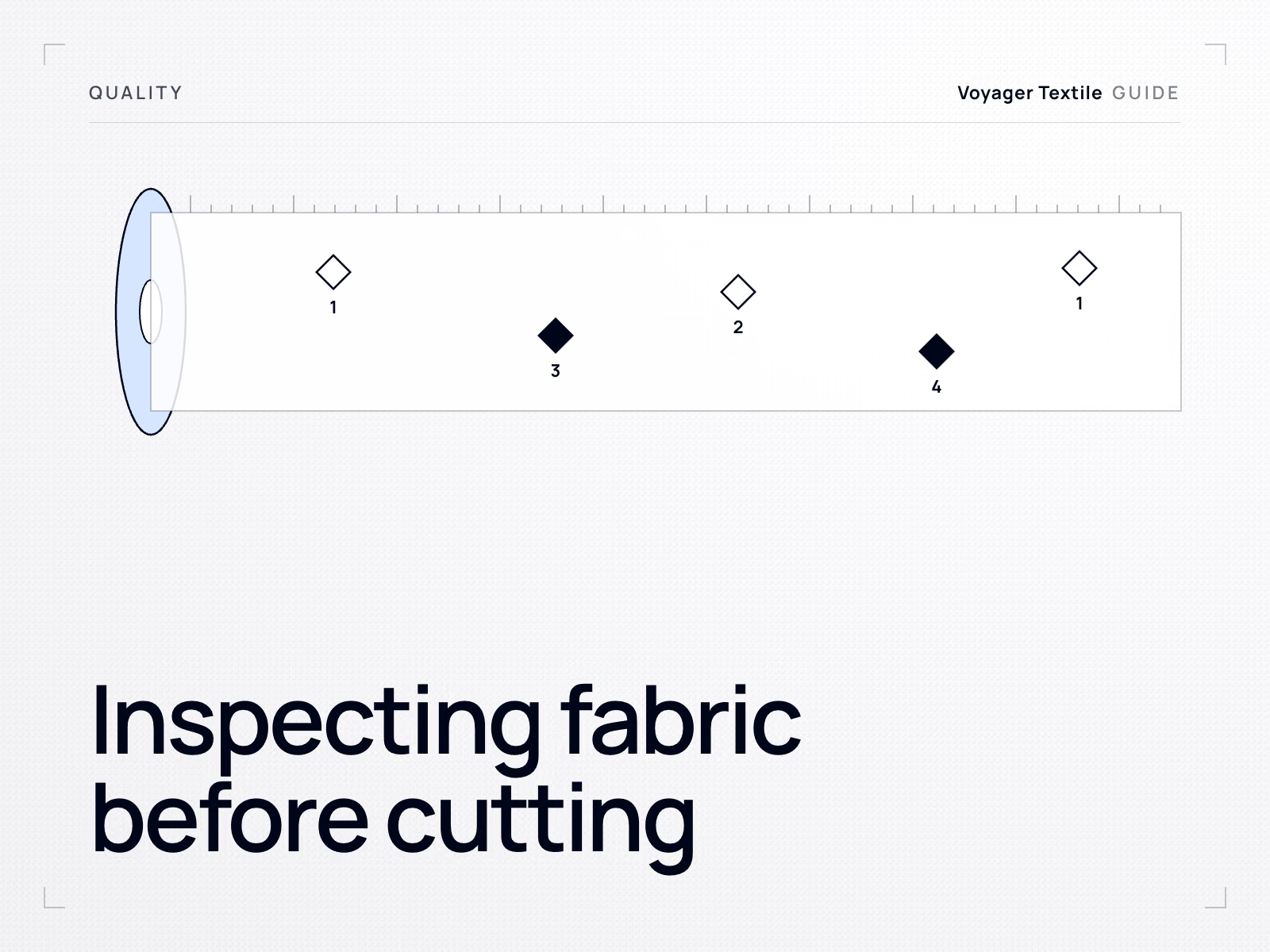
Fabric can retain stresses from manufacture and handling. Cutting it while stretched can leave panels undersized after relaxation. Use a relaxation and spreading method appropriate to the actual fabric, including wovens where needed. Incoming fabric inspection covers preparation before cutting.
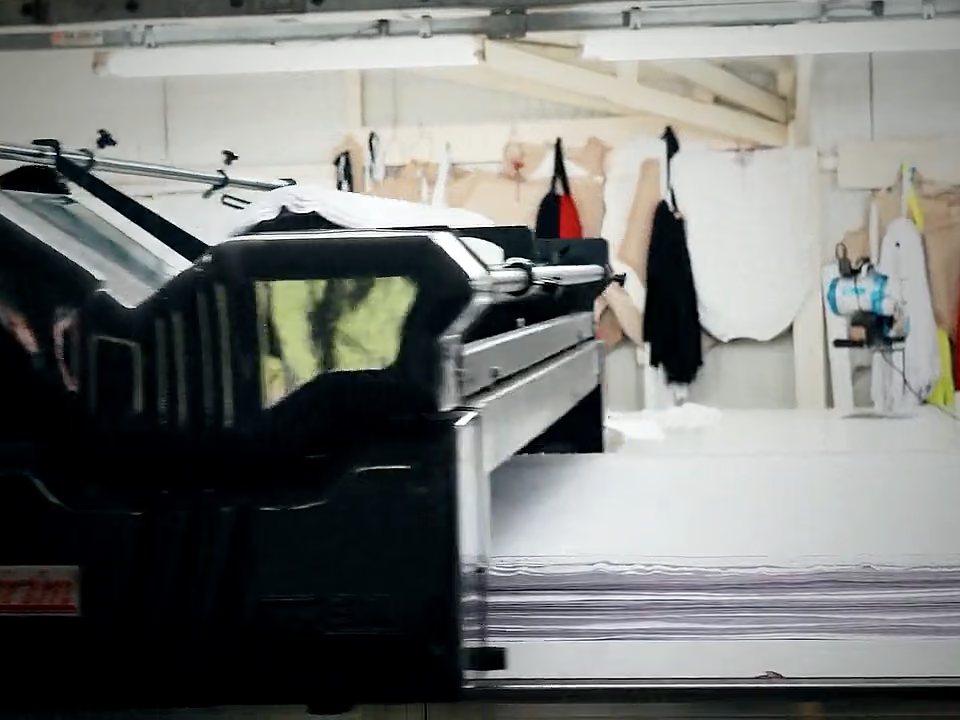
The same principle governs the spread itself. Fabric laid under tension, dragged rather than laid, or allowed to bow between the edges produces panels whose shape does not match the marker. It is the least glamorous operation in a garment factory and one of the most consequential.
Directional fabric: one property, several consequences
How fabric can be spread depends on two of its characteristics: whether the two faces differ, and whether the cloth has a direction. Face can be laid all one way or face to face. Nap can be laid all one way, or alternating up and down.
The fabric chooses the mode
Ply direction and face orientation must suit the fabric and approved layout; no single mode is always the least efficient.
Even a non-directional fabric must follow the specified grain and face rules. Directional fabrics need compatible panel orientation within each garment. Whether complete garment sets can be reversed depends on the fabric and approved appearance; calculate consumption from the permitted layout.
What follows from a direction
The last step is the one that surprises people: a fabric with one dye lot and one colour can still produce a two-tone garment.
Grain: specify it and inspect the cut panels
Every pattern piece has a grain line, and it exists because fabric behaves differently along its length and across its width. Cut a panel off grain and it hangs differently, drapes differently and moves differently in wear, most visibly as side seams that rotate around the body.
Twist before or after washing is a clue, not a diagnosis. Fabric spirality, off-grain cutting and assembly can contribute. Compare fabric and garment tests, panel grain and sewing records. Why T-shirts twist after washing discusses the investigation.
Compare affected garments by roll, spread, bundle and sewing operation. Both fabric and process variation can affect part of an order; the distribution helps trace the cause but does not prove it.
Shade: one garment, one group
Shade can vary between dye lots, between rolls and within a roll. Incoming inspection should compare the fabric with the approved reference and tolerances before shade grouping. Variation outside those limits can be a fabric defect even before cutting.
Mixing incompatible shades in one garment is one possible failure. Fabric or finished garments can also fail the agreed colour tolerance without any mixing.
Where a two-tone garment comes from
Check fabric shade, panel direction, grouping and subsequent processing before assigning the cause of a two-tone garment.
Shade grouping reduces the risk of mixing incompatible panels. Bundle identification helps keep groups together and trace problems. Neither replaces inspection against the approved colour requirements.
Stripes and checks: deciding what matters before cutting
Pattern matching depends on pattern design, fabric repeat, panel placement and accurate assembly. Cutting establishes the available match; sewing must preserve the agreed alignment.
Some matching requirements conflict because of garment shape and the fabric repeat. Others can be met together. Check the actual pattern and fabric, then agree the required matches and tolerances.
Why not everything can match
Specify matching points and tolerances before cutting; otherwise the intended result may be unclear.
So the buyer's task is not to ask for matching. It is to state which matches matter, in order, and to accept that the ones further down the list may not be achieved. The positions commonly matched include the shoulder, the base of the armhole against the sleeve cap, side seams, front openings, hems, centre back, and a collar against the centre back. That is a common set rather than a standard: no rule sets it, and the right list depends on the product and where the eye actually goes.
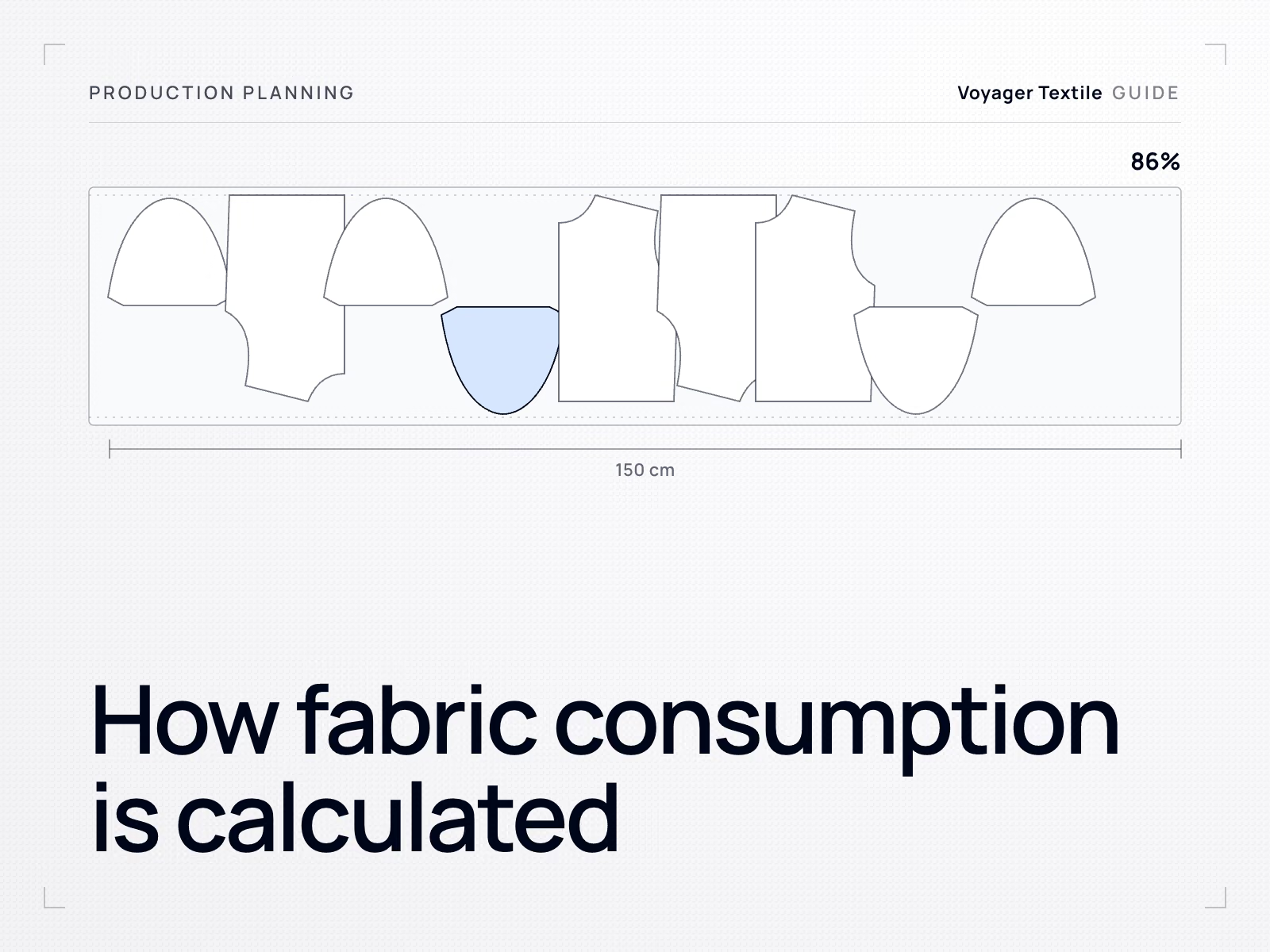
Matching constraints can reduce marker efficiency and add handling or cutting time. Calculate the effect for the actual fabric and layout and include it in the quotation; extra consumption is not identical for every garment.
Cut accuracy and the measurements that follow
Measurement variation can arise from patterns, fabric behaviour, spreading, cutting, sewing, finishing or measurement technique. Compare cut panels and finished garments with the same specification and measurement conditions to locate the deviation.
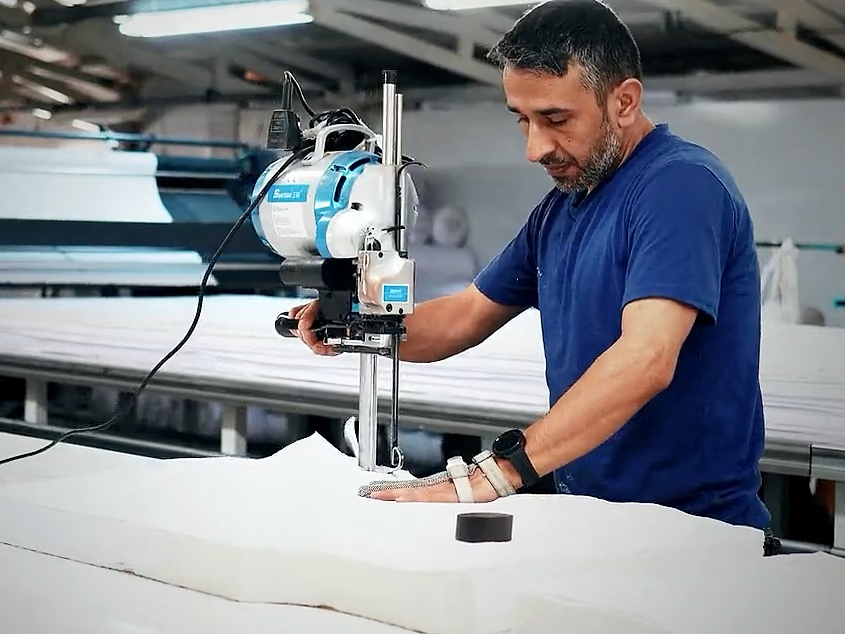
The same is true of the marks that tell the sewing room where things go. Notches, drill marks and other registration marks are how a sleeve finds its armhole and a pocket finds its position. Marks that are misplaced, cut away, or lost through a deep spread produce assembly problems that look like operator error and are not, and pieces that no longer carry their identity produce the shade and bundle problems described above.
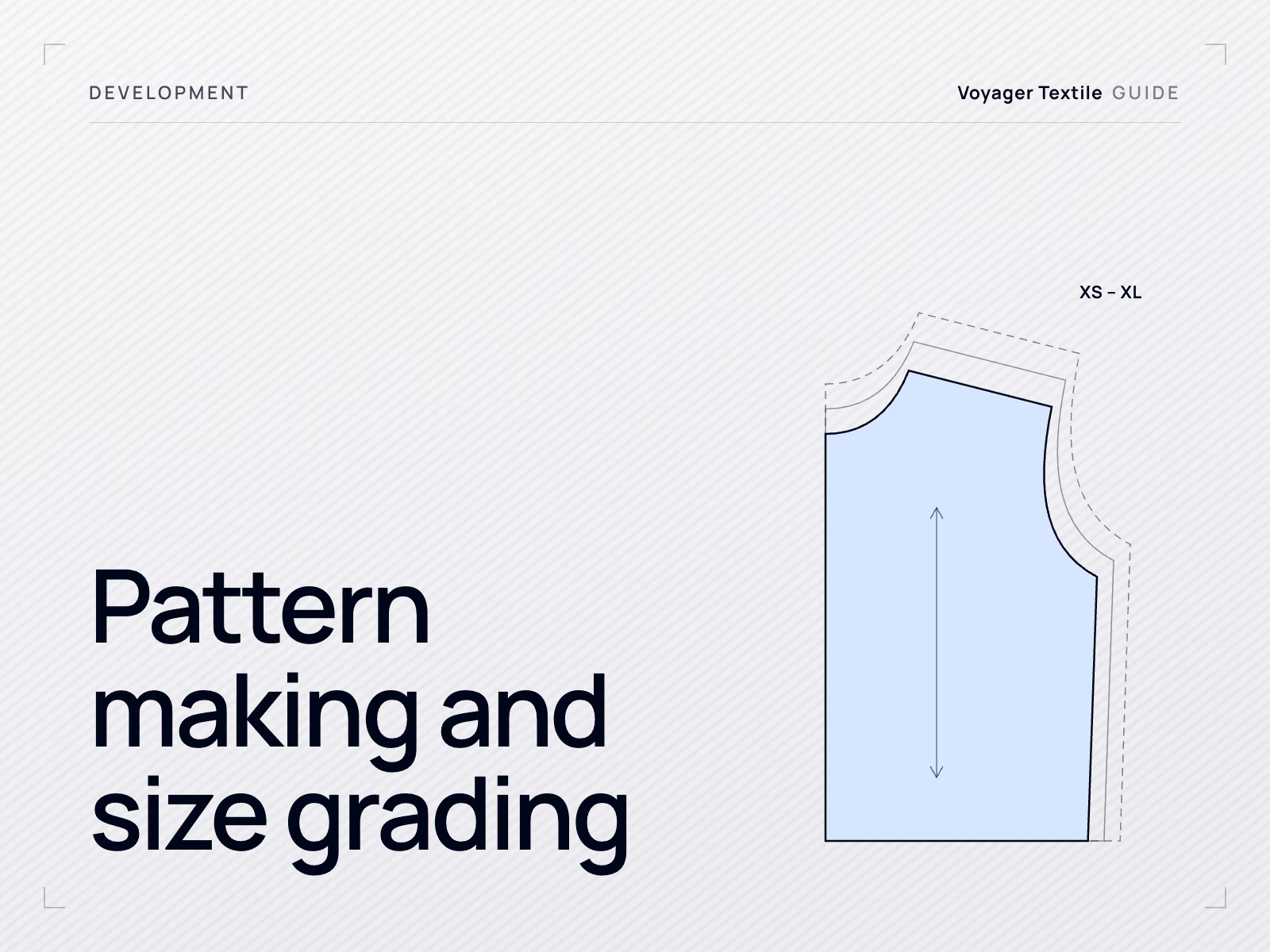
A consistent offset and scattered measurements both warrant investigation across the process. Neither uniquely identifies pattern or cutting error. Check pattern making and grading alongside the factors in why bulk differs from the approved sample.
What a buyer can usefully specify
Very little of this belongs in a tech pack as an instruction, and quite a lot of it belongs there as a requirement.
Where the line sits
Worth specifying
- That the fabric is directional, and in which direction panels should run
- Which stripe or check matches are required, in priority order
- That panels within one garment come from one shade group
- The measurement specification and the state it applies to
- Any panel that must be cut from a specific part of the fabric
- Whether a matched or directional fabric was assumed in the quotation
Better left to the factory
- Spread height and ply count
- Cutting method and equipment
- How the marker is nested
- Bundle sizes and how bundles are ticketed
- Relaxation arrangements before spreading
- How the cutting room organises shade groups internally
The production method depends on fabric, equipment and order requirements. Agree outcomes with the factory and document any necessary process controls, rather than prescribing settings without that information.
Before the fabric is cut
Conceptual, and not every line applies to every order. The value is in settling these before cutting rather than after inspection.
- Is the fabric directional, and does the quotation reflect it?
- Has the required relaxation been completed, and is spreading controlled to avoid stretching the fabric?
- Which stripe or check matches are required, and in what order of priority?
- Has the bulk fabric's repeat been checked for consistency, if matching is specified?
- Are panels for one garment being cut within one shade group?
- Do bundles carry enough identity to trace a garment back to its fabric afterwards?
- Does the measurement specification state which state it governs?
- If a problem appears later, can anyone establish which spread a garment came from?
Questions buyers ask
What happens in the cutting room?
Fabric is prepared and spread, panels are positioned and cut, and parts are identified for sewing. Cutting can be single-ply or multi-ply. Checks on grain, shade, dimensions and identification help find problems before assembly.
Why does spreading tension matter?
Fabric cut while stretched can contract afterwards. Suitable relaxation and low-tension spreading reduce this risk, but do not replace checks on fabric stability and finished-garment measurements.
What makes a fabric directional?
Nap, pile, a one-way print or directional reflection can require controlled panel orientation. A twill line or different face and back does not automatically mean a one-way layout; assess the actual fabric and approved appearance.
How can fabric direction affect cutting cost?
Direction rules can restrict marker placement and increase consumption or handling. Keep the required orientation within each garment and assess permitted layouts for the actual fabric; a price increase is not automatic.
Why do the front and back of my garment look like different shades?
Check shade variation in the fabric, panel direction, shade grouping and subsequent processing. Compare the garment with the approved reference and tolerances. Incompatible panel mixing is one possible cause, not the only one.
Is that the same as dye lot variation?
Dye-lot variation can contribute to differences within a garment or between garments. Check roll and bundle traceability, panel direction and later processing, then assess colour against the agreed reference and tolerance.
What is grain, and what happens if a panel is cut off grain?
Grain is the direction of the fabric's structure, and pattern pieces carry a grain line because cloth behaves differently along its length than across its width. A panel cut off grain hangs, drapes and moves differently, most visibly as side seams that rotate around the body.
How do I tell off-grain cutting from spirality?
Compare fabric and garment behaviour before and after the agreed wash test, then check panel grain, cutting and sewing records. Timing and distribution provide clues; neither alone distinguishes fabric spirality from cutting or assembly problems.
Can stripes and checks be matched everywhere on a garment?
It depends on garment geometry and the fabric repeat. Some matches can be achieved together and others conflict. Agree priority points, feasible tolerances and sample approval before cutting.
Which points are usually matched?
Commonly the shoulder, the base of the armhole against the sleeve cap, side seams, front openings, hems, centre back, and a collar against the centre back. That is a common set rather than a standard, no rule sets it, and the right list depends on the product and where the eye goes.
Why can a factory not match my check perfectly?
Repeat distortion, garment geometry or placement and assembly errors may prevent the intended match. Inspect the actual fabric and pattern, then agree feasible matching points and tolerances. Do not infer an unavoidable fabric limitation from the finished mismatch alone.
Does matching stripes cost more?
It can. Matching may reduce layout efficiency and add handling or cutting time. Calculate consumption and labour for the specified matches rather than assuming the same extra cost for every garment.
Why do measurements vary across an order?
Possible causes include pattern dimensions, fabric relaxation, cutting, seam allowance, sewing tension, finishing and measurement technique. Compare panels and garments at defined stages. A consistent offset or scattered readings alone do not identify the responsible stage.
What are notches and drill marks for?
They are registration marks telling the sewing room where pieces align, how a sleeve finds its armhole or a pocket its position. Marks that are misplaced or lost produce assembly problems that look like operator error and are not.
Should a buyer specify spread height or cutting method?
The factory normally proposes suitable settings based on fabric and equipment. Agree the required result and any necessary process controls, including direction, matching, shade consistency and measurement conditions.
What should I tell a supplier before they quote?
Provide the fabric details, required direction and matching points, tolerances and size split. Ask which assumptions the quotation uses and confirm changes before production if the actual fabric or requirements differ.
Quoting a directional or matched fabric?
Send the fabric and the style, along with any matching you need, and we will confirm consumption from a marker rather than an estimate so the price reflects how the cloth actually has to be cut.
Send an enquiry