Choosing a manufacturer
How to Find a Reliable Clothing Manufacturer in Turkey
Confirm the supplier's production role, product experience and capacity for your order. Evaluate samples against your specification alongside factory information, relevant documentation and agreed quality controls.
Contents
- First, confirm you are talking to a factory
- Match the factory to your product, not to the industry
- Check capacity and minimums against your real order
- Questions for assessing production capability
- Check the scope of compliance evidence
- Assess samples and the development response
- Warning signs worth acting on
- A due-diligence sequence that works
- How Voyager Textile answers these questions
- Questions buyers ask
Manufacturers, trading companies and sourcing agents offer different ways to organise apparel production. Establish who will perform each operation, who coordinates subcontractors and who is responsible for resolving problems. Assess the arrangement against your product, order size and communication needs.
For market context and sourcing comparisons, see apparel manufacturing in Türkiye, Turkey and Portugal, Turkey and China.
First, confirm you are talking to a factory
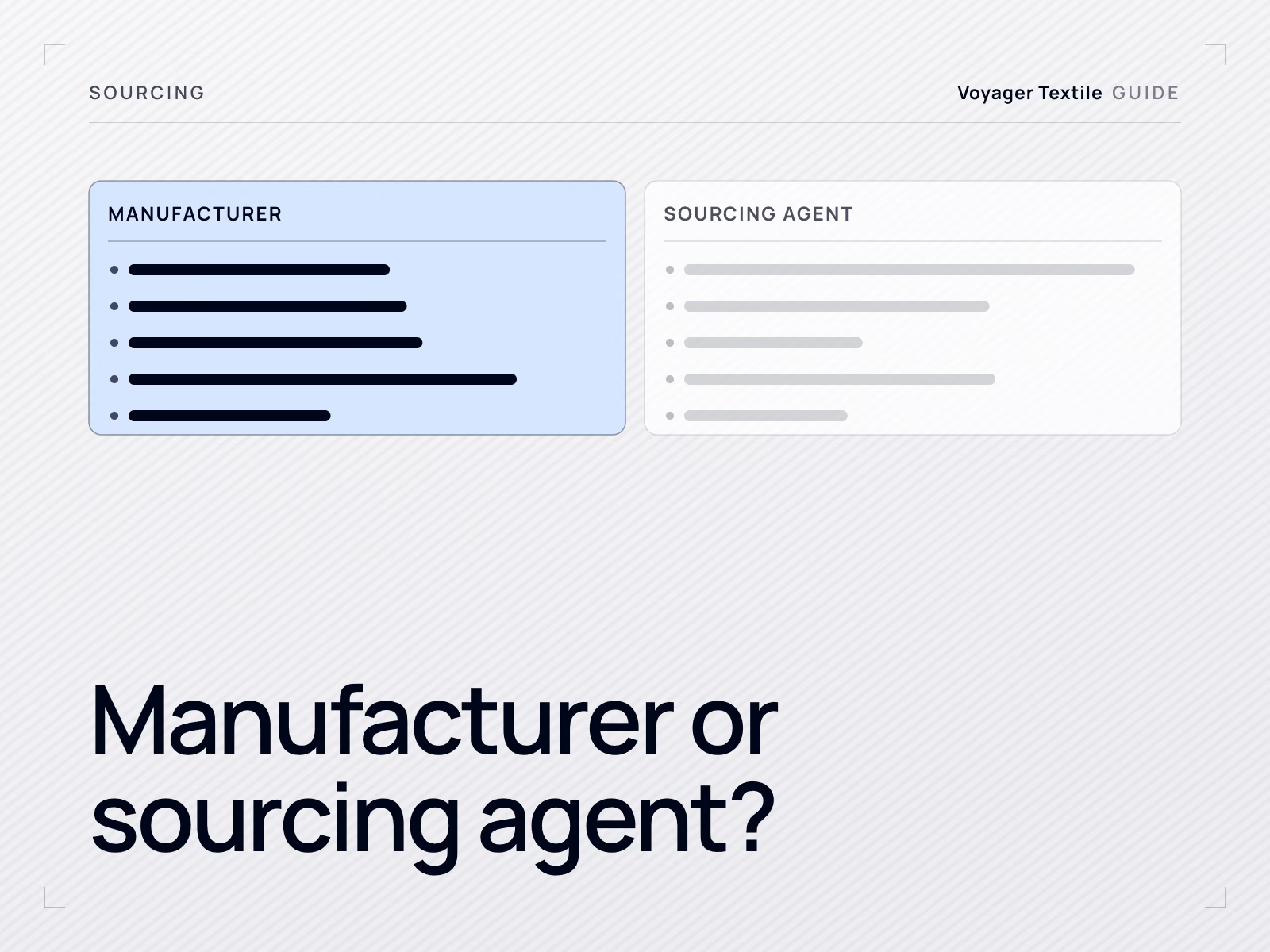
A manufacturer cuts and sews garments in premises it controls. A trading company or agent takes your order and places it with a factory, adding a margin and a communication layer. Neither is dishonest, and a good agent solves real problems for buyers with wide product ranges. The problem is not knowing which one you have, because it changes who is accountable for a fit failure and how fast a correction can be made. The manufacturer versus sourcing agent comparison sets out when each model is the better commercial choice.
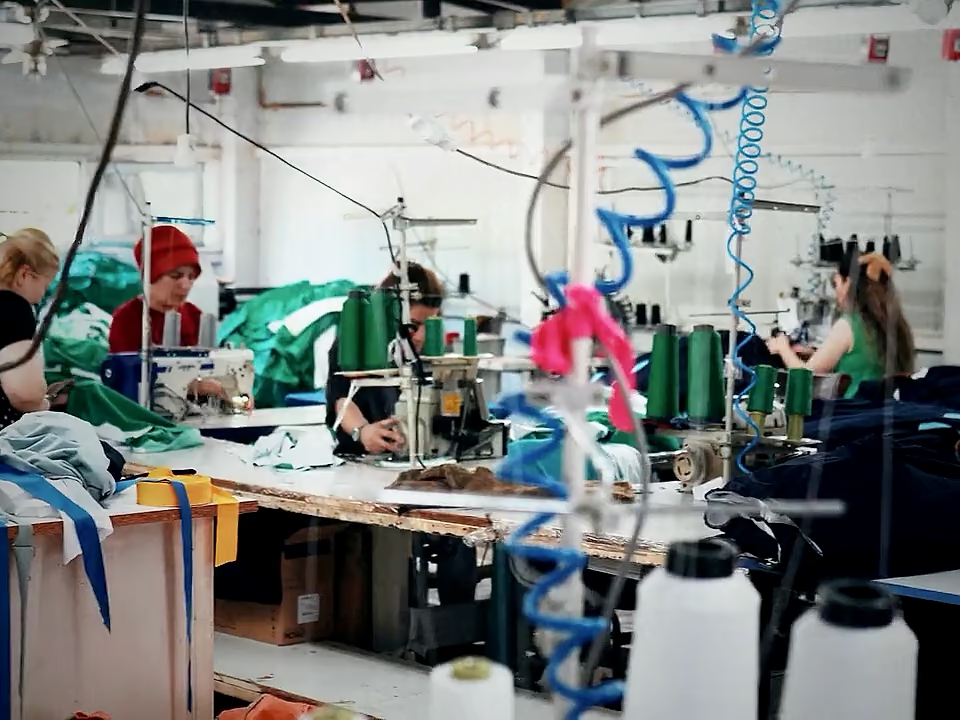
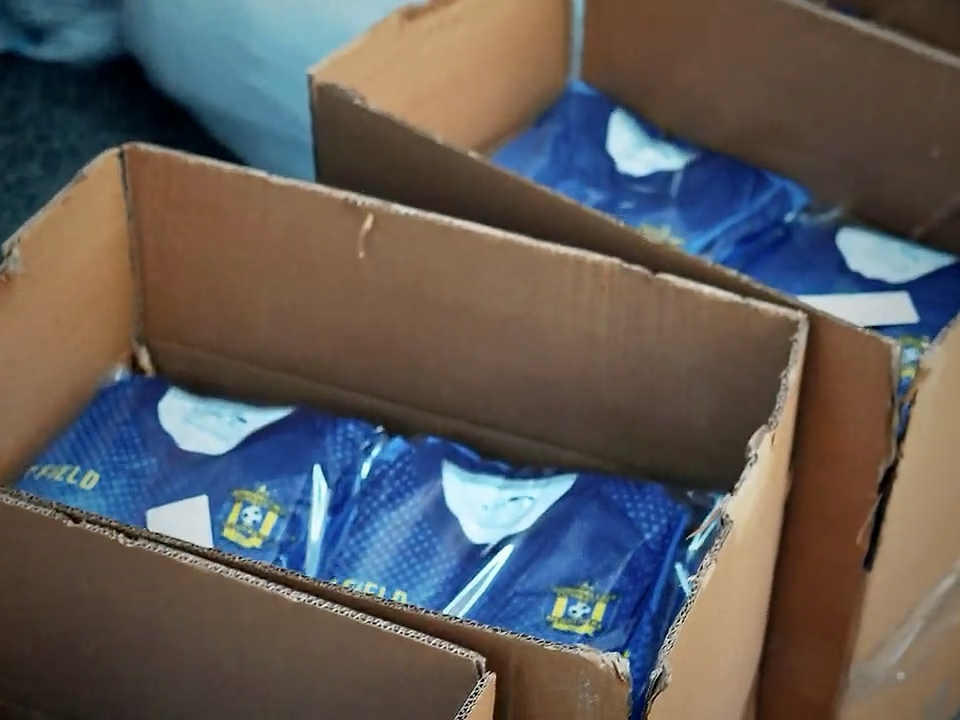
Use these questions to establish the production arrangement:
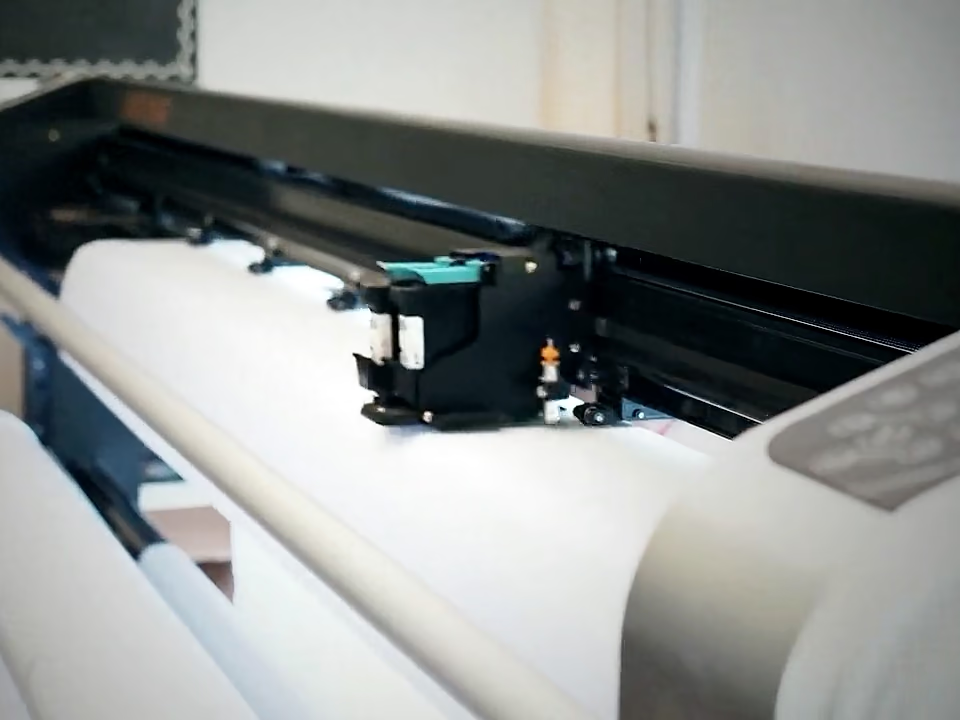
- Which operations take place at your facilities, and which are subcontracted? Identify the sites for material production, cutting, sewing, decoration and final inspection, and who controls quality at each stage.
- How many people and sewing lines are available for this product? Ask for confirmation from the production team and relate the answer to the capacity and schedule proposed for your order.
- Can we arrange a live video tour of the relevant production areas? Use the tour alongside site details, documents and any required visit or audit; a video call alone does not establish ownership or production capability.
Match the factory to your product, not to the industry
Equipment, pattern experience and quality requirements differ between product families. Ask which relevant products the supplier makes regularly and request examples of comparable construction.
| Product family | What it needs from a factory | Typical examples |
|---|---|---|
| Jersey and fleece garments | Circular knit handling, coverstitch and overlock capacity, consistent shrinkage control | T-shirts, hoodies, sweatshirts, joggers |
| Polos and collared knits | Pique sourcing, flat-knit collar and cuff matching, placket construction | Corporate polos, uniform polos |
| Woven outerwear | Different machinery and pattern skills, lining and zip construction, seam finishing | Jackets, anoraks, softshells, gilets |
| Performance and teamwear | Material handling and decoration suited to the product, such as polyester processing and sublimation for applicable designs; panelled cut-and-sew construction | Sports kits, racing wear, training tops |
| Uniform and workwear | Durability testing, consistent sizing for repeat orders, compatibility with the specified wash process, including industrial laundering where required | Scrubs, hospitality uniforms, workwear sets |
A factory that answers honestly, including saying that a product is outside its range, is worth more than one that says yes to everything. Voyager Textile publishes its reference catalogue by garment type for exactly this reason: it lets a buyer see what has actually been produced before any conversation starts.
Check capacity and minimums against your real order
Monthly output depends on the product and available capacity. A figure of 100,000 basic T-shirts per month does not establish capacity for 100,000 lined jackets. Ask how many pieces of your product the factory can make and how much capacity is already booked for the period you need.
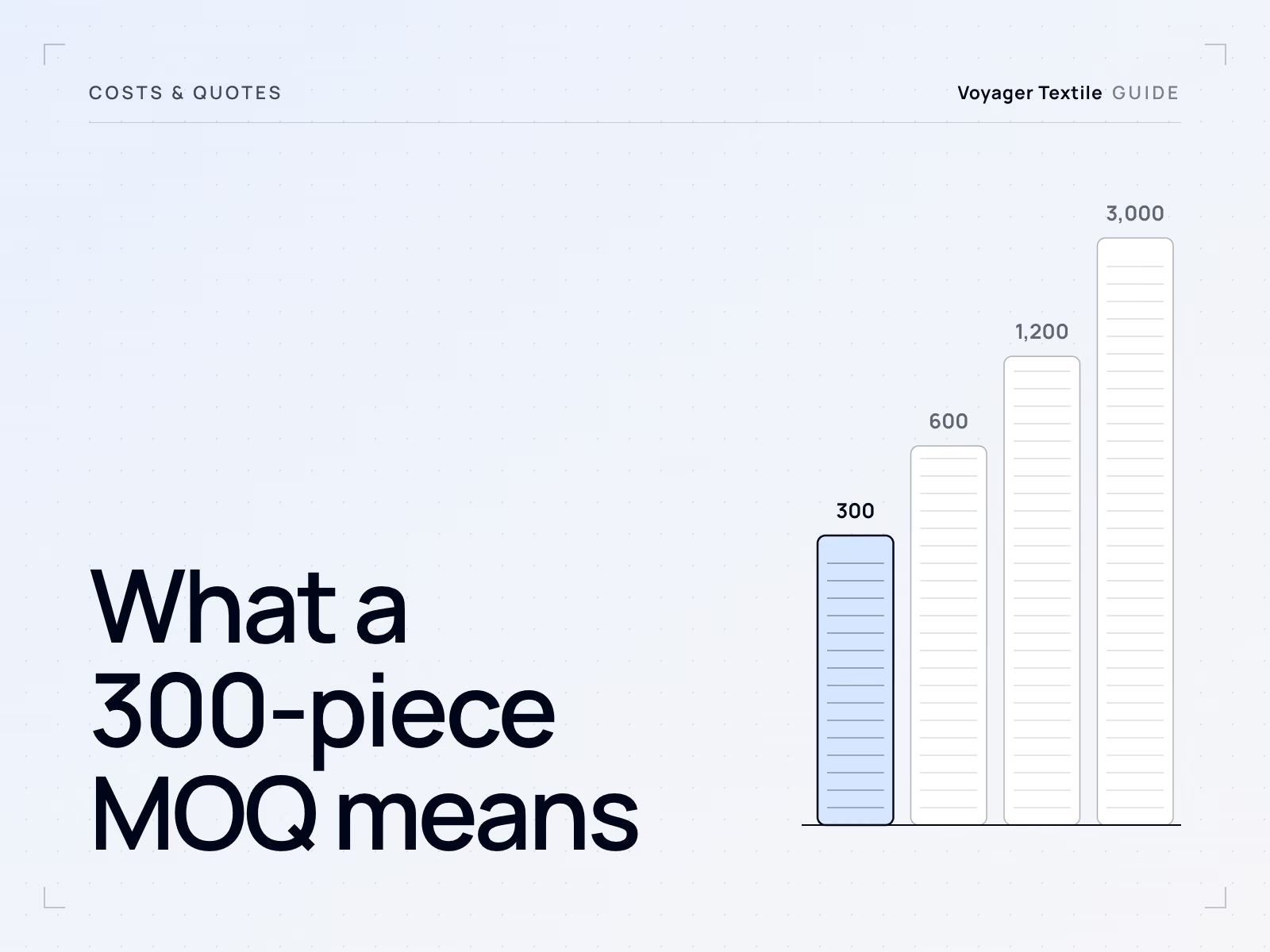
Minimums need the same treatment. A minimum order quantity is not one number that applies to every situation, because fabric mills, dye houses and print set-ups each impose their own thresholds. What matters is how the minimum applies to your style, your colours and your size split. Voyager Textile produces custom apparel from 300 pieces per colour and per style, including custom Pantone colours and all-over sublimation. The MOQ guide explains what a 300-piece minimum does and does not commit you to. Pantone colour development on polyester is assessed separately.
Questions for assessing production capability
| Ask this | A credible answer sounds like | A weak answer sounds like |
|---|---|---|
| Where does the fabric come from? | Named mill or region, composition and weight confirmed, lead time for booking stated | We use good quality fabric |
| What happens if the bulk fabric arrives off-shade? | We hold the affected lot before cutting, compare it with the approved colour reference and agree corrective action with the buyer and mill | That does not happen with us |
| Which decoration is in-house? | A clear split between internal processes and named external partners | We can do everything |
| How do you check measurements in bulk? | Inline checks during sewing and a final inspection against the approved measurement specification and tolerances, with the approved sample as a reference | Our quality is 100 percent |
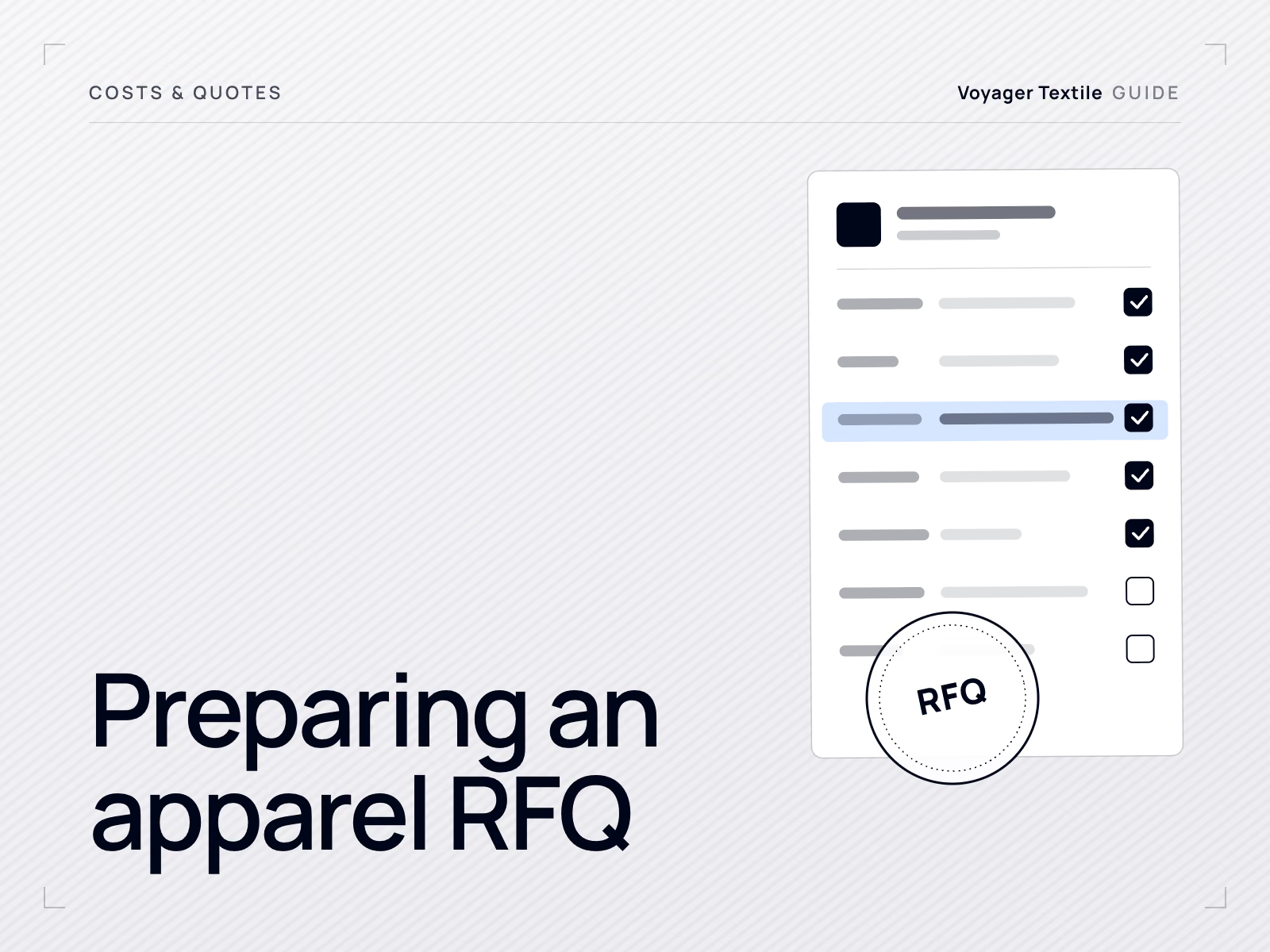
| What do you need from me to quote accurately? | A specific list: product, quantity, fabric, colours, sizes, decoration, packing, destination | Just send us your target price |
A price based only on a photograph may rely on assumptions about materials and construction. Confirm these assumptions and whether the price is preliminary before comparing offers. Prepare the information described in RFQ guide.
Check the scope of compliance evidence
Certification scope varies by scheme: it may cover products, materials, sites or activities. For OEKO-TEX, GOTS and GRS, check the exact scheme, certificate holder, covered scope and order documentation. The certified materials reference explains these distinctions. REACH is EU chemicals legislation; evaluate the issuer, tested materials, substances and scope of any report or declaration rather than treating its title as blanket proof of compliance. See REACH for apparel.
Request the certificates and transaction documentation required by the applicable scheme for your material or order, and check scope and validity dates. Social-compliance evidence works differently again, and what each kind of document proves is set out in factory audits. Voyager Textile sets out what each mark means in its own context on the compliance section of the site.
Assess samples and the development response
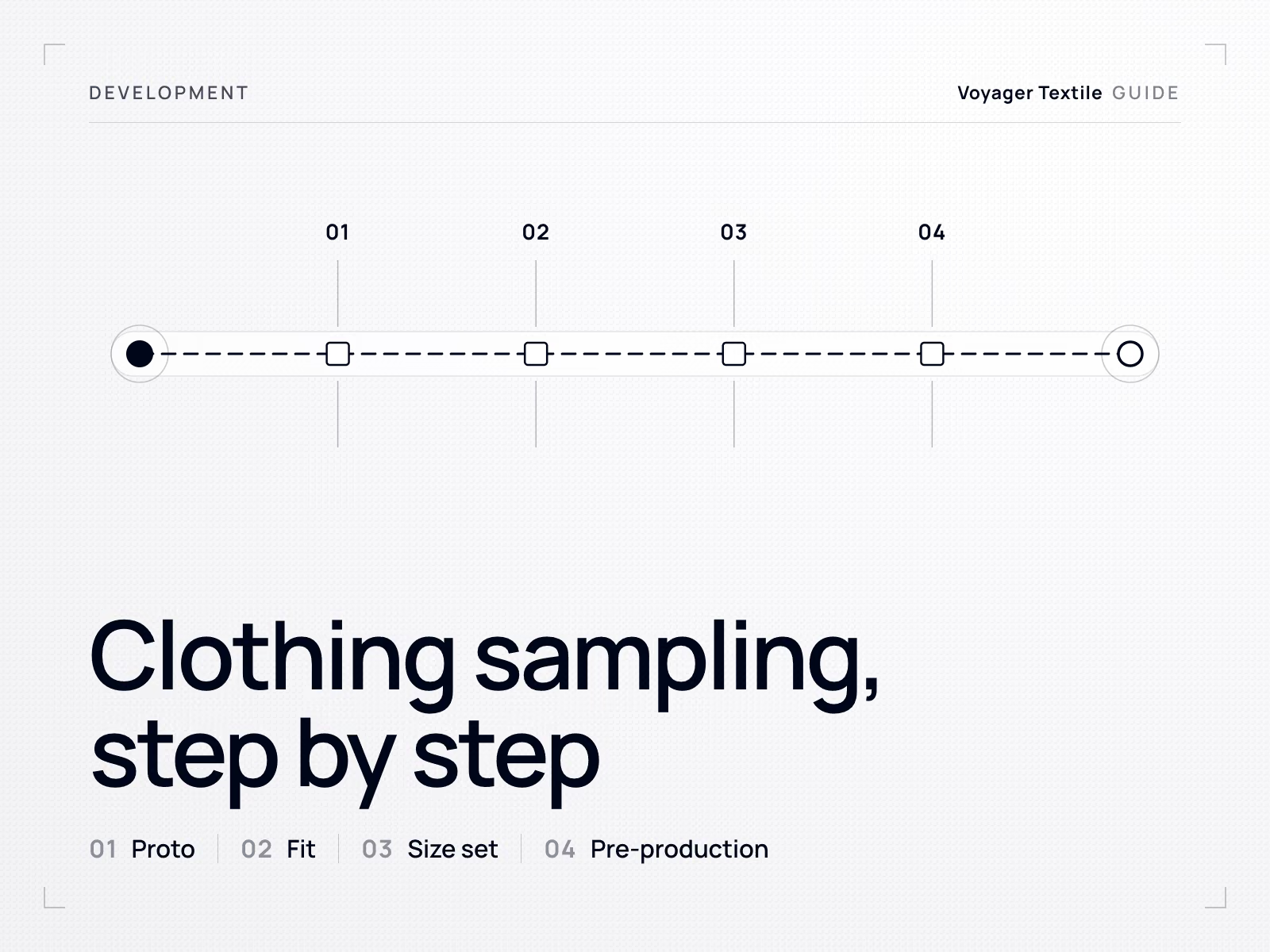
A sample lets you compare construction and measurements with the tech pack and assess how the supplier handles questions and revisions. Record deviations and agree how they will be corrected and verified. Clear communication during development is useful evidence, but it does not guarantee the same performance throughout bulk production.
The sampling guide covers what each sample stage is for and what to approve at each one. Agree and document the required sample approval before authorising bulk production.
Warning signs worth acting on
- The company refuses to clarify production locations or provide an agreed way to verify them.
- The supplier will not confirm what the quotation includes or how specification changes affect it.
- The price is far below every other quote you have received for the same fabric and construction. Ask the supplier to reconcile the specification, exclusions and commercial terms before drawing a conclusion.
- You are pressed to pay a large deposit without a clear written explanation of its purpose and terms.
- Technical questions are answered with sales language, or answered by someone who cannot reach the production team.
- Certificates are supplied as images without certificate numbers, scope or dates.
- The supplier accepts an impossible lead time without discussing fabric availability.
A due-diligence sequence that works
- Send a short brief with product, target quantity, target market and required delivery window. Ask what else the factory needs in order to quote.
- Compare the clarity and completeness of replies, including how the supplier resolves missing information. Response speed is only one part of the assessment.
- Hold a live video call and ask to see the cutting room and the sewing floor.
- Send the full specification or tech pack to the shortlisted suppliers and request a written quotation with fabric, decoration, packing and Incoterm stated separately.
- Order samples from the two strongest shortlisted suppliers. Agree the specification, sample charges and delivery date before work starts.
- Measure the sample against your specification and record every deviation.
- Agree how deviations will be corrected and verified before bulk approval, including a revised sample where needed, and confirm the time required.
- Agree quality tolerances, inspection level and packing instructions in writing before placing the bulk order.
Keep a written record of agreed specifications, approvals and inspection requirements for use during production and repeat production.
How Voyager Textile answers these questions
Voyager Textile is a direct manufacturer and exporter in Turkey, producing private-label and custom apparel to customer specification. Development, cutting, sewing, embroidery, transfer and sublimation printing, quality control and export preparation are handled by a team of around 70 people in our own factory, and specialist processes such as screen printing run with established partner facilities under our project management. Monthly capacity is approximately 100,000 pieces, and bulk production typically takes 4 to 5 weeks after sample approval. Capacity is confirmed in the quotation for each project. Development, sampling and shipping time are additional.
You can see the full production sequence on how we work, the technique split on branding and decoration, and previously produced garments in the reference catalogue.
Questions buyers ask
How can I tell if a Turkish supplier is a real factory or a trading company?
Ask for the production locations, operations performed at each site and the supplier's role in managing them. Compare the answers with company records, an agreed video tour or visit, and relevant audit evidence. An immediate answer or an unscheduled call alone does not prove that the supplier operates the factory.
Should I visit the factory before placing an order?
A visit can help assess facilities, equipment and production organisation; samples help assess the garment against its specification. They provide different evidence. Decide whether a visit or independent audit is needed for the order's risks and your supplier-approval requirements before committing to production.
What documents should I ask for during supplier checks?
A company registration and export record, material certificates relevant to your order with visible certificate numbers and validity dates, and any recent audit or inspection reports the factory has been subject to. Ask for documents that cover your specific material or order rather than a general company brochure.
Is a very low quotation a warning sign?
A large price difference is a reason to check whether quotations cover the same specification, quantity, packing, delivery terms and exclusions. Confirm fabric composition, GSM, trims and decoration in writing before comparing. See cost guide.
How long does supplier vetting usually take?
The timing depends on the completeness of the specification, document checks, material development, sample capacity and revision rounds. Ask shortlisted suppliers for a schedule covering these steps and allow for any visit or audit required by your approval process.
Can I start with a small order to test a factory?
A smaller initial order can help assess delivery, communication and production quality if it meets the agreed minimums. Voyager Textile's custom-apparel minimum is 300 pieces per colour and per style. Assess the results against your requirements before increasing the order; the quantity alone does not establish supplier reliability.
Do I need a tech pack before contacting a manufacturer?
No, a clear brief is enough to open the conversation. A tech pack is needed before accurate quoting and sampling, and the factory can help you build one from reference samples and measurements. See the tech pack guide for what a factory genuinely needs.
Put us through the same checklist
Send the product, the quantity and whatever specification you have. We will tell you what is missing, what we would change for manufacturability, and what we would need to sample it.
Send a project brief