

Hood construction: panels, drawcords and attachment
A hood is a three-dimensional shape made from flat panels, and how those panels are divided decides the shape it holds when it is down as well as when it is up. It is also the part of a hooded garment where asymmetry is especially visible, because the hood sits directly under the wearer's face.
Contents
Hoods look like a simple addition and behave like a separate garment. They have their own pattern problem, their own trims, their own attachment seam and their own failure modes, and none of them are shared with the body they are sewn to.
Two-panel and three-panel hoods
A two-panel hood is closed by a single centre-back seam. A three-panel hood adds a gusset strip between the two side panels.
Two panels or three
A two-panel hood is made from two mirrored side panels joined by one seam running over the top of the head and down the centre back. It is a common construction on standard hoodies: one seam, quick to sew, and the shape comes entirely from the curve cut into the two panels.
A three-panel hood inserts a strip between the two side panels, running from the front edge over the crown to the neckline. That strip adds volume across the top of the head without making the side panels wider, so the hood sits higher and rounder and is less likely to collapse against the head when it is up. It costs one more panel and one more seam.
| Two panel | Three panel | |
|---|---|---|
| Seams | One centre seam | Two seams either side of a gusset |
| Shape when up | Follows the head more closely | Higher crown, more internal volume |
| Shape when down | Lies flatter against the back | Sits fuller and holds its shape better |
| Cost | Lower, one fewer panel and seam | Slightly higher |
| Typical use | Standard hoodies and sweatshirts | Heavier outerwear, technical hoods, fuller silhouettes |
There is a third variant worth knowing: a lined hood, where a second set of panels forms an inner hood. Lining is used for warmth, for a contrast colour on the inside, or to hide the seam allowances and give a clean finish. It roughly doubles the hood's panel count and adds the problem of keeping two layers of different behaviour flat against each other.
How the hood attaches
The hood is joined to the neckline of the body, and the length of the hood's bottom edge has to correspond to the length of the neckline it is going onto. That sounds obvious and it is the source of many hood problems. If the hood edge is longer than the neckline it will be eased in, and the hood will sit forward and bunch at the back; if it is shorter it will pull the neckline up and the hood will strain when it is raised.
The attachment seam is normally covered on the inside, either by a taped seam or by a separate neck facing. On a pullover hoodie the neckline is closed, so the hood and the body meet in a continuous ring; on a zip hoodie the hood meets the two front edges at the top of the zip, and how the hood is finished at that junction is a specific detail worth naming in the specification. That junction is covered further in zip and closure construction.
Symmetry, and why hoods lose it
The hood sits directly under the wearer's face, which means any asymmetry is seen at conversational distance. Four things cause it.
Only the last of these is a sewing problem. The others are cutting, marking and trim problems, which is why hood symmetry is checked against the centre back rather than by eye. On a sample, fold the hood flat along its centre seam: the two front edges should land on each other, the eyelets should align, and the drawcord ends should be equal.
Front edge, drawcords and eyelets
The front edge of the hood is normally turned and stitched to form a channel, and the drawcord runs through it. That channel is doing structural work as well as holding a cord: it stabilises the edge, which would otherwise stretch every time the hood is pulled on.
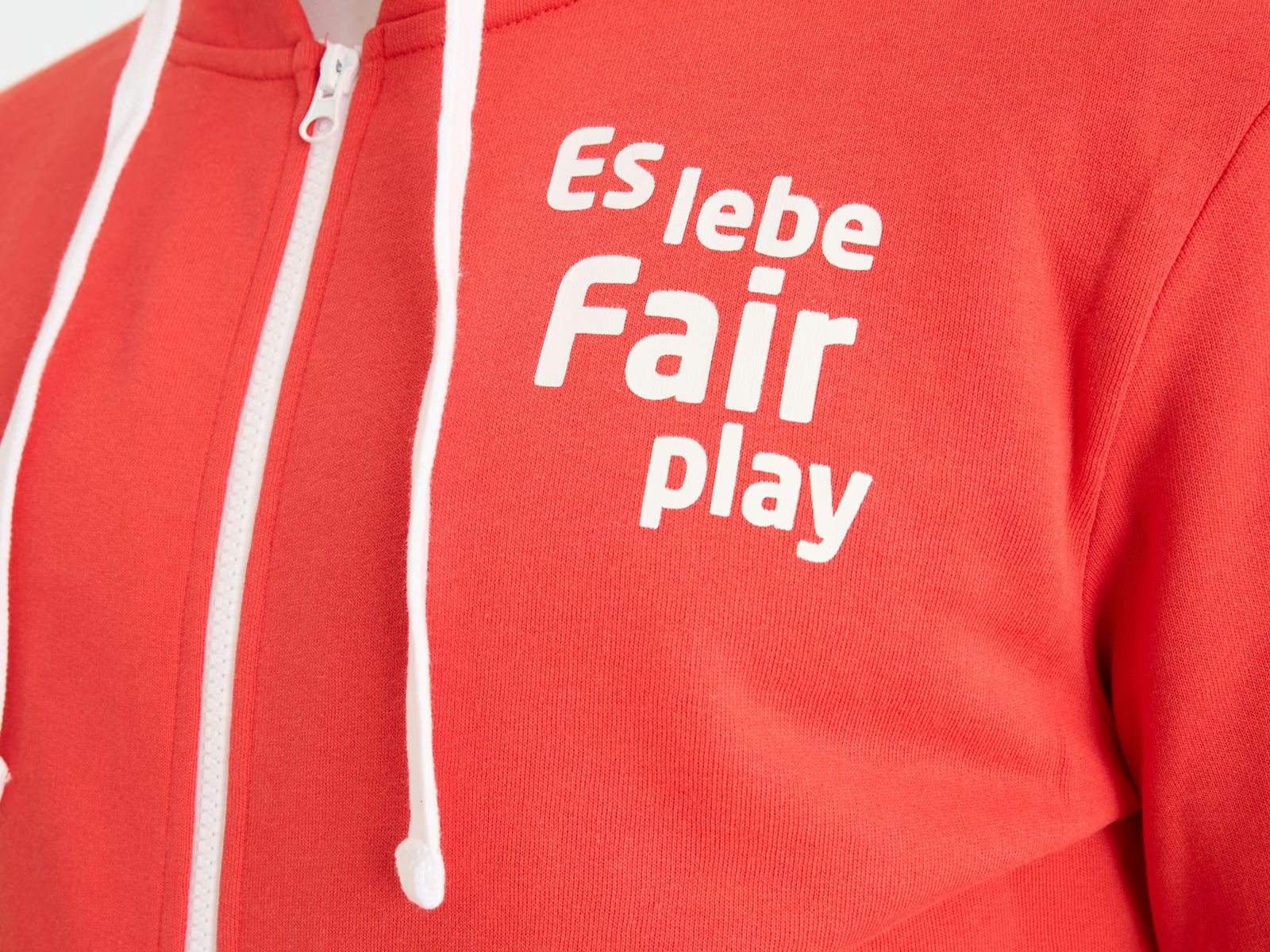
| Detail | Options | Consequence |
|---|---|---|
| Cord type | Flat tape, round braided cord, or a self-fabric tube | Changes the look, the grip and how the cord sits when the hood is down |
| Cord exit | Metal eyelets, stitched eyelets, or an opening in the seam | Metal eyelets are firm and visible; stitched eyelets avoid metal entirely |
| Cord ends | Tipped, knotted, or fitted with stoppers | Untipped ends fray; stoppers and tips are separate bill of materials items |
| Cord length | Specified per size | Equal exposed lengths on both sides is a visible quality signal |
Metal eyelets also need a functional check that is easy to skip: they should be set firmly enough not to pull out of a knit fabric under load, and their finish should survive the intended wash. On garments where metal is unwanted, stitched eyelets are the normal alternative.
What to specify
Hood specification lines
- Panel construction: two panel, three panel, or lined
- Hood height and width, measured on the flat garment, graded across sizes
- Hood opening depth, which sets how much of the face is covered
- Attachment: taped, faced, or bound, and how the seam is finished inside
- Front edge channel width and how it is stitched
- Drawcord type, width, colour, finished length and end finish
- Eyelet type, position and spacing from the front edge
- Whether the hood is lined, and in what fabric
Hood measurements are often left out of a measurement chart, and their absence is the reason two factories can build the same hoodie with visibly different hoods. If the hood matters to the product, it needs its own measurement lines, not a description. The production sequence around it is in hoodie manufacturing.
Hooded references
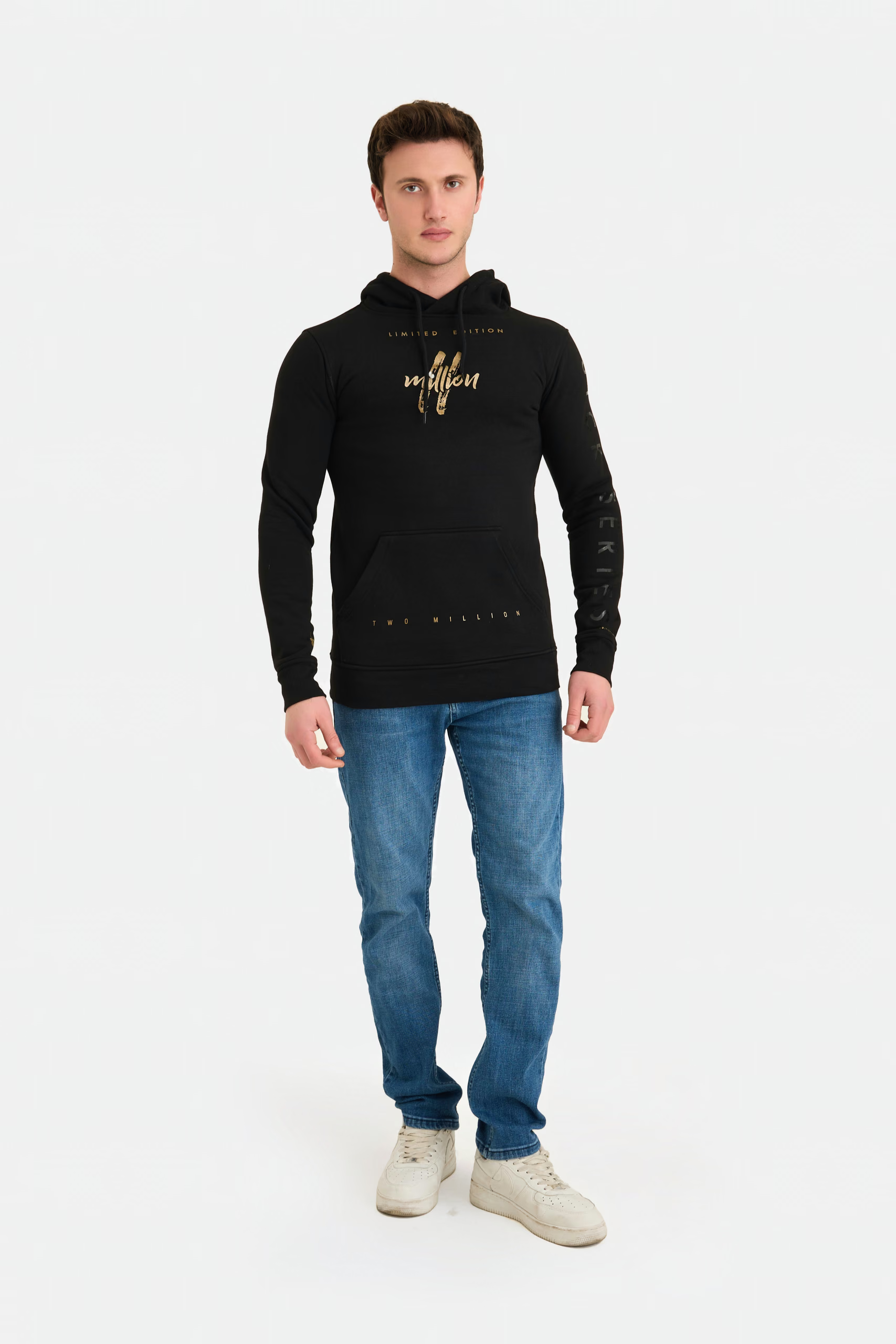
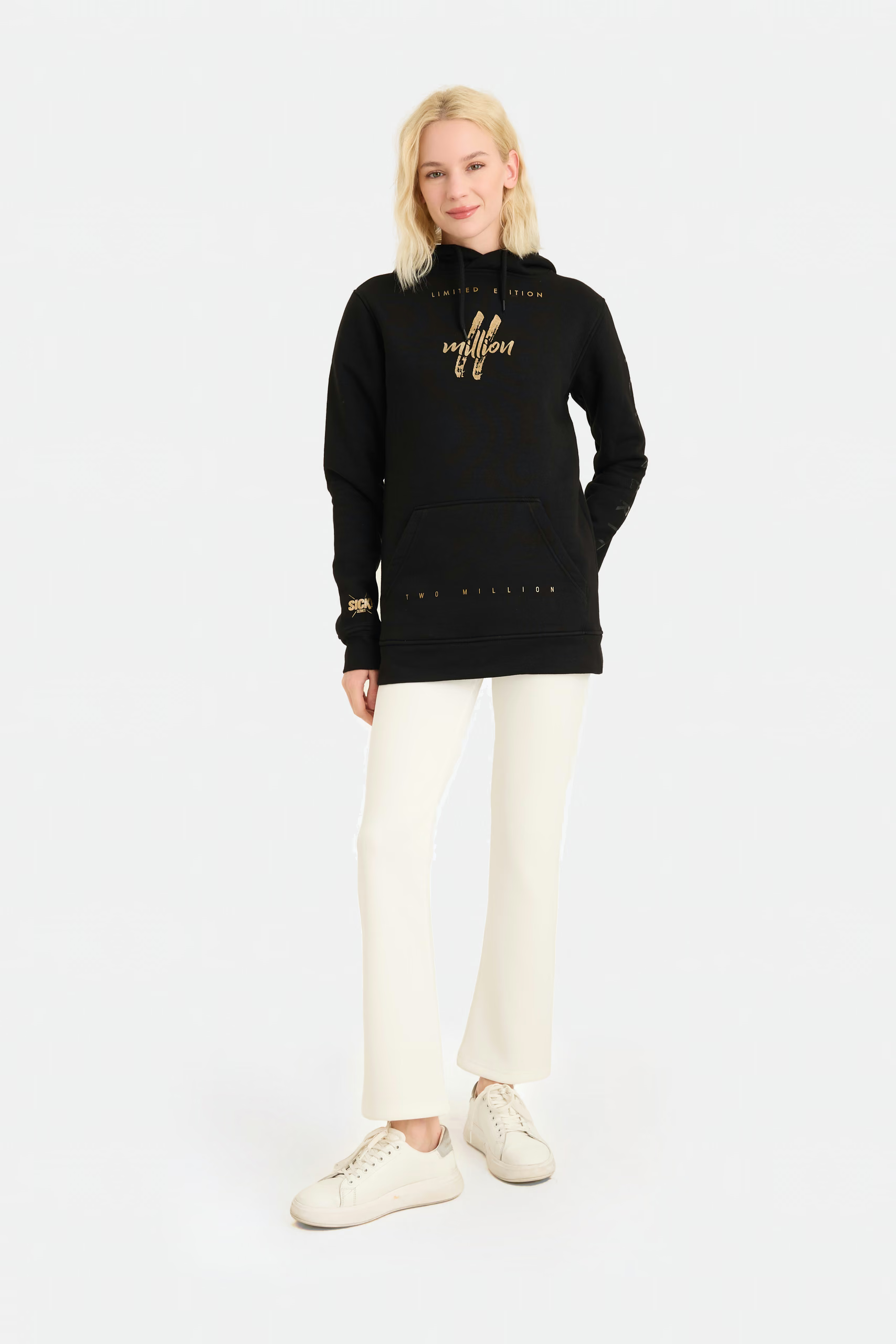
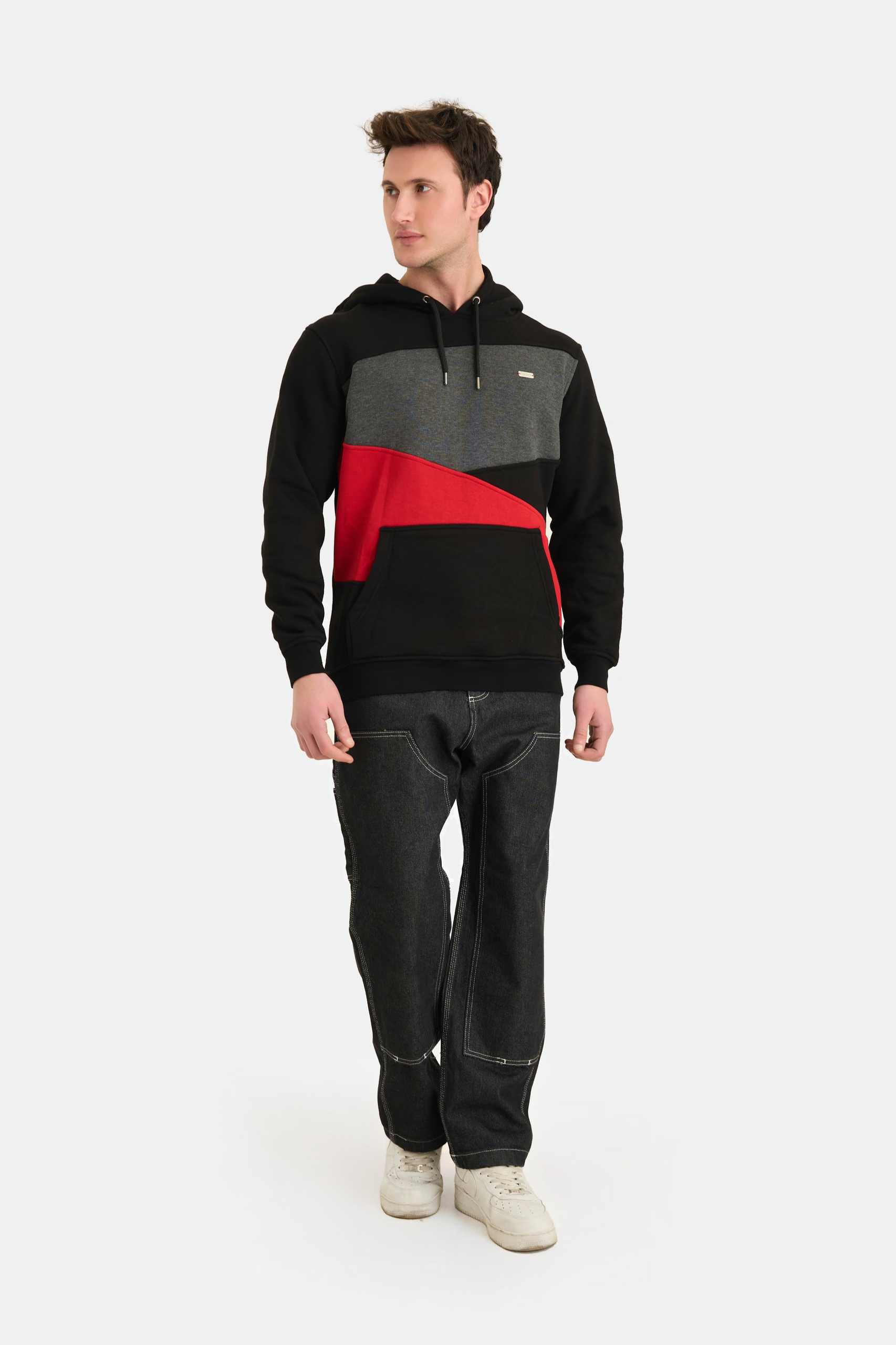
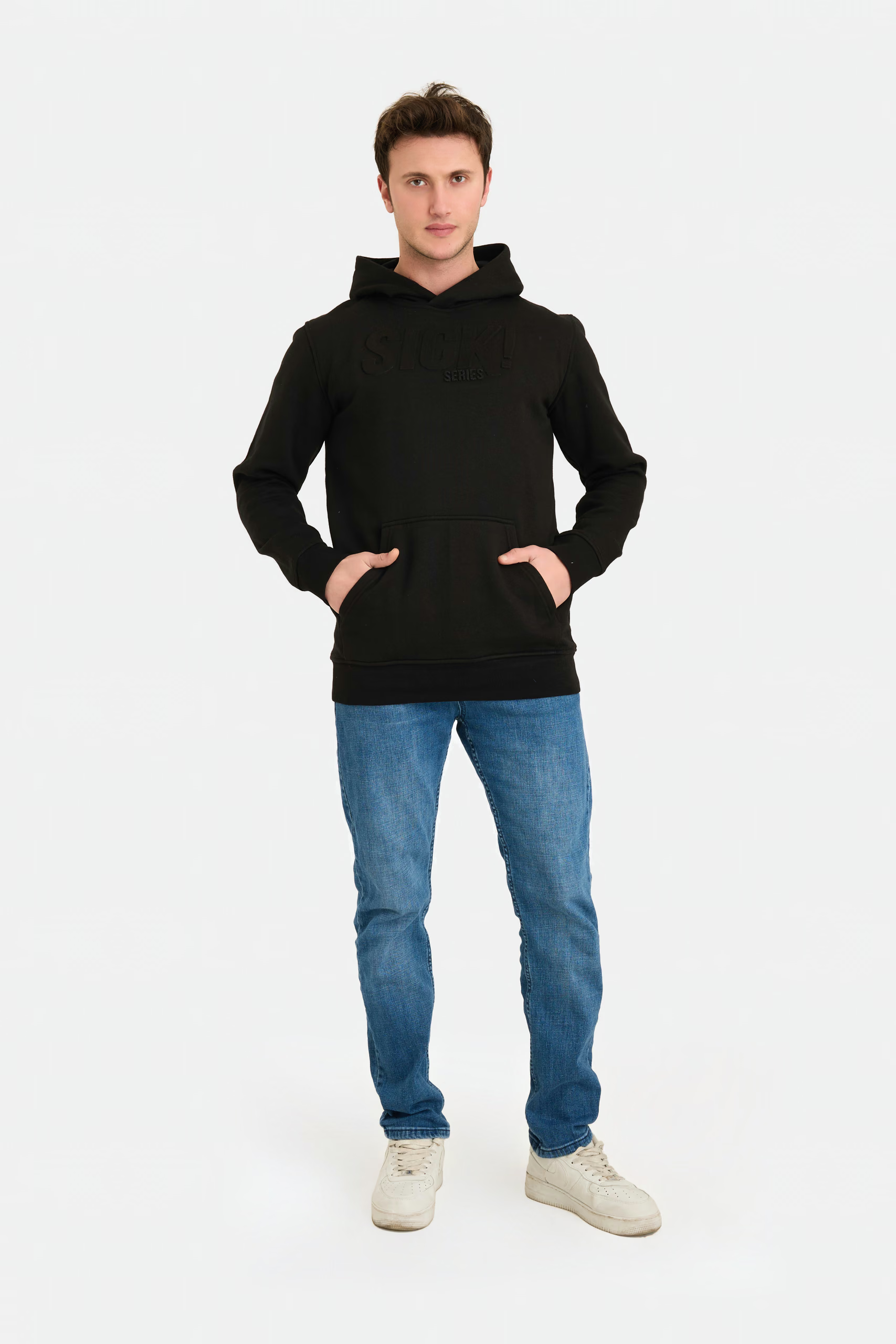
Hooded garments previously produced to customer specifications.
Questions this raises
What is the difference between a two-panel and a three-panel hood?
A two-panel hood is two mirrored side panels joined by one seam over the head. A three-panel hood adds a strip between them, running from the front edge over the crown to the neckline, which gives more volume across the top of the head. The three-panel hood holds a fuller shape both up and down, and costs one extra panel and seam.
Why does my hood sit crooked?
Usually it is not sewn crooked. The common causes are panels cut from different positions in the lay so the two sides behave differently, a hood attached slightly off the body's centre back, or eyelets and drawcords that are not symmetrical. Fold the hood along its centre seam on a sample and check that both front edges, both eyelets and both cord ends align.
Should hood measurements be in the measurement chart?
Yes. Hood height, width and opening depth are as much part of the garment as chest and length, and they need to be graded across the size range. Hoods described in words rather than measured are the reason the same style can look noticeably different from two suppliers.
Are drawcords allowed on children's hoodies?
Cords in the hood and neck area of children's clothing are restricted in several markets, and the applicable requirements depend on where the garment will be sold and the age group it is intended for. Confirm the market requirement before the design is fixed rather than after a sample has been approved.
Hoods need measurements, not adjectives
Send hood dimensions and trim details with your enquiry, or a reference hoodie we can measure. Either gives you a sample that matches what you had in mind.
Start a project