

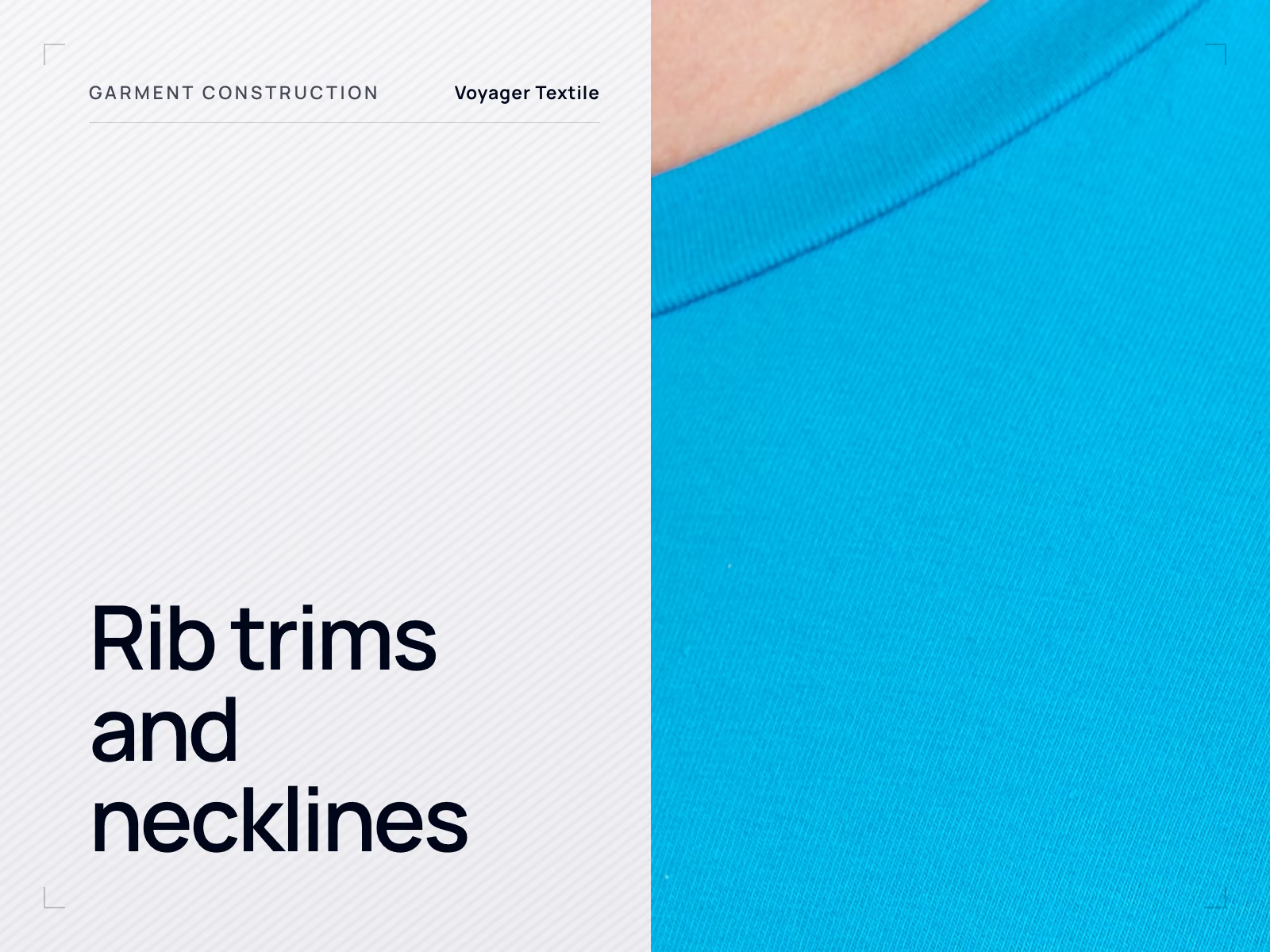
Rib trims and neck finishing: neckbands, cuffs, waistbands and taping
Rib trims are the parts of a knit garment that have to recover their shape after being stretched, which makes them a different engineering problem from the body. A neckband, a cuff and a waistband are all doing the same job: holding an opening closed, taking repeated extension, and returning to their original dimension.
Contents
Many complaints about a sweatshirt or a t-shirt that has "gone baggy" are trim complaints. The body fabric rarely fails first. The neckline widens, the cuffs stop gripping, the hem band loses its shape, and the garment reads as worn out while the body is still sound.
That is a construction problem with three inputs: the rib fabric itself, the ratio it is cut at, and how it is attached. Getting one of the three right and the other two wrong produces the same result as getting all three wrong.
Why rib recovers and jersey does not
Rib is a double-faced knit structure with alternating columns of face and reverse loops. Those columns fold against each other at rest and open when the fabric is stretched crosswise, which gives rib far more crosswise extension than single jersey and, more importantly, a strong tendency to close again. That closing behaviour is recovery, and it is the whole reason rib exists as a trim. The structure itself is covered in the rib knit reference.
Recovery is not permanent, and it is not solely a property of the structure. Elastane content, yarn quality, and how hard the rib is stretched in use all affect how long recovery lasts. A rib that is stretched close to its limit every time the garment is put on will relax faster than one that is working in the middle of its range, which is why the cut ratio matters as much as the fabric specification.
The rib ratio
A rib trim is cut shorter than the opening it goes onto, and it is stretched to fit during attachment. The relationship between the two lengths is a central number in trim construction, and it is often left out of a tech pack.
There is no universal ratio, because it depends on the rib's own extension and recovery, on the fabric it is attached to, and on the product. A heavy 2x2 rib on a fleece hoodie and a fine 1x1 rib on a lightweight tee will not behave the same at the same ratio. What matters is that a specific relationship is established on the sample, measured, and written down, so that bulk reproduces it rather than approximating it.
Neckband construction
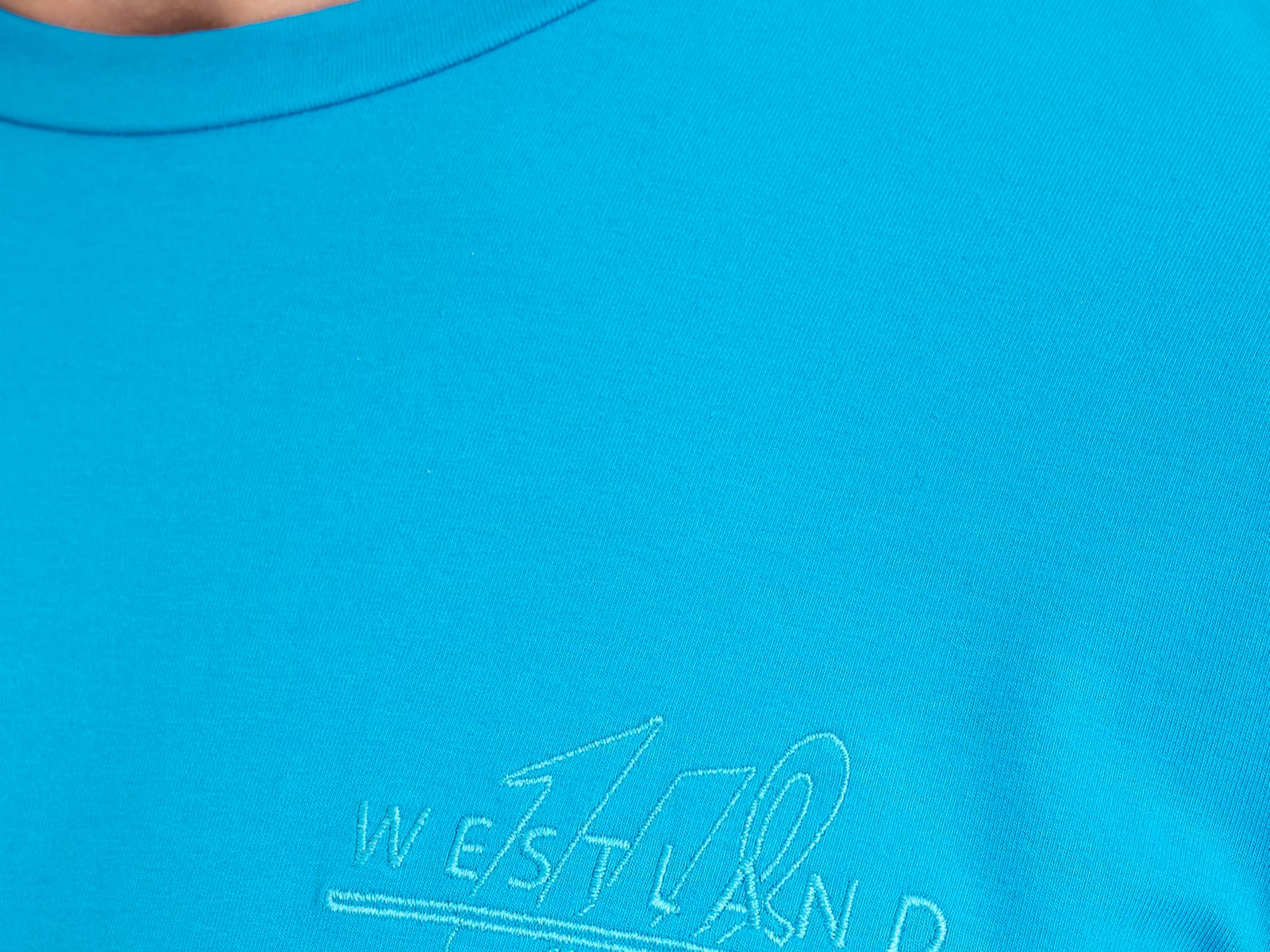
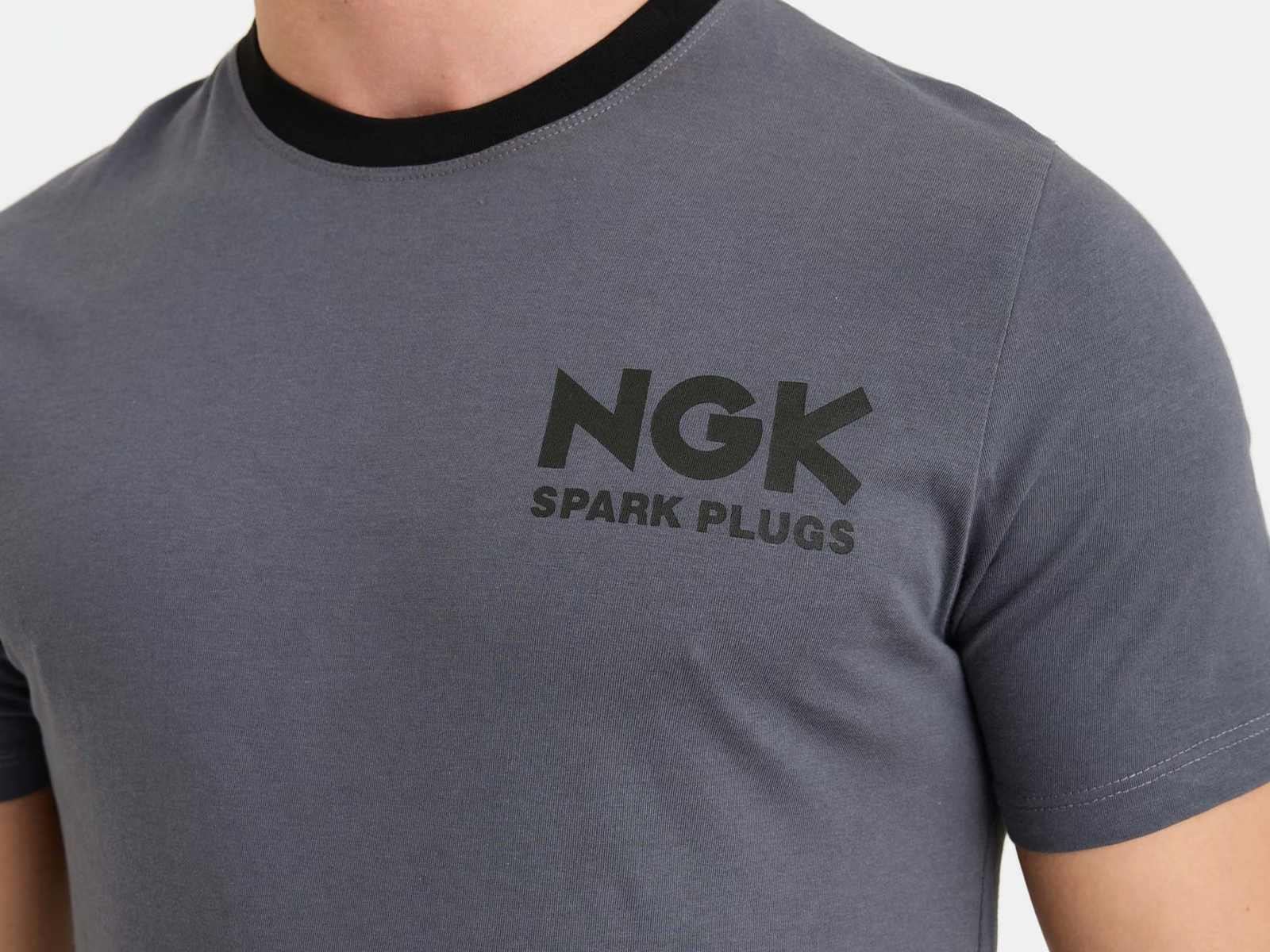
A knit neckline is finished in one of a small number of ways, and they are not interchangeable.
| Finish | How it is built | Character |
|---|---|---|
| Rib neckband | A rib strip folded double, joined into a ring, attached to the neckline and the seam finished | The standard t-shirt and sweatshirt neck; recovers well, adds a visible band |
| Bound neckline | A strip wrapped around the raw edge through a binding folder, typically coverstitched | Flatter and lighter than a band; very consistent in bulk because it is folder-guided |
| Self-fabric band | The same fabric as the body, used as a band | Softer look, less recovery, more prone to widening over time |
| Faced neckline | A separate shaped facing sewn on and turned to the inside | Clean from the face with no band visible; more operations, more common on wovens |
Whichever is used, the neckline seam is normally covered on the inside by a tape running across the back neck, which stops the seam extending and hides the allowance. That tape is the same operation described in sleeve and shoulder construction, and it is often the same piece: shoulder to shoulder, taped in one pass.
A neckband that ripples when the garment lies flat is usually a ratio problem rather than an attachment problem. A neckband that is smooth flat but stands away from the body in wear is usually a neckline shape problem in the pattern.
Cuffs: rib against self fabric
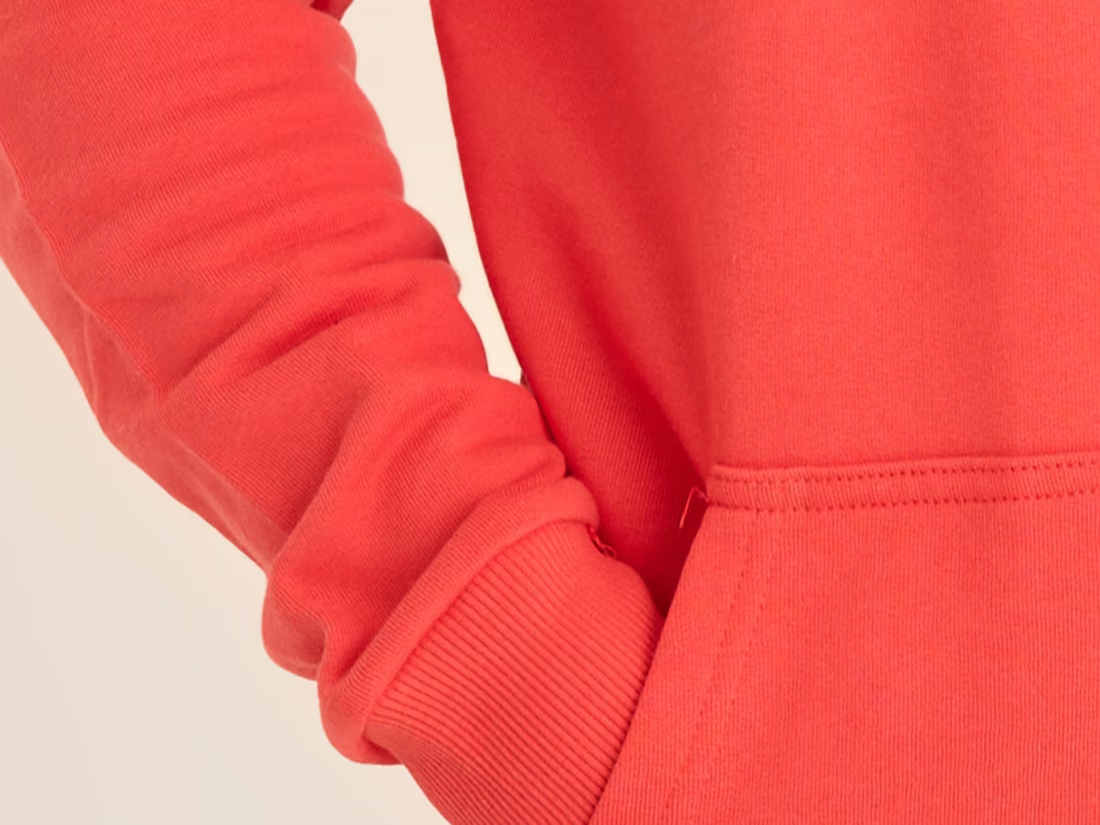
A sleeve can end in a rib cuff, a self-fabric cuff, a plain hem, or an elasticated channel. The choice is functional before it is decorative.
| Cuff | Grip | Behaviour over time | Typical use |
|---|---|---|---|
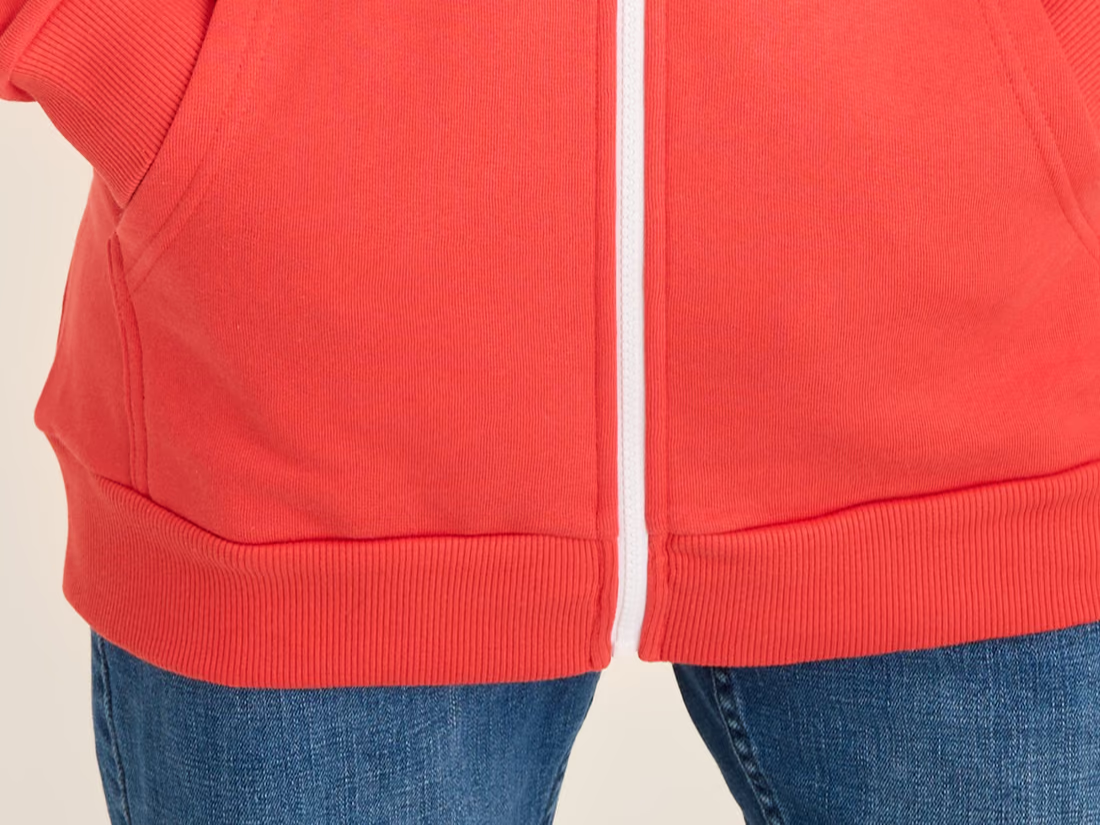
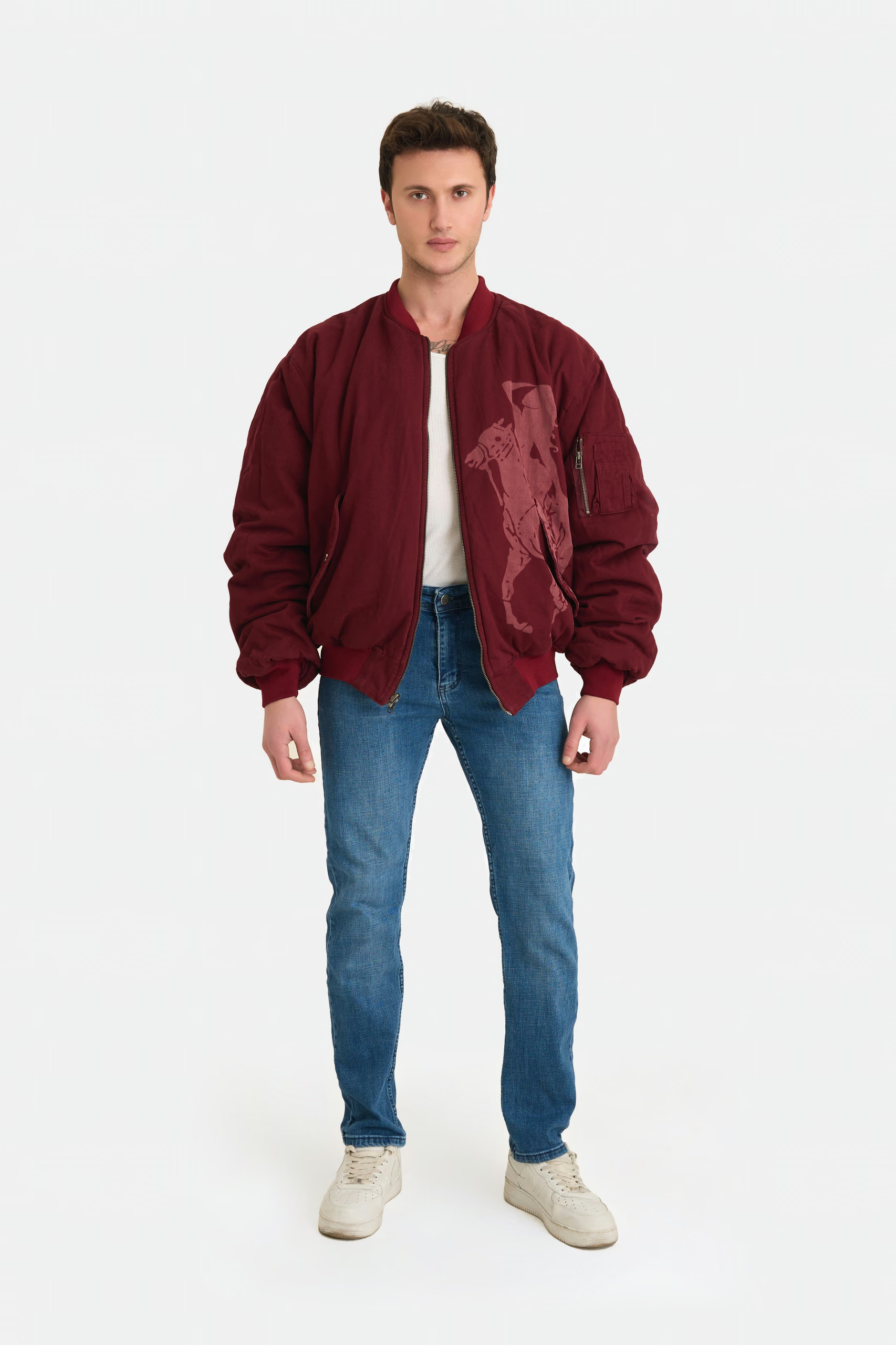
| Rib cuff | Grips the wrist and holds the sleeve in place | Recovers well if correctly specified; visible if it relaxes | Sweatshirts, hoodies, bomber jackets, track jackets |
| Self-fabric cuff | Soft, little grip | Widens gradually, less obviously than a failed rib | Relaxed and oversized styling where grip is not wanted |
| Plain coverstitched hem | None | Stable, nothing to lose shape | T-shirts, long-sleeve tees, lightweight tops |
| Elasticated channel | Determined by the elastic, not the fabric | Depends on the elastic's own recovery | Outerwear and workwear where a firm closure is needed |
A comparison buyers often ask about is rib against self fabric, and the honest answer is that they solve different problems. A rib cuff exists to hold the sleeve at the wrist. A self-fabric cuff exists because the designer does not want the visual break or the grip that rib provides. If the product needs the sleeve to stay put, rib is the answer; if it needs a soft, uninterrupted line, it is not.
Waistbands and hem bands on knits
The bottom of a sweatshirt or a jacket body is either a rib band or a plain hem, and the same logic applies as at the cuff. A rib hem band holds the garment against the body and creates a blouson shape above it. A plain hem lets the garment hang straight.
One additional consideration applies at the hem: it carries the most weight and is stretched over the hips every time the garment is put on, so it is often the trim that relaxes first. On heavier garments the hem band is often specified with a higher elastane content or a heavier rib than the cuffs for that reason. Woven and elasticated waistbands, which are a different construction problem, are covered in waistband construction.
Where trims go wrong
Trim failures fall into a small number of recognisable patterns, and each points at a different cause.
| What you see | Where to look first |
|---|---|
| Neckline wider after the first wash | Rib recovery, or an untaped shoulder and neck seam |
| Band ripples when the garment lies flat | Cut ratio: the trim is too short or too long for the opening |
| Cuffs stop gripping after a few wears | Rib specification or elastane content, or a ratio that stretches the rib to its limit |
| Trim colour does not match the body | Dyeing of two different fabric constructions; a shade band should be approved on both together |
| Trim twists or rolls | Rib finishing, or the direction the trim was cut |
The diagnostic detail for the shape-loss cases is in rib collar and cuff shape loss. The colour case is worth flagging separately: rib and jersey take dye differently even in the same bath, so trim colour should be approved against the body fabric rather than against a standard alone, which is part of what dye lot and shade variation covers.
What to specify
Trim specification lines
- Rib structure, for example 1x1 or 2x2, and its weight
- Composition including elastane content where present
- Finished trim measurement and the finished opening measurement, per size
- Finished trim width or depth: neckband height, cuff depth, hem band depth
- Attachment stitch, and how the join seam is finished on the inside
- Whether the neck and shoulder are taped, and the tape material and width
- Colour approval requirement: trim approved against the body fabric, not only against the standard
References with rib trims
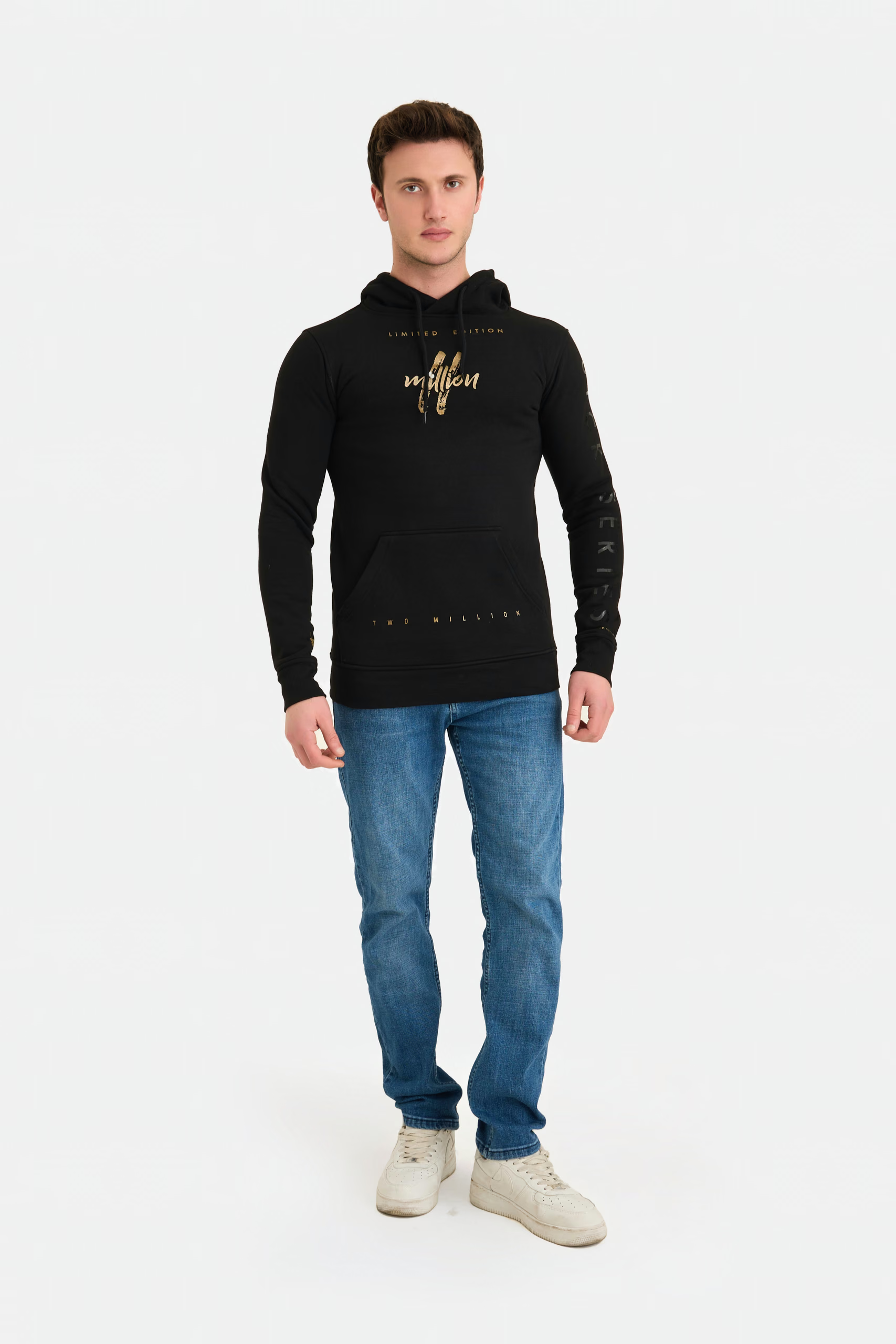
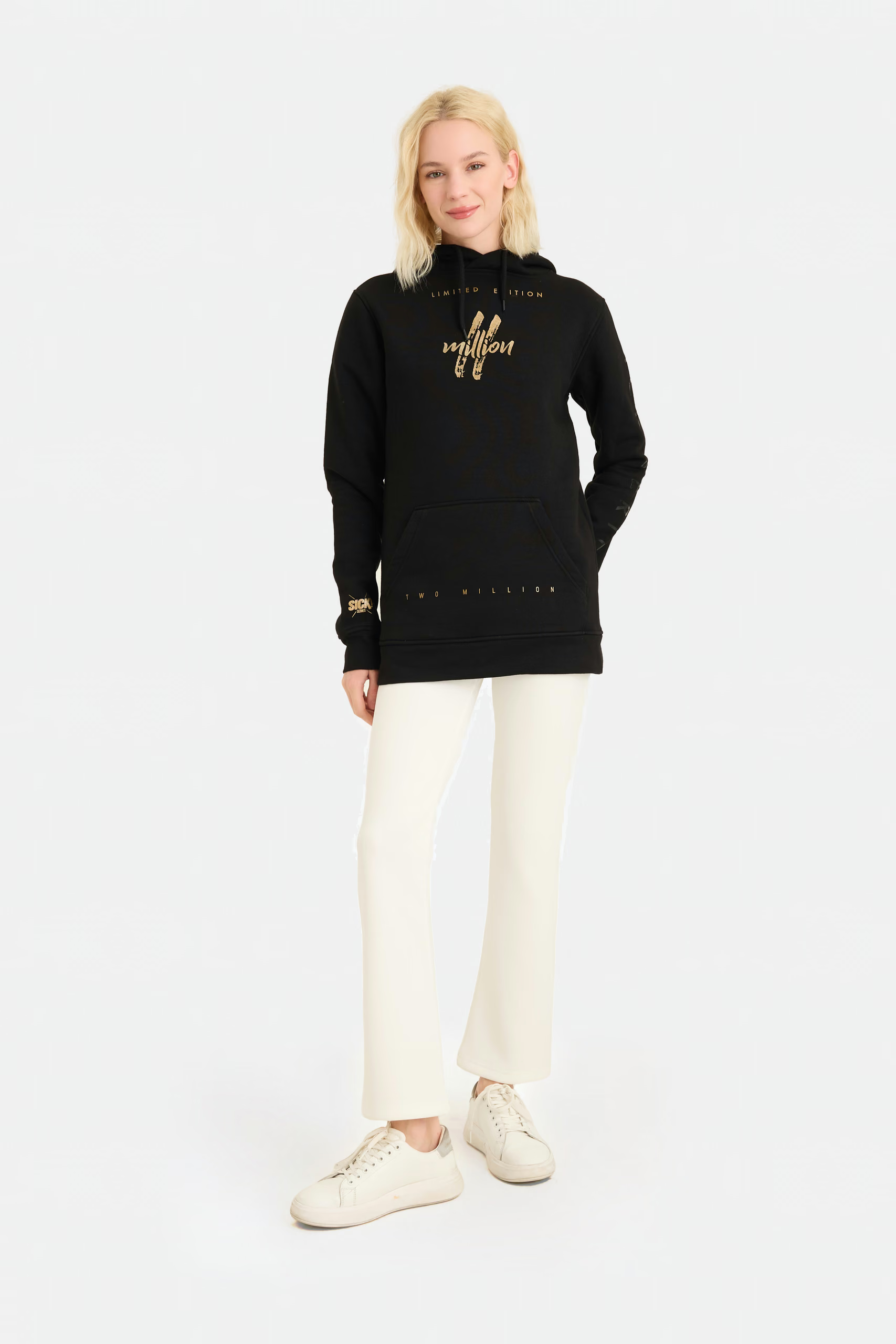
Previously produced customer references where rib necklines, cuffs and hem bands are part of the construction.
Questions this raises
What rib ratio should I specify?
There is no universal figure, because it depends on the rib's extension and recovery, on the body fabric and on how tight the product should feel. The workable approach is to settle it on the sample and then record the finished trim measurement and the finished opening measurement for every size, so bulk reproduces a number rather than an intention.
Why does my neckline get wider after washing when the rib is good quality?
Often because the shoulder and back neck are not taped. The shoulder seam runs across the direction of greatest stretch and carries the garment's weight, so an untaped seam lengthens and takes the neckline with it, regardless of how well the rib itself recovers.
Can rib trim be dyed to match the body exactly?
It can be matched closely, but rib and jersey are different constructions and reflect light differently even at the same dye recipe, so a small visible difference is normal. The practical control is to approve the trim colour next to the body fabric rather than against a colour standard alone.
Is a self-fabric cuff cheaper than a rib cuff?
Marginally, because it avoids buying and handling a separate trim fabric, but the difference is small and it is the wrong reason to choose one. Self-fabric cuffs do not grip and will widen over time, so they suit relaxed styling rather than products that need the sleeve to stay at the wrist.
Trims are worth specifying properly
Rib structure, ratio and taping are the details that decide whether a garment still looks new after twenty washes. Send them with your enquiry, or ask us to propose them from a reference garment.
Start a project