

Sleeve and shoulder construction: set-in, raglan and dropped shoulder
The seam that joins a sleeve to a body can sit at the natural shoulder point, run from the underarm up to the neckline, or fall down the upper arm. Each of those choices changes the pattern, the sewing operation, the range of movement and the way the garment photographs, and none of them is a variation of the others.
Contents
Sleeve architecture is a construction decision with a large visible effect on a garment, and it is decided before anything else about the upper body. It sets the pattern, it sets how the garment moves, and it determines which sewing operations exist at all.
Three sleeve architectures
The blue line marks the sleeve-to-body seam in each construction.
Set-in sleeve
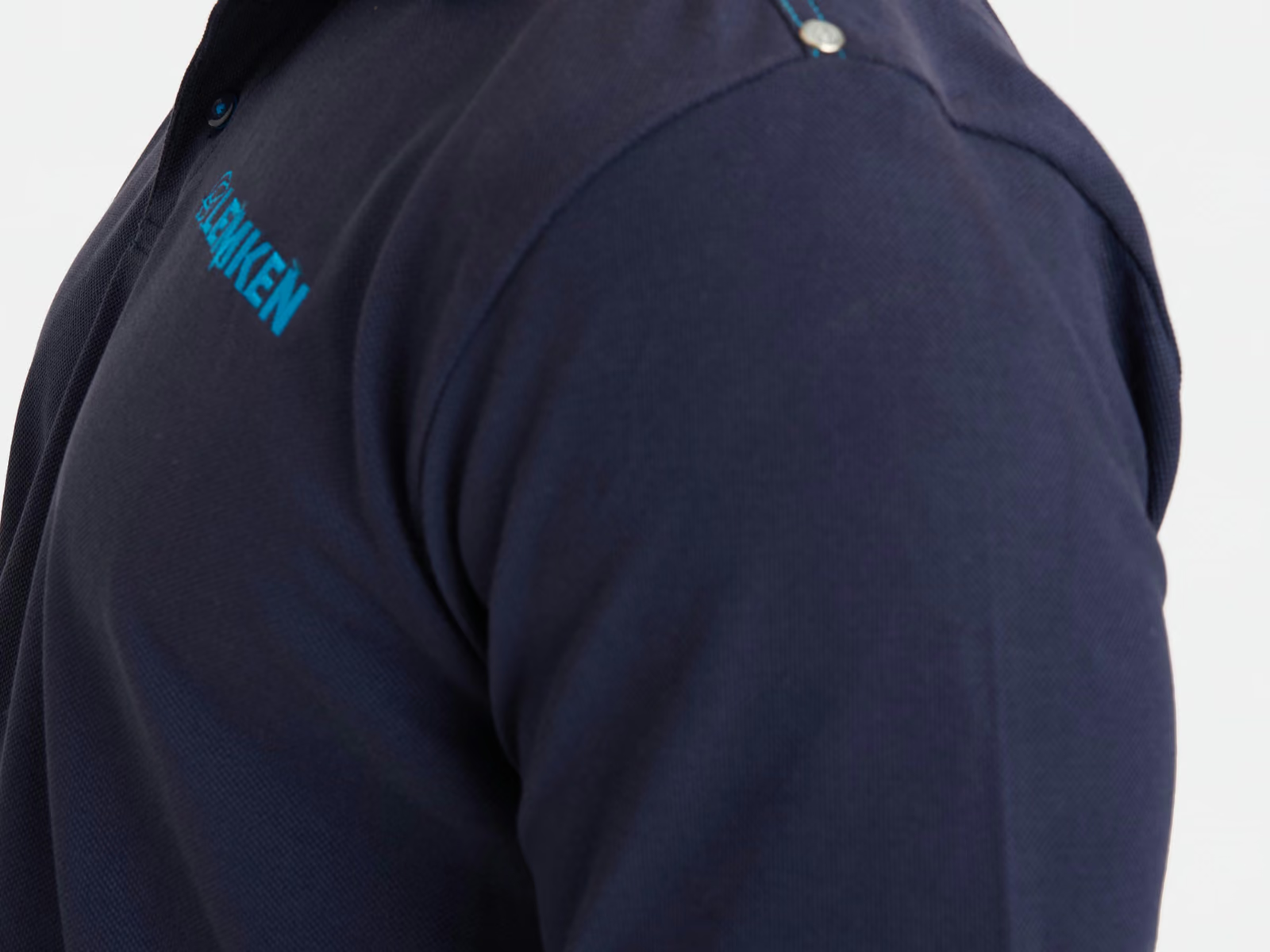
The armhole is a closed curve in the body panel, and the sleeve head is a matching curve sewn into it. The seam sits at or near the natural shoulder point, where the arm meets the torso.
This is the most controlled of the three constructions and the most demanding to sew. The sleeve head is normally cut slightly longer than the armhole it goes into, and that extra length has to be distributed evenly around the curve as it is sewn. Done well it produces a smooth, rounded sleeve head that follows the shoulder. Done badly it produces visible gathers or a flattened head, and it is a common place to see the difference between a skilled line and an unskilled one.
In tailored garments the sleeve head can be deliberately supported, with a head roll or wadding, to hold a specific shape. In knitwear and casual garments the same seam is usually sewn on an overlock without any support, and the shape comes from the pattern alone.
Raglan sleeve
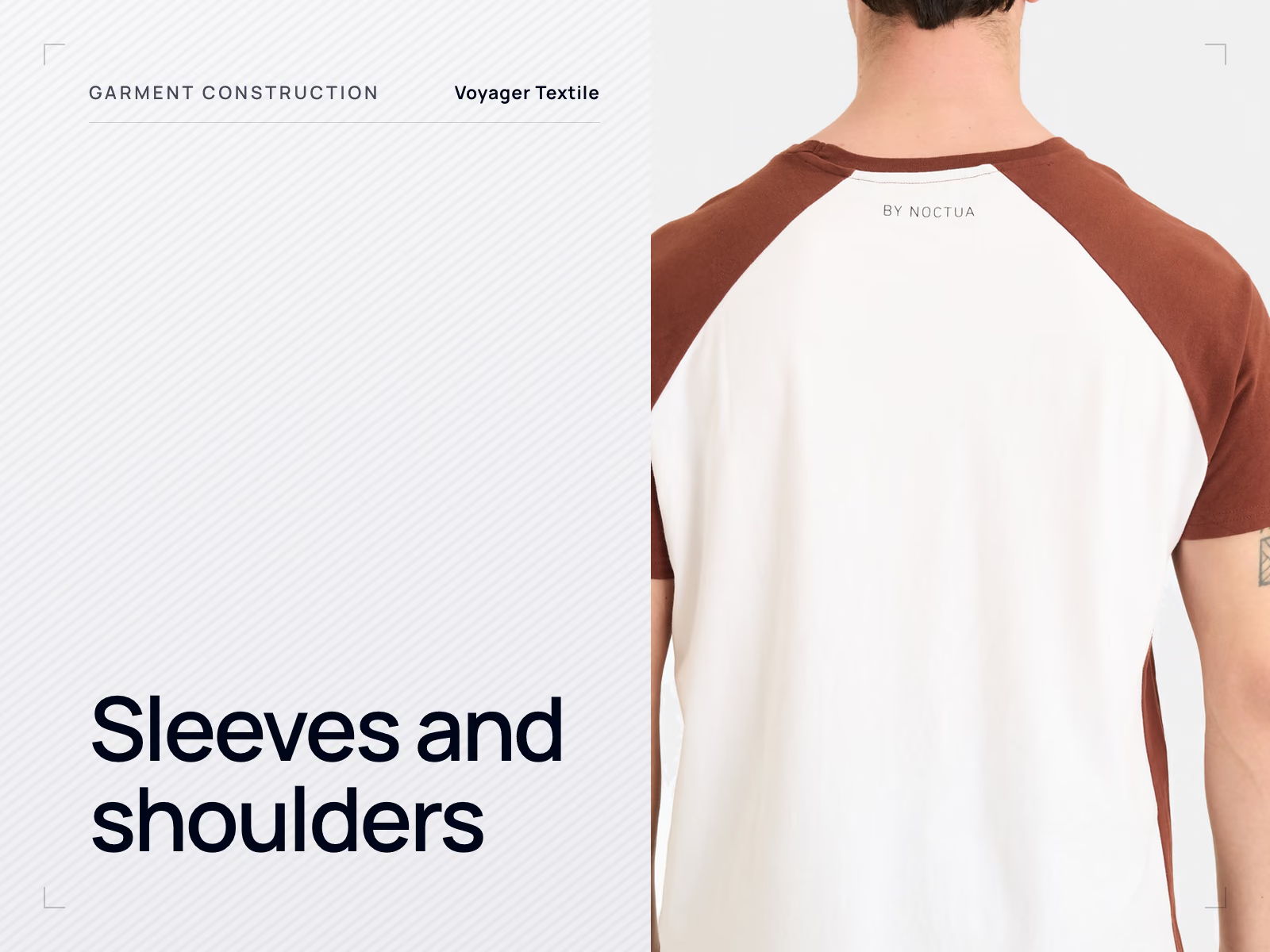
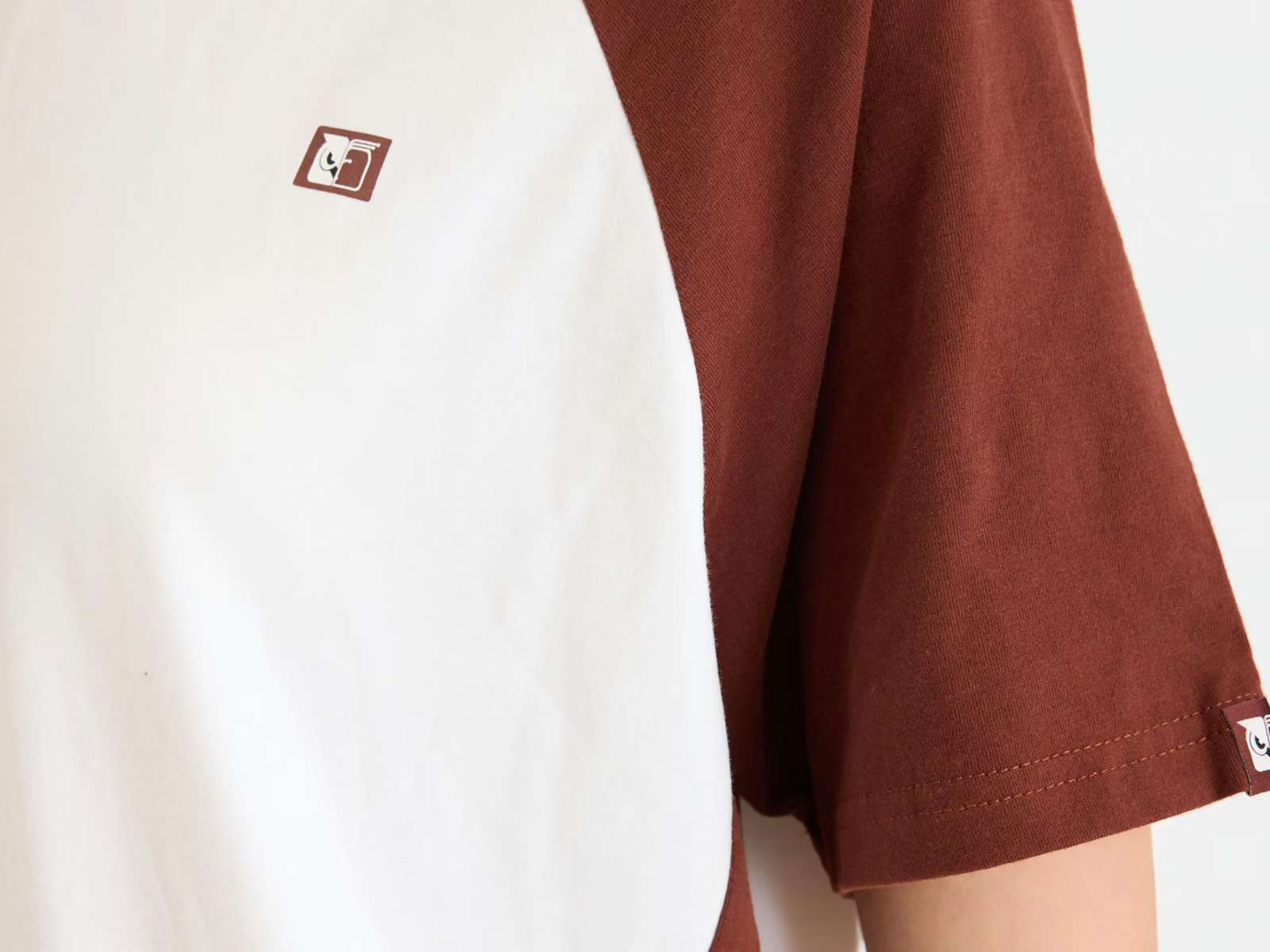
There is no armhole curve. The sleeve extends all the way to the neckline, and the seam runs diagonally from the underarm up to the neck on both the front and the back. The shoulder is part of the sleeve rather than part of the body.
Two consequences follow. Movement improves, because there is no seam sitting on the shoulder joint and the diagonal seam opens as the arm lifts, which is why raglans are common on sportswear and outerwear worn over other layers. And sizing becomes more forgiving, because the shoulder point is not fixed by a seam, so the same garment fits a wider range of shoulder widths acceptably. That is one reason raglan constructions appear so often in promotional and corporate apparel, where a size range has to cover many body shapes with no fittings.
The cost is silhouette. A raglan cannot produce a sharp shoulder line, and the diagonal seam is a visible design element that has to suit the product. It is also a different pattern problem: the shaping that a set-in sleeve puts into the sleeve head has to be distributed along the raglan seam instead.
Dropped shoulder
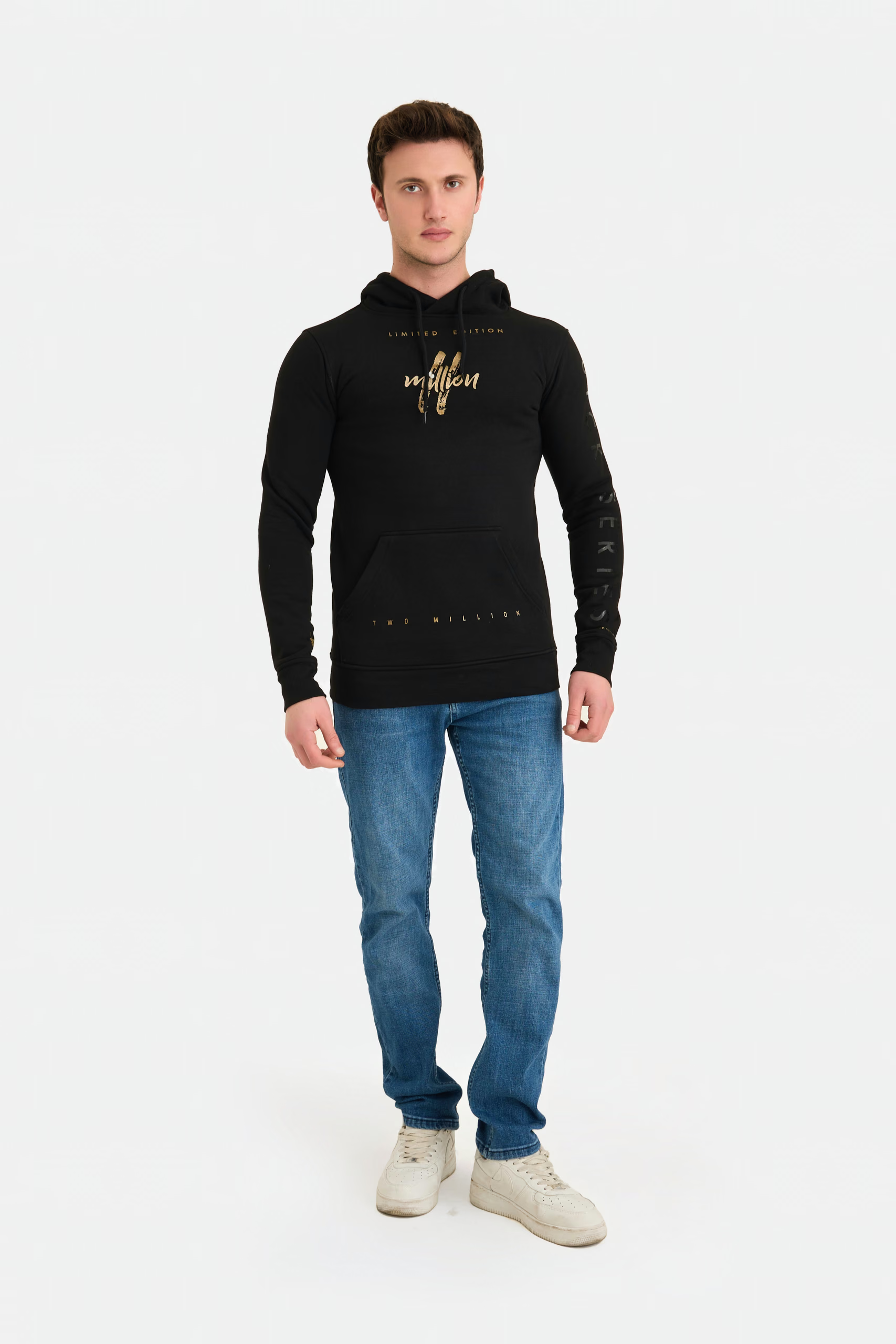
The armhole seam is moved down the upper arm, past the natural shoulder point. The body panel is wider across the shoulder, the sleeve is shorter, and the join falls somewhere on the bicep.
This is the construction behind much oversized and relaxed streetwear. It is easy to sew, because a dropped armhole is straighter than a set-in armhole and needs no easing, and it produces the loose, square silhouette those products are bought for. It also has a consequence buyers regularly underestimate: because the shoulder seam is no longer anchored at the shoulder point, the garment hangs from the body rather than from the shoulders, and small changes in body width move the sleeve seam noticeably.
The amount of drop is a specification, not a style word. "Dropped shoulder" without a measurement is not actionable, because a 3 cm drop and an 8 cm drop are different products. This is one of the places where fit development has to produce a number rather than a description.
Comparing the three
| Set-in | Raglan | Dropped shoulder | |
|---|---|---|---|
| Seam position | Natural shoulder point | Underarm to neckline | Down the upper arm |
| Silhouette | Defined shoulder line | Soft, rounded shoulder | Wide, square, relaxed |
| Overhead movement | Most restricted | Best | Good but unstructured |
| Sewing difficulty | Highest, sleeve head needs easing | Moderate, long diagonal seam | Lowest, straighter armhole |
| Size tolerance | Lowest | Highest | High |
| Typical products | Shirts, polos, tailored jackets | Sportswear, outerwear, sweatshirts | Oversized tees, streetwear hoodies |
None of the three is better. The question is what the product has to do. A corporate polo needs a defined shoulder and a controlled look, so it is set-in. A training top worn over a base layer needs movement, so it is raglan. A boxy graphic hoodie needs volume, so it is dropped. Choosing the architecture that fights the product is how a garment ends up technically correct and commercially wrong.
Shoulder reinforcement and taping
The shoulder seam in a knit garment carries the weight of the whole garment and runs across the direction of greatest stretch. Left bare, it lengthens over time and the neckline widens with it. Shoulder taping is the standard answer: a narrow tape sewn into the seam as it is made, so the seam cannot extend further than the tape allows.
The same tape usually continues around the back neck, where it does a second job. A&E's seam reference lists a dedicated construction for taping the shoulder and neck of t-shirts, and notes that a folder is required to fold and guide the tape onto the seam. That folder is why the operation is consistent in bulk and why the tape width has to be specified: the folder is set for one width.
Untaped shoulders are a legitimate choice on lightweight or deliberately soft products, and on garments where the extra line inside the neck is unwanted. It is a choice, though, not an omission, and it should be written down as one. Neck and shoulder stability is closely related to the trims that sit next to it, covered in rib trims and neck finishing.
Where sleeves cause problems
Three recurring issues are worth naming. The first is a puckered or gathered sleeve head, which comes from too much ease in the sleeve cap for the fabric, or from uneven distribution during sewing. The second is armhole seams that measure correctly and still feel tight, which is usually armhole depth and shape rather than circumference. The third is bulk at the underarm, where the sleeve seam, the side seam and the armhole seam all meet; on a heavy fabric that intersection needs deliberate attention or it becomes a hard lump.
All three are sample-stage problems. They are visible on a first prototype and they are cheap to correct there. They are expensive to discover in bulk, which is the general argument made in why bulk differs from the sample.
References across the three architectures
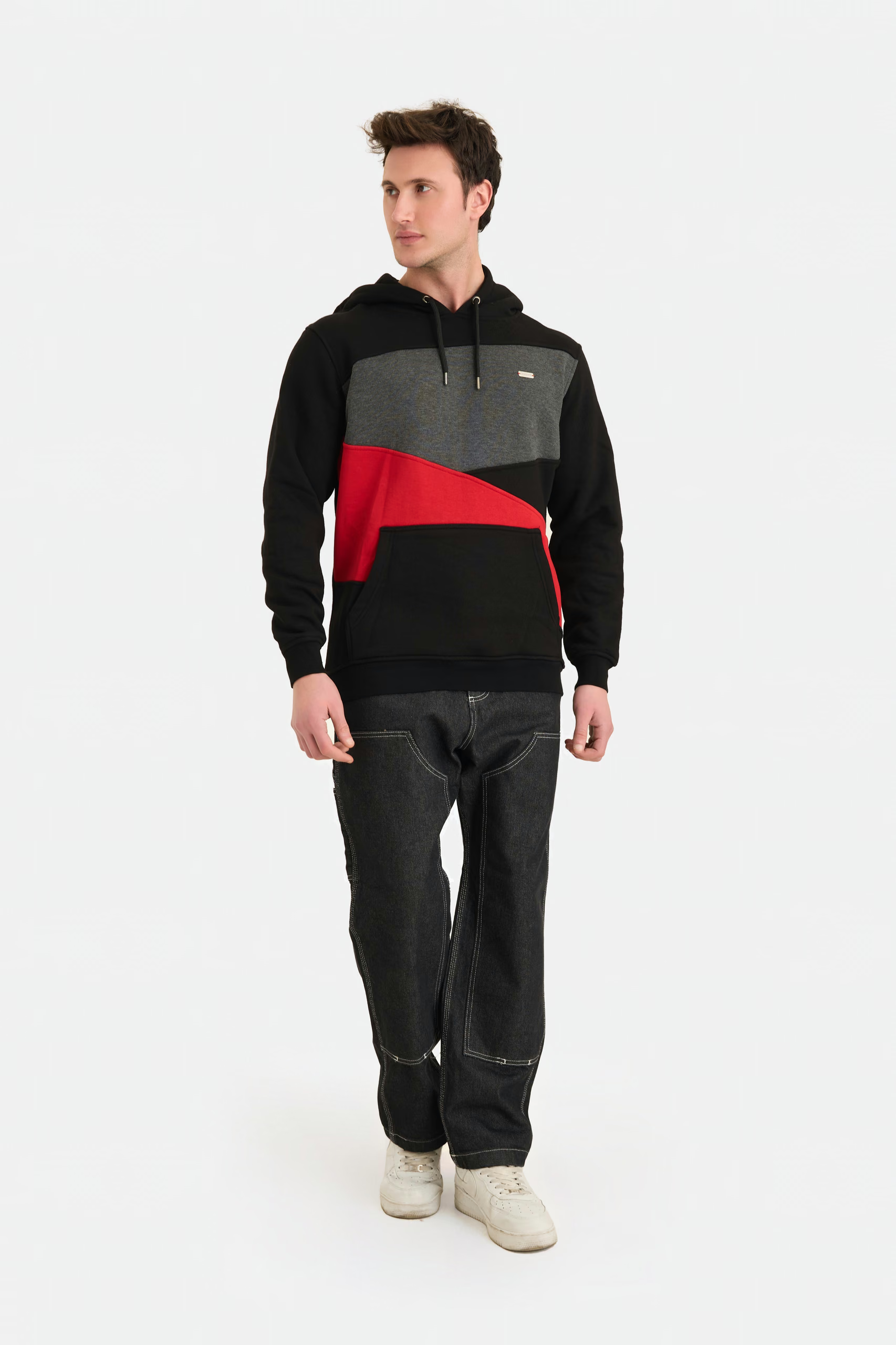
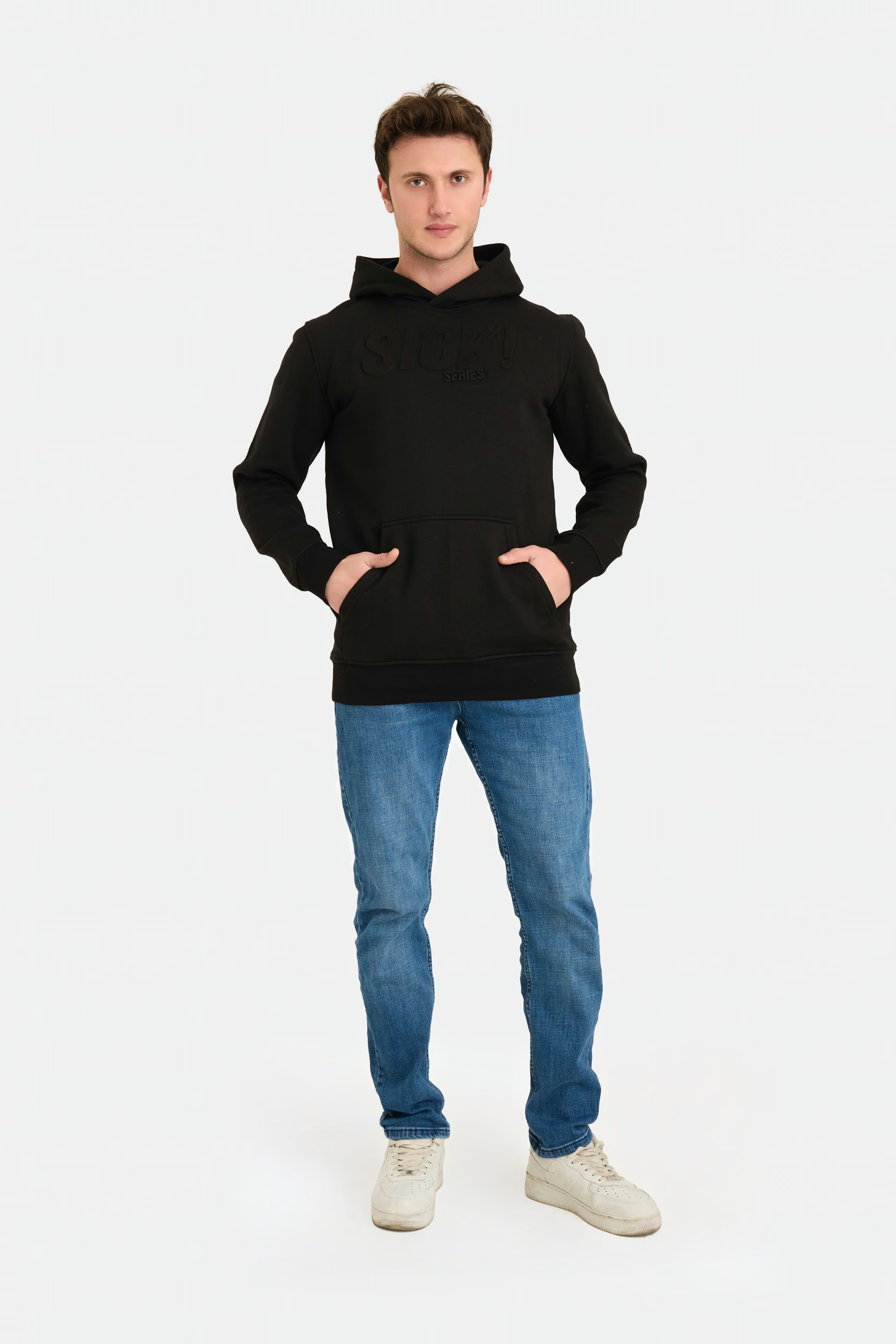
Previously produced customer references showing set-in, raglan and dropped-shoulder constructions in different product types.

Questions this raises
Is a raglan sleeve cheaper to make than a set-in sleeve?
Usually slightly, because there is no sleeve head to ease into an armhole and the seams are longer but simpler. The difference is not large enough to be the reason for choosing one, and it is often outweighed by fabric consumption, since raglan panels can nest differently in the marker.
How much drop should a dropped shoulder have?
There is no standard figure, because it is a design decision that depends on the silhouette you want and the size range you are covering. What matters is that a number is fixed during fit development and written into the measurement chart, so it is graded deliberately across sizes rather than left to vary.
Do I need shoulder tape on a t-shirt?
It is standard on many knit t-shirts because the shoulder seam runs across the direction of greatest stretch and carries the garment's weight. Lightweight or deliberately soft products sometimes leave it out. Either way it should be an explicit line in the specification rather than something the factory decides by habit.
Can I change from set-in to raglan after the first sample?
It is not a modification, it is a new upper body pattern. The armhole disappears, the shoulder shaping moves into the sleeve, and the neckline changes shape. Expect a new prototype and a new fit round rather than a correction to the existing one.
Fix the sleeve architecture early
Sleeve construction is a pattern decision, so it is far cheaper to settle before sampling than after. Send the silhouette you want, or a reference garment, and we will build the pattern around it.
Start a project