

Pocket construction: patch, welt, in-seam, cargo and kangaroo
Pockets are a clear example of construction driving cost. A patch pocket is applied on top of a panel; a welt pocket is cut into it. One is a straightforward operation and the other is a precision job that cannot be corrected once the panel has been cut.

Contents
Pockets in apparel are generally variations of four constructions: applied to the surface, set into a cut opening, hidden inside an existing seam, or built as a three-dimensional bag on the outside. The differences between them are differences in risk as much as in appearance.
Three pocket constructions
Dashed outlines show the pocket bag, hidden behind the panel.
Patch pockets
A separate piece of fabric with its own finished top edge, laid on the panel and stitched around three sides. A&E's seam reference lists patch pocket setting as a lapped seam construction, generally sewn with a 301 lockstitch, and notes that a presser foot with a yielding section is used to hold a uniform margin from the stitch line to the edge.
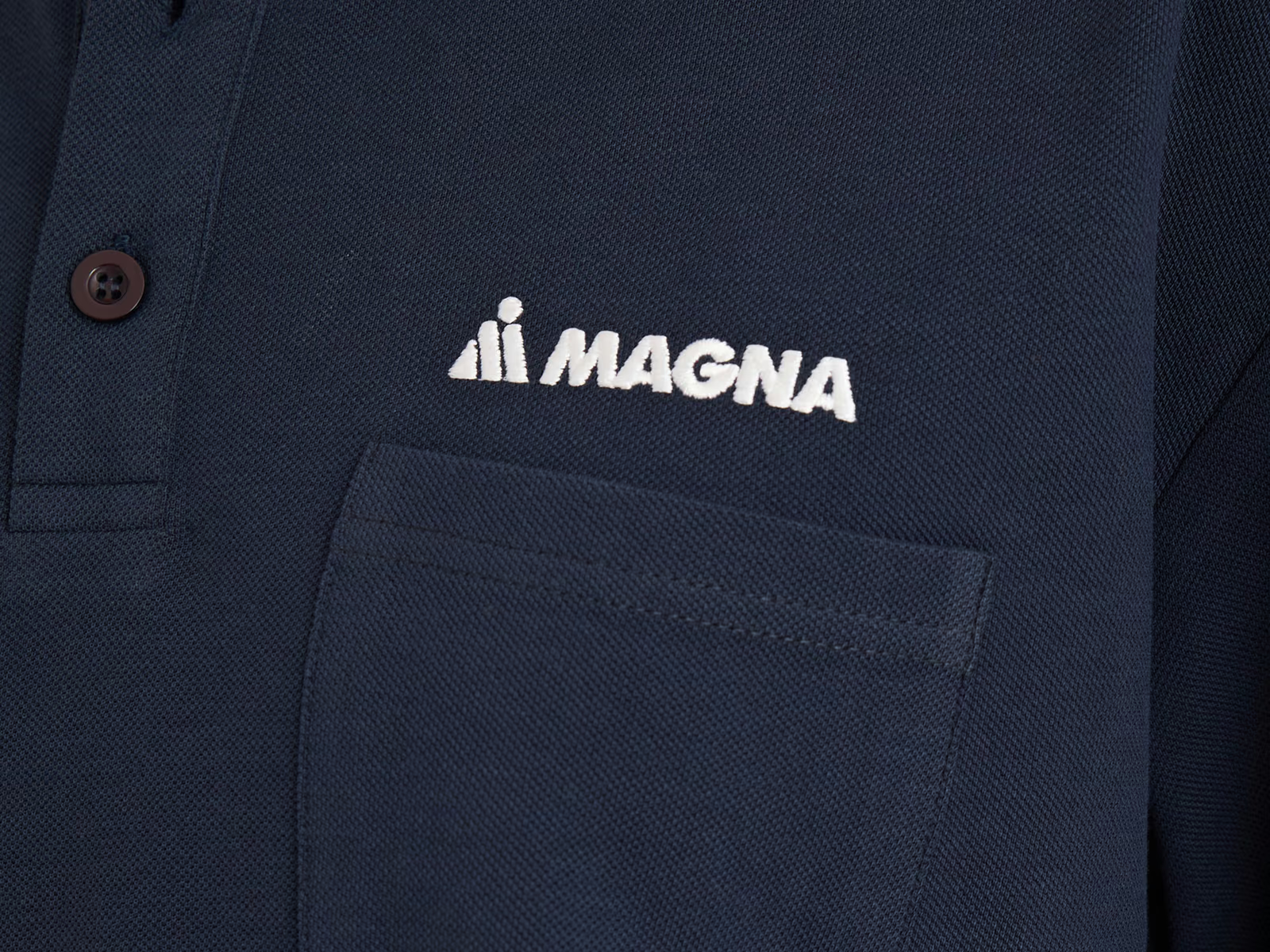
That margin is the whole quality question. A patch pocket is visible, so an uneven stitch margin, a pocket that is not square to the panel, or two pockets at different heights are all immediately obvious. The construction is otherwise forgiving: nothing has been cut into the panel, so a misplaced pocket can, in principle, be removed and reset.
On heavier products a patch pocket may be lined or interlined so it holds its shape, and a flap adds a second small assembly with its own placement and topstitch requirements.
Welt pockets
A welt pocket is an opening cut into the panel, finished with one or two narrow strips of fabric that frame the slot, with a bag hanging behind. Nothing about it is reversible: once the panel has been slashed, an error in the position or the length of the opening cannot be corrected on that panel.
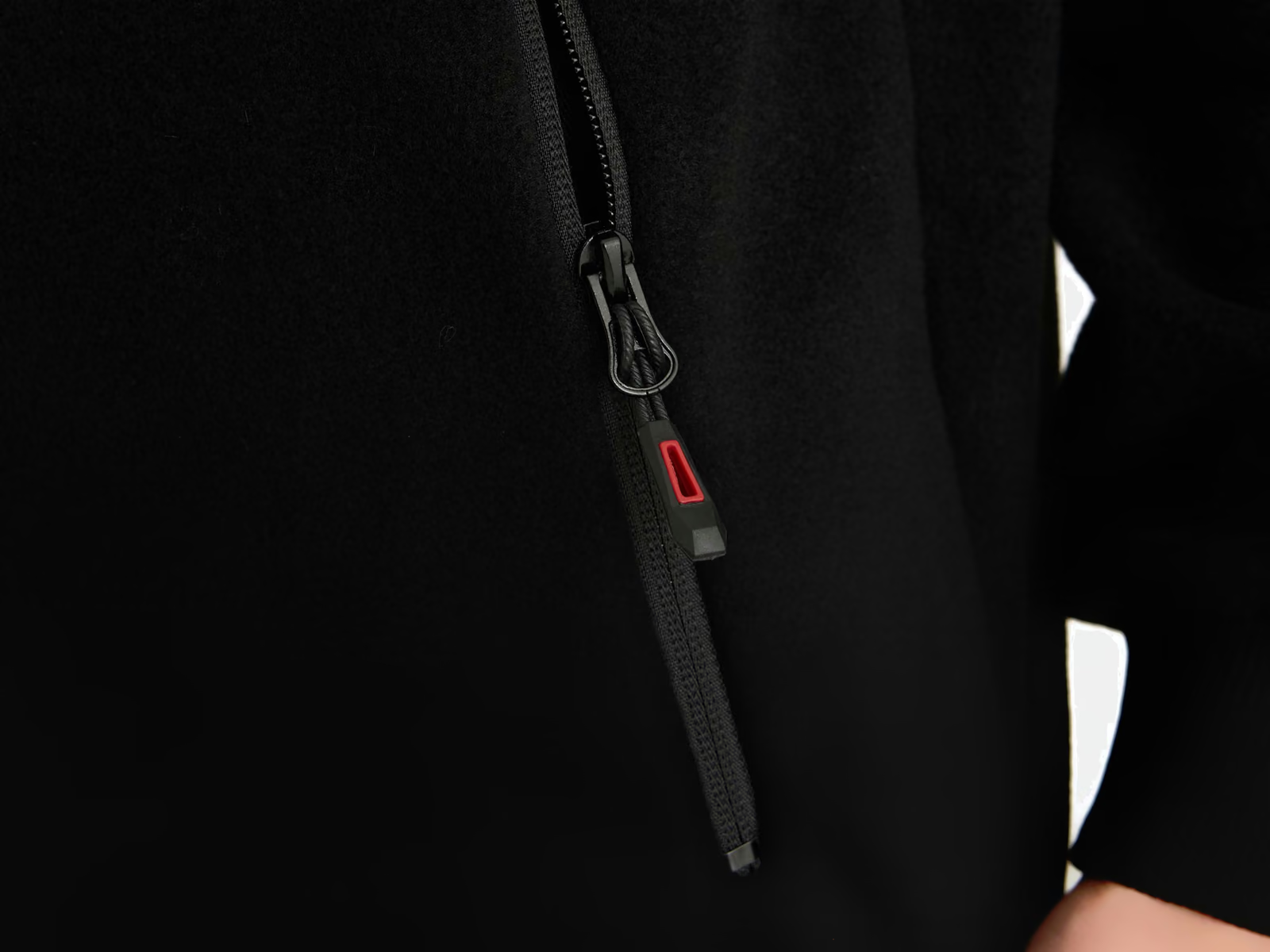
That is why the welt is the standard example of construction cost. It requires accurate marking, a precise cut, symmetrical welts of equal width, clean corners, and a bag that hangs without pulling the panel. Some of it can be done on a dedicated automatic machine, which improves consistency substantially, but the operation is still slower and more skilled than applying a patch.
| Patch | Welt | |
|---|---|---|
| What happens to the panel | Nothing, the pocket is applied on top | The panel is cut open |
| Recoverable if misplaced | Usually | No |
| Skill and time | Moderate | High |
| Appearance | Visible pocket shape on the outside | A clean slot, the pocket itself hidden |
| Typical use | Casual shirts, workwear, hoodies, aprons | Tailored trousers and jackets, back pockets on trousers |
If a product needs a clean line with no visible pocket, a welt is the way to get it and the cost is justified. If a pocket is functional and the product is casual, a patch pocket does the same job for less. Choosing a welt for appearance on a low-price product is one of the more common ways a costing goes wrong, and it is exactly the sort of trade-off discussed in the cost breakdown guide.
In-seam pockets
The pocket opening is part of a seam that already exists, most often a side seam or the seam between a front panel and a side panel. The seam is left open over a defined length, the bag is attached to the two allowances, and the opening is reinforced at both ends.
This is the least visible construction and often the cheapest, because it uses a seam that has to be sewn anyway. The two things it needs are stabilisation along the opening, since a seam opening in a knit or a soft woven will stretch out of shape with use, and reinforcement at both ends of the opening, where a bartack stops the seam from tearing further open.
Cargo pockets
A cargo pocket is a patch pocket built with volume, usually through pleats, bellows or gussets at the sides, and normally closed with a flap. It is among the more involved applied pockets: the pleats have to be even, the flap has to align with the pocket, and the closure has to be positioned so it works when the pocket is full rather than when it is empty.
Because a cargo pocket carries weight, the attachment stitching is doing real structural work. Bartacks at the top corners are not decorative on this pocket type, and their number and position should be stated.
Kangaroo pockets
The pouch pocket on a pullover hoodie is a patch construction with two openings, applied across the front and stitched along its bottom and side edges, with the two upper openings left free. The load is concentrated at the two openings, particularly at the outer corners, which is where hooded garments fail if the reinforcement is missing.

Two things are worth specifying beyond placement. The first is how the openings are finished, since the raw edge along each opening needs a hem or a binding that will not stretch. The second is the reinforcement at the opening corners, normally bartacks, which take the load every time a hand goes into the pocket. Placement is also more sensitive than it looks: a pouch set too low on the body drags the front of the garment down.
Pocket bags
The bag is the part nobody photographs and a part that often fails. It is often made from a different fabric from the garment, lighter and smoother, and that fabric is a specification item in its own right. Three properties matter: it has to be strong enough to carry contents, stable enough not to shrink at a different rate from the garment, and colourfast enough not to mark the shell when it is wet.
Shrinkage mismatch is one buyers often meet. If the bag fabric shrinks more than the shell, the pocket pulls the front panel inward after washing and creates a visible drag line. That is a materials decision made at the bill of materials stage, and it is worth testing on the same wash cycle as the shell rather than assuming.
| Property | Why it matters |
|---|---|
| Fabric and weight | Strength against bulk; a heavy bag shows through a light shell |
| Shrinkage behaviour | A bag that shrinks more than the shell drags the panel after washing |
| Colour | A dark bag can show through a pale shell, and can mark it if it is not colourfast |
| Seam finish inside the bag | Determines whether the bag lasts and whether it feels rough in use |
| Bag depth and shape | Functional, and it decides how far the bag hangs inside the garment |
Pockets on stretch knits
A pocket on leggings or joggers has to stretch with the panel and hold a phone without sagging, so bag fabric and mouth reinforcement matter more than on wovens. On cut-and-sew leggings the usual options are a side-leg patch pocket in the shell fabric and a small key pocket inside the waistband. Joggers (sweatpants, track pants) take in-seam side pockets, a zipped welt at the back or a patch pocket on the thigh.
| Point | What to specify |
|---|---|
| Bag fabric | Stable enough not to grow under load, and shrinking at the same rate as the shell |
| Pocket mouth | Bound, folded or elasticated edge, taped so it does not flute |
| Reinforcement | Bartacks at both ends of the opening, kept short so the seam can still stretch |
| Welt or patch | A welt needs a fused stay on a knit; a patch is the lower-risk choice on light jersey |
| Depth and phone pocket size | Inner width and depth in mm against the largest phone carried; jogger bags deep enough to sit below the hip bend |
Seamless knitted pockets are not offered; leggings are cut-and-sew. Fabrics and fits are on the activewear and leggings page.
What to specify
Pocket specification lines
- Pocket type for each pocket, by construction rather than by name alone
- Placement measured from fixed reference points, graded across sizes
- Finished opening dimensions, and the finished pocket dimensions where the pocket is visible
- Topstitch margin and number of rows where topstitching is visible
- Reinforcement: where bartacks go and how many
- Pocket bag fabric, depth and seam finish
- Closure type where a closure is used
Placement is a line often written loosely. "Chest pocket" is not a specification; a measurement from centre front and from the shoulder is. Pockets that are placed relative to the hem drift as the garment length grades, which is how a pocket ends up correct on a medium and visibly wrong on an extra large.
References with pocket constructions
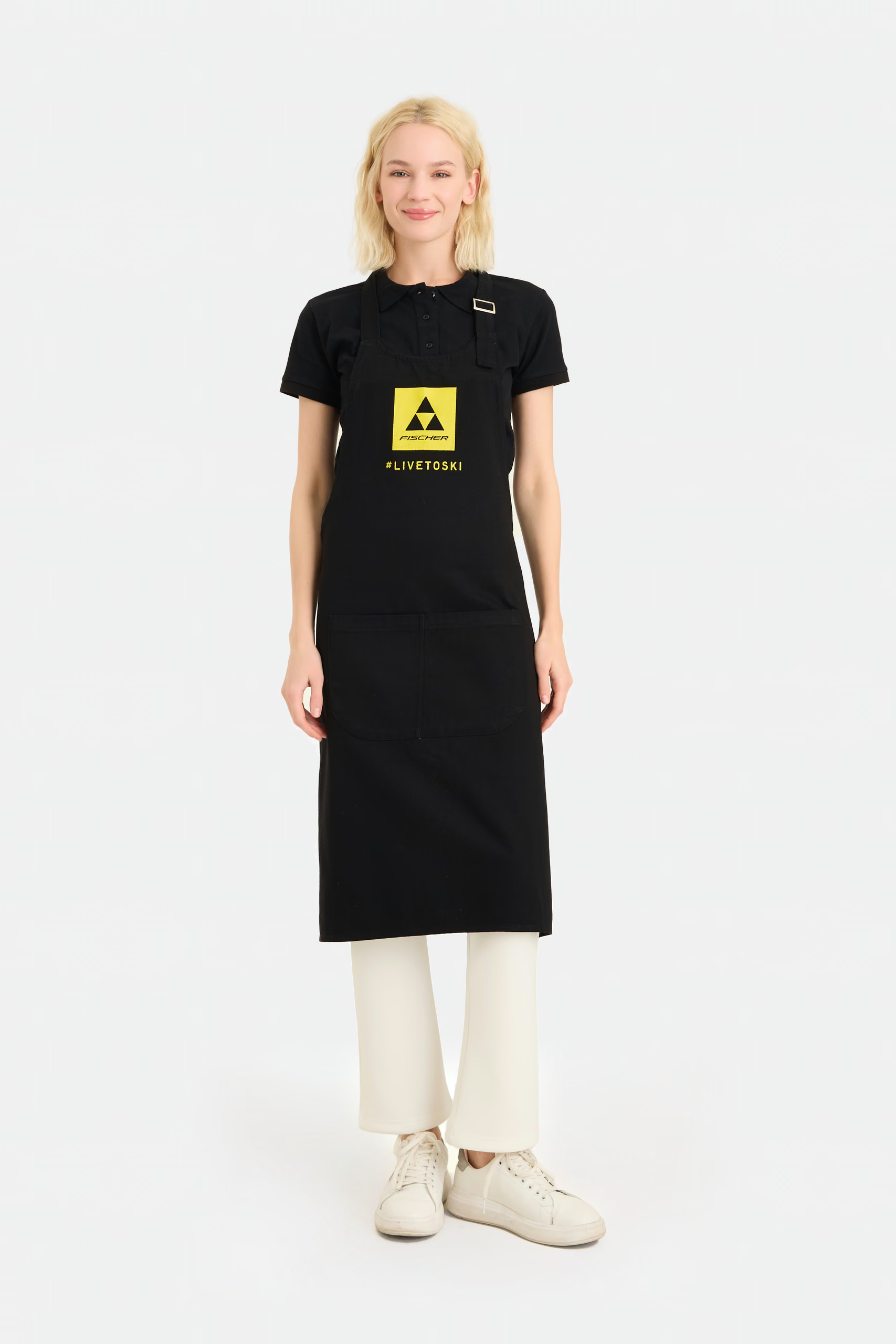
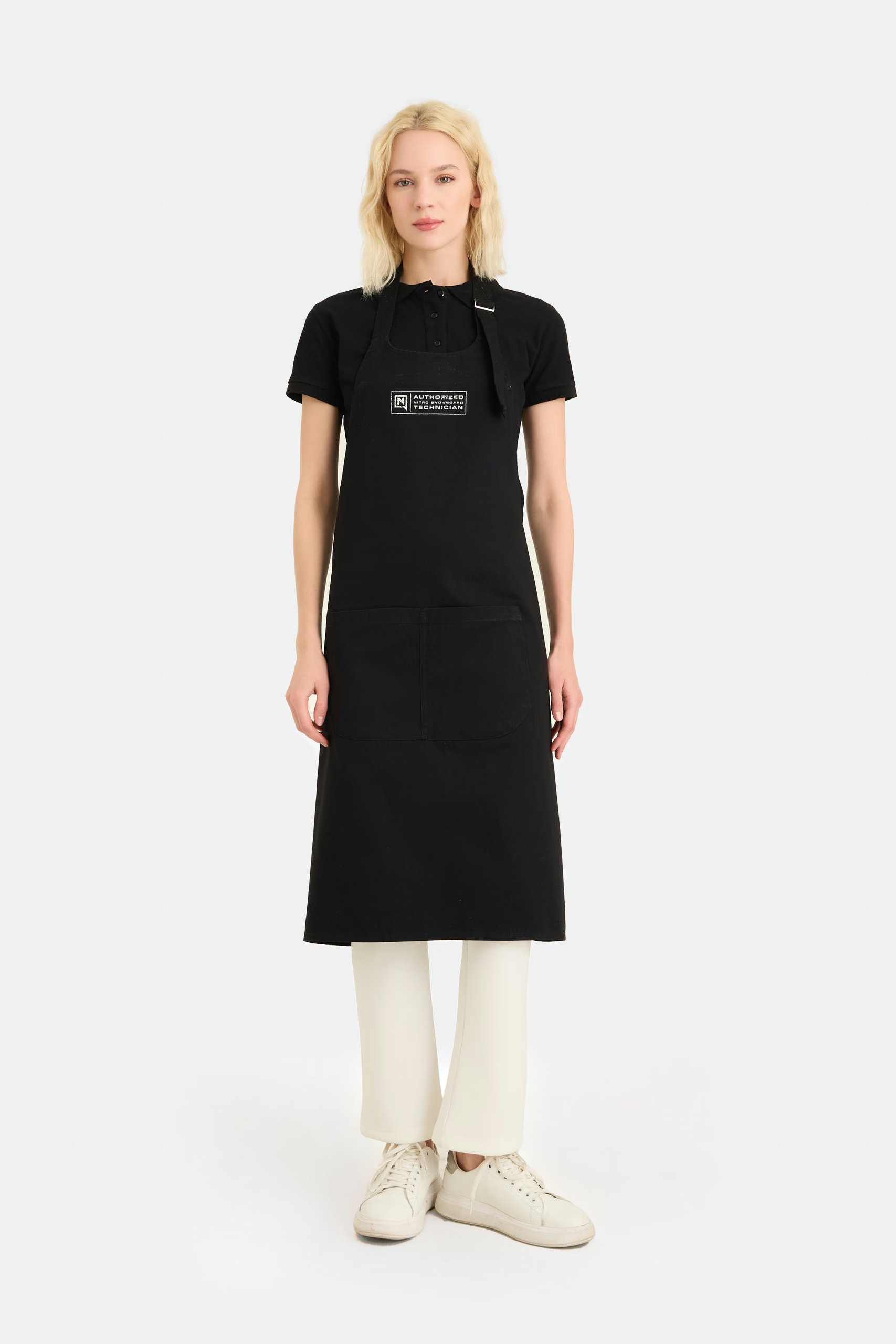
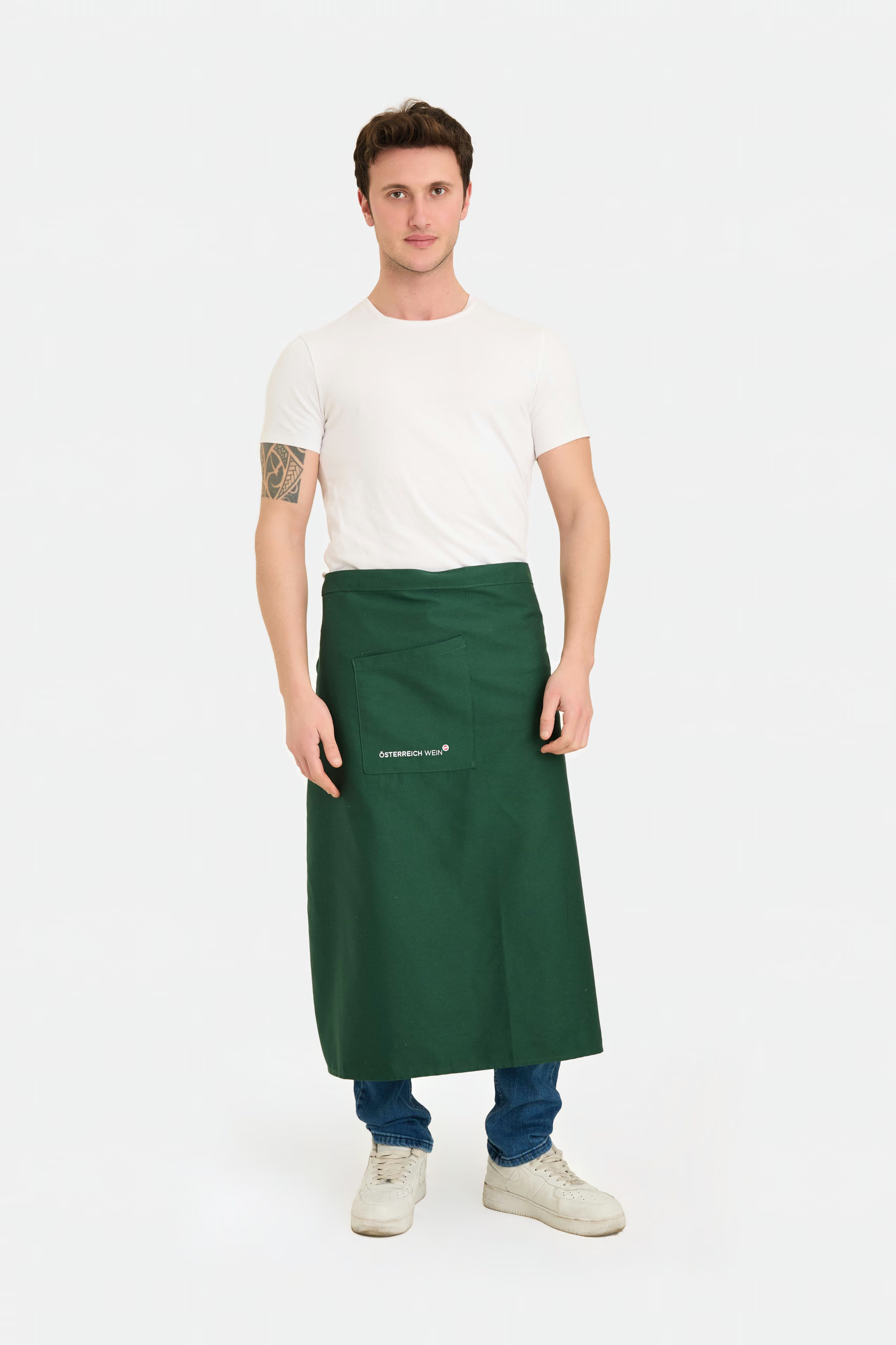
Previously produced customer references showing cargo, patch and pouch pocket constructions.

Questions this raises
Why is a welt pocket so much more expensive than a patch pocket?
Because the panel is cut open. A welt requires accurate marking, a precise cut, welts of equal width, clean corners and a bag that hangs without pulling, and an error cannot be corrected on that panel. A patch pocket is applied on top of an intact panel and can usually be removed and reset if it is misplaced.
Do pockets need bartacks?
At any point where the opening takes load, yes. That means the top corners of a patch or cargo pocket, both ends of an in-seam pocket opening, and the outer corners of a hoodie pouch. Without them the fabric tears at the corner, which is the normal failure point rather than the stitching itself.
Can the pocket bag be the same fabric as the garment?
It can, and on some products it should be, for example where the bag might be visible. On most garments a lighter, smoother bag fabric is used to reduce bulk. Whichever is chosen, the bag should shrink at a similar rate to the shell, or it will drag the panel after the first wash.
How should pocket placement be written in a tech pack?
As measurements from fixed reference points such as centre front and the shoulder or waist, graded across the size range. Placement measured from the hem drifts as the body length grades, which is why a pocket can look correct in one size and wrong in another.
Pocket detail changes the price
Welt, cargo and flapped pockets are priced differently from patch pockets. Sending the pocket construction with your enquiry gives you a quotation that reflects it from the start.
Request a quotation