

How decoration affects a garment's care instruction
Decoration is applied to a garment and has to survive whatever that garment is put through. Each system fails differently, and the system actually used matters far more than the category it belongs to, which is why decoration is tested rather than looked up.
Contents
Start with the thing that causes much of the confusion. Screen print, heat transfer, sublimation and embroidery are not four options with four known care behaviours. Each is a family of systems, and two screen prints using different inks and cured differently will not behave the same. A care instruction cannot be derived from the category; it comes from evidence about the specific system on the specific fabric.
What this page covers is what each family is sensitive to, so a test can be designed to find it. Choosing between techniques is covered in printing against embroidery, and positioning them is covered in artwork placement.
Surface prints
A screen print sits on the fabric as a layer of ink. That layer has to stay attached, stay flexible and keep its colour, and a common reason it does none of those is that it was not fully cured. Under-cured ink looks correct leaving the factory and fails in washing, which is the mechanism separated out in print cracking.
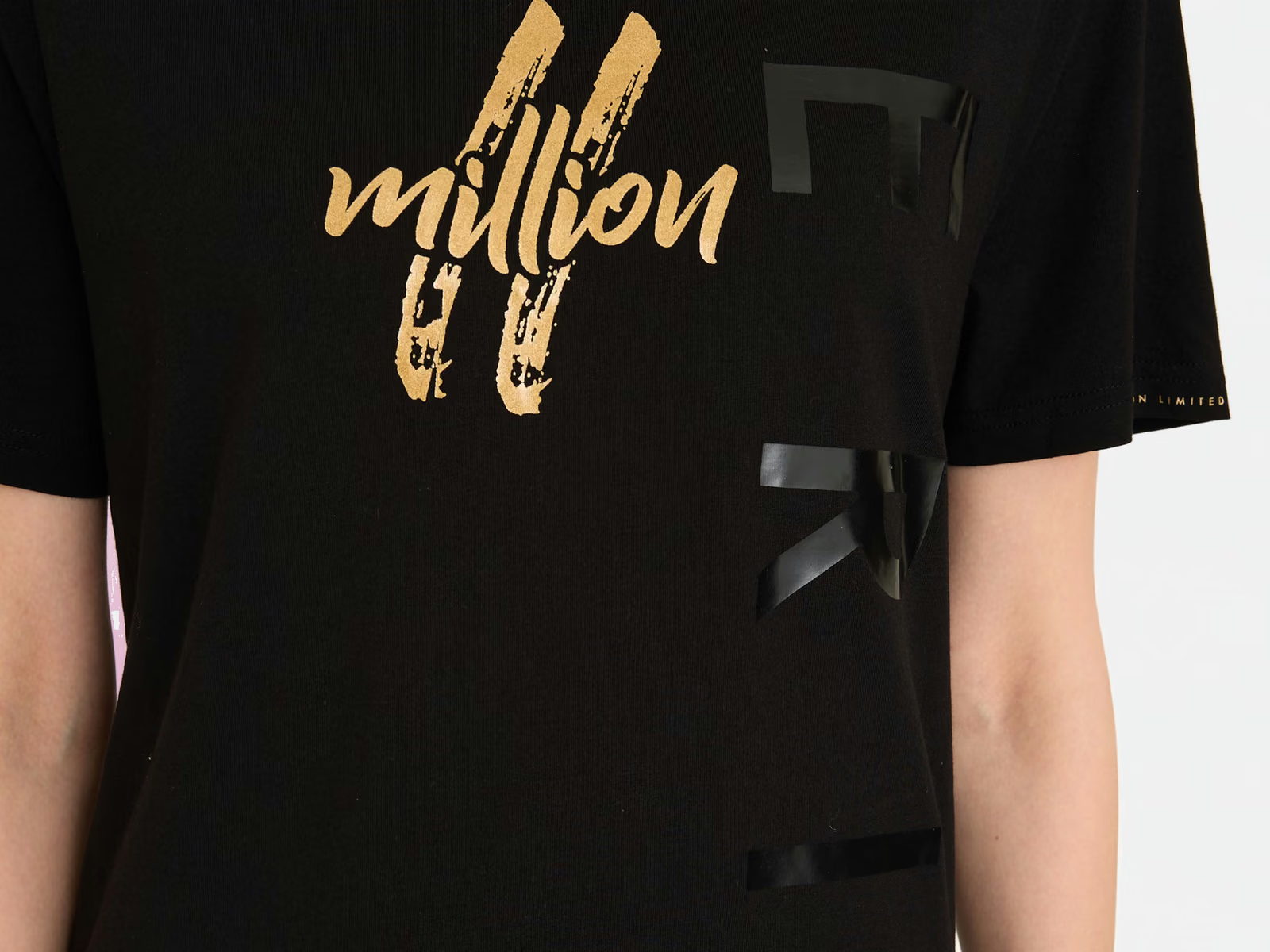
That matters for care specification in a particular way. When a print fails after washing, the question of whether the care instruction was wrong or the curing was wrong has to be answered before anything is changed, because making the label more cautious does not fix an under-cured print. A wash test on a correctly produced sample is what separates the two.
Ironing is the other question a surface print raises, because direct heat on an ink layer is a different exposure from hot water. Whether an ironing restriction or a warning is needed depends on the ink system and has to come from the decorator's guidance for that system and from testing, not from a general rule about printed garments.
Heat-applied transfers and films
A transfer is a pre-made graphic bonded to the fabric with heat and pressure. The care question is almost entirely about that bond and about the film itself.
Adhesion depends on the combination of the film, the fabric and the application conditions, which means the same transfer performs differently on a smooth polyester and on a brushed cotton fleece. Performance fabrics with a surface finish are a case worth testing deliberately, because the finish can work against the bond.
| What you see | Where to look |
|---|---|
| Edges lifting | Adhesion, usually application conditions or fabric compatibility |
| The film cracking | The film's flexibility, and whether it suits a garment that stretches |
| The whole graphic detaching | Adhesion, and whether the treatment exceeded what the bond tolerates |
| Discolouration of the film | The film itself, or migration of dye from the fabric into it |
Dye migration is the one that surprises people. On some dyed polyester fabrics, colour can move out of the fabric and into a light-coloured applied graphic over time, which shows as a white transfer turning pink or grey. It is a materials interaction rather than a care failure, but it is found by the same washed sample, and it is related to the mechanism described in polyester print colour change.
Sublimation
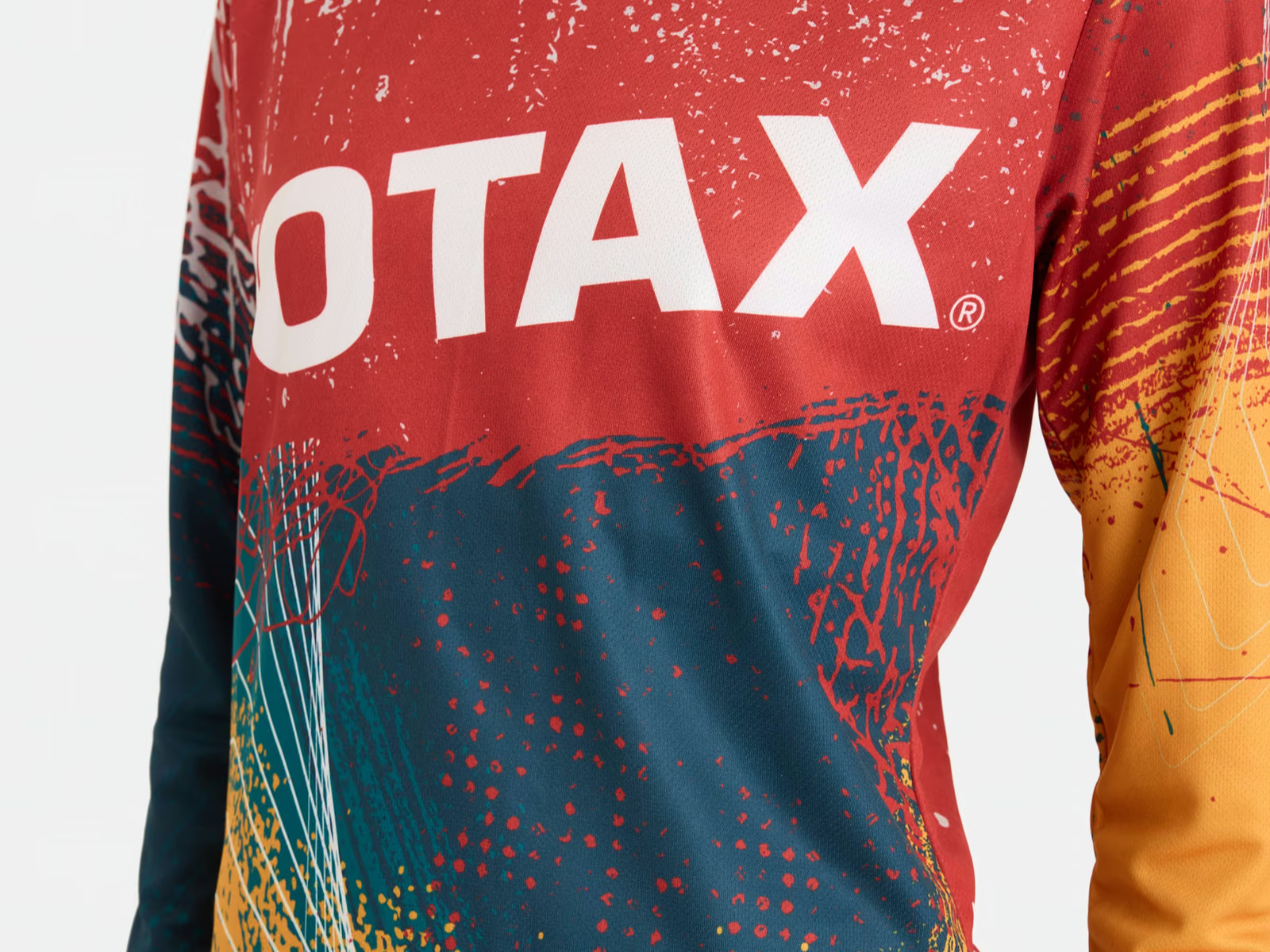
Sublimation is the exception in this list, and understanding why is useful. The dye becomes part of the polyester fibre rather than forming a layer on the surface, so there is nothing to crack, peel, lift or stiffen. On the graphic itself, a sublimated print is a highly care-tolerant decoration in normal apparel use.
That does not make a sublimated garment unconstrained, and the constraint moves elsewhere. It moves to the fabric, which is polyester and has its own behaviour; to any trims that were not sublimated and do not share the print's tolerance; and to colour migration between adjacent areas or into other materials, which is a dye behaviour rather than a surface one.
So the care question on a sublimated garment is rarely about the print and usually about everything else: the elastic in the cuff, the applied number that was heat pressed on afterwards, the zip. That is a common pattern in teamwear, where a sublimated base carries applied names and numbers, and the applied element is the care-limiting one. How the two are combined is covered in sports jersey artwork layout, and the production route in full sublimation jersey manufacturing.
Embroidery
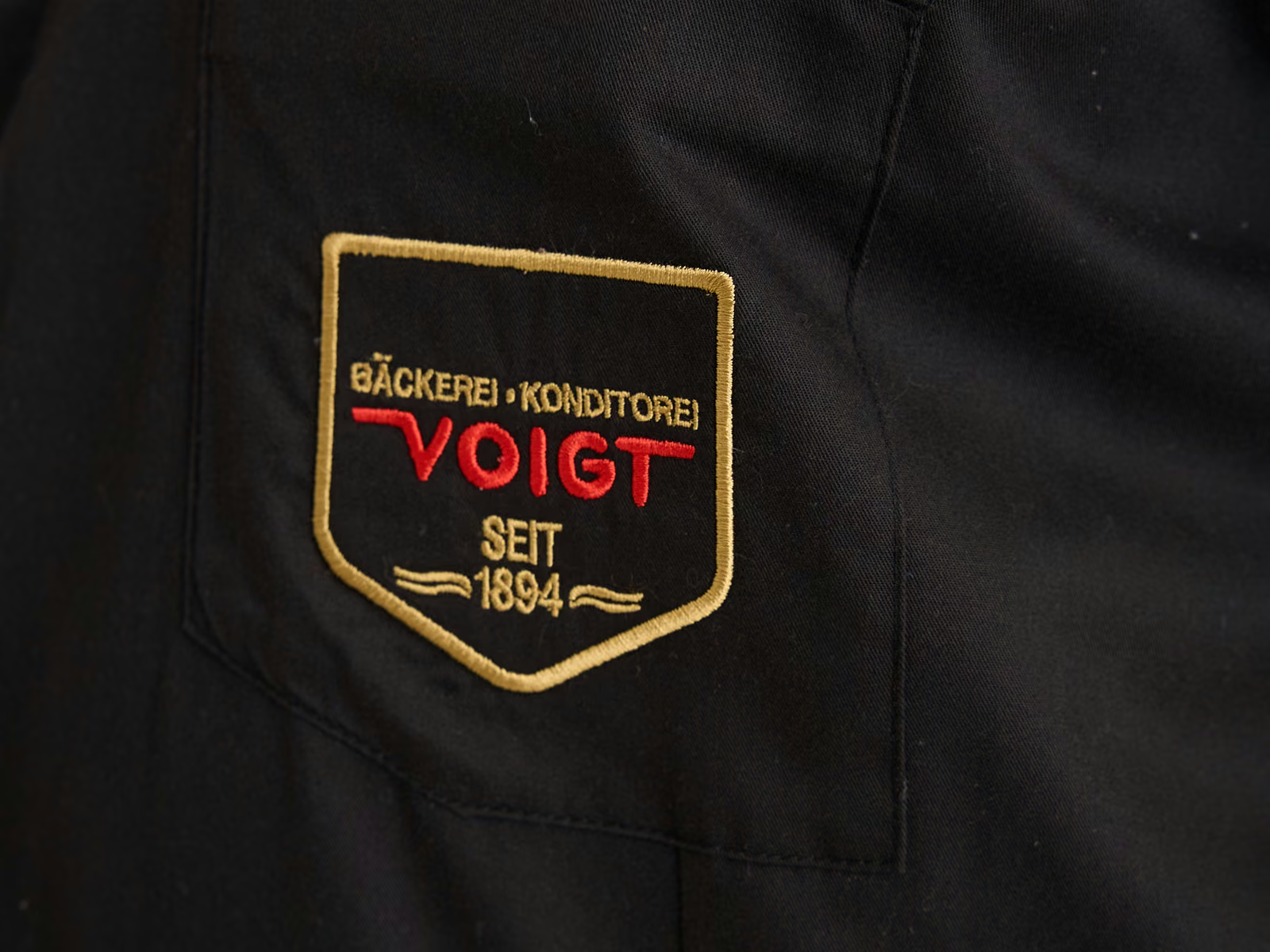
Embroidery is thread and backing rather than a coating, so it does not crack or peel. What it does instead is behave differently from the fabric around it, and laundering is when that difference becomes visible.
| Element | What can change after washing |
|---|---|
| Embroidery thread | Colour change, and shrinkage relative to the fabric, which tightens the design |
| The backing | Whether it shrinks or relaxes at a different rate from the panel, which can pucker the area |
| The panel around the design | Distortion, since a dense embroidered area does not move with a fabric that does |
| Stretch fabrics under embroidery | The embroidered area stays rigid while the fabric recovers, concentrating strain at the edges |
| Colour transfer | A dark thread bleeding into a light garment, or the reverse |
Puckering around embroidery after washing is worth separating from puckering that was there at production. The first is a care and materials question; the second was built in and is diagnosed in embroidery puckering. Specifying to avoid creating it is covered in embroidery placement and size.
Ironing near embroidery raises a separate practical point. Pressing directly onto a raised stitched surface can flatten or glaze it, so where a garment carries prominent embroidery this may be worth a warning rather than a general ironing restriction. Which of the two is appropriate depends on the design and the fabric.
Applied badges, patches and trims
Anything applied as a separate piece brings its own materials into the garment, and it is easy to overlook because it was chosen as a design element rather than as a material. A woven badge has a fabric, a backing and often an adhesive, and each of those has its own behaviour in water and heat.
- Adhesive-backed badges: whether the bond holds and whether the edges lift
- Sewn badges: whether the badge shrinks at a different rate from the panel and puckers it
- Metallic and reflective elements: whether the surface survives, which is often a restrictive component in a garment
- Rubberised and moulded badges: flexibility after repeated cycles, and behaviour under direct heat
Reflective and metallic finishes deserve individual attention, because they are often a highly care-sensitive element in a garment and are often specified late. Where such an element is present, the care instruction is likely to be set by it.
Getting the evidence
Decoration evidence comes from washing a decorated sample, produced the way bulk will produce it, on the production fabric. Three details make that evidence worth having.
- The sample must be the production system. A print made with a different ink or cured differently proves nothing about the one you will ship.
- It must be on the production fabric, in the production colour, because adhesion and migration are both fabric-dependent.
- It must be washed more than once where the decoration is expected to last. A single cycle finds gross adhesion failures; progressive cracking and migration appear later.
Where a decoration technique is supplied by a partner rather than produced in house, their guidance for the specific system is the starting point for what to test and what to expect. It is a starting point rather than a conclusion, because the fabric and the garment are yours.
What this means for the label
Decoration usually influences a care label in one of three ways rather than by changing the wash temperature outright.
| Situation | Usual consequence |
|---|---|
| The decoration is durable under the proposed treatment | No change; the instruction is set by something else |
| The decoration is sensitive to a specific step, most often drying or ironing | A restriction or a warning on that step rather than on washing |
| The decoration is sensitive to the treatment generally | A more cautious instruction, or a change of decoration system |
The middle row is the common one and the reason a warning is a useful instrument. In the United States a warning is required where a consumer could reasonably use a procedure that would harm the product, so identifying a decoration's specific sensitivity is not only good practice but part of what the instruction has to communicate.
Questions this raises
Do printed garments need a cooler wash instruction?
Not as a rule. What a printed garment tolerates depends on the ink system, how it was cured and the fabric it is on, and a correctly produced print on a suitable fabric is often durable at the same treatment the fabric itself supports. Where a print fails in washing, establish whether the print was correctly cured before changing the label, because a more cautious instruction does not fix an under-cured print.
Is sublimation more care-tolerant than other decoration?
On the graphic itself, yes. The dye becomes part of the polyester fibre rather than sitting on the surface, so there is nothing to crack or peel. The constraint moves to the fabric, the trims and anything applied afterwards, which on teamwear is usually the heat-applied number or name rather than the printed design.
Can a garment be ironed over embroidery or a print?
It depends on the system and the design, and it is a question to answer specifically rather than generally. Direct heat on an ink layer and direct pressure on a raised stitched surface are different risks, and either may justify a warning rather than a blanket ironing restriction. The evidence comes from the decorator's guidance for that system plus a test.
Does one small applied badge really change the care label?
It can, and reflective or metallic elements often do. A garment carries the instruction its most care-sensitive component supports, so an element added late in the design can constrain a product whose main decoration would have allowed a more convenient instruction.
Test the decoration you will actually ship
Decoration evidence only counts if the sample used the production system on the production fabric. We produce decorated samples for approval and can put them through the treatment you intend to recommend.
Start a project