Choosing a manufacturer
Questions to Ask a Clothing Manufacturer, With the Answers You Should Get
Ask a clothing manufacturer questions whose answers can be checked later: where the garment is made, which processes are in-house, the minimum per colour and per style, how long sample and bulk take and from when, and what bulk is checked against. A good answer is specific, written and carries a unit. Voyager Textile's own answers are given where they do not depend on the product.
Last reviewed:
Contents
The questions below are grouped by subject, and each comes with what a good answer contains. Send them in writing to every supplier on your shortlist, so the answers can be compared side by side and held to later. A vague answer is not proof of a problem, but a specific one gives you something to measure the order against. Where the answer is the same for every product, Voyager Textile's own answer follows. Where it depends on the product, it is confirmed per project at the quotation stage.
Questions about the factory
1. Do you own the factory that will sew my order?
A good answer is a plain yes or no, followed by the location and what happens on site. If the supplier is an agent or trading company, it should say so and name how production is placed; the two models are compared in manufacturer vs sourcing agent. Voyager Textile: yes, an own factory in Türkiye with about 70 people.
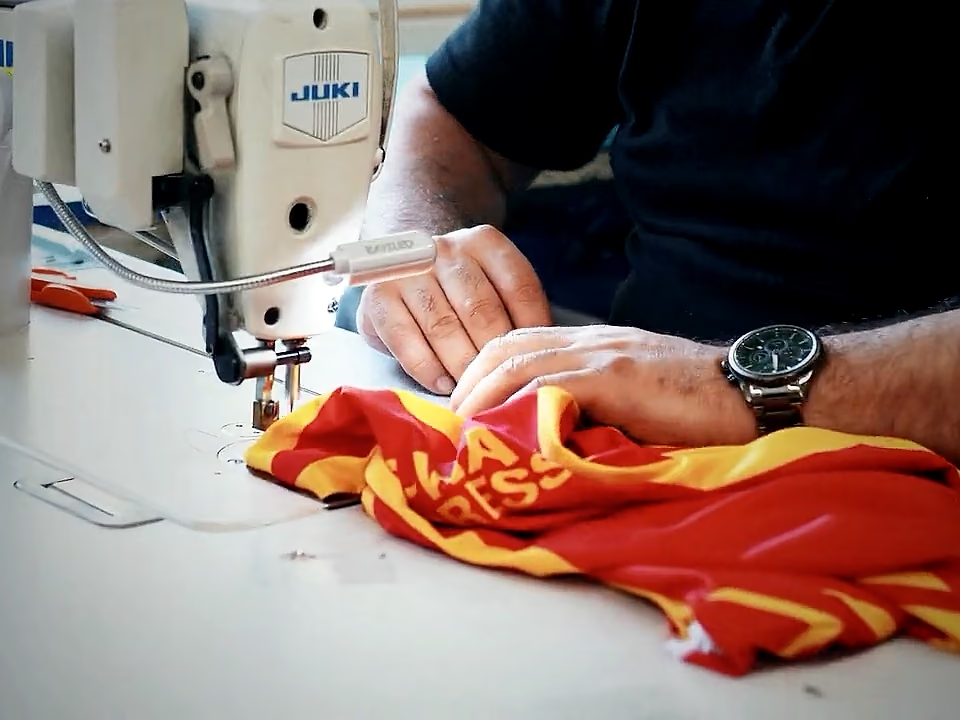
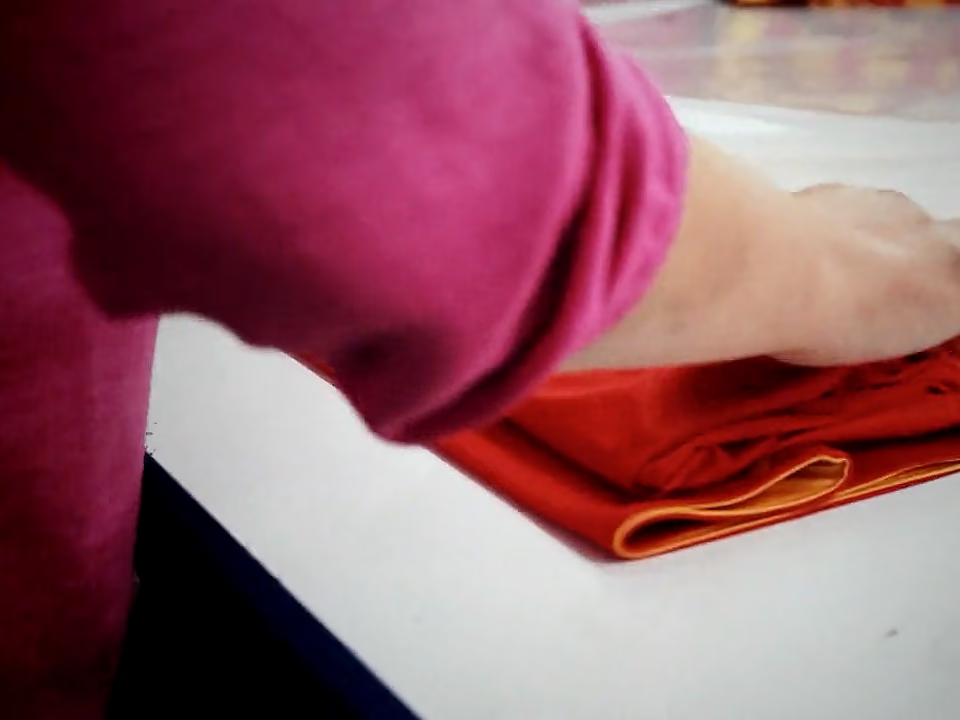
2. Which processes happen in your factory, and which at partner facilities?
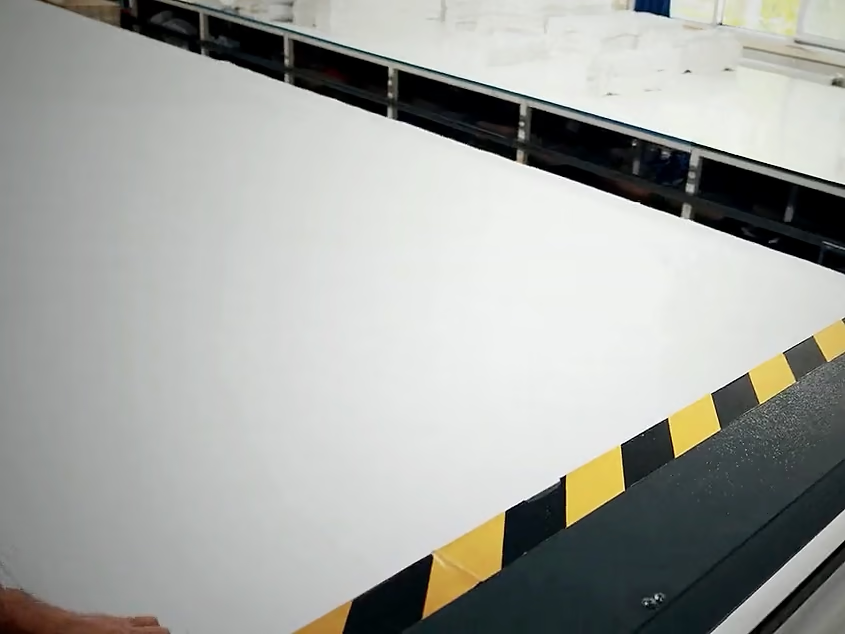
A good answer lists each process your garment needs and says where it is done. Few sewing factories do every process themselves, so an answer of "all in-house" deserves a follow-up. Voyager Textile: cutting, sewing, pattern making in Gerber AccuMark, embroidery (flat, 3D puff, chenille and appliqué), transfer printing and sublimation printing are done in the factory. Screen printing, including raised or puff print, garment washing such as acid, mineral and stone washes, and other specialist decoration are coordinated with partner facilities.
3. What is your capacity for this product?
A good answer gives a range that depends on the product type and separates total capacity from what is free in your delivery window. One figure for every product says little. Voyager Textile: about 100,000 pieces a month, confirmed per project at the quotation stage.
4. Can I visit the factory?
A good answer says yes and explains how a visit is arranged. Where a visit is not practical before the first order, the supplier should offer another way to see production. Voyager Textile: factory visits can be arranged as part of project onboarding.
Questions about minimums and materials
5. What is the minimum per colour, per style and per size?
A good answer states the unit of every minimum, because "300 pieces" means different things per order, per style or per colour. Ask about custom colours separately. The reasons minimums sit where they do are set out in the MOQ guide. Voyager Textile: 300 pieces per colour and per style, for every product including sublimation, with sizes split inside the 300. A custom Pantone colour also starts at 300 pieces; polyester-based fabrics are assessed separately, because their colour comes from sublimation rather than dyeing.
6. Can I supply my own fabric?
A good answer says yes or no and lists what the factory needs: composition, width, weight in g/m², quantity and delivery date. Voyager Textile: yes, buyer-supplied fabric is accepted, including imported fabric. Where the factory sources fabric instead, certified materials such as OEKO-TEX, GOTS or GRS can be sourced where specified. That does not make Voyager Textile or the garment certified; Voyager Textile holds no facility certification.
7. Do you have ready-made styles I can put my label on?
A good answer is precise about whether the supplier sells stock garments or makes to your design, because the two lead to different minimums and quality control. The models are explained in OEM, ODM, private label and white label. Voyager Textile: no. Every product is made to the customer's design; the catalogue shows previous production, not stock.
Questions about samples and lead times
8. How long does a sample take, and what starts the clock?
A good answer gives a duration for your product and names the start event, usually receipt of a complete specification and the materials. Voyager Textile: 5-7 business days, and sampling always comes before bulk. What each sample stage proves is covered in the sampling guide.
9. How long is bulk production, and counted from when?
A good answer counts from a named event, says whether weeks are calendar or working weeks, and lists what is not included. Voyager Textile: 4-5 weeks after sample approval, in calendar weeks. Development, sampling and shipping come on top. How the full calendar is planned is in the lead time guide.
10. What will bulk be checked against?
A good answer names the sealed approved sample, the size chart with tolerances per point of measure and an agreed defect classification with an AQL level, as described in apparel quality control. Voyager Textile: the inspection basis is agreed per project at the quotation stage.
11. What happens if bulk differs from the approved sample?
A good answer describes a route agreed before production: how a difference is recorded, who decides what happens to the goods and who bears the cost. The common causes are listed in bulk differs from sample, and the written form in a supplier quality agreement. Voyager Textile: confirmed per project at the quotation stage, before production starts.
Questions about the quotation
12. What exactly does the price include?
A good answer lists fabric composition and weight, decoration, trims, labels, packing, one-off costs such as sampling or screens, the Incoterm with its named place, and validity. What each line should say is set out in how to compare clothing manufacturer quotes. Voyager Textile: prices are quoted per project from the specification; none are published.
13. Which delivery term does the price use?
A good answer names an Incoterms rule such as EXW, FCA, FOB, DAP or DDP with a named place, since two prices on different terms cannot be compared. The terms are explained in shipping apparel from Turkey. Voyager Textile: agreed per project at the quotation stage.
Questions about communication and reorders
14. Who is my contact, in which language, and how fast do you reply?
A good answer names a contact for commercial questions and one for technical questions, the working languages and a normal reply time. Voyager Textile: you work directly with the production team, and replies usually come within one business day. Customers are updated at set stages of production; which stages, and in what form, is confirmed per project at the quotation stage.
15. What do you keep so a reorder matches the first order?
A good answer lists the records kept after the first run: approved samples, patterns, colour standards and packing instructions. Without them a reorder starts from memory. Voyager Textile: approved samples, patterns, colour standards and packing instructions are retained. The controls are covered in reorder consistency.
Answers that should prompt a second question
Some answers sound complete but leave the key point open. Each of the following deserves one more written question, and the answer to that second question is what you compare.
| Answer received | Second question to ask |
|---|---|
| "Our MOQ is 300" | Per order, per style, per colour or per size? |
| "Bulk takes four weeks" | Counted from which event, and in calendar or working weeks? |
| "Same quality as the sample" | Will the approved sample be sealed, one copy each? |
| "We do everything in-house" | Which facility does screen printing, washing or dyeing? |
| "Price includes everything" | Which Incoterm, which packing, and are sampling costs separate? |
| "We are certified" | Which certificate, held by which company, for which site and scope? |
Signals that go beyond a vague answer are collected in clothing manufacturer red flags. Once the answers are in, supplier qualification turns them into a decision about what a supplier may make.
Questions buyers ask
What questions should I ask a clothing manufacturer?
Ask a clothing manufacturer who owns the factory, which processes are in-house, the minimum per colour and per style, sample and bulk lead times with their start events, what bulk is checked against, what the price includes, and which Incoterm it uses.
What is Voyager Textile's minimum order quantity?
Voyager Textile's minimum order quantity is 300 pieces per colour and per style, including sublimation. Sizes can be split inside the 300. A custom Pantone colour also starts at 300 pieces.
How long do sampling and production take at Voyager Textile?
Sampling at Voyager Textile takes 5-7 business days. Bulk production takes 4-5 weeks after sample approval, in calendar weeks. Development, sampling and shipping come on top of the bulk time.
Which processes does Voyager Textile do in-house?
Voyager Textile does cutting, sewing, pattern making in Gerber AccuMark, embroidery, transfer printing and sublimation printing in its factory in Türkiye. Screen printing, garment washing and other specialist decoration are coordinated with partner facilities.
Why ask a manufacturer questions in writing?
Written answers from a manufacturer can be compared across suppliers and referred to later, when the order is produced. A number with a unit in an email is evidence; the same number said on a call is easily disputed.
Send us the fifteen questions
Send your specification with these questions and we answer them in writing for your product, including the points confirmed per project at the quotation stage.
Start an RFQ