

Linings, facings and interlinings: the layers you do not see
Three different components are routinely confused with each other. A lining covers the inside of a garment, a facing finishes an edge and turns to the inside, and an interlining is a hidden layer that gives another fabric structure. Each solves a different problem, and each fails in a different way.
Contents
These are the components buyers rarely specify and often complain about. They are invisible in a photograph, they add cost that is hard to see, and when they go wrong they take the outside of the garment with them.
What each one is
| Component | What it is | What it is for |
|---|---|---|
| Lining | A separate garment-shaped layer covering the inside of the shell | Hides construction, lets the garment slide over other clothing, adds warmth, protects the shell fabric |
| Facing | A shaped piece that finishes an edge and turns to the inside | Finishing a neckline, a front opening or an armhole cleanly without a visible band |
| Interlining | A layer placed between the shell and the facing or lining, fused or sewn | Giving a specific area structure: collars, cuffs, plackets, waistbands, front edges |
The distinction matters because they are not substitutes. A facing does not make a garment lined, and adding a lining does not give a collar structure. A garment can have all three, one, or none.
Lined and unlined garments
Lining a jacket does four things at once, and a buyer choosing between lined and unlined should be clear about which of them the product actually needs.
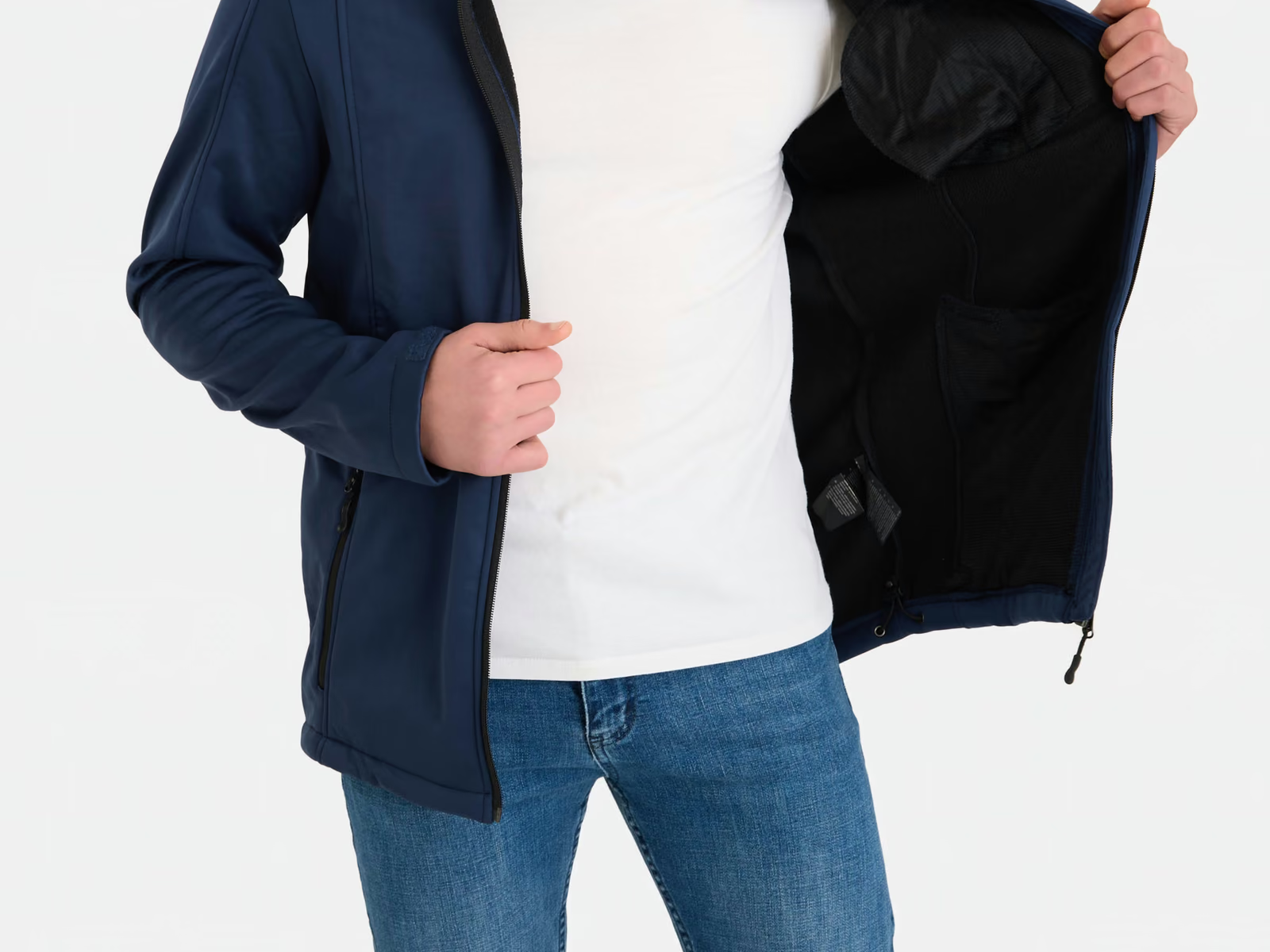
An unlined garment has to earn its inside. If there is no lining, every internal seam is visible, so the seams have to be finished as a design feature: bound, French-seamed, or overlocked neatly and deliberately. That is why unlined jackets are not automatically cheaper. You save the lining fabric and its assembly, and you spend some of it back on seam finishing, as covered in seam types and seam classes.
| Option | When it fits | What to watch |
|---|---|---|
| Full lining | Structured outerwear, tailored jackets, anything worn over other layers | Lining and shell must shrink at similar rates or the lining pulls or sags |
| Half lining | Jackets where the body needs a lining but the sleeves do not, or vice versa | The transition edge has to be finished properly, since it is visible |
| Unlined with finished seams | Lightweight and casual outerwear, shirt jackets, warm-weather products | Every internal seam becomes a visible quality signal |
| Quilted or insulated lining | Cold-weather outerwear | Insulation is a separate material with its own weight, loft and wash behaviour |
One construction detail catches people out: a lining is normally cut with a small amount of extra length, often taken up as a pleat at the centre back and a fold at the hem. That ease exists so the lining does not restrict the shell when the wearer moves. A lining cut exactly to the shell will pull, and the pulling will show on the outside.
Facings
A facing is the way to finish an edge without a visible band or binding. The classic uses are a neckline on a woven top, the front edges of a jacket, and armholes on a sleeveless garment. The facing is cut to the same shape as the edge it finishes, sewn to it, and turned to the inside where it lies flat.
Two things determine whether a facing behaves. The first is understitching or edgestitching, a line of stitching that keeps the seam from rolling to the outside, without which the facing shows at the edge. The second is anchoring: a facing that is not secured at the shoulder seams or along its inner edge will flip out, which is a visible cheap-garment signal.
Facings are usually interlined, because the edge they finish needs to be stable. That is the point where facings and interlinings become the same conversation.
Interlinings
An interlining is a hidden layer whose job is to change how another fabric behaves in a specific place. It makes a collar hold its roll, a placket stay straight, a cuff stay crisp, a waistband stay upright and a front edge stay flat. Without it, those parts take on the character of the shell fabric, which is usually not what the design wants.
| Fusible | Sew-in | |
|---|---|---|
| How it is applied | Bonded to the shell with heat and pressure | Held in place by the seams and stitching |
| Consistency | Very consistent when the fusing parameters are controlled | Depends on handling |
| Risk | Can bubble, delaminate or strike through if fused wrongly or washed harshly | Can shift inside the component |
| Typical use | Collars, cuffs, plackets, waistbands, front edges | Fabrics that will not tolerate heat and pressure, and some tailored applications |
Fusible interlining is where many interlining problems come from, and the symptom is recognisable: after washing, the collar or placket develops small ripples or a blistered surface, because the bond has broken in places and the two layers no longer move together. The cause is a mismatch between the interlining, the shell fabric and the fusing conditions, and it is a materials and process problem rather than a sewing one.
Interlining also has a weight and a hand, and those are design choices. The same collar with a light interlining and a firm one produces two different products. Specifying "interlined" without naming the weight leaves that decision with the factory.
Where hidden layers cause visible problems
| What the buyer sees | Where it comes from |
|---|---|
| Collar or placket bubbles after washing | Fusible interlining bond failing, or a mismatch between interlining and shell |
| Lining sags below the hem, or pulls the shell | Shrinkage mismatch between lining and shell, or insufficient lining ease |
| Facing flips to the outside at the neckline | Missing understitching, or the facing is not anchored |
| Waistband collapses or folds over | Interlining too light for the shell fabric |
| Dark lining shows through a pale shell | Lining colour and shell opacity not considered together |
All five are decided before sewing starts, in the materials selection, which is why they belong on the bill of materials rather than in the construction notes alone.
What to specify
Hidden layer specification lines
- Whether the garment is lined, half lined or unlined, and where the lining stops
- Lining fabric, composition and weight, and its colour
- Lining ease: whether there is a centre back pleat and a hem fold
- Which components are interlined, listed by component rather than in general
- Interlining type and weight for each, and whether it is fusible or sew-in
- Which edges are faced, and how each facing is secured
- Wash test requirement covering the interlined components
If a specification says nothing about these layers, the factory will use its normal practice for that garment type. That practice is usually sound, but it is the factory's decision rather than the buyer's, and it is one of the differences that appears when the same style is moved between suppliers.
Layered garment references
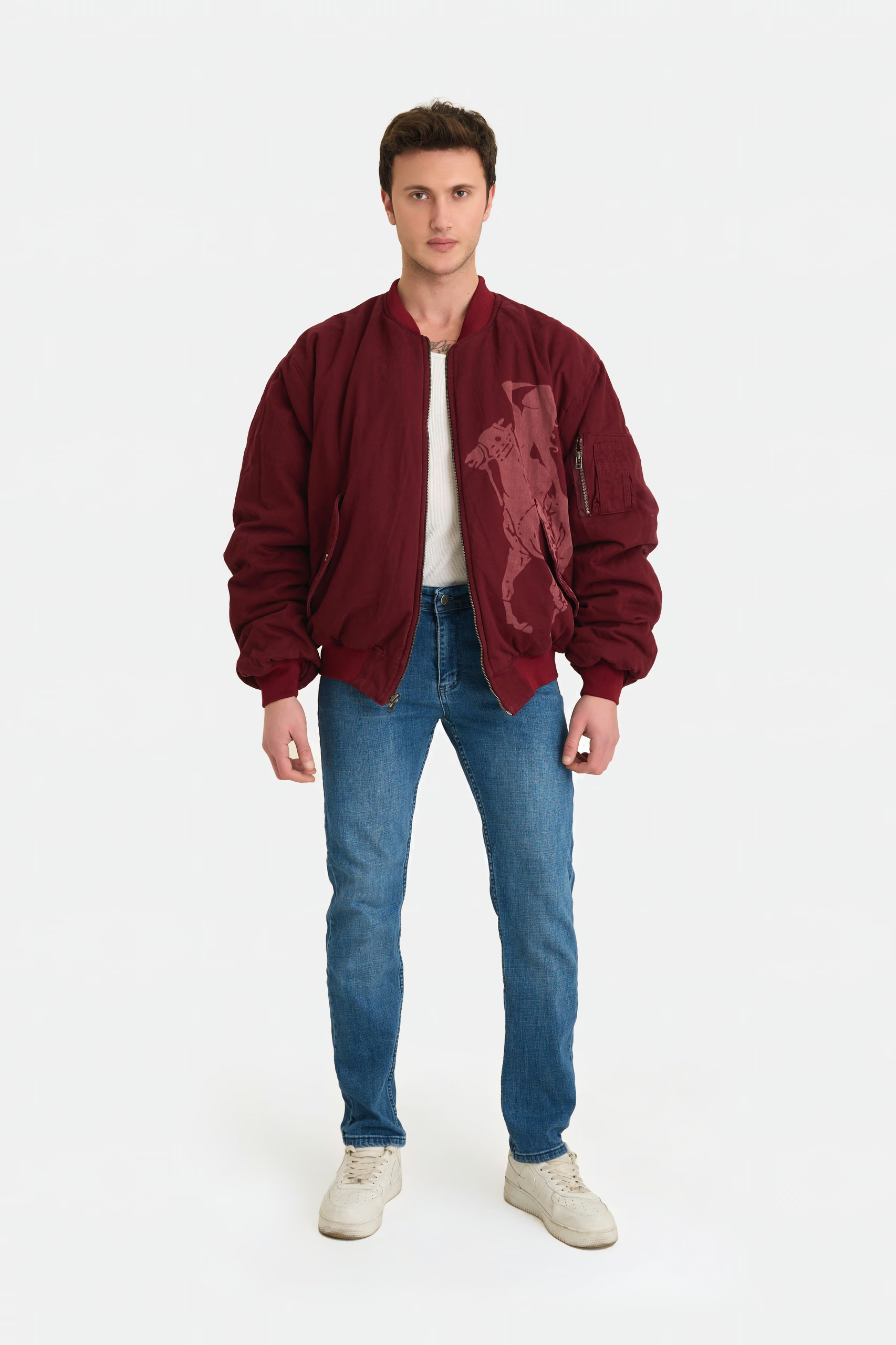
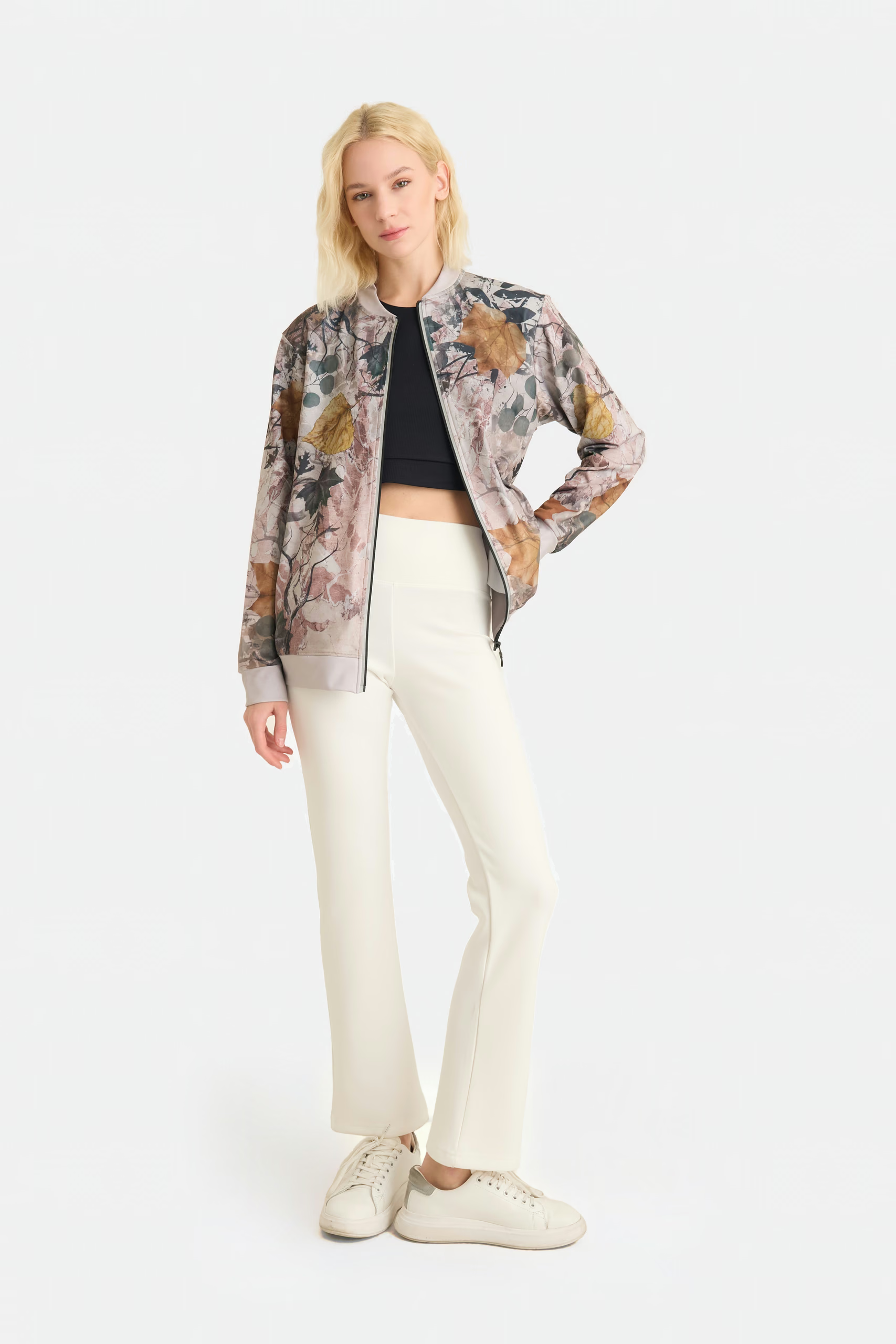
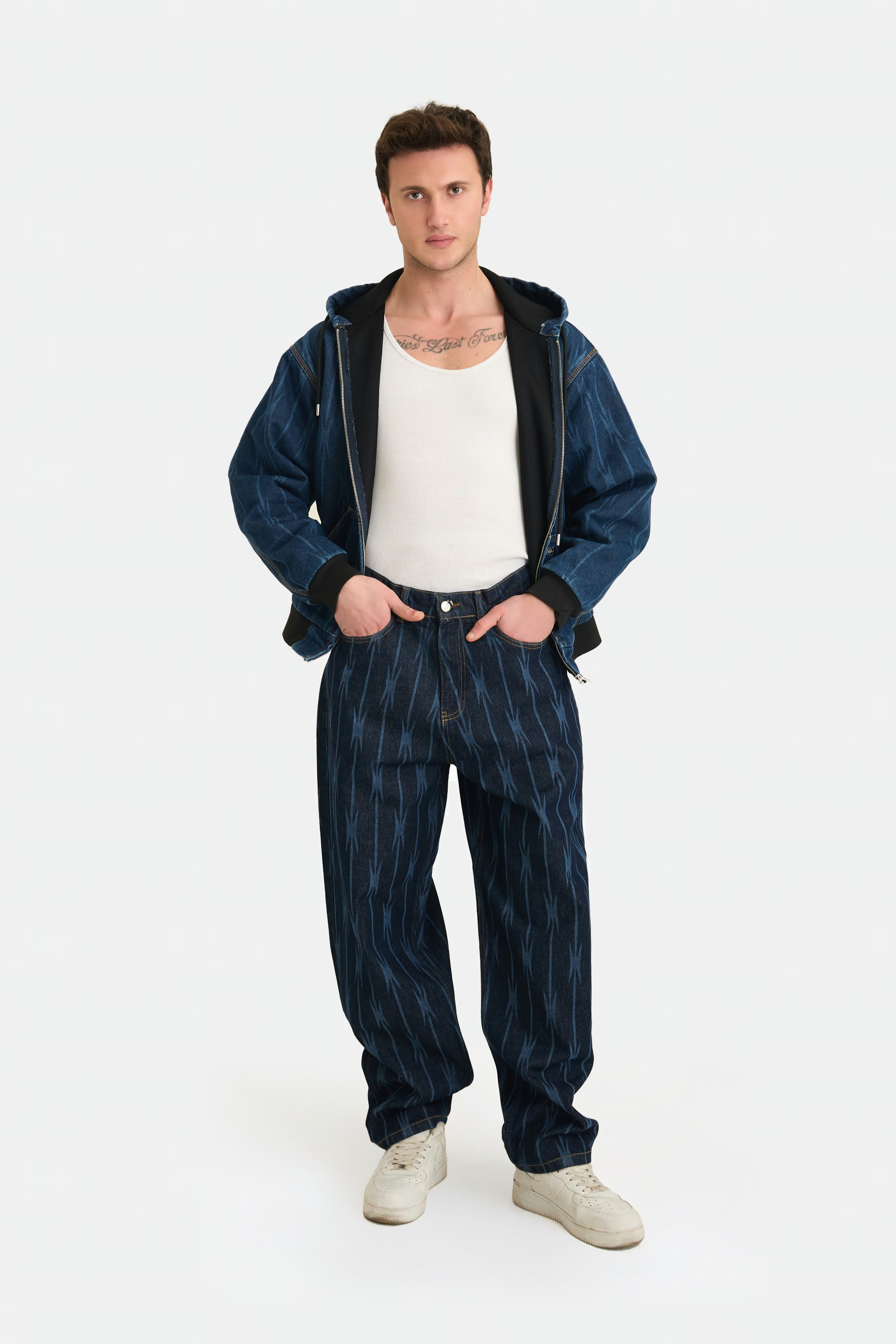
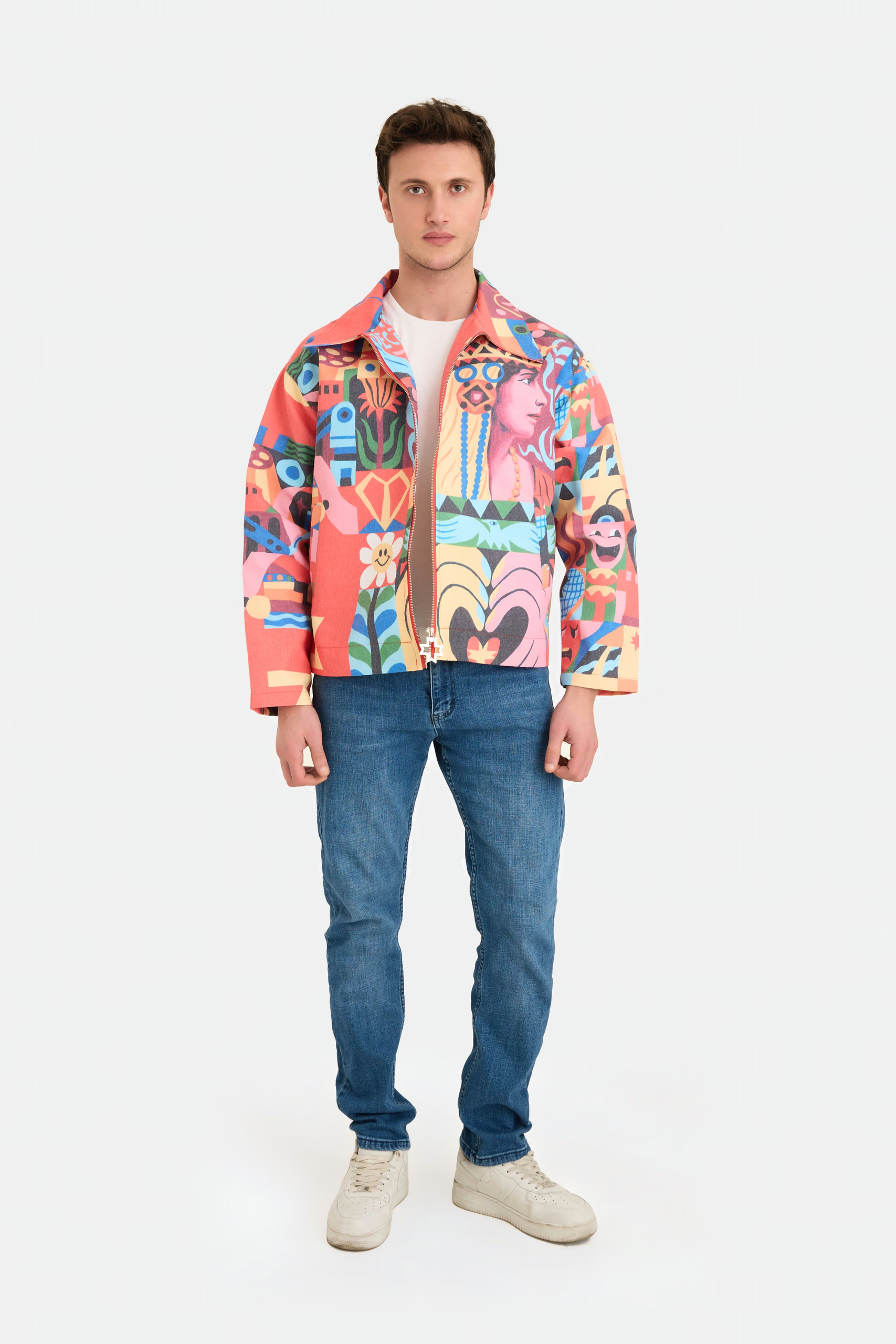
Jackets and outerwear previously produced to customer specifications.
Questions this raises
Is an unlined jacket cheaper than a lined one?
Less than buyers expect. You save the lining fabric and the operations to assemble and attach it, but every internal seam becomes visible and has to be finished properly, whether bound, French-seamed or neatly overlocked. On some products the finishing costs back much of the saving.
Why does my collar bubble after washing?
It is normally the fusible interlining. When the bond between the interlining and the shell fails in places, the two layers stop moving together and the surface blisters. The cause is a mismatch between the interlining, the shell fabric and the fusing conditions, and it is found by washing a fused sample rather than by inspecting a dry one.
What is the difference between a facing and a lining?
A facing finishes a specific edge and turns to the inside, covering only a few centimetres. A lining is a separate garment-shaped layer covering the whole inside. A garment can be faced at the neckline and still be completely unlined.
Do I need to specify interlining weight?
Yes, if the stiffness of a collar, cuff, placket or waistband matters to the product, which it usually does. The same component with a light interlining and a firm one produces two visibly different garments, so "interlined" on its own leaves the decision with the factory.
The layers nobody photographs still need specifying
Lining, facing and interlining choices change how a garment behaves after washing. Send them with the enquiry, or ask us to propose them and confirm them on a washed sample.
Start a project